
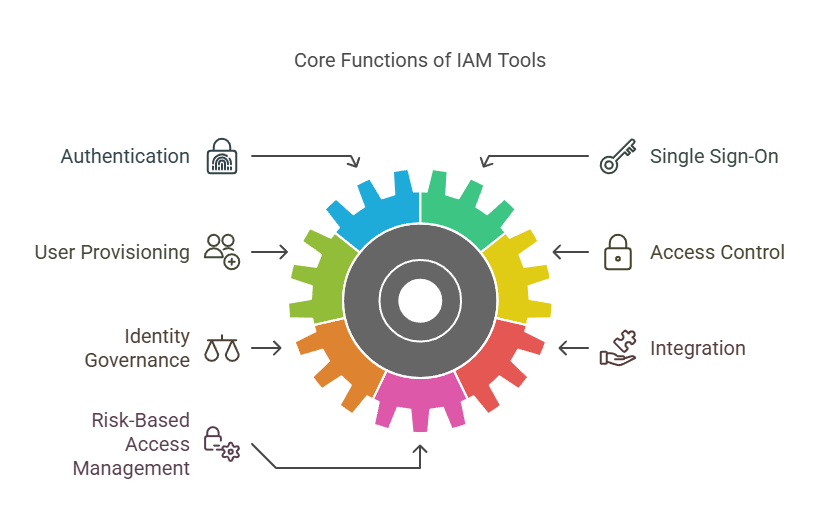
The Importance of Web Access Management Products
Web access management products play a crucial role in ensuring the security and efficiency of online interactions for businesses and users alike. These products provide a centralised platform for managing user access to web applications, resources, and data, helping organisations enforce security policies, streamline authentication processes, and protect sensitive information from unauthorised access.
Key Features of Web Access Management Products
Modern web access management products offer a range of features designed to enhance security and user experience:
- Single Sign-On (SSO): SSO capabilities allow users to log in once to access multiple applications, reducing the need for multiple passwords and enhancing convenience.
- Multi-Factor Authentication (MFA): MFA adds an extra layer of security by requiring users to provide multiple forms of verification before accessing sensitive data or applications.
- Role-Based Access Control (RBAC): RBAC enables administrators to assign specific roles and permissions to users based on their job functions, ensuring that individuals have appropriate access rights.
- Session Management: Session management features help monitor user sessions, enforce session timeouts, and prevent session hijacking or other security threats.
- Federated Identity Management: Federated identity management allows organisations to establish trust relationships with external entities, enabling seamless access for partners, suppliers, and customers.
The Benefits of Implementing Web Access Management Products
By deploying web access management products, organisations can enjoy several benefits:
- Enhanced Security: Web access management products help mitigate the risk of data breaches by implementing robust authentication mechanisms and access controls.
- Increased Productivity: SSO capabilities streamline the login process for users, reducing password fatigue and improving productivity across the organisation.
- Better Compliance: By enforcing security policies and audit trails, web access management products assist organisations in meeting regulatory requirements such as GDPR or HIPAA.
- Cross-Platform Compatibility: Many web access management products are designed to work seamlessly across different devices and platforms, providing a consistent user experience regardless of the device used.
- Cost Savings: Centralised management of user access can lead to cost savings through reduced administrative overheads and improved operational efficiency.
In Conclusion
In today’s digital landscape where cybersecurity threats are ever-present, investing in robust web access management products is essential for safeguarding sensitive data, maintaining compliance with regulations, and enhancing user experience. By leveraging the advanced features offered by these products, organisations can establish a secure online environment that fosters trust among users while driving business growth.
Enhancing Security and Efficiency: 6 Essential Tips for Managing Web Access Products
- Ensure the web access management product supports multi-factor authentication for enhanced security.
- Regularly update the web access management product to protect against known vulnerabilities.
- Customise user access levels and permissions to follow the principle of least privilege.
- Integrate the web access management product with existing identity providers for seamless user experience.
- Monitor and log user activities within the web access management system for auditing purposes.
- Provide training to users on how to securely navigate and use the web access management product.
Ensure the web access management product supports multi-factor authentication for enhanced security.
To enhance security measures, it is crucial to ensure that the chosen web access management product supports multi-factor authentication. By incorporating multi-factor authentication, users are required to provide additional verification beyond just a password, such as a code sent to their mobile device or biometric data. This added layer of security significantly reduces the risk of unauthorised access and strengthens the overall protection of sensitive information and resources. Implementing multi-factor authentication as part of the web access management strategy is a proactive step towards safeguarding against potential security threats and ensuring secure online interactions for users.
Regularly update the web access management product to protect against known vulnerabilities.
Regularly updating the web access management product is a critical practice to safeguard against known vulnerabilities and enhance the overall security posture of the system. By staying current with software updates and patches, organisations can mitigate potential security risks, address identified vulnerabilities, and ensure that the web access management product remains resilient against emerging threats. Proactive maintenance through regular updates not only helps in strengthening the system’s defences but also demonstrates a commitment to maintaining a secure and reliable online environment for users.
Customise user access levels and permissions to follow the principle of least privilege.
Customising user access levels and permissions to adhere to the principle of least privilege is a fundamental practice in web access management products. By granting users only the minimum level of access required to perform their specific tasks, organisations can reduce the risk of unauthorised data exposure and potential security breaches. This approach enhances overall security posture by limiting the scope of potential damage that could occur if a user account is compromised. Following the principle of least privilege ensures that each user has precisely the permissions they need to fulfil their responsibilities, contributing to a more secure and controlled access environment within web applications and resources.
Integrate the web access management product with existing identity providers for seamless user experience.
To enhance the user experience and streamline access control, it is advisable to integrate the web access management product with existing identity providers. By seamlessly connecting the two systems, organisations can offer users a more convenient and efficient way to access web applications while maintaining a high level of security. This integration allows for a cohesive authentication process, enabling users to utilise their existing credentials across multiple platforms without the need for separate logins, ultimately improving user satisfaction and productivity.
Monitor and log user activities within the web access management system for auditing purposes.
It is essential to monitor and log user activities within the web access management system for auditing purposes. By tracking and recording user interactions, organisations can establish a comprehensive audit trail that provides insight into who accessed which resources, when they did so, and what actions they performed. This proactive approach not only enhances security by detecting suspicious behaviour but also ensures compliance with regulatory requirements and internal policies. Monitoring user activities within the web access management system is a fundamental practice in maintaining accountability, transparency, and the integrity of the overall security infrastructure.
Provide training to users on how to securely navigate and use the web access management product.
Providing training to users on how to securely navigate and use the web access management product is essential for maximising its effectiveness and ensuring the overall security of the system. By educating users on best practices, such as creating strong passwords, recognising phishing attempts, and understanding the importance of multi-factor authentication, organisations can empower their employees to make informed decisions when accessing sensitive data and applications. Training sessions can also help users familiarise themselves with the features and functionalities of the web access management product, enabling them to navigate the platform confidently and mitigate potential security risks. Ultimately, investing in user training contributes to a culture of cybersecurity awareness within the organisation, reducing the likelihood of security breaches and enhancing overall data protection measures.