
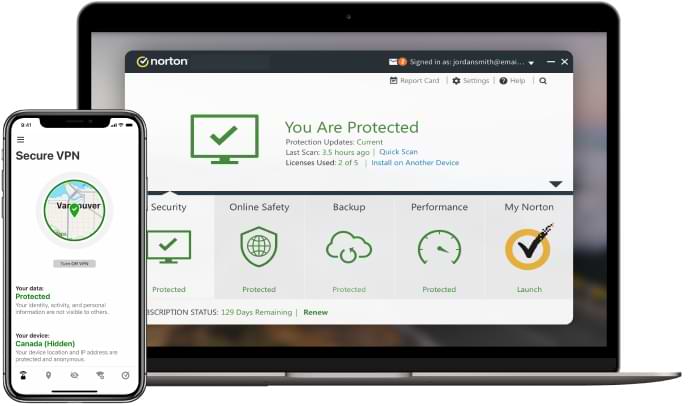
Norton Secure VPN: What It Is and How It Works
Norton Secure VPN is a virtual private network (VPN) service from Norton. It is designed to help protect your internet connection, particularly when you use public Wi-Fi, and to make it harder for websites and other online services to see your device’s public IP address.
A VPN can be a useful part of an online security toolkit, but it is not a complete solution. It does not make every online activity anonymous or protect a device from every type of threat. Here is what to know before using Norton Secure VPN.
How Norton Secure VPN works
When you connect to a VPN, your device creates an encrypted connection to a VPN server. Internet traffic travels through that connection before reaching its destination. This can help prevent other people on the same public Wi-Fi network from easily inspecting your traffic, and websites will generally see the VPN server’s IP address rather than your usual one.
Norton Secure VPN offers apps for supported devices and operating systems. Available features and settings can vary by platform, subscription and region, so check Norton’s current product information for the details that apply to your device.
Key features
- Encrypted connection: Encryption helps protect data travelling between your device and the VPN server, especially on networks you do not control.
- IP address masking: Websites and services will usually see the IP address of the VPN server, rather than your home or mobile connection’s address.
- Public Wi-Fi protection: A VPN can add a layer of privacy when connecting through public hotspots in places such as cafés, hotels and airports.
- Multiple server locations: Depending on the plan and app, you may be able to select a server location. This can affect which version of a website or service is presented to you.
- Additional privacy settings: Norton may offer features such as an ad tracker blocker or a kill switch on selected platforms. Availability can differ, so confirm what is included before subscribing.
Benefits of using Norton Secure VPN
For people who want a straightforward VPN from a familiar security provider, Norton Secure VPN may be convenient to set up and use. It can be particularly helpful for adding protection to connections on public Wi-Fi, where the network is shared with other users.
A VPN may also reduce the amount of location information revealed through your public IP address. However, websites can still identify or track you through other means, such as cookies, account sign-ins, browser settings and device information.
What a VPN cannot do
A VPN should not be treated as a replacement for antivirus software, software updates, strong passwords or multi-factor authentication. It does not automatically stop phishing, remove malware or make unsafe downloads safe.
Nor does changing your IP address guarantee anonymity. Norton, your internet provider, websites and other services may each have access to different information about your connection or activity. Read the service’s current privacy policy to understand what data is collected, how it is used and how long it is retained.
Some websites and streaming services may restrict access when they detect a VPN connection. A VPN can also affect connection speed because your traffic takes an additional route through a server. The impact varies with the server, your location, your device and the quality of your internet connection.
Using Norton Secure VPN safely
- Download the app from Norton’s official website or your device’s recognised app store.
- Sign in and review the available privacy and connection settings.
- Connect to a suitable server before using a public Wi-Fi network or carrying out sensitive online tasks.
- Keep the app and your operating system up to date.
- Continue to use unique passwords and multi-factor authentication for important accounts.
Is Norton Secure VPN right for you?
Norton Secure VPN may suit users looking for a simple way to encrypt their connection and reduce exposure of their public IP address. Before choosing it, compare the current subscription price, supported devices, server locations, feature availability and cancellation terms with those of other VPN providers.
Consider your main reason for using a VPN. If you primarily want extra protection on public Wi-Fi, a VPN can be a practical addition. If you need specialised features, such as particular server locations or advanced network controls, check that Norton Secure VPN offers them on your device and plan.
Final thoughts
Norton Secure VPN provides an encrypted route for internet traffic and can add a layer of privacy when browsing, particularly on shared networks. Its protection has limits: it does not make users completely anonymous or replace broader security practices. Reviewing the latest product details and privacy terms will help you decide whether it meets your needs.
9 Essential Tips for Using Norton Secure VPN Safely and Effectively
- Use Norton Secure VPN on public Wi-Fi.
- Switch it on before browsing or banking.
- Choose a nearby server for better speeds.
- Use a different location when you need it.
- Keep the app updated.
- Check that the VPN connection is active.
- Use split tunnelling only when needed.
- A VPN does not replace antivirus protection.
- Turn it off when you no longer need it.
Use Norton Secure VPN on public Wi-Fi.
When using public Wi-Fi in places such as cafés, hotels or airports, switch on Norton Secure VPN before browsing or signing in to accounts. It encrypts the connection between your device and the VPN server, helping to protect your internet traffic from being viewed by others on the same network. A VPN is an additional safeguard, not a guarantee of complete privacy, so keep your device and apps up to date and avoid clicking suspicious links.
Switch it on before browsing or banking.
Switch on Norton Secure VPN before you start browsing or accessing online banking, especially when using public Wi-Fi. Connecting first helps encrypt your internet traffic from the outset and can reduce the exposure of your connection on shared networks. A VPN adds a layer of privacy, but it does not replace your bank’s security measures or safe browsing habits, so always check that you’re using the official website or app.
Choose a nearby server for better speeds.
For better speeds with Norton Secure VPN, choose a server that is geographically close to you. Your internet traffic has less distance to travel, which can help reduce delays and improve connection performance. If a nearby server feels slow or unreliable, try another close location and compare the results.
Use a different location when you need it.
Choose a different server location in Norton Secure VPN when it suits your needs. Connecting through another location can change the IP address that websites see and may help when you’re travelling or having trouble accessing a service. Keep in mind that some websites may restrict VPN connections, and changing locations does not guarantee access or make your browsing anonymous.
Keep the app updated.
Keep Norton Secure VPN updated to ensure you have the latest security improvements, bug fixes and features. Updates can also help the app work properly with newer versions of your device’s operating system. Turn on automatic updates if available, or check your app store or Norton’s official website regularly for the latest version.
Check that the VPN connection is active.
Before browsing or sharing sensitive information, check that Norton Secure VPN shows you as connected. Look for the VPN status in the app and confirm that it indicates an active connection; if it is disconnected or still connecting, reconnect and wait for confirmation. If the connection keeps dropping, check your internet access and VPN settings before continuing, especially when using public Wi-Fi.
Use split tunnelling only when needed.
Use split tunnelling only when needed. This feature lets you choose which apps use Norton Secure VPN and which connect directly to the internet. It can be useful if a trusted app or service does not work properly through the VPN, but excluding apps means their traffic will not receive the VPN’s encrypted connection or IP address masking. Keep split tunnelling disabled unless there is a clear reason to use it, and check which apps are excluded before connecting to sensitive accounts or networks.
A VPN does not replace antivirus protection.
A VPN does not replace antivirus protection: Norton Secure VPN helps encrypt your internet connection and can improve privacy, particularly on public Wi-Fi, but it does not scan for or remove malware. Keep reputable antivirus software enabled and up to date, and continue to use safe browsing habits to protect your devices.
Turn it off when you no longer need it.
Turn it off when you no longer need it
Norton Secure VPN can help protect your connection on public Wi-Fi, but you may not need it all the time. Disconnecting when you no longer need the extra privacy can help avoid potential slowdowns or problems with websites and services that restrict VPN connections. Reconnect whenever you want to use its protection again, especially before joining an unfamiliar or public network.