
The Best GRC Software for Comprehensive Governance, Risk, and Compliance Management
In today’s complex business landscape, organisations face numerous challenges in managing governance, risk, and compliance (GRC) effectively. To address these challenges, many businesses are turning to GRC software solutions that offer integrated tools to streamline processes and enhance overall compliance.
Key Features of the Best GRC Software:
- Centralised Dashboard: The best GRC software provides a centralised dashboard that offers a holistic view of all GRC activities within the organisation. This feature enables stakeholders to monitor compliance status, risk assessments, and governance initiatives in real-time.
- Risk Assessment Tools: Effective GRC software includes robust risk assessment tools that help organisations identify, assess, and mitigate risks across various business functions. These tools often utilise advanced analytics to prioritise risks based on severity and likelihood.
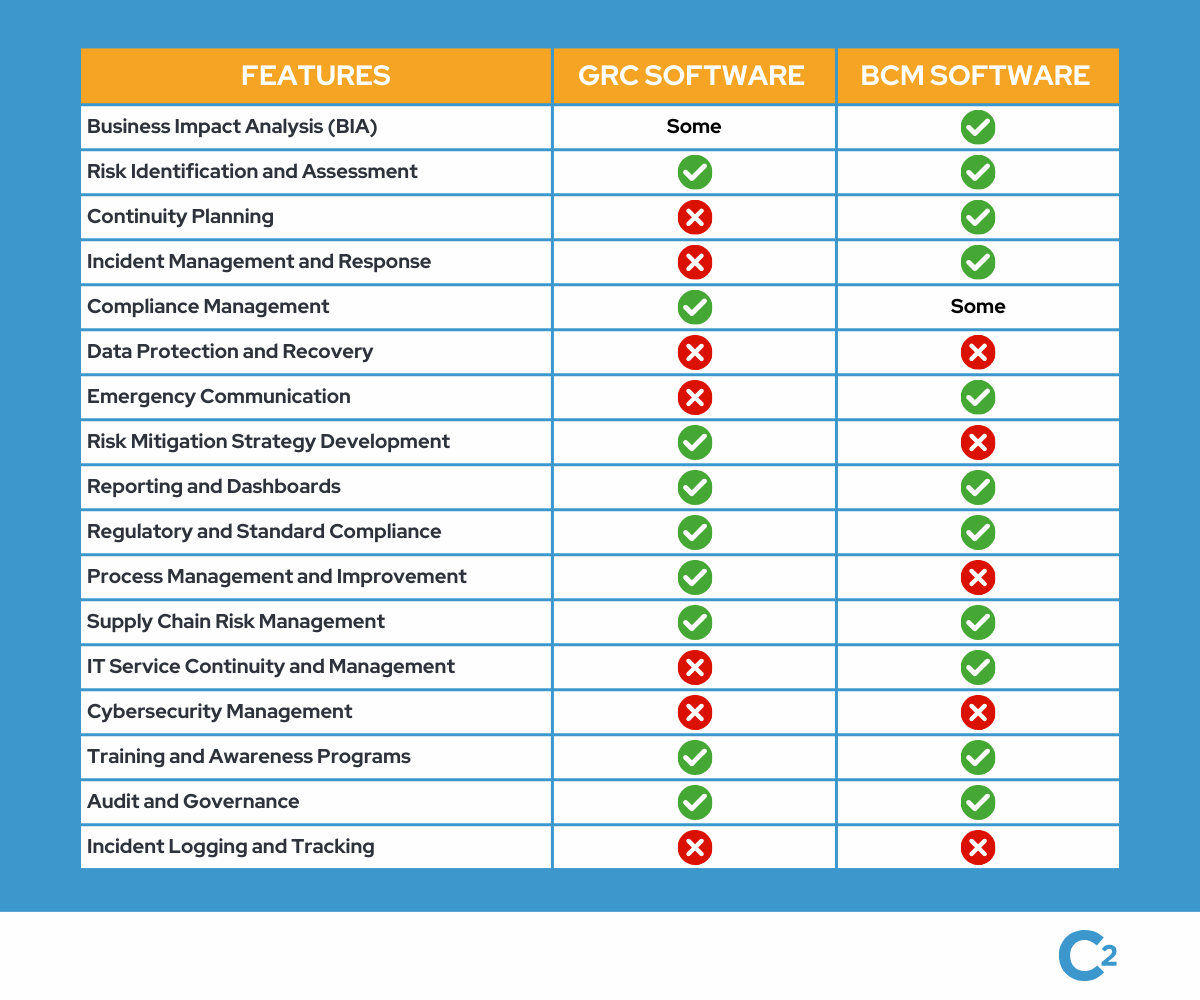
- Compliance Management: The best GRC software simplifies compliance management by automating regulatory updates, tracking policy changes, and generating audit reports. This feature ensures that organisations remain compliant with industry standards and regulations.
- Audit Trail Functionality: GRC software with audit trail functionality allows users to track all changes made within the system. This feature enhances transparency and accountability by providing a detailed record of user actions and system modifications.
- Integration Capabilities: Top-tier GRC software offers seamless integration with existing IT systems such as ERP platforms, CRM software, and security tools. This integration streamlines data sharing and enhances cross-functional collaboration for more efficient GRC processes.
Popular GRC Software Solutions in the Market:
Some of the leading GRC software solutions in the market include:
- SAP GRC: A comprehensive solution that covers risk management, access control, process control, and compliance management within a single platform.
- IBM OpenPages: Offers integrated risk management capabilities for identifying, assessing, and mitigating risks across the enterprise.
- RSA Archer: A flexible platform that enables organisations to manage multiple aspects of risk and compliance through customisable workflows and reporting features.
- MetricStream: Provides end-to-end GRC solutions with built-in analytics for proactive risk management and regulatory compliance monitoring.
In conclusion, investing in the best GRC software can significantly enhance an organisation’s ability to manage governance, risk, and compliance effectively. By leveraging advanced features such as centralised dashboards, risk assessment tools, compliance management capabilities, audit trail functionality, and integration capabilities; businesses can achieve greater operational efficiency and regulatory adherence in today’s dynamic business environment.
Top 9 Advantages of Leading GRC Software: Enhancing Compliance, Risk Management, and User Experience
- Centralised dashboard for holistic view of GRC activities
- Robust risk assessment tools to identify and mitigate risks
- Automated compliance management for regulatory adherence
- Audit trail functionality for transparency and accountability
- Integration capabilities with existing IT systems for efficiency
- Real-time monitoring of compliance status and risk assessments
- Customisable workflows to align with organisational processes
- Advanced analytics for proactive risk management
- User-friendly interface for ease of use and adoption
Challenges of Leading GRC Software: Complex Implementation, High Costs, Learning Curve, and Customisation Limits
Centralised dashboard for holistic view of GRC activities
One of the key advantages of the best GRC software is its centralised dashboard, which provides users with a comprehensive and real-time view of all governance, risk, and compliance (GRC) activities within an organisation. This feature allows stakeholders to monitor and manage various aspects of GRC initiatives from a single interface, enhancing transparency and decision-making. By consolidating data and insights into a central dashboard, organisations can gain a holistic understanding of their risk posture, compliance status, and governance performance, enabling them to proactively address issues and drive strategic improvements across the enterprise.
Robust risk assessment tools to identify and mitigate risks
One of the key advantages of utilising the best GRC software is its robust risk assessment tools, which play a crucial role in identifying and mitigating risks within an organisation. These advanced tools leverage sophisticated analytics to assess risks across various business functions, enabling stakeholders to prioritise and address potential threats effectively. By providing a comprehensive view of potential vulnerabilities, the software empowers businesses to proactively manage risks, enhance decision-making processes, and strengthen overall resilience against unforeseen challenges.
Automated compliance management for regulatory adherence
Automated compliance management is a key advantage of the best GRC software, ensuring regulatory adherence with efficiency and accuracy. By automating regulatory updates, tracking policy changes, and generating audit reports, organisations can streamline their compliance processes and stay up-to-date with evolving industry standards and regulations. This proactive approach not only reduces manual errors but also saves time and resources, allowing businesses to focus on strategic initiatives while maintaining a strong culture of compliance.
Audit trail functionality for transparency and accountability
Audit trail functionality is a crucial pro of the best GRC software, offering unparalleled transparency and accountability within an organisation. By providing a detailed record of all user actions and system modifications, audit trail features ensure that every change made within the system is tracked and documented. This level of transparency not only enhances trust among stakeholders but also enables organisations to pinpoint any irregularities or discrepancies quickly. Additionally, audit trail functionality promotes accountability by holding individuals responsible for their actions, ultimately fostering a culture of integrity and compliance across all GRC processes.
Integration capabilities with existing IT systems for efficiency
One of the key advantages of the best GRC software is its integration capabilities with existing IT systems, which significantly enhances operational efficiency. By seamlessly connecting with various platforms such as ERP systems, CRM software, and security tools, organisations can streamline data sharing and collaboration across different functions. This integration ensures that GRC processes are more cohesive and automated, allowing for real-time updates and a more holistic view of governance, risk, and compliance activities within the enterprise. Ultimately, this pro enables businesses to achieve greater efficiency in managing their GRC initiatives while maintaining compliance with industry standards and regulations.
Real-time monitoring of compliance status and risk assessments
One of the standout features of the best GRC software is its ability to provide real-time monitoring of compliance status and risk assessments. This proactive capability allows organisations to stay ahead of potential risks and regulatory issues by continuously tracking and evaluating their compliance posture. By having instant access to up-to-date information on compliance status and risk assessments, businesses can make informed decisions promptly, mitigate risks effectively, and maintain a strong culture of governance within their operations.
Customisable workflows to align with organisational processes
One of the key advantages of the best GRC software is its ability to offer customisable workflows that can be tailored to align with specific organisational processes. This feature allows businesses to adapt the software to their unique operational requirements, ensuring that governance, risk, and compliance activities seamlessly integrate with existing workflows. By customising workflows, organisations can enhance efficiency, improve decision-making processes, and maintain regulatory compliance more effectively. Ultimately, this flexibility empowers businesses to optimise their GRC practices in a way that best suits their individual needs and objectives.
Advanced analytics for proactive risk management
Advanced analytics for proactive risk management is a key advantage offered by the best GRC software solutions. By utilising sophisticated analytical tools, organisations can identify potential risks proactively, assess their impact, and implement mitigation strategies before issues escalate. This proactive approach enables businesses to stay ahead of emerging threats and vulnerabilities, enhancing overall risk management effectiveness. With real-time data analysis and predictive modelling capabilities, GRC software empowers decision-makers to make informed choices that safeguard the organisation’s assets and reputation in an ever-evolving business landscape.
User-friendly interface for ease of use and adoption
The user-friendly interface of the best GRC software plays a pivotal role in simplifying the adoption and usage of the platform. By offering an intuitive and easy-to-navigate interface, organisations can streamline their governance, risk, and compliance processes without extensive training or technical expertise. This feature enhances user satisfaction, accelerates onboarding for new users, and promotes widespread adoption across different departments within the organisation. Ultimately, a user-friendly interface contributes to increased efficiency and effectiveness in managing GRC activities, making it a valuable asset for businesses seeking to optimise their compliance efforts.
Complex Implementation Process
Implementing the best GRC software can present a significant challenge due to its complex implementation process. Organisations may find that deploying such software is time-consuming and demands a substantial allocation of resources and expertise. Ensuring a smooth transition to the new system requires careful planning, training, and coordination across various departments. The complexity of the implementation process can lead to delays in realising the full benefits of the GRC software, as well as potential disruptions to existing workflows. Therefore, organisations need to carefully assess their readiness for such a transition and allocate adequate support to navigate through the complexities involved in implementing the best GRC software effectively.
High Initial Cost
The high initial cost associated with acquiring and implementing top-tier GRC software can pose a significant challenge for many organisations, particularly smaller businesses operating within constrained budgets. The substantial upfront investment required to purchase and set up advanced GRC solutions may deter some businesses from accessing the benefits of comprehensive governance, risk, and compliance management tools. As a result, these organisations may struggle to adopt the necessary technology to streamline their GRC processes effectively, potentially leaving them vulnerable to compliance gaps and operational risks.
Steep Learning Curve
One notable drawback of the best GRC software is the steep learning curve that users may encounter. The complexity and sophistication of advanced GRC software can present challenges in mastering all its features and functionalities. This could result in potential inefficiencies during the initial adoption phase as users require time to familiarise themselves with the system. The need for extensive training and ongoing support to fully utilise the software’s capabilities may pose a barrier to seamless integration within an organisation, impacting productivity and delaying the realisation of benefits associated with GRC management.
Customisation Limitations
Customisation Limitations: Despite the myriad features offered by the best GRC software, organisations may encounter challenges in tailoring the software to precisely match their distinct processes and needs. These customisation limitations can hinder organisations seeking a more bespoke solution that aligns seamlessly with their specific workflows and requirements. As a result, some businesses may face constraints in fully optimising the GRC software to accommodate their individual operational nuances and preferences, potentially impacting the effectiveness of their governance, risk management, and compliance initiatives.