The Importance of SaaS Identity Management in Modern Business

In today’s digital age, Software as a Service (SaaS) has become a cornerstone of business operations, offering unparalleled flexibility and scalability. With the widespread adoption of SaaS applications, the need for robust identity management solutions has never been more critical. SaaS Identity Management plays a vital role in ensuring the security, compliance, and efficiency of businesses leveraging cloud-based services.

Enhanced Security

One of the primary benefits of SaaS Identity Management is enhanced security. By centralising user authentication and access control across all SaaS applications, businesses can significantly reduce the risk of unauthorised access and data breaches. With features such as multi-factor authentication, single sign-on, and role-based access control, organisations can enforce strict security policies to protect sensitive information.

Streamlined User Provisioning

SaaS Identity Management simplifies user provisioning and deprovisioning processes. Instead of managing user accounts individually across multiple applications, administrators can automate account creation, modification, and removal through a centralised identity management platform. This not only saves time and resources but also reduces the likelihood of errors or oversights in user access permissions.

Compliance Adherence

Regulatory compliance is a top priority for businesses in various industries. SaaS Identity Management facilitates compliance adherence by providing detailed audit trails, access logs, and reporting capabilities. Organisations can monitor user activity, track changes to permissions, and demonstrate compliance with industry regulations such as GDPR or HIPAA.

Improved User Experience

By implementing SaaS Identity Management solutions like single sign-on (SSO), businesses can enhance the user experience for employees and customers alike. Users no longer need to remember multiple sets of credentials for different applications; instead, they can securely access all authorised services with a single login. This not only boosts productivity but also reduces password fatigue and enhances overall satisfaction.

Future-Proofing Business Operations

As businesses continue to embrace cloud technologies and expand their use of SaaS applications, investing in robust identity management solutions is essential for future-proofing operations. Scalable and adaptable SaaS Identity Management platforms enable organisations to grow seamlessly while maintaining control over user access rights and security protocols.

In conclusion, SaaS Identity Management is a cornerstone of modern business operations in an increasingly digital landscape. By prioritising security, efficiency, compliance adherence, and user experience through robust identity management solutions, businesses can harness the full potential of SaaS applications while safeguarding their valuable data assets.


Top 8 Advantages of SaaS Identity Management: Boosting Security, Efficiency, and Compliance

  1. Enhanced security through centralised authentication and access control.
  2. Streamlined user provisioning and deprovisioning processes.
  3. Simplified management of user accounts across multiple SaaS applications.
  4. Facilitates compliance adherence with detailed audit trails and reporting capabilities.
  5. Improved user experience with features like single sign-on (SSO).
  6. Reduces the risk of unauthorised access and data breaches.
  7. Enhances productivity by eliminating the need to remember multiple sets of credentials.
  8. Future-proofs business operations by scaling seamlessly as the organisation grows.


Evaluating SaaS Identity Management: Navigating Internet Dependency, Security Risks, Integration Challenges, and Cost Considerations

  1. Dependency on Internet Connectivity
  2. Potential Security Risks
  3. Integration Challenges
  4. Cost Considerations

Enhanced security through centralised authentication and access control.

Enhanced security through centralised authentication and access control is a crucial advantage of SaaS Identity Management. By consolidating user authentication and access control mechanisms into a centralised platform, businesses can significantly strengthen their security posture. This approach allows organisations to enforce consistent security policies across all SaaS applications, reducing the risk of unauthorised access and data breaches. With features such as multi-factor authentication and role-based access control, businesses can ensure that only authorised users have access to sensitive information, enhancing overall data protection and mitigating cybersecurity threats effectively.

Streamlined user provisioning and deprovisioning processes.

Streamlined user provisioning and deprovisioning processes are a key advantage of SaaS Identity Management. By automating the creation, modification, and removal of user accounts across multiple SaaS applications from a centralised platform, businesses can significantly improve operational efficiency. This not only saves time and resources but also reduces the risk of human errors in managing user access permissions. With streamlined provisioning processes, organisations can swiftly onboard new employees, grant appropriate access levels based on roles, and seamlessly offboard departing users, ensuring that access to sensitive data is promptly revoked.

Simplified management of user accounts across multiple SaaS applications.

SaaS Identity Management offers a significant advantage in simplifying the management of user accounts across multiple SaaS applications. By centralising user provisioning, authentication, and access control through a single platform, organisations can streamline the administration process and ensure consistent user access policies across all applications. This not only reduces the administrative burden on IT teams but also enhances security by providing a unified view of user activity and permissions. Simplified management of user accounts enables businesses to efficiently scale their SaaS usage while maintaining optimal control over user access rights, ultimately leading to improved operational efficiency and enhanced data security.

Facilitates compliance adherence with detailed audit trails and reporting capabilities.

SaaS Identity Management offers a significant advantage by facilitating compliance adherence through detailed audit trails and robust reporting capabilities. By providing organisations with a comprehensive overview of user activity, access logs, and permission changes, businesses can easily demonstrate compliance with regulatory requirements such as GDPR or HIPAA. The ability to track and monitor user interactions within SaaS applications not only ensures transparency but also enables proactive identification of potential security risks, ultimately enhancing the overall security posture of the organisation.

Improved user experience with features like single sign-on (SSO).

Improved user experience is a key benefit of SaaS Identity Management, particularly with the implementation of features like single sign-on (SSO). By enabling SSO functionality, businesses can streamline the authentication process for users, allowing them to access multiple applications with just one set of login credentials. This not only simplifies the user experience but also enhances security by reducing the need for users to manage and remember multiple passwords. With SSO, employees and customers can navigate seamlessly between various SaaS applications, boosting productivity and satisfaction while minimising the risk of password-related issues.

Reduces the risk of unauthorised access and data breaches.

By centralising user authentication and access control across all SaaS applications, SaaS Identity Management effectively reduces the risk of unauthorised access and data breaches. Implementing robust security measures such as multi-factor authentication, single sign-on, and role-based access control helps organisations fortify their defences against malicious actors seeking to compromise sensitive information. By enforcing strict security policies through a centralised identity management platform, businesses can proactively mitigate the potential threats posed by unauthorised access attempts and safeguard their data assets from breaches.

Enhances productivity by eliminating the need to remember multiple sets of credentials.

SaaS Identity Management enhances productivity by eliminating the need to remember multiple sets of credentials for various applications. With features like single sign-on (SSO), users can securely access all authorised services with a single login, streamlining the authentication process and saving valuable time. By removing the burden of managing and recalling numerous passwords, employees can focus on their tasks more efficiently, leading to increased productivity and a smoother user experience across the organisation.

Future-proofs business operations by scaling seamlessly as the organisation grows.

SaaS Identity Management offers the invaluable advantage of future-proofing business operations by seamlessly scaling alongside the organisation’s growth. As businesses expand and adopt new SaaS applications, a robust identity management solution ensures that user access rights and security protocols can adapt effortlessly to accommodate evolving needs. By investing in scalable SaaS Identity Management, organisations can confidently navigate growth without compromising on security or efficiency, laying a solid foundation for sustainable expansion and success in the digital era.

Dependency on Internet Connectivity

One significant drawback of SaaS Identity Management is its dependency on internet connectivity. Businesses relying on cloud-based identity management solutions are vulnerable to disruptions in service or downtime if their internet connection is unstable or lost. This reliance on continuous internet access can pose a challenge, especially in regions with unreliable network infrastructure or during unforeseen outages. Such dependencies may hinder business operations, impact user productivity, and potentially expose organisations to security risks during periods of connectivity issues.

Potential Security Risks

One significant con of SaaS Identity Management is the potential security risks it poses. Centralising user authentication and access control in a cloud-based platform may expose sensitive data to security breaches if not adequately protected. By relying on a single point of entry for user credentials, businesses run the risk of cyber threats targeting this centralised system. Any vulnerabilities or misconfigurations in the SaaS Identity Management platform could lead to unauthorised access, data leaks, and potential compromises of confidential information. It is crucial for organisations to implement robust security measures and regularly update their systems to mitigate these risks effectively.

Integration Challenges

Integration Challenges pose a significant con when it comes to SaaS Identity Management. The process of integrating such solutions with existing IT infrastructure and legacy systems can be arduous and time-consuming. It often necessitates a high level of technical expertise to ensure seamless compatibility and functionality across all systems. The complexity of integration can lead to delays in implementation, increased costs, and potential disruptions to business operations if not executed meticulously. Overcoming integration challenges is crucial to fully leverage the benefits of SaaS Identity Management while maintaining the integrity of the overall IT ecosystem.

Cost Considerations

Cost considerations are a significant con of SaaS Identity Management. While the benefits of centralised security and streamlined user provisioning are undeniable, businesses must be mindful of the financial implications involved. Implementing and maintaining SaaS Identity Management solutions often come with ongoing subscription fees, licensing costs, and potential expenses for customisation or additional support services. These financial commitments can add up over time, impacting the overall cost-effectiveness of adopting such solutions. Organisations need to carefully evaluate the long-term costs associated with SaaS Identity Management to ensure that the investment aligns with their budgetary constraints and strategic objectives.
The Importance of SAP Cloud Identity Access Governance

In today’s digital landscape, where data breaches and cyber threats are on the rise, ensuring secure access to sensitive information is paramount for organisations. SAP Cloud Identity Access Governance (IAG) plays a crucial role in managing user identities, permissions, and access rights within the SAP ecosystem.

With the increasing adoption of cloud-based solutions and remote work scenarios, traditional methods of managing user access have become outdated and ineffective. SAP Cloud IAG provides a comprehensive framework for governing access to SAP applications and data in a streamlined and efficient manner.

Key Benefits of SAP Cloud IAG:

  1. Enhanced Security: By centralising identity management and access control, SAP Cloud IAG helps prevent unauthorised access to critical systems and data. It allows organisations to set up role-based access controls, segregation of duties, and automated provisioning/deprovisioning processes.
  2. Compliance Management: With regulatory requirements becoming more stringent, maintaining compliance with industry standards such as GDPR, HIPAA, or SOX is essential. SAP Cloud IAG offers tools for audit trails, policy enforcement, and reporting to ensure adherence to compliance regulations.
  3. Improved User Experience: Simplifying user access through single sign-on (SSO) capabilities enhances user productivity and reduces the burden on IT support teams. Users can securely access multiple applications with a single set of credentials.
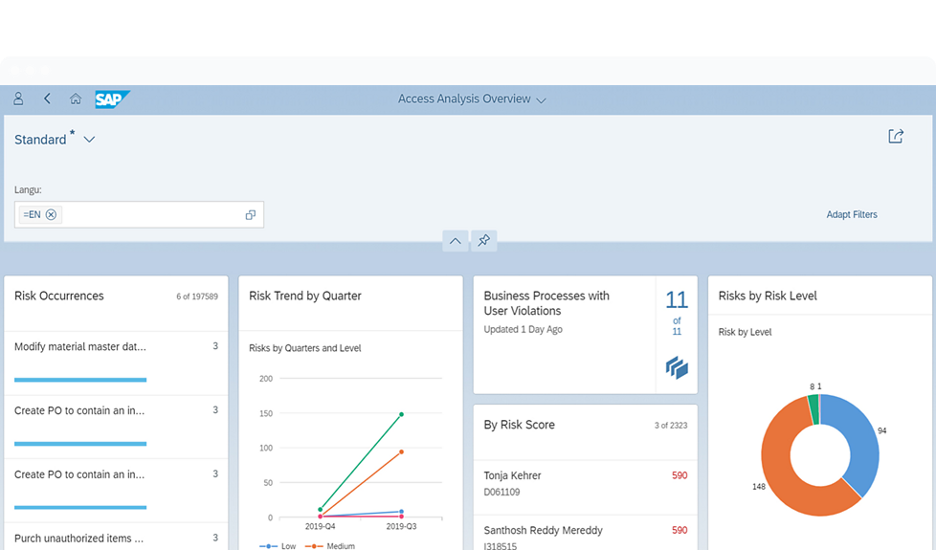
  4. Risk Mitigation: Proactively identifying and mitigating security risks is crucial in today’s threat landscape. SAP Cloud IAG enables continuous monitoring of user activities, anomaly detection, and real-time alerts to address potential security threats before they escalate.

Implementation Best Practices:

To maximise the benefits of SAP Cloud IAG implementation, organisations should follow best practices such as:

  • Define Clear Policies: Establish clear policies for user roles, permissions, and access levels based on job responsibilities.
  • Regular Audits: Conduct regular audits to review user access rights and identify any discrepancies or violations.
  • User Training: Provide comprehensive training to users on security best practices, password management, and data protection guidelines.
  • Continuous Monitoring: Implement tools for continuous monitoring of user activities to detect suspicious behaviour or unauthorised access attempts.

In conclusion, SAP Cloud Identity Access Governance is a critical component of modern IT security strategies. By implementing robust identity management practices with SAP Cloud IAG, organisations can enhance security posture, streamline compliance efforts, and improve overall operational efficiency in an increasingly digital world.


Top 5 Tips for Effective Management of SAP Cloud Identity Access Governance

  1. Define clear access policies and roles within SAP Cloud Identity Access Governance.
  2. Regularly review and update user access rights to ensure compliance with security standards.
  3. Implement segregation of duties to prevent conflicts of interest and reduce risks.
  4. Utilize automated workflows for access requests, approvals, and certifications to streamline processes.
  5. Monitor user activity and access changes for suspicious behaviour or violations.

Define clear access policies and roles within SAP Cloud Identity Access Governance.

Defining clear access policies and roles within SAP Cloud Identity Access Governance is a foundational step towards establishing a secure and well-managed IT environment. By clearly outlining user roles, permissions, and access levels based on job responsibilities, organisations can ensure that users have the appropriate level of access to perform their tasks effectively while minimising the risk of unauthorised access to sensitive data. This proactive approach not only enhances security but also streamlines compliance efforts by aligning user access with regulatory requirements. Clear access policies and roles within SAP Cloud Identity Access Governance lay the groundwork for a robust identity management framework that supports the overall security posture of the organisation.

Regularly review and update user access rights to ensure compliance with security standards.

Regularly reviewing and updating user access rights is a fundamental practice in SAP Cloud Identity Access Governance to maintain compliance with security standards. By conducting periodic audits of user permissions and access levels, organisations can identify and rectify any discrepancies or potential security risks. This proactive approach not only helps in ensuring that users have the necessary access for their roles but also mitigates the risk of unauthorised access to sensitive data. By staying vigilant and responsive to changes in user access requirements, organisations can strengthen their security posture and uphold compliance with industry regulations effectively.

Implement segregation of duties to prevent conflicts of interest and reduce risks.

Implementing segregation of duties within SAP Cloud Identity Access Governance is a crucial step in mitigating risks and ensuring a robust security posture. By defining clear boundaries and assigning specific access privileges based on job roles, organisations can prevent conflicts of interest and reduce the likelihood of fraudulent activities. Segregation of duties helps maintain accountability, transparency, and compliance with regulatory requirements by ensuring that no single user has unchecked control over critical systems or data. This proactive measure enhances overall security resilience and minimises the potential impact of internal threats within the SAP environment.

Utilize automated workflows for access requests, approvals, and certifications to streamline processes.

By utilising automated workflows for access requests, approvals, and certifications within SAP Cloud Identity Access Governance, organisations can streamline their processes effectively. Automation enables the swift handling of access requests, accelerates approval cycles, and ensures timely certifications of user access rights. By automating these tasks, companies can enhance operational efficiency, reduce manual errors, and maintain a more secure and compliant environment. This proactive approach to managing access controls not only saves time and resources but also strengthens overall security measures within the organisation’s SAP ecosystem.

Monitor user activity and access changes for suspicious behaviour or violations.

Monitoring user activity and access changes is a crucial aspect of SAP Cloud Identity Access Governance. By keeping a close eye on user interactions within the system, organisations can proactively detect any suspicious behaviour or violations that may indicate a security threat. Real-time monitoring allows for immediate response to potential risks, ensuring the integrity of sensitive data and maintaining compliance with regulatory requirements. By staying vigilant and promptly addressing any anomalies in user activity, organisations can enhance their overall security posture and mitigate potential threats effectively.

Securing Your Digital Assets: The Power of Cloud Identity Management

The Importance of Cloud Identity Management

The Importance of Cloud Identity Management

In today’s digital age, where businesses are increasingly moving towards cloud-based solutions, the need for robust cloud identity management has never been more critical. Cloud identity management refers to the processes and technologies used to manage and secure digital identities across cloud applications and services.

One of the key benefits of cloud identity management is enhanced security. With employees accessing company resources from various devices and locations, traditional on-premises identity management systems are no longer sufficient. Cloud identity management provides a centralised way to control access to applications and data, ensuring that only authorised users can log in and perform actions.

Scalability is another advantage of cloud identity management. As businesses grow and adopt more cloud services, managing user identities manually becomes increasingly complex. Cloud identity management platforms can scale effortlessly to accommodate new users, applications, and devices without compromising security or efficiency.

Furthermore, cloud identity management promotes productivity by simplifying user access to resources. Single sign-on (SSO) capabilities allow users to log in once and access multiple applications seamlessly, reducing the need to remember multiple passwords. This not only enhances user experience but also minimises the risk of password-related security incidents.

Compliance requirements are also easier to meet with cloud identity management solutions. By enforcing access controls, monitoring user activities, and generating audit reports, businesses can demonstrate compliance with regulations such as GDPR or HIPAA more effectively.

In conclusion, investing in robust cloud identity management is essential for modern businesses looking to secure their digital assets, streamline access control processes, and ensure compliance with regulatory standards. By leveraging the benefits of cloud-based identity solutions, organisations can enhance security posture, improve operational efficiency, and empower their workforce in an increasingly digital world.


Understanding Cloud Identity Management: Key Concepts and FAQs

  1. How to identity management is done in cloud computing?
  2. What is Cloud Identity access management why it is important?
  3. What is IdM vs IAM?
  4. What is a cloud identity platform?
  5. What is cloud identity management?

How to identity management is done in cloud computing?

In cloud computing, identity management is typically achieved through the use of specialised cloud identity management services or platforms. These services allow organisations to centralise user authentication, authorisation, and access control for their cloud-based resources. Users are assigned unique digital identities that grant them specific permissions based on predefined policies. Multi-factor authentication, single sign-on, and role-based access control are common features used to enhance security and streamline user access in cloud environments. By leveraging cloud identity management solutions, businesses can effectively manage user identities across various cloud services while ensuring data security and regulatory compliance.

What is Cloud Identity access management why it is important?

Cloud Identity Access Management (IAM) is a crucial aspect of cloud security that focuses on controlling and managing user access to cloud resources. It involves defining and enforcing policies that determine who has access to what within a cloud environment. Cloud IAM plays a vital role in ensuring that only authorised individuals can log in, access data, and perform actions within cloud applications and services. This is important because it helps prevent unauthorised access, data breaches, and misuse of sensitive information. By implementing robust Cloud IAM practices, organisations can enhance their overall security posture, maintain compliance with regulations, and safeguard their digital assets from potential threats.

What is IdM vs IAM?

In the realm of cloud identity management, a common query revolves around distinguishing between IdM (Identity Management) and IAM (Identity and Access Management). IdM primarily focuses on managing digital identities, encompassing tasks such as user authentication, provisioning, and deprovisioning. On the other hand, IAM extends beyond identity management to include controlling user access to resources based on predefined policies and permissions. While IdM lays the foundation by establishing and maintaining user identities, IAM builds upon this foundation to govern access rights and privileges within an organisation’s IT ecosystem. Understanding the nuances between IdM and IAM is crucial for implementing a comprehensive cloud identity strategy that effectively safeguards data integrity and enhances operational efficiency.

What is a cloud identity platform?

A cloud identity platform is a comprehensive solution designed to manage and secure digital identities across cloud applications and services. It serves as a centralised system for controlling user access to resources in the cloud, offering functionalities such as user authentication, authorisation, and identity governance. By leveraging a cloud identity platform, organisations can streamline their identity management processes, enhance security measures, and ensure compliance with regulatory standards. These platforms often include features like single sign-on (SSO), multi-factor authentication (MFA), and user provisioning to provide a seamless and secure user experience while maintaining control over access privileges.

What is cloud identity management?

Cloud identity management, in the context of cloud computing, refers to the practices and technologies used to securely manage and control user identities within cloud-based applications and services. It involves authenticating users, authorising access to resources, and enforcing security policies across a distributed network of cloud environments. Essentially, cloud identity management ensures that only authorised individuals can access specific data or applications in the cloud, enhancing security, scalability, and user productivity. By centralising identity management processes in the cloud, organisations can streamline access controls, simplify user authentication, and maintain compliance with regulatory requirements more effectively.