How to Check Backlinks of Competitors

How to Check Backlinks of Competitors

Backlinks are a crucial aspect of search engine optimisation (SEO) as they indicate the authority and relevance of a website. Analysing the backlinks of your competitors can provide valuable insights into their SEO strategies and help you improve your own website’s performance. Here are some methods to effectively check the backlinks of your competitors:

Use Online Tools

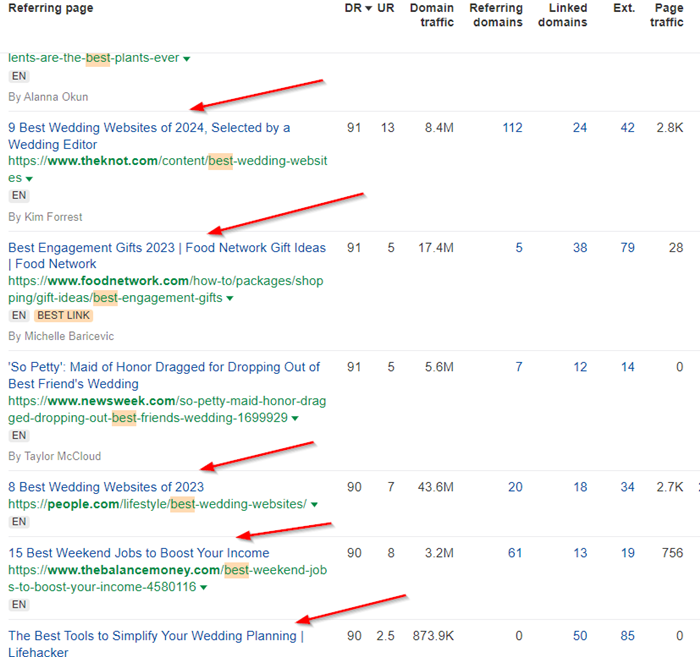
There are various online tools available, such as Ahrefs, SEMrush, and Moz’s Link Explorer, that allow you to input a competitor’s domain and view their backlink profile. These tools provide detailed information on the number of backlinks, referring domains, anchor text used, and the authority of linking websites.

Analyse Anchor Text

Examining the anchor text used in backlinks can give you insights into the keywords your competitors are targeting. By understanding their anchor text strategy, you can identify potential keyword opportunities for your own website and improve your SEO efforts.

Explore Referring Domains

Identifying the domains that link to your competitors’ websites can help you discover new link building opportunities. Look for high-quality websites that are relevant to your industry and consider reaching out to them for potential collaborations or guest posting opportunities.

Monitor Changes Over Time

Regularly monitoring your competitors’ backlink profiles allows you to track any changes in their link building strategies. By staying informed about new backlinks acquired by your competitors, you can adapt your own SEO tactics accordingly and stay competitive in search engine rankings.

By utilising these methods to check the backlinks of your competitors, you can gain valuable insights into their SEO strategies and identify opportunities to enhance your own website’s performance in search engine results pages.


Understanding Competitor Backlinks: Key Questions and Insights for SEO Success

  1. 1. Why is it important to check the backlinks of competitors?
  2. 2. What online tools can I use to analyse the backlinks of my competitors?
  3. 3. How can analysing anchor text in backlinks help improve my SEO strategy?
  4. 4. What insights can I gain by exploring the referring domains of my competitors’ backlinks?
  5. 5. Why is it beneficial to monitor changes in my competitors’ backlink profiles over time?
  6. 6. How can checking the backlinks of competitors help me enhance my website’s performance in search engine rankings?

Understanding the importance of checking the backlinks of competitors is crucial for enhancing your own website’s SEO strategy. By analysing the backlinks of competitors, you gain valuable insights into their link building tactics, which can help you identify new opportunities to improve your own backlink profile. Monitoring competitor backlinks allows you to assess their authority and relevance in search engine rankings, providing a benchmark for your own website’s performance. By staying informed about your competitors’ backlink profiles, you can adapt and refine your SEO efforts to stay competitive and increase visibility in search results.

When seeking to analyse the backlinks of competitors, utilising online tools can provide valuable insights into their SEO strategies. Popular tools such as Ahrefs, SEMrush, and Moz’s Link Explorer offer comprehensive features that allow users to input a competitor’s domain and access detailed information on their backlink profile. These tools provide data on the number of backlinks, referring domains, anchor text usage, and the authority of linking websites. By leveraging these online tools effectively, individuals can gain a deeper understanding of their competitors’ backlink strategies and identify opportunities to enhance their own website’s SEO performance.

Analysing the anchor text used in backlinks can significantly enhance your SEO strategy by providing valuable insights into the keywords that are associated with your website. By examining the anchor text of your competitors’ backlinks, you can identify popular keywords and phrases that are relevant to your industry. This analysis helps you understand which keywords are driving traffic to your competitors’ sites and enables you to incorporate similar keywords into your own content. By optimising your anchor text with relevant keywords, you can improve the visibility of your website in search engine results pages and attract more organic traffic. Additionally, a strategic approach to anchor text can enhance the overall relevance and authority of your website, ultimately contributing to a stronger SEO performance.

Exploring the referring domains of your competitors’ backlinks can provide valuable insights into their link building strategies and overall SEO approach. By analysing the websites that are linking to your competitors, you can identify potential opportunities for building relationships with high-quality sites in your industry. Understanding which domains are endorsing your competitors’ content can help you assess the authority and relevance of those websites within your niche. Additionally, exploring referring domains can reveal new potential sources for backlinks, guiding your own link building efforts and enhancing your website’s visibility and credibility in search engine results.

Monitoring changes in your competitors’ backlink profiles over time is highly beneficial for staying competitive in the ever-evolving landscape of search engine optimisation (SEO). By tracking the fluctuations in their backlink strategies, you can gain valuable insights into their SEO tactics and adapt your own approach accordingly. Understanding when and where your competitors are acquiring new backlinks allows you to identify emerging trends, assess the effectiveness of different link building techniques, and seize opportunities to enhance your own website’s authority and visibility in search engine rankings. Regularly monitoring these changes empowers you to stay ahead of the competition and continuously refine your SEO efforts for optimal performance.

Analysing the backlinks of competitors can significantly benefit your website’s performance in search engine rankings. By examining the backlink profiles of competitors, you can gain valuable insights into their link building strategies and identify potential opportunities to improve your own SEO efforts. Understanding the types of websites that link to your competitors and the anchor text they use can help you refine your own backlink strategy, target relevant keywords, and build relationships with high-quality websites for link-building collaborations. Monitoring changes in your competitors’ backlink profiles over time allows you to adapt and stay competitive in search engine results pages, ultimately enhancing your website’s authority, relevance, and visibility online.

Hosted Identity Management as a Service

The Benefits of Hosted Identity Management as a Service

In today’s digital age, businesses are increasingly relying on cloud-based solutions to streamline their operations and enhance security. One such service that has gained popularity is Hosted Identity Management as a Service (IDaaS). This innovative approach to identity management offers a range of benefits for organisations looking to improve their security posture and user experience.

Enhanced Security

Hosted IDaaS provides robust security features that help protect sensitive data and prevent unauthorised access. By centralising identity management in the cloud, organisations can implement multi-factor authentication, role-based access controls, and automated provisioning/deprovisioning processes. This not only strengthens security but also ensures compliance with industry regulations.

Scalability and Flexibility

With Hosted IDaaS, businesses can easily scale their identity management capabilities based on their needs. Whether expanding operations or adding new users, the service offers flexibility to adapt to changing requirements without the need for significant infrastructure investments. This scalability allows organisations to focus on growth without worrying about resource constraints.

Improved User Experience

Hosted IDaaS simplifies user authentication and access management, leading to a seamless experience for employees and customers. Single sign-on capabilities reduce the need for multiple passwords, while self-service portals empower users to manage their own accounts efficiently. This improved user experience enhances productivity and satisfaction across the organisation.

Cost-Efficiency

By opting for Hosted IDaaS, businesses can benefit from cost savings associated with reduced maintenance and infrastructure expenses. The service eliminates the need for on-premises hardware and software maintenance, allowing organisations to allocate resources more effectively. Additionally, pay-as-you-go pricing models ensure that businesses only pay for the services they use.

Conclusion

Hosted Identity Management as a Service offers a comprehensive solution for organisations seeking enhanced security, scalability, user experience, and cost-efficiency. By leveraging cloud-based identity management services, businesses can stay ahead of evolving cyber threats while optimising their operations for success in the digital era.


Top 6 Tips for Choosing a Hosted Identity Management Service

  1. Consider the scalability of the hosted identity management service to ensure it can accommodate your growth.
  2. Evaluate the security measures in place, such as encryption protocols and access controls, to protect sensitive data.
  3. Look for a service provider that offers seamless integration with your existing systems and applications.
  4. Regularly review and update user access permissions to prevent unauthorized access to resources.
  5. Ensure the service provider complies with relevant regulations and standards to maintain data privacy and security.
  6. Provide adequate training for users on how to use the hosted identity management service effectively.

Consider the scalability of the hosted identity management service to ensure it can accommodate your growth.

When exploring hosted identity management as a service, it is crucial to consider the scalability of the solution to align with your business’s growth trajectory. Ensuring that the hosted identity management service can accommodate your expanding needs and user base is essential for seamless operations and cost-effective scalability. By choosing a service that can easily scale alongside your organisation, you can future-proof your identity management strategy and avoid potential disruptions as your business evolves.

Evaluate the security measures in place, such as encryption protocols and access controls, to protect sensitive data.

When considering Hosted Identity Management as a Service, it is crucial to evaluate the security measures implemented to safeguard sensitive data effectively. This includes assessing the encryption protocols and access controls put in place to prevent unauthorised access and data breaches. By ensuring robust security measures are in place, organisations can trust that their valuable information is protected against potential threats, maintaining confidentiality and integrity within their identity management system.

Look for a service provider that offers seamless integration with your existing systems and applications.

When considering Hosted Identity Management as a Service, it is crucial to seek a service provider that ensures seamless integration with your current systems and applications. By selecting a provider that offers compatibility with your existing infrastructure, you can streamline the implementation process and minimise disruptions to your operations. Seamless integration facilitates a smooth transition to the new identity management solution, enabling efficient collaboration between different platforms and enhancing overall system performance.

Regularly review and update user access permissions to prevent unauthorized access to resources.

Regularly reviewing and updating user access permissions is a crucial aspect of maintaining robust security in hosted identity management as a service. By conducting periodic audits of user access rights, organisations can identify and rectify any discrepancies or outdated permissions that may lead to unauthorised access to resources. This proactive approach not only helps prevent security breaches but also ensures that users have the appropriate level of access needed to perform their tasks efficiently. By staying vigilant and responsive to changes in user roles or responsibilities, businesses can mitigate risks and uphold the integrity of their digital assets effectively.

Ensure the service provider complies with relevant regulations and standards to maintain data privacy and security.

When opting for Hosted Identity Management as a Service, it is crucial to ensure that the chosen service provider adheres to pertinent regulations and standards to uphold data privacy and security. By confirming compliance with industry-specific guidelines and best practices, organisations can trust that their sensitive information is safeguarded against potential threats and breaches. Prioritising data protection measures within the framework of established regulations not only enhances security but also instils confidence in the reliability of the hosted identity management service, ultimately contributing to a robust and compliant operational environment.

Provide adequate training for users on how to use the hosted identity management service effectively.

To maximise the benefits of hosted identity management as a service, it is crucial to provide adequate training for users on how to utilise the platform effectively. By offering comprehensive training sessions, organisations can ensure that employees understand how to navigate the system, set up their accounts securely, and make the most of the available features. Proper training not only enhances user proficiency but also minimises the risk of errors and security breaches, ultimately contributing to a more secure and efficient identity management process.

Hospital Compliance Software

The Importance of Hospital Compliance Software in Ensuring Regulatory Adherence

In the fast-paced and highly regulated environment of healthcare, ensuring compliance with various laws, regulations, and standards is paramount to the success and reputation of hospitals. Hospital compliance software plays a crucial role in helping healthcare institutions navigate this complex landscape and meet their obligations effectively.

Streamlining Compliance Processes

One of the key benefits of hospital compliance software is its ability to streamline and automate compliance processes. With features such as automated alerts, task assignments, and document management capabilities, this software enables hospitals to centralise their compliance efforts and ensure that all necessary steps are taken to adhere to regulatory requirements.

Real-Time Monitoring and Reporting

Hospital compliance software provides real-time monitoring of various compliance metrics, allowing healthcare administrators to track performance indicators, identify potential risks or non-compliance issues, and take corrective actions promptly. The software also generates detailed reports that can be used for audits, assessments, and decision-making processes.

Enhancing Data Security and Privacy

With the increasing emphasis on data security and patient privacy in healthcare, hospital compliance software includes robust features to safeguard sensitive information. Encryption capabilities, access controls, audit trails, and data breach detection tools are integrated into the software to protect confidential data from unauthorised access or breaches.

Ensuring Regulatory Adherence

By providing hospitals with a comprehensive framework for managing regulatory requirements, hospital compliance software helps ensure adherence to laws such as HIPAA (Health Insurance Portability and Accountability Act), GDPR (General Data Protection Regulation), HITECH (Health Information Technology for Economic and Clinical Health Act), among others. This proactive approach minimises the risk of penalties or sanctions due to non-compliance.

Improving Overall Quality of Care

Ultimately, hospital compliance software contributes to improving the overall quality of care delivered by healthcare providers. By maintaining high standards of regulatory compliance, hospitals can focus on delivering safe, effective, and patient-centred care without compromising on legal or ethical requirements.

In conclusion, hospital compliance software is a vital tool for modern healthcare institutions seeking to navigate the intricate web of regulations governing their operations. By investing in robust software solutions tailored to their specific needs, hospitals can proactively manage compliance risks while enhancing efficiency and patient outcomes.


Enhancing Healthcare Efficiency: The Top 5 Benefits of Hospital Compliance Software

  1. Streamlines and automates compliance processes for efficient regulatory adherence.
  2. Provides real-time monitoring and reporting capabilities to track performance indicators.
  3. Enhances data security and privacy measures to protect sensitive patient information.
  4. Ensures adherence to complex healthcare regulations such as HIPAA and GDPR.
  5. Improves overall quality of care by maintaining high standards of compliance.


Challenges of Hospital Compliance Software: Implementation, Costs, Training, and Integration

  1. Complex Implementation Process
  2. Costly Maintenance and Upgrades
  3. Training and User Adoption Challenges
  4. Integration Issues with Existing Systems

Streamlines and automates compliance processes for efficient regulatory adherence.

Hospital compliance software offers a significant advantage by streamlining and automating compliance processes to ensure efficient regulatory adherence. By centralising tasks, sending automated alerts, and facilitating seamless task assignments, this software simplifies the complex web of regulatory requirements that hospitals must navigate. This streamlined approach not only saves time and resources but also minimises the risk of oversight or non-compliance, enabling healthcare institutions to focus on delivering high-quality care while maintaining strict adherence to regulations.

Provides real-time monitoring and reporting capabilities to track performance indicators.

Hospital compliance software offers invaluable real-time monitoring and reporting capabilities that enable healthcare institutions to track performance indicators with precision and immediacy. By providing up-to-the-minute insights into key metrics, such as adherence to regulatory standards and operational efficiency, this feature empowers hospitals to make informed decisions promptly and proactively address any compliance issues that may arise. With the ability to monitor performance in real-time, hospital staff can swiftly identify areas for improvement, mitigate risks, and ensure ongoing compliance with regulatory requirements, ultimately enhancing the overall quality of care provided to patients.

Enhances data security and privacy measures to protect sensitive patient information.

Hospital compliance software plays a crucial role in enhancing data security and privacy measures to safeguard sensitive patient information. By incorporating robust encryption capabilities, access controls, audit trails, and data breach detection tools, this software ensures that confidential data remains protected from unauthorised access or breaches. With the increasing focus on data security and patient privacy in healthcare, the implementation of hospital compliance software provides healthcare institutions with the necessary tools to uphold the highest standards of confidentiality and compliance with regulatory requirements.

Ensures adherence to complex healthcare regulations such as HIPAA and GDPR.

Hospital compliance software plays a crucial role in ensuring adherence to complex healthcare regulations such as HIPAA and GDPR. By providing a structured framework for managing regulatory requirements, this software helps healthcare institutions navigate the intricate legal landscape with ease. Features like automated alerts, data encryption, and audit trails enable hospitals to proactively address compliance challenges and mitigate risks of non-compliance. With hospital compliance software in place, organisations can confidently safeguard patient data privacy and maintain regulatory standards in line with laws like HIPAA and GDPR, thus fostering trust and accountability within the healthcare industry.

Improves overall quality of care by maintaining high standards of compliance.

By maintaining high standards of compliance, hospital compliance software significantly enhances the overall quality of care provided by healthcare institutions. Ensuring adherence to regulatory requirements not only promotes patient safety and well-being but also fosters a culture of excellence in healthcare delivery. By proactively managing compliance risks through the use of advanced software solutions, hospitals can focus on delivering effective, patient-centred care without compromising on legal or ethical standards. This commitment to maintaining a high level of compliance ultimately translates into improved patient outcomes and a more efficient healthcare system.

Complex Implementation Process

Hospital compliance software poses a notable challenge due to its complex implementation process, which demands considerable time and resources from healthcare institutions. This intricate setup phase can potentially disrupt the daily operations of hospitals, causing delays and adjustments in workflow. The need for extensive training, data migration, and system integration adds to the complexity, making it a cumbersome task for staff members to adapt to the new software seamlessly. Despite the long-term benefits of enhanced compliance management, the initial hurdles of implementing hospital compliance software can present a barrier to its adoption within healthcare settings.

Costly Maintenance and Upgrades

The costly maintenance and upgrades associated with hospital compliance software present a significant challenge for healthcare institutions. The ongoing expenses and fees for software upkeep can place a strain on the financial resources of hospitals, particularly those operating within constrained budgets. This financial burden may limit the ability of hospitals to invest in other critical areas of patient care or infrastructure development, potentially impacting overall operational efficiency and resource allocation within the healthcare setting.

Training and User Adoption Challenges

Training and user adoption challenges present a significant con of hospital compliance software implementation. Staff members within healthcare institutions may encounter difficulties in grasping the intricacies of the new software, leading to resistance towards its adoption. This lack of familiarity can hinder the efficient utilisation of the software, potentially impacting workflow productivity and compliance efforts. Overcoming these training hurdles and promoting user acceptance are crucial steps in maximising the benefits of hospital compliance software and ensuring its successful integration into daily operations.

Integration Issues with Existing Systems

Integration issues with existing systems pose a significant challenge for hospital compliance software implementation. Compatibility issues with legacy systems or other software already in use by hospitals can disrupt the seamless integration of new compliance software into the workflow. These challenges may lead to data inconsistencies, workflow disruptions, and inefficiencies in managing compliance tasks. Overcoming these integration hurdles requires careful planning, thorough system assessments, and possibly customised solutions to ensure the smooth transition and effective operation of hospital compliance software within the existing infrastructure.

The Importance of HID Identity and Access Management

In today’s digital age, where data breaches and cyber threats are on the rise, ensuring the security of your organisation’s sensitive information is paramount. One crucial aspect of safeguarding your data is implementing robust identity and access management (IAM) solutions. HID Global, a leading provider of secure identity solutions, offers advanced IAM technologies that help organisations protect their assets and mitigate security risks.

What is HID Identity and Access Management?

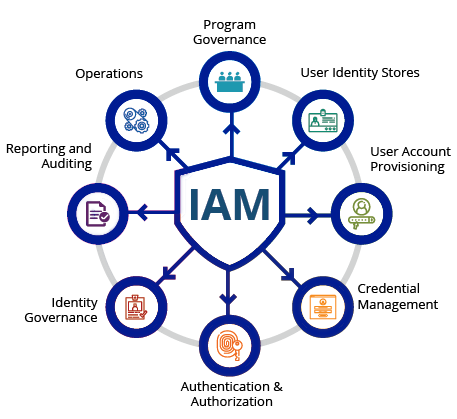
HID IAM solutions encompass a range of tools and technologies that enable organisations to manage user identities, control access to systems and resources, and ensure compliance with security policies. By centralising the management of user identities and access rights, HID IAM solutions help prevent unauthorised access to sensitive data and reduce the risk of insider threats.

The Benefits of HID IAM Solutions

Implementing HID IAM solutions offers numerous benefits to organisations, including:

  • Enhanced Security: By enforcing strong authentication measures and access controls, HID IAM solutions help protect against unauthorised access and data breaches.
  • Improved Compliance: HID IAM solutions assist organisations in meeting regulatory requirements by providing detailed audit trails and ensuring adherence to security policies.
  • Increased Efficiency: Centralised identity management streamlines user provisioning and deprovisioning processes, reducing administrative overhead and enhancing operational efficiency.
  • User Convenience: With single sign-on capabilities and self-service options, HID IAM solutions make it easier for users to access the resources they need securely.

HID Global’s Approach to Identity and Access Management

HID Global offers a comprehensive suite of IAM solutions tailored to meet the unique security needs of modern organisations. From multi-factor authentication tools to identity governance platforms, HID Global provides cutting-edge technologies that empower organisations to secure their digital assets effectively.

The Future of Identity and Access Management

As cyber threats continue to evolve, the importance of robust identity and access management practices will only grow. Organisations that invest in advanced IAM solutions such as those offered by HID Global can stay ahead of emerging threats and protect their critical information assets effectively.

In conclusion, implementing HID Identity and Access Management solutions is essential for safeguarding your organisation’s data, ensuring compliance with regulations, and mitigating security risks. By partnering with a trusted provider like HID Global, you can take proactive steps towards enhancing your cybersecurity posture in an increasingly digital world.


Understanding HID Identity and Access Management: Key FAQs for Organisations

  1. What is HID Identity and Access Management?
  2. Why is HID Identity and Access Management important for organisations?
  3. How does HID Identity and Access Management enhance cybersecurity?
  4. What are the key features of HID IAM solutions?
  5. Can HID IAM solutions help with regulatory compliance?
  6. How does HID Global approach identity governance in IAM?
  7. What are the benefits of implementing HID multi-factor authentication?
  8. How can organisations streamline user access management with HID IAM solutions?

What is HID Identity and Access Management?

HID Identity and Access Management (IAM) refers to a comprehensive set of tools and technologies designed to manage user identities, control access to systems and resources, and enforce security policies within an organisation. HID IAM solutions play a crucial role in safeguarding sensitive data by centralising the management of user identities, implementing strong authentication measures, and ensuring compliance with regulatory requirements. By providing a secure framework for managing user access rights and permissions, HID IAM solutions help prevent unauthorised access to critical information assets and mitigate the risk of insider threats. In essence, HID IAM is a vital component of modern cybersecurity strategies aimed at protecting organisational data from evolving cyber threats.

Why is HID Identity and Access Management important for organisations?

HID Identity and Access Management is crucial for organisations due to its pivotal role in enhancing cybersecurity measures and safeguarding sensitive data. By implementing HID IAM solutions, organisations can effectively manage user identities, control access to critical systems and resources, and enforce security policies. This not only helps prevent unauthorised access and data breaches but also ensures compliance with regulatory requirements. HID IAM solutions streamline identity management processes, improve operational efficiency, and provide a robust defence against evolving cyber threats. In today’s digital landscape, where data security is paramount, investing in HID Identity and Access Management is essential for organisations looking to protect their assets and maintain a strong security posture.

How does HID Identity and Access Management enhance cybersecurity?

HID Identity and Access Management plays a crucial role in enhancing cybersecurity by providing organisations with robust tools and technologies to safeguard their digital assets. By centralising the management of user identities, enforcing strong authentication measures, and controlling access to systems and resources, HID IAM solutions help prevent unauthorised access and reduce the risk of data breaches. Additionally, HID IAM solutions offer detailed audit trails, compliance monitoring capabilities, and streamlined user provisioning processes, all of which contribute to a more secure and resilient cybersecurity posture. By leveraging HID Identity and Access Management solutions, organisations can proactively mitigate security risks, ensure regulatory compliance, and protect their critical information assets in an increasingly interconnected digital landscape.

What are the key features of HID IAM solutions?

When exploring HID Identity and Access Management solutions, it is essential to understand the key features that set them apart. HID IAM solutions offer a range of advanced features, including robust multi-factor authentication capabilities, centralised identity management for streamlined user provisioning and deprovisioning, comprehensive access controls to enforce security policies, detailed audit trails for compliance monitoring, and user-friendly self-service options for enhanced convenience. These key features work together to provide organisations with a secure and efficient IAM solution that helps protect sensitive data, mitigate security risks, and ensure regulatory compliance.

Can HID IAM solutions help with regulatory compliance?

HID Identity and Access Management (IAM) solutions play a crucial role in helping organisations achieve regulatory compliance. By providing robust identity management, access control, and audit capabilities, HID IAM solutions enable organisations to enforce security policies, track user activities, and generate detailed reports for compliance purposes. With features such as multi-factor authentication and identity governance, HID IAM solutions assist organisations in meeting regulatory requirements effectively. By implementing HID IAM solutions, organisations can enhance their security posture, demonstrate compliance with regulations, and mitigate the risk of data breaches.

How does HID Global approach identity governance in IAM?

HID Global adopts a comprehensive approach to identity governance within its Identity and Access Management (IAM) solutions. By focusing on identity governance, HID Global ensures that organisations have the necessary tools and processes to manage user identities effectively, control access permissions, and enforce security policies. Through robust identity governance features such as role-based access control, segregation of duties, and automated provisioning workflows, HID Global empowers organisations to maintain a secure and compliant environment. By providing visibility into user access rights and activities, HID Global’s identity governance capabilities enable organisations to mitigate risks, enhance operational efficiency, and meet regulatory requirements effectively within their IAM framework.

What are the benefits of implementing HID multi-factor authentication?

Implementing HID multi-factor authentication offers a range of benefits that enhance the security posture of organisations. By requiring users to provide multiple forms of verification, such as passwords, biometrics, or smart cards, HID multi-factor authentication significantly strengthens access controls and mitigates the risk of unauthorised access. This added layer of security not only safeguards sensitive data and resources but also helps organisations comply with regulatory requirements. Additionally, HID multi-factor authentication enhances user convenience by providing secure access to systems and applications while minimising the burden of remembering complex passwords. Overall, the implementation of HID multi-factor authentication is a proactive step towards bolstering cybersecurity defences and protecting critical assets from evolving threats.

How can organisations streamline user access management with HID IAM solutions?

Organisations can streamline user access management with HID IAM solutions by leveraging the centralised identity management capabilities offered by HID Global. By consolidating user identities and access rights into a single platform, organisations can simplify the process of provisioning and deprovisioning user accounts, ensuring that access privileges are granted and revoked efficiently. Additionally, HID IAM solutions provide tools for enforcing strong authentication measures, such as multi-factor authentication, to enhance security while offering user-friendly features like single sign-on for a seamless access experience. With HID IAM solutions, organisations can achieve greater operational efficiency, improved security posture, and enhanced control over user access management processes.

Enhancing Healthcare Quality and Compliance with Software Solutions

Enhancing Healthcare Quality and Compliance with Software Solutions

In the ever-evolving landscape of healthcare, quality of care and regulatory compliance are paramount. Healthcare providers face increasing pressure to deliver high-quality services while adhering to stringent industry regulations. This is where healthcare quality and compliance software plays a crucial role in ensuring that organisations meet these standards effectively.

Improving Patient Care

Healthcare quality software enables providers to streamline processes, track outcomes, and monitor performance indicators to enhance patient care. By leveraging data analytics and reporting tools, healthcare professionals can identify areas for improvement, implement best practices, and ultimately deliver better outcomes for patients.

Ensuring Regulatory Compliance

Compliance software helps healthcare organisations navigate the complex web of regulations governing the industry. From data security measures to billing practices, compliance solutions ensure that providers adhere to legal requirements and industry standards. By automating compliance processes and providing real-time monitoring capabilities, software solutions help mitigate risks and avoid costly penalties.

Streamlining Operations

Healthcare quality and compliance software also play a vital role in streamlining operations within healthcare facilities. By centralising data management, automating workflows, and facilitating communication between departments, these solutions improve efficiency and reduce administrative burden. This allows healthcare professionals to focus more on patient care rather than paperwork.

The Future of Healthcare Software

As technology continues to advance, the future of healthcare quality and compliance software looks promising. With features such as artificial intelligence, predictive analytics, and interoperability becoming more prevalent, providers can expect even greater insights into patient care delivery and regulatory adherence. By embracing these innovative solutions, healthcare organisations can stay ahead of the curve in an increasingly complex industry.

In conclusion, healthcare quality and compliance software are essential tools for modern healthcare providers looking to improve patient outcomes, maintain regulatory compliance, and streamline operations. By investing in these solutions, organisations can enhance the overall quality of care they provide while ensuring they meet the highest standards of excellence in a rapidly changing healthcare landscape.


Understanding Healthcare Quality and Compliance Software: Key Features, Benefits, and Future Trends

  1. What is healthcare quality and compliance software?
  2. How does healthcare quality software improve patient care?
  3. What are the key features of compliance software in healthcare?
  4. How can healthcare organisations benefit from using quality and compliance software?
  5. What regulations does healthcare compliance software help organisations adhere to?
  6. Is healthcare quality and compliance software customizable to suit different organisational needs?
  7. How does healthcare quality and compliance software streamline operations within a facility?
  8. What are the future trends in healthcare quality and compliance software development?
  9. Are there any case studies or success stories showcasing the impact of using these software solutions in healthcare?

What is healthcare quality and compliance software?

Healthcare quality and compliance software is a specialised tool designed to assist healthcare providers in maintaining high standards of care delivery while ensuring adherence to regulatory requirements. This software encompasses a range of features aimed at improving patient outcomes, streamlining operations, and mitigating risks associated with non-compliance. By leveraging data analytics, reporting capabilities, and automated processes, healthcare quality and compliance software empowers organisations to monitor performance metrics, identify areas for improvement, and stay abreast of industry regulations. Ultimately, this technology serves as a comprehensive solution to help healthcare providers deliver superior care while meeting the complex demands of regulatory compliance in the healthcare sector.

How does healthcare quality software improve patient care?

Healthcare quality software plays a crucial role in enhancing patient care by enabling healthcare providers to streamline processes, track outcomes, and monitor performance indicators effectively. By leveraging advanced data analytics and reporting tools, healthcare professionals can identify areas for improvement, implement best practices, and ultimately deliver better outcomes for patients. This software empowers providers to proactively address issues, optimise treatment plans, and ensure that patients receive high-quality care tailored to their specific needs. Additionally, by facilitating comprehensive data analysis and performance monitoring, healthcare quality software enables healthcare teams to make informed decisions that result in improved patient experiences and overall health outcomes.

What are the key features of compliance software in healthcare?

When it comes to compliance software in healthcare, key features play a vital role in ensuring that organisations meet regulatory requirements and industry standards effectively. These features typically include robust data security measures to protect sensitive patient information, automated monitoring and auditing capabilities to track compliance in real-time, comprehensive reporting tools to demonstrate adherence to regulations, and integration with existing systems for seamless workflow management. By incorporating these key features, compliance software empowers healthcare providers to navigate the complex regulatory landscape with confidence and efficiency.

How can healthcare organisations benefit from using quality and compliance software?

Healthcare organisations can benefit significantly from using quality and compliance software in various ways. These software solutions provide a streamlined approach to monitoring and improving patient care quality by enabling healthcare professionals to track outcomes, identify areas for enhancement, and implement best practices. Moreover, compliance software ensures that organisations adhere to regulatory requirements, reducing the risk of penalties and enhancing data security measures. By centralising data management, automating workflows, and facilitating communication between departments, these software tools streamline operations, allowing healthcare professionals to focus more on delivering high-quality care to patients efficiently.

What regulations does healthcare compliance software help organisations adhere to?

Healthcare compliance software plays a vital role in helping organisations adhere to a multitude of regulations governing the healthcare industry. These regulations encompass a wide range of areas, including data security (such as GDPR and HIPAA), billing and coding practices (such as ICD-10 and CPT coding guidelines), patient safety standards (including NHS Patient Safety Strategy), and regulatory requirements specific to healthcare facilities (such as Care Quality Commission regulations in the UK). By leveraging healthcare compliance software, organisations can ensure they meet these regulatory standards, mitigate risks, and maintain the highest levels of quality and compliance in their operations.

Is healthcare quality and compliance software customizable to suit different organisational needs?

Healthcare quality and compliance software is often designed to be highly customizable to accommodate the diverse needs of various healthcare organisations. These software solutions typically offer configurable options that allow users to tailor the system to their specific requirements, whether it be related to workflow processes, reporting metrics, or regulatory standards. By providing flexibility in customisation, healthcare quality and compliance software can effectively adapt to the unique challenges and priorities of different organisations, ensuring that they can meet their quality and compliance goals efficiently and effectively.

How does healthcare quality and compliance software streamline operations within a facility?

Healthcare quality and compliance software streamline operations within a facility by centralising data management, automating workflows, and facilitating seamless communication between different departments. By consolidating critical information into a single platform, staff can access relevant data quickly and efficiently, reducing the time spent on manual tasks. Automated workflows help standardise processes, ensuring consistency in operations and minimising errors. Furthermore, improved communication tools enable real-time collaboration among healthcare professionals, enhancing coordination and decision-making. Overall, this software optimises efficiency, enhances productivity, and ultimately allows healthcare providers to focus more on delivering high-quality care to patients.

The future trends in healthcare quality and compliance software development are poised to revolutionise the industry. Advancements in technology, such as artificial intelligence, machine learning, and predictive analytics, are expected to play a significant role in enhancing the capabilities of these software solutions. With a focus on interoperability and data integration, future developments will enable seamless communication between different systems and stakeholders, leading to more comprehensive insights into patient care delivery and regulatory compliance. As healthcare providers strive for greater efficiency and effectiveness in their operations, the evolution of healthcare quality and compliance software will continue to drive innovation and improve outcomes across the industry.

Are there any case studies or success stories showcasing the impact of using these software solutions in healthcare?

Many healthcare organisations have documented compelling case studies and success stories highlighting the transformative impact of implementing quality and compliance software solutions in their operations. These real-world examples demonstrate how such software has improved patient outcomes, streamlined processes, ensured regulatory adherence, and enhanced overall quality of care delivery. By showcasing measurable results and tangible benefits, these case studies serve as valuable resources for other healthcare providers considering the adoption of similar software solutions to elevate their standards of care and operational efficiency.

Article: Healthcare Identity Management

The Importance of Healthcare Identity Management

In the rapidly evolving landscape of healthcare, the management of identities and access rights plays a crucial role in ensuring data security, patient privacy, and regulatory compliance. Healthcare identity management refers to the processes and technologies used to securely authenticate and authorise individuals accessing sensitive information within healthcare organisations.

Challenges in Healthcare Identity Management

Healthcare providers face unique challenges when it comes to identity management. The industry handles vast amounts of sensitive data, including patient records, medical histories, and financial information. Ensuring that only authorised personnel have access to this data is essential for maintaining patient trust and meeting regulatory requirements.

Additionally, healthcare organisations often operate in complex environments with multiple systems and applications that require different levels of access control. Managing user identities across these disparate systems while ensuring seamless access for healthcare professionals is a significant challenge.

The Role of Technology in Healthcare Identity Management

Advancements in technology have revolutionised healthcare identity management practices. Biometric authentication, two-factor authentication, and single sign-on solutions are increasingly being adopted to enhance security and streamline access control processes.

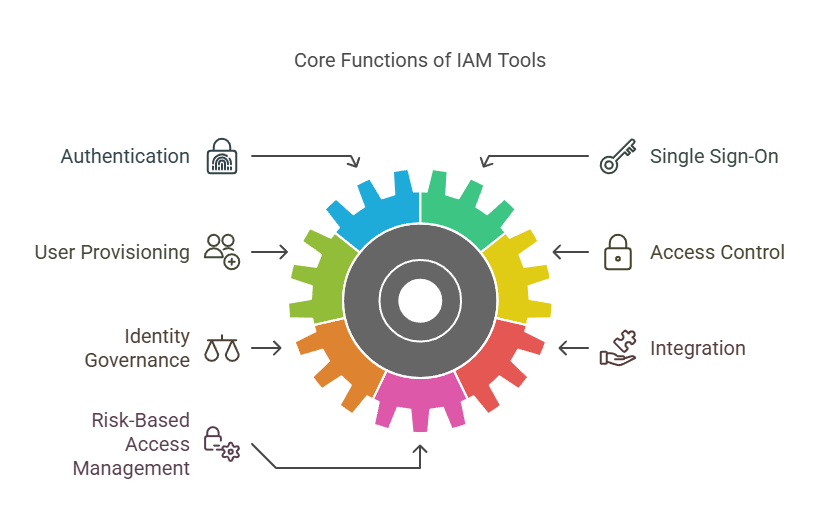
Identity and access management (IAM) platforms provide centralised control over user identities, permissions, and credentials. These platforms enable healthcare organisations to enforce security policies consistently across all systems and applications while simplifying user provisioning and deprovisioning processes.

Benefits of Effective Healthcare Identity Management

Implementing robust identity management practices in healthcare offers several benefits:

  • Data Security: Protecting patient data from unauthorised access or breaches.
  • Patient Privacy: Ensuring that sensitive information is only accessed by authorised individuals.
  • Regulatory Compliance: Meeting requirements set forth by regulations such as HIPAA (Health Insurance Portability and Accountability Act).
  • Operational Efficiency: Streamlining user access processes to improve productivity and reduce administrative burden.

The Future of Healthcare Identity Management

As the healthcare industry continues to digitise its operations, the need for robust identity management solutions will only grow. Emerging technologies such as blockchain offer new possibilities for secure patient identity verification and data sharing across healthcare ecosystems.

By investing in advanced identity management technologies and best practices, healthcare organisations can strengthen their security posture, enhance patient trust, and ensure compliance with evolving regulatory requirements in an increasingly interconnected world.


Nine Essential Tips for Effective Healthcare Identity Management

  1. Implement strong authentication measures to ensure only authorised personnel access patient information.
  2. Regularly update and review user access privileges to prevent unauthorised data breaches.
  3. Train staff on the importance of safeguarding patient identities and data privacy.
  4. Utilise encryption techniques to protect sensitive healthcare data during transmission and storage.
  5. Implement strict protocols for verifying patient identities before disclosing any medical information.
  6. Regularly audit and monitor access logs to detect any suspicious activities or breaches in identity management.
  7. Ensure compliance with data protection regulations such as GDPR for handling patient information securely.
  8. Consider implementing biometric authentication methods for enhanced security in healthcare identity management.
  9. Collaborate with IT security experts to stay updated on the latest trends and threats in healthcare identity management.

Implement strong authentication measures to ensure only authorised personnel access patient information.

To enhance healthcare identity management, it is crucial to implement robust authentication measures that verify the identity of individuals accessing patient information. By utilising strong authentication methods such as biometric verification or two-factor authentication, healthcare organisations can significantly reduce the risk of unauthorised access and protect patient privacy. These measures ensure that only authorised personnel with legitimate credentials can access sensitive data, thereby bolstering security and compliance within the healthcare environment.

Regularly update and review user access privileges to prevent unauthorised data breaches.

Regularly updating and reviewing user access privileges is a critical tip in healthcare identity management to mitigate the risk of unauthorised data breaches. By conducting periodic audits of user permissions and access levels, healthcare organisations can ensure that only authorised personnel have the necessary privileges to access sensitive patient information. This proactive approach not only helps in preventing potential security incidents but also reinforces data security measures, aligning with regulatory requirements and safeguarding patient privacy.

Train staff on the importance of safeguarding patient identities and data privacy.

It is essential to train healthcare staff on the critical importance of safeguarding patient identities and data privacy in healthcare identity management. By educating employees on the significance of protecting sensitive information, such as patient records and personal data, organisations can mitigate the risk of data breaches and uphold patient trust. Staff awareness and adherence to data privacy protocols are key components in maintaining a secure healthcare environment and complying with regulatory requirements to ensure the confidentiality and integrity of patient information.

Utilise encryption techniques to protect sensitive healthcare data during transmission and storage.

To enhance the security of sensitive healthcare data, it is essential to implement encryption techniques both during transmission and storage. Encryption serves as a vital safeguard by encoding data in a way that only authorised parties with the decryption key can access it. By utilising encryption methods, healthcare organisations can mitigate the risk of data breaches and unauthorised access, ensuring that patient information remains protected against potential threats throughout its lifecycle.

Implement strict protocols for verifying patient identities before disclosing any medical information.

To enhance healthcare identity management, it is crucial to implement strict protocols for verifying patient identities before disclosing any medical information. By establishing rigorous procedures to confirm the identity of individuals seeking access to sensitive healthcare data, organisations can mitigate the risk of unauthorised disclosure and protect patient privacy. Verifying patient identities through reliable methods such as biometric authentication or government-issued identification not only ensures compliance with data protection regulations but also fosters trust between healthcare providers and patients. This proactive approach to identity verification is essential in safeguarding confidential medical information and upholding the integrity of healthcare systems.

Regularly audit and monitor access logs to detect any suspicious activities or breaches in identity management.

Regularly auditing and monitoring access logs is a critical tip in healthcare identity management. By reviewing access logs consistently, healthcare organisations can proactively detect any suspicious activities or potential breaches in identity management. Monitoring access logs allows for the timely identification of unauthorized access attempts, unusual login patterns, or any anomalies that may indicate a security threat. By staying vigilant and responsive to the insights provided by access log audits, healthcare providers can strengthen their security measures and protect patient data effectively.

Ensure compliance with data protection regulations such as GDPR for handling patient information securely.

It is essential for healthcare organisations to ensure compliance with data protection regulations, such as GDPR (General Data Protection Regulation), when handling patient information securely. Adhering to GDPR guidelines not only safeguards patient data from unauthorised access and breaches but also demonstrates a commitment to respecting patient privacy rights. By implementing robust data protection measures and maintaining compliance with regulations, healthcare providers can build trust with patients and stakeholders while mitigating the risks associated with data security breaches.

Consider implementing biometric authentication methods for enhanced security in healthcare identity management.

When it comes to healthcare identity management, organisations should consider implementing biometric authentication methods to bolster security measures. Biometric authentication, such as fingerprint or iris scanning, offers a highly secure way to verify the identity of individuals accessing sensitive healthcare data. By leveraging biometric technology, healthcare providers can enhance authentication accuracy, reduce the risk of unauthorised access, and strengthen overall data protection measures in compliance with stringent regulatory requirements.

Collaborating with IT security experts is essential for healthcare organisations to stay abreast of the latest trends and threats in healthcare identity management. By partnering with professionals who specialise in cybersecurity, healthcare providers can gain valuable insights into emerging risks and best practices for safeguarding patient data. This collaboration ensures that organisations are equipped to implement proactive measures that address evolving security challenges, ultimately enhancing the overall resilience of their identity management systems in the face of a dynamic threat landscape.

The Importance of Healthcare Identity and Access Management

In the rapidly evolving landscape of healthcare technology, the need for robust identity and access management (IAM) solutions has never been more critical. Healthcare organisations handle vast amounts of sensitive patient data, making them prime targets for cyber attacks. Implementing effective IAM practices is essential for safeguarding this data, ensuring compliance with regulations, and maintaining the trust of patients.

Securing Patient Data

Healthcare providers store a wealth of personal information about their patients, including medical records, billing details, and insurance information. This data is highly sought after by cybercriminals looking to commit identity theft or fraud. By implementing IAM solutions such as role-based access control and multi-factor authentication, healthcare organisations can restrict access to sensitive data to only authorised personnel, reducing the risk of data breaches.

Ensuring Compliance

The healthcare industry is subject to stringent regulations governing the privacy and security of patient information, such as the Health Insurance Portability and Accountability Act (HIPAA) in the United States. Failure to comply with these regulations can result in hefty fines and damage to an organisation’s reputation. IAM solutions help healthcare providers demonstrate compliance by providing audit trails that track who accessed what data and when, enabling them to quickly identify and address any security incidents.

Enhancing Operational Efficiency

Effective IAM practices not only improve security but also enhance operational efficiency within healthcare organisations. By automating user provisioning and deprovisioning processes, IAM solutions streamline administrative tasks and ensure that employees have access to the resources they need when they need them. This reduces the risk of human error and improves overall productivity.

The Future of Healthcare IAM

As technology continues to advance, so too must healthcare IAM strategies. The adoption of cloud-based services, mobile applications, and Internet of Things (IoT) devices in healthcare presents new challenges for identity management. Healthcare organisations must stay ahead of these trends by investing in cutting-edge IAM solutions that can adapt to evolving threats and technologies.

In conclusion, healthcare identity and access management play a crucial role in safeguarding patient data, ensuring compliance with regulations, and enhancing operational efficiency within healthcare organisations. By prioritising IAM practices, healthcare providers can build a secure foundation for delivering quality care while protecting the privacy of their patients.


Top 5 Tips for Strengthening Healthcare Identity and Access Management

  1. Implement multi-factor authentication to enhance security.
  2. Regularly review and update access permissions for healthcare staff.
  3. Utilise role-based access control to restrict sensitive information.
  4. Educate employees on the importance of safeguarding patient data.
  5. Ensure compliance with data protection regulations such as GDPR.

Implement multi-factor authentication to enhance security.

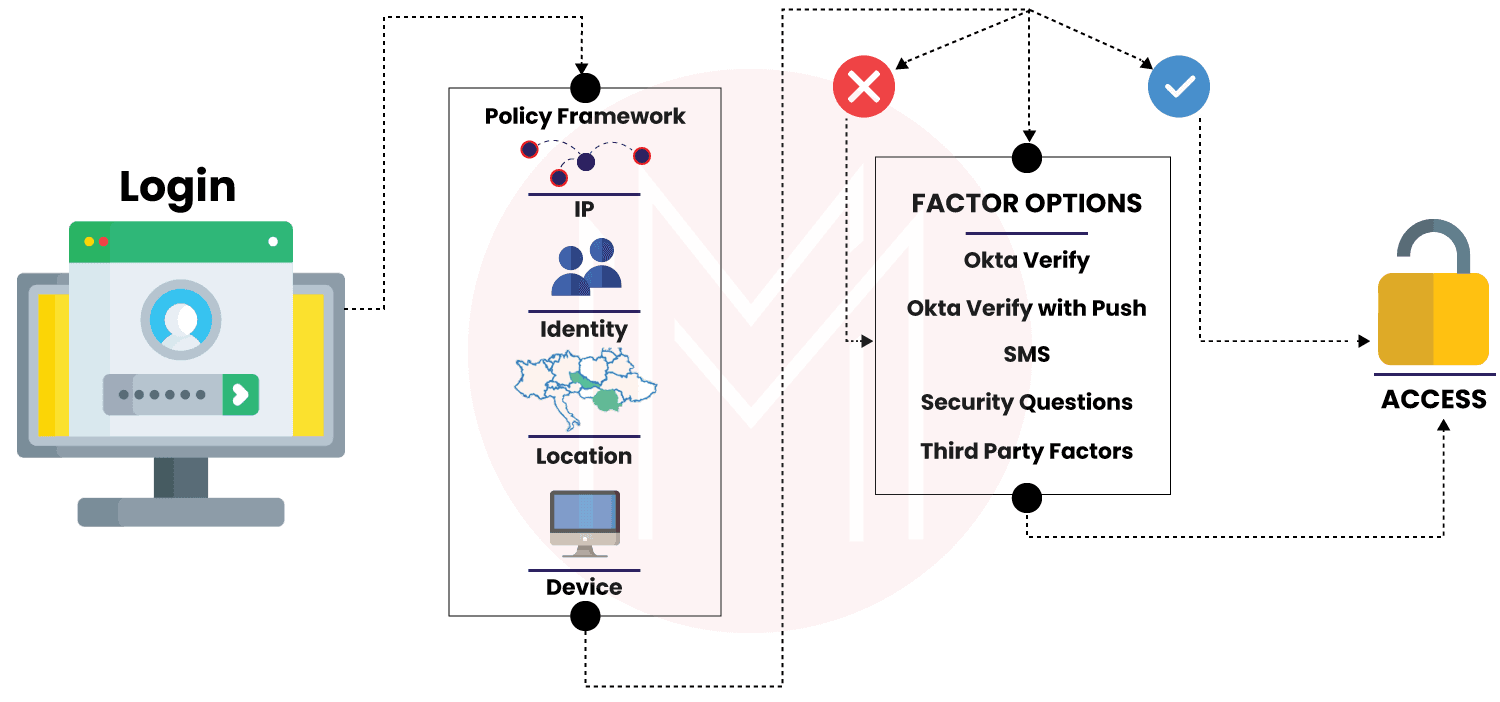
Implementing multi-factor authentication is a crucial step in enhancing security within healthcare identity and access management. By requiring users to provide multiple forms of verification before accessing sensitive data, such as a password and a unique code sent to their mobile device, organisations can significantly reduce the risk of unauthorised access. This additional layer of security adds an extra barrier for potential cyber threats, ensuring that only authorised personnel can securely access patient information. Multi-factor authentication is a simple yet effective measure that strengthens overall security posture and helps healthcare providers maintain the trust and confidentiality of patient data.

Regularly review and update access permissions for healthcare staff.

In the realm of healthcare identity and access management, a crucial tip is to consistently review and update access permissions for healthcare staff. By regularly assessing and adjusting access levels based on job roles and responsibilities, organisations can minimise the risk of unauthorised data breaches and ensure that staff members only have access to the information necessary for their duties. This proactive approach not only enhances security but also promotes compliance with regulations, ultimately safeguarding sensitive patient data and maintaining trust in healthcare systems.

Utilise role-based access control to restrict sensitive information.

Utilising role-based access control is a vital tip in healthcare identity and access management to effectively restrict access to sensitive information. By assigning specific roles to users based on their responsibilities and authority levels, healthcare organisations can ensure that only authorised personnel have access to confidential patient data. This granular control not only enhances security but also helps in maintaining compliance with regulations by limiting the risk of unauthorised data breaches. Implementing role-based access control is a proactive measure that strengthens the overall security posture of healthcare systems and protects patient privacy.

Educate employees on the importance of safeguarding patient data.

It is crucial to educate employees in the healthcare sector about the significance of safeguarding patient data as part of effective identity and access management practices. By raising awareness on the importance of data security and privacy, healthcare staff can better understand their role in protecting sensitive information and preventing data breaches. Through training programmes and regular reminders, employees can learn how to handle patient data responsibly, follow security protocols, and recognise potential security threats, ultimately contributing to a culture of data protection within the organisation.

Ensure compliance with data protection regulations such as GDPR.

To ensure robust healthcare identity and access management, it is imperative for healthcare organisations to comply with data protection regulations like the General Data Protection Regulation (GDPR). GDPR sets strict guidelines for the collection, storage, and processing of personal data, including healthcare information. By adhering to GDPR requirements, healthcare providers can demonstrate their commitment to safeguarding patient data privacy and security. Implementing GDPR-compliant practices not only helps in avoiding costly fines but also fosters trust among patients by assuring them that their sensitive information is being handled with the utmost care and respect.

The Importance of Healthcare GRC Software in Ensuring Compliance and Security

The Importance of Healthcare GRC Software in Ensuring Compliance and Security

In the healthcare industry, compliance with regulations and data security are of utmost importance. Healthcare organisations handle sensitive patient information and must adhere to strict guidelines to protect this data. Governance, Risk, and Compliance (GRC) software plays a crucial role in helping healthcare providers manage their regulatory obligations and safeguard patient information.

What is Healthcare GRC Software?

Healthcare GRC software is a comprehensive solution that enables organisations to streamline their governance, risk management, and compliance processes. It provides a centralised platform for managing policies, procedures, audits, and regulatory requirements. By consolidating these functions into a single system, healthcare providers can ensure consistency, transparency, and accountability across their operations.

The Benefits of Healthcare GRC Software

Implementing healthcare GRC software offers numerous benefits to organisations:

  • Regulatory Compliance: GRC software helps healthcare providers stay up-to-date with changing regulations and ensures that they are compliant with industry standards.
  • Risk Management: By identifying and assessing risks proactively, organisations can mitigate potential threats to patient data security and operational continuity.
  • Audit Efficiency: GRC software automates audit processes, making it easier for organisations to track compliance efforts and demonstrate adherence to regulations during audits.
  • Data Security: The software provides tools for monitoring access controls, detecting anomalies in data usage, and preventing unauthorised access to sensitive information.
  • Cost Savings: By streamlining compliance processes and reducing the risk of non-compliance penalties, healthcare organisations can save time and resources.

Challenges in Implementing Healthcare GRC Software

While the benefits of healthcare GRC software are significant, there are challenges associated with its implementation. These may include initial costs, integration with existing systems, staff training requirements, and ensuring user adoption throughout the organisation. However, by addressing these challenges proactively and working closely with vendors to tailor the software to specific needs, healthcare providers can maximise the value of their investment in GRC technology.

In Conclusion

Healthcare GRC software is an essential tool for ensuring compliance with regulations and protecting patient data in an increasingly complex regulatory environment. By investing in robust GRC solutions tailored to their needs, healthcare organisations can enhance security measures, streamline compliance efforts, and ultimately improve patient care outcomes.


Exploring Healthcare GRC Software: Key Questions and Insights

  1. What is the best GRC software?
  2. What is GRC in pharma?
  3. What is the most used software in healthcare?
  4. What is GRC software?
  5. What is GRC in healthcare?
  6. What is GRC in medical billing?
  7. What will replace SAP GRC?

What is the best GRC software?

When it comes to identifying the best Governance, Risk, and Compliance (GRC) software for healthcare organisations, the answer may vary depending on specific needs and preferences. Factors such as the size of the organisation, budget constraints, regulatory requirements, and desired features all play a role in determining the most suitable GRC software solution. It is essential for healthcare providers to conduct thorough research, evaluate multiple options, and consider demo trials to determine which GRC software aligns best with their unique requirements. Consulting with industry experts and seeking recommendations from peers can also help in making an informed decision when selecting the best GRC software for healthcare compliance and security needs.

What is GRC in pharma?

In the pharmaceutical industry, GRC stands for Governance, Risk, and Compliance. GRC in pharma refers to the framework and practices implemented by pharmaceutical companies to ensure effective governance, manage risks, and maintain compliance with regulatory requirements. This holistic approach helps pharmaceutical organisations align their operations with industry standards, safeguard patient data, mitigate risks associated with drug development and distribution, and uphold ethical practices throughout their business processes. By integrating GRC principles into their operations, pharma companies can enhance transparency, accountability, and overall performance while meeting the stringent demands of the healthcare regulatory landscape.

What is the most used software in healthcare?

In the healthcare industry, one of the most widely used software solutions is Electronic Health Record (EHR) systems. EHR software enables healthcare providers to digitally store and manage patient health information, including medical history, diagnoses, medications, and treatment plans. These systems streamline clinical workflows, improve communication among healthcare professionals, and enhance patient care coordination. With the increasing emphasis on digitisation and data security in healthcare, EHR software has become a cornerstone technology that helps organisations deliver efficient and high-quality care while ensuring compliance with regulatory requirements.

What is GRC software?

GRC software, short for Governance, Risk, and Compliance software, is a comprehensive solution designed to help organisations manage their regulatory obligations effectively. In the context of healthcare, GRC software plays a crucial role in ensuring compliance with industry regulations and safeguarding patient data. This software provides a centralised platform for healthcare providers to streamline governance processes, assess and mitigate risks, and monitor compliance with relevant standards and guidelines. By offering tools for policy management, audit automation, and risk assessment, GRC software empowers healthcare organisations to maintain transparency, accountability, and security in their operations.

What is GRC in healthcare?

Governance, Risk, and Compliance (GRC) in healthcare refer to the integrated approach that healthcare organisations adopt to manage governance, mitigate risks, and ensure compliance with industry regulations and standards. GRC software specifically tailored for the healthcare sector provides a centralised platform for overseeing policies, procedures, audits, and regulatory requirements. By leveraging GRC solutions, healthcare providers can enhance transparency, accountability, and efficiency in their operations while safeguarding patient data and maintaining adherence to stringent regulatory frameworks.

What is GRC in medical billing?

In the context of medical billing, GRC stands for Governance, Risk, and Compliance. GRC in medical billing refers to the integrated approach that healthcare organisations take to manage governance, assess risks, and ensure compliance with regulations related to billing practices. This encompasses establishing clear policies and procedures for billing processes, identifying and mitigating risks associated with inaccurate billing or fraud, and adhering to industry standards and legal requirements to maintain transparency and accountability in financial transactions within the healthcare sector. Implementing GRC principles in medical billing is essential for maintaining financial integrity, preventing revenue loss due to non-compliance or errors, and upholding trust between healthcare providers and patients.

What will replace SAP GRC?

As the landscape of healthcare GRC software continues to evolve, the question of what will replace SAP GRC is a common one among industry professionals. While SAP GRC has long been a popular choice for managing governance, risk, and compliance processes, advancements in technology and changing regulatory requirements may prompt organisations to explore alternative solutions. Emerging GRC platforms offer enhanced features, scalability, and integration capabilities that can address the evolving needs of healthcare providers. It is essential for organisations to assess their specific requirements and consider a range of options to identify the most suitable replacement for SAP GRC that aligns with their compliance objectives and operational goals.

Ensuring Regulatory Compliance with Medical Device Compliance Software

Ensuring Regulatory Compliance with Medical Device Compliance Software

In the fast-paced and highly regulated world of healthcare, ensuring compliance with industry standards and regulations is paramount. This is particularly true for medical device manufacturers who must navigate a complex web of requirements to bring safe and effective products to market.

Medical device compliance software has emerged as a valuable tool in helping manufacturers streamline their compliance processes and maintain adherence to regulatory guidelines. These software solutions are designed to facilitate the management of regulatory documentation, quality control processes, and audits.

The Benefits of Medical Device Compliance Software

One of the key benefits of using medical device compliance software is its ability to centralise and automate compliance activities. By digitising documentation and workflows, manufacturers can reduce the risk of human error and ensure that all processes are carried out according to established protocols.

Furthermore, medical device compliance software provides real-time visibility into compliance status, enabling stakeholders to track progress, identify bottlenecks, and take corrective actions promptly. This level of transparency is essential for demonstrating compliance during regulatory inspections and audits.

Key Features of Medical Device Compliance Software

Modern medical device compliance software offers a range of features to support manufacturers in meeting regulatory requirements effectively. These may include:

  • Document management capabilities for organising and versioning regulatory documents
  • Automated workflows for routing documents for review and approval
  • Audit trail functionality for tracking changes and ensuring data integrity
  • Risk management tools for assessing and mitigating potential risks associated with non-compliance
  • Integration with other quality management systems to streamline processes

The Future of Medical Device Compliance Software

As regulations continue to evolve and become more stringent, the demand for advanced medical device compliance software is expected to grow. Manufacturers will increasingly rely on these sophisticated tools to navigate complex regulatory landscapes efficiently.

In conclusion, medical device compliance software plays a crucial role in helping manufacturers achieve and maintain regulatory compliance in an ever-changing healthcare environment. By leveraging these innovative solutions, companies can enhance product quality, streamline operations, and ultimately improve patient safety.


6 Essential Tips for Ensuring Compliance with Medical Device Software Regulations in the UK

  1. Ensure the software complies with relevant medical device regulations in the UK.
  2. Regularly update the software to meet changing compliance requirements.
  3. Implement robust security measures to protect patient data and ensure compliance with data protection laws.
  4. Provide training to staff on using the software correctly to maintain compliance standards.
  5. Conduct regular audits and assessments of the software to identify any non-compliance issues.
  6. Maintain thorough documentation of the software validation process for regulatory purposes.

Ensure the software complies with relevant medical device regulations in the UK.

It is essential to ensure that the medical device compliance software you choose complies with relevant medical device regulations in the UK. Adhering to these regulations is crucial for maintaining the quality, safety, and efficacy of medical devices within the healthcare system. By selecting software that meets UK regulatory standards, manufacturers can confidently navigate compliance requirements and demonstrate their commitment to delivering products that meet the highest regulatory standards in the industry.

Regularly update the software to meet changing compliance requirements.

To ensure ongoing adherence to evolving compliance standards in the medical device industry, it is essential to regularly update the software used for managing regulatory requirements. By staying current with software updates, manufacturers can align their processes with changing compliance mandates and incorporate new features that enhance their ability to meet regulatory obligations effectively. This proactive approach not only helps in maintaining compliance but also demonstrates a commitment to upholding the highest standards of quality and safety in medical device manufacturing.

Implement robust security measures to protect patient data and ensure compliance with data protection laws.

To enhance the integrity of medical device compliance software, it is essential to implement robust security measures to safeguard patient data and uphold compliance with data protection laws. By prioritising data security, manufacturers can mitigate the risk of breaches and unauthorised access to sensitive information, thereby maintaining patient confidentiality and trust. Adhering to stringent data protection regulations not only demonstrates a commitment to ethical practices but also helps in avoiding costly penalties associated with non-compliance. Prioritising the protection of patient data through stringent security measures is paramount in the healthcare industry’s ongoing efforts to uphold privacy and regulatory standards.

Provide training to staff on using the software correctly to maintain compliance standards.

To ensure adherence to compliance standards in the realm of medical device regulation software, it is essential to provide comprehensive training to staff on the correct usage of the software. Equipping employees with the necessary knowledge and skills not only enhances their efficiency in utilising the software but also promotes a culture of compliance within the organisation. Proper training ensures that staff understand the importance of following established protocols and procedures, ultimately contributing to maintaining regulatory compliance and upholding quality standards in medical device manufacturing.

Conduct regular audits and assessments of the software to identify any non-compliance issues.

Regular audits and assessments of medical device compliance software are essential to proactively identify any non-compliance issues that may arise. By conducting thorough reviews at scheduled intervals, organisations can ensure that their software aligns with the latest regulatory requirements and industry standards. These audits not only help in detecting potential gaps or vulnerabilities but also enable prompt corrective actions to be taken, ultimately enhancing the overall compliance posture of the system.

Maintain thorough documentation of the software validation process for regulatory purposes.

It is crucial to maintain thorough documentation of the software validation process when utilising medical device compliance software for regulatory purposes. Keeping detailed records of the validation activities conducted ensures transparency and accountability in demonstrating that the software meets regulatory requirements. This documentation serves as a vital resource during regulatory audits, enabling manufacturers to showcase their adherence to standards and guidelines governing the development and use of medical devices. By meticulously documenting the software validation process, companies can enhance their compliance efforts and mitigate risks associated with non-compliance.

The Importance of SailPoint Identity Management and Governance

The Importance of SailPoint Identity Management and Governance

In today’s digital landscape, where data breaches and cyber threats are on the rise, effective identity management and governance have become paramount for organisations to safeguard their sensitive information. SailPoint offers a comprehensive solution that addresses these challenges head-on.

What is SailPoint Identity Management?

SailPoint Identity Management is a robust platform that enables organisations to manage user identities and access privileges across their IT infrastructure. By centralising identity data, organisations can ensure that only authorised individuals have access to specific resources, reducing the risk of unauthorised access and potential data breaches.

The Role of Governance in Identity Management

Identity governance plays a crucial role in ensuring that security policies are enforced consistently throughout an organisation. With SailPoint’s governance capabilities, administrators can define and enforce access controls, streamline compliance processes, and detect any violations in real-time.

Benefits of SailPoint Identity Management and Governance

  • Enhanced Security: By implementing SailPoint, organisations can strengthen their security posture by controlling access to critical systems and data.
  • Improved Compliance: SailPoint helps organisations meet regulatory requirements by providing detailed visibility into user access and permissions.
  • Increased Efficiency: Automation features in SailPoint streamline identity management processes, reducing manual errors and saving time for IT teams.
  • Risk Mitigation: With proactive monitoring and reporting capabilities, SailPoint helps identify potential risks before they escalate into security incidents.
  • Scalability: SailPoint’s flexible architecture allows it to scale alongside the organisation’s growth without compromising performance or security.

In Conclusion

SailPoint Identity Management and Governance offer a comprehensive solution for organisations looking to enhance their security posture, streamline compliance efforts, and improve operational efficiency. By leveraging SailPoint’s capabilities, businesses can proactively manage identities and access privileges while mitigating the risks associated with unauthorised access. In an age where data protection is paramount, investing in robust identity management solutions like SailPoint is essential for maintaining a secure digital environment.


Top 5 Advantages of SailPoint Identity Management: Security, Compliance, Efficiency, Risk Mitigation, and Scalability

  1. Enhanced security through centralised access control
  2. Streamlined compliance processes for regulatory requirements
  3. Efficiency improvements with automation features
  4. Proactive risk mitigation with real-time monitoring
  5. Scalability to accommodate organisational growth


Challenges of SailPoint Identity Management: Complexity, Cost, Resource Demands, and Integration Issues

  1. Complex Implementation
  2. High Cost
  3. Resource Intensive
  4. Integration Challenges

Enhanced security through centralised access control

Enhanced security through centralised access control is a key advantage of SailPoint Identity Management and Governance. By consolidating identity data and access privileges into a centralised system, organisations can effectively control who has access to critical systems and sensitive data. This approach minimises the risk of unauthorised access and helps prevent potential security breaches. With SailPoint, businesses can implement granular access controls, monitor user activities in real-time, and enforce security policies consistently across the entire IT infrastructure, thereby significantly strengthening their overall security posture.

Streamlined compliance processes for regulatory requirements

SailPoint Identity Management and Governance offer a significant advantage in streamlining compliance processes for regulatory requirements. By providing detailed visibility into user access and permissions, SailPoint enables organisations to ensure that they meet regulatory standards effectively and efficiently. This streamlined approach not only saves time for IT teams but also reduces the likelihood of compliance violations, ultimately enhancing the overall security posture of the organisation.

Efficiency improvements with automation features

One significant advantage of SailPoint Identity Management and Governance is the efficiency improvements it offers through its automation features. By automating identity management processes, organisations can streamline tasks such as user provisioning, access requests, and role assignments. This not only reduces the burden on IT teams but also minimises the risk of human errors that can lead to security vulnerabilities. With automation, repetitive and time-consuming tasks are handled swiftly and accurately, allowing businesses to operate more efficiently and effectively manage their identity governance processes.

Proactive risk mitigation with real-time monitoring

One of the key advantages of SailPoint Identity Management and Governance is its proactive risk mitigation through real-time monitoring. By continuously monitoring user activities and access permissions in real-time, SailPoint can swiftly detect any suspicious behaviour or policy violations, allowing organisations to take immediate action to prevent potential security incidents. This proactive approach helps organisations stay ahead of emerging threats and vulnerabilities, enhancing their overall security posture and reducing the likelihood of data breaches or compliance issues.

Scalability to accommodate organisational growth

SailPoint Identity Management and Governance offer the significant advantage of scalability to accommodate organisational growth seamlessly. As businesses expand and evolve, SailPoint’s flexible architecture ensures that the identity management solution can grow alongside the organisation without compromising performance or security. This scalability feature allows companies to adapt to changing user needs, new applications, and increased data volumes without the need for a complete overhaul of their identity management system. By providing a scalable solution, SailPoint empowers organisations to maintain efficient and secure identity governance practices even as they continue to grow and transform.

Complex Implementation

Setting up SailPoint Identity Management and Governance can present a significant challenge due to its complex implementation process. Organisations may face hurdles in configuring the system effectively, integrating it with existing IT infrastructure, and ensuring seamless operation. The deployment of SailPoint requires expertise and meticulous planning to navigate potential complexities and ensure a successful implementation that aligns with the organisation’s security and compliance requirements.

High Cost

The high cost associated with SailPoint Identity Management and Governance can pose a significant challenge for many organisations, particularly smaller ones. The initial investment required for implementing SailPoint’s solutions and the ongoing maintenance expenses may be prohibitive for budget-constrained businesses. This financial barrier could limit access to the advanced security features and governance capabilities that SailPoint offers, potentially leaving some organisations vulnerable to identity-related risks and compliance issues. Careful consideration of cost implications is crucial for organisations evaluating the adoption of SailPoint to ensure that the benefits align with their budgetary constraints and long-term strategic objectives.

Resource Intensive

Managing SailPoint effectively demands dedicated resources in terms of personnel and time, which could strain IT teams. The resource-intensive nature of SailPoint Identity Management and Governance can pose a significant challenge for organisations, especially those with limited IT resources. Allocating sufficient personnel and time to oversee and maintain the platform may divert attention and resources from other critical IT initiatives, potentially impacting overall operational efficiency. Balancing the need for robust identity management with the strain it places on IT teams remains a key consideration for organisations implementing SailPoint solutions.

Integration Challenges

Integration Challenges can be a significant drawback of SailPoint Identity Management and Governance. The process of integrating SailPoint with existing IT systems and applications may present hurdles, potentially causing disruptions in operations. Ensuring seamless compatibility between SailPoint and various IT infrastructures can require time, resources, and expertise, which may impact the overall efficiency of the integration process. Overcoming these integration challenges is crucial to maximising the benefits of SailPoint’s identity management solutions while minimising operational disruptions within an organisation’s IT environment.