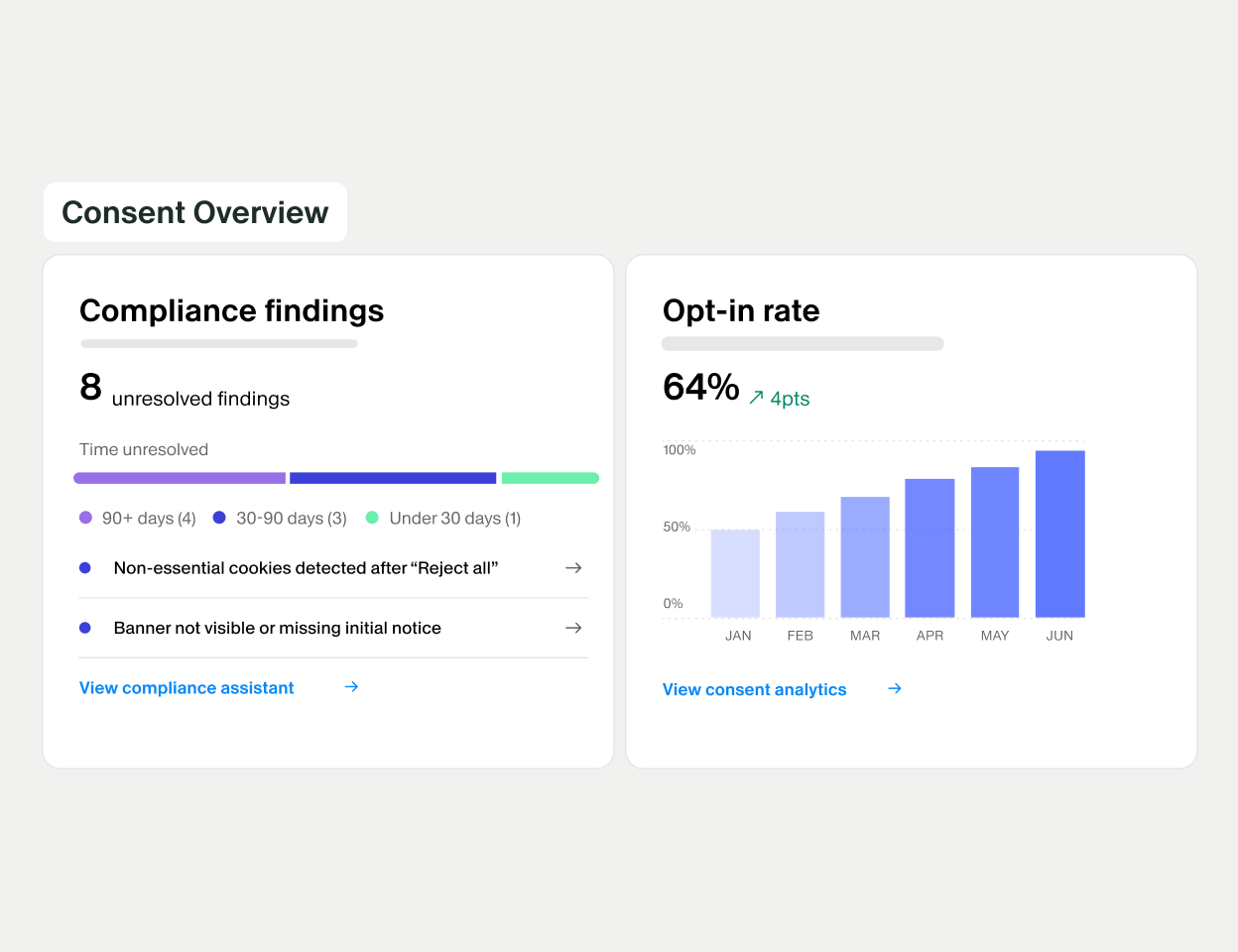
Cookie Compliance with OneTrust: A Practical Guide for UK Businesses

Cookies and similar technologies help websites remember preferences, understand how visitors use their pages and deliver relevant advertising. But they can also collect information about people, so businesses need to manage them in line with applicable privacy and electronic communications rules.

OneTrust provides consent management tools that can help organisations identify cookies, present choices to visitors and maintain records of consent. However, using a platform does not automatically make a website compliant. The configuration, wording and ongoing management all matter.

What does cookie compliance involve?

In the UK, the use of cookies and similar technologies is principally covered by the Privacy and Electronic Communications Regulations (PECR). Where information collected through these technologies is personal data, UK data protection law may also apply.

In general, visitors must receive clear information about non-essential cookies and be given a genuine choice before those cookies are stored or accessed on their device. Strictly necessary cookies may be treated differently, but the exemption is limited: a cookie is not “strictly necessary” simply because it is useful to the organisation.

For example, cookies that keep items in a shopping basket or support a service specifically requested by a visitor may qualify as necessary. Analytics, personalisation and advertising cookies will generally require consent unless a specific exemption applies. Businesses should assess each technology and its purpose rather than relying on broad labels.

How OneTrust can support cookie compliance

OneTrust’s consent management platform can help businesses manage several parts of the cookie compliance process. Depending on the product and configuration, this may include:

  • Cookie discovery: scanning a website to identify cookies and similar technologies in use.
  • Cookie categorisation: organising technologies into groups, such as necessary, functional, analytics and advertising.
  • Consent banners: displaying a notice that explains cookie use and offers visitors appropriate choices.
  • Preference centres: allowing visitors to review and change their cookie preferences.
  • Consent records: recording choices and related information to support accountability.
  • Tag and script controls: helping prevent selected technologies from running until the required consent has been given.

These features can make consent management easier to operate, especially for organisations with multiple websites or a large number of marketing and analytics tools. Their effectiveness depends on accurate setup and regular review.

Setting up OneTrust for a UK website

Find out what your website uses

Begin by reviewing cookies, tags, pixels, plug-ins and other technologies used across your site. Automated scans can help, but they may not identify every technology or explain its purpose correctly. Check the results against your content management system, tag manager, analytics platform and advertising tools.

Categorise technologies accurately

Classify each item according to what it does and why it is used. Avoid placing a technology in the necessary category merely to ensure it loads. If a cookie has several purposes, assess those purposes carefully and consider whether separate controls are needed.

Write a clear notice

Your banner should explain, in straightforward language, that the site uses cookies and provide an accessible route to more information. Visitors should be able to understand their options without having to search through lengthy or confusing text.

Offer a meaningful choice

Where consent is required, visitors should be able to accept or reject non-essential cookies with comparable ease. The design should not steer people towards accepting through prominent colours, confusing button labels or repeated prompts. Consent should be given through a clear affirmative action, rather than assumed from continued browsing or pre-selected settings.

Ensure preferences are respected

Configure the consent tool and connected tags so that non-essential cookies and similar technologies do not run before the necessary consent is obtained. Test the site in different browsers and on mobile devices. Check that rejecting cookies works, that preferences persist as intended and that visitors can change or withdraw their choice later.

Keep your cookie information up to date

Publish a cookie notice or policy that explains the technologies used, their purposes, relevant providers and how visitors can manage their choices. Review it when the website changes, when new vendors are added and after significant updates to your analytics or advertising setup.

Common mistakes to avoid

  • Assuming that installing OneTrust alone makes a website compliant.
  • Relying on an automated scan without checking its results.
  • Calling analytics or advertising cookies strictly necessary without a proper assessment.
  • Loading non-essential scripts before a visitor has made a choice.
  • Making rejection harder than acceptance.
  • Failing to provide a simple way to revisit or withdraw consent.
  • Forgetting to check cookies set by embedded videos, social media tools and third-party plug-ins.

Ongoing checks are essential

Cookie compliance is not a one-off task. Websites change frequently, and a new plug-in, campaign or analytics feature can introduce additional technologies. Schedule regular scans and manual checks, review consent settings after releases, and make sure teams responsible for marketing and development know the process for adding new tools.

It is also important to consider how consent choices interact with connected services, such as tag managers and advertising platforms. Technical integrations should be tested rather than assumed to work correctly.

Choosing and configuring a consent management platform

OneTrust can provide a structured way to manage cookie notices and visitor preferences, but organisations remain responsible for deciding which technologies they use and how those technologies are configured. A carefully maintained consent platform can support a compliant approach; it cannot replace a clear understanding of the website’s data practices or appropriate legal advice where needed.

For UK businesses, the strongest approach combines accurate cookie discovery, clear information, a fair choice, reliable technical blocking and regular review. OneTrust can help bring these activities together, provided it is configured to reflect the organisation’s actual website and obligations.


6 Tips for Cookie Compliance with OneTrust

  1. Use OneTrust to scan your site and identify cookies and trackers.
  2. Classify cookies by purpose and keep records up to date.
  3. Get consent before setting non-essential cookies.
  4. Make accept and reject options equally clear.
  5. Let visitors change or withdraw consent at any time.
  6. Review consent settings after site or vendor changes.

Use OneTrust to scan your site and identify cookies and trackers.

Use OneTrust to scan your website and identify the cookies and other tracking technologies it uses. Review the scan results carefully, as automated scans may not detect every tracker or correctly identify its purpose. Confirm where each cookie comes from, what information it collects and whether it is essential or requires consent. Repeat scans regularly, particularly after adding new features, plug-ins or marketing tools, so your cookie notice and consent settings remain accurate.

Classify cookies by purpose and keep records up to date.

Classify each cookie according to its actual purpose—such as strictly necessary, functional, analytics or advertising—rather than grouping them under broad or convenient labels. Accurate categorisation helps visitors make informed choices and ensures consent settings are applied appropriately. Keep your records up to date by reviewing cookie scans, checking new tags and third-party tools, and updating your OneTrust configuration and cookie notice whenever your website changes.

Before setting or accessing non-essential cookies, obtain the visitor’s consent. Configure OneTrust and any connected tag managers to hold back analytics, advertising and other non-essential technologies until the visitor makes an active choice. Make it just as easy to reject these cookies as to accept them, and ensure the site respects the visitor’s choice across pages and visits.

Make accept and reject options equally clear.

When configuring your OneTrust cookie banner, make the “Accept” and “Reject” options equally clear and easy to use. Give both buttons similar prominence, use straightforward wording and avoid design choices that steer visitors towards accepting non-essential cookies. A balanced choice helps people make an informed decision and supports a more transparent consent experience.

Give visitors an easy, ongoing way to change or withdraw their cookie consent—not just when they first arrive on your website. With OneTrust, you can provide a clearly visible link to the preference centre, where people can review their choices and update them whenever they wish. Make sure the change takes effect promptly, including stopping any non-essential cookies or tags that are no longer permitted. This supports a transparent experience and helps your organisation meet its consent obligations.

Review consent settings whenever your website or its vendors change. A new plug-in, analytics tool, advertising partner or site update may introduce cookies or similar technologies that are not covered by your existing settings. Re-scan and test the site, check that each technology is correctly categorised, and confirm that non-essential cookies remain blocked until visitors have given consent. Update your cookie notice and preference centre where needed, so the information visitors see reflects what the site actually does.

OneTrust Cookie Compliance

The Importance of OneTrust Cookie Compliance

In today’s digital landscape, privacy regulations and data protection laws are becoming increasingly stringent. Websites that use cookies to track user activity must ensure compliance with these regulations to protect user data and avoid legal repercussions. OneTrust Cookie Compliance is a comprehensive solution that helps businesses adhere to cookie consent requirements and maintain transparency with their users.

Key Features of OneTrust Cookie Compliance:

  • Cookie Consent Banner: OneTrust provides a customisable cookie consent banner that allows website visitors to easily manage their cookie preferences. This helps businesses obtain explicit consent from users before deploying cookies.
  • Cookie Policy Generator: With OneTrust, businesses can generate a detailed cookie policy that outlines the types of cookies used, their purposes, and how user data is processed. This promotes transparency and builds trust with website visitors.
  • Cookie Scanner: OneTrust’s scanning tool identifies all cookies present on a website, including first-party and third-party cookies. This enables businesses to categorise cookies based on their functionality and assess their compliance status.
  • Cookie Auditing: Businesses can conduct regular audits of their cookie practices using OneTrust’s auditing features. This ensures ongoing compliance with changing regulations and helps identify areas for improvement.
  • Data Subject Requests: OneTrust facilitates the management of data subject requests related to cookies, such as requests for access or deletion of personal data collected through cookies. This streamlines the process of handling user requests in accordance with data protection laws.

The Benefits of Using OneTrust Cookie Compliance:

By implementing OneTrust Cookie Compliance, businesses can enjoy the following benefits:

  • Legal Compliance: Ensure compliance with global privacy laws, such as GDPR and CCPA, by managing cookie consent effectively.
  • User Trust: Build trust with website visitors by providing transparent information about cookie usage and respecting user preferences.
  • Data Protection: Safeguard user data collected through cookies and minimise the risk of data breaches or non-compliance fines.
  • Cross-Device Tracking Control: Enable users to control cross-device tracking preferences and enhance their browsing experience.
  • Audit Trail: Maintain an audit trail of user consents and preferences to demonstrate accountability in data processing activities.

In conclusion, prioritising cookie compliance is essential for any business operating online. By leveraging the features of OneTrust Cookie Compliance, organisations can navigate the complex landscape of privacy regulations with ease, foster transparency with users, and uphold the highest standards of data protection.


Top 9 Advantages of OneTrust Cookie Compliance for Enhanced Privacy and Trust

  1. Ensures compliance with global privacy laws like GDPR and CCPA.
  2. Builds trust with website visitors through transparent cookie management.
  3. Helps safeguard user data collected through cookies.
  4. Minimises the risk of data breaches and non-compliance fines.
  5. Allows users to control cross-device tracking preferences.
  6. Provides an audit trail of user consents for accountability.
  7. Customisable cookie consent banner for user-friendly experience.
  8. Generates detailed cookie policy to outline data processing practices.
  9. Identifies all cookies on a website for comprehensive compliance assessment.


Challenges of OneTrust Cookie Compliance: Navigating Complexity, Costs, and Customisation Limits

  1. Complex Implementation
  2. Costly Solution
  3. User Interface Complexity
  4. Limited Customisation Options
  5. Maintenance Overhead
  6. Integration Challenges

Ensures compliance with global privacy laws like GDPR and CCPA.

One significant advantage of OneTrust Cookie Compliance is its ability to guarantee adherence to worldwide privacy regulations such as the General Data Protection Regulation (GDPR) and the California Consumer Privacy Act (CCPA). By utilising OneTrust’s features, businesses can confidently navigate the complexities of these stringent laws, ensuring that their cookie practices align with the requirements outlined in GDPR and CCPA. This proactive approach not only helps in avoiding potential legal repercussions but also demonstrates a commitment to upholding user privacy rights on a global scale.

OneTrust Cookie Compliance plays a pivotal role in fostering trust with website visitors by offering transparent cookie management. By providing clear information about the types of cookies used, their purposes, and giving users control over their preferences, businesses can demonstrate their commitment to respecting user privacy and data protection. This transparency not only enhances user experience but also instils confidence in visitors that their data is handled responsibly, ultimately strengthening the trust relationship between businesses and their online audience.

Helps safeguard user data collected through cookies.

One significant advantage of OneTrust Cookie Compliance is its ability to help safeguard user data collected through cookies. By implementing this solution, businesses can ensure that the data obtained through cookies is handled securely and in compliance with privacy regulations. This proactive approach not only protects user privacy but also minimises the risk of data breaches and enhances trust between businesses and their website visitors. With OneTrust, organisations can demonstrate their commitment to data protection and provide users with peace of mind regarding the handling of their personal information.

Minimises the risk of data breaches and non-compliance fines.

One significant advantage of implementing OneTrust Cookie Compliance is its ability to minimise the risk of data breaches and non-compliance fines. By ensuring that businesses adhere to cookie consent requirements and maintain transparency with users regarding data collection practices, OneTrust helps organisations protect sensitive user data from potential security threats. Additionally, by staying compliant with privacy regulations such as GDPR and CCPA, businesses can avoid costly fines and legal repercussions associated with non-compliance, thus safeguarding their reputation and financial stability.

Allows users to control cross-device tracking preferences.

One significant advantage of OneTrust Cookie Compliance is its capability to empower users with control over cross-device tracking preferences. This feature enables individuals to manage how their data is tracked and utilised across multiple devices, enhancing their privacy and providing a more personalised browsing experience. By giving users the ability to tailor their cross-device tracking settings, OneTrust promotes transparency and empowers individuals to make informed decisions about their online privacy, ultimately fostering trust between businesses and their customers.

Provides an audit trail of user consents for accountability.

One significant advantage of OneTrust Cookie Compliance is its ability to provide an audit trail of user consents, enhancing accountability for businesses. By maintaining a detailed record of user consent preferences and actions, organisations can demonstrate transparency and accountability in their data processing activities. This feature not only ensures compliance with privacy regulations but also builds trust with users by showcasing a commitment to respecting their choices regarding cookie usage. The audit trail functionality offered by OneTrust enables businesses to track and document each user’s consent journey, reinforcing a culture of responsible data management and privacy protection.

One significant advantage of OneTrust Cookie Compliance is its customisable cookie consent banner, which enhances the user experience by providing a user-friendly interface for managing cookie preferences. This feature allows businesses to tailor the consent banner to align with their branding and design preferences, creating a seamless and non-intrusive way for website visitors to understand and control their cookie settings. By offering a personalised and intuitive consent experience, OneTrust promotes transparency and empowers users to make informed choices about their online privacy, ultimately fostering trust between businesses and their audience.

One significant advantage of OneTrust Cookie Compliance is its ability to generate a detailed cookie policy that clearly outlines an organisation’s data processing practices related to cookies. This feature ensures transparency with website visitors by providing comprehensive information on the types of cookies used, their purposes, and how user data is processed. By offering a detailed overview of cookie-related data practices, businesses can build trust with users, demonstrate compliance with privacy regulations, and enhance overall transparency in their online operations.

Identifies all cookies on a website for comprehensive compliance assessment.

One significant advantage of OneTrust Cookie Compliance is its ability to identify all cookies present on a website, enabling businesses to conduct a thorough compliance assessment. By providing a comprehensive overview of both first-party and third-party cookies, OneTrust empowers organisations to categorise cookies based on their functionality and assess their compliance status effectively. This feature not only ensures transparency in cookie usage but also facilitates proactive measures to align with regulatory requirements, ultimately enhancing data protection practices and building trust with website visitors.

Complex Implementation

Complex Implementation: One potential drawback of implementing OneTrust Cookie Compliance is the complexity involved in the setup process. Configuring the system to effectively manage cookie consent and compliance requirements may pose challenges for users without technical expertise. Additionally, allocating sufficient time for thorough configuration and testing is essential to ensure that OneTrust operates seamlessly within a website’s framework. The intricate nature of implementation could potentially deter some users who seek a more straightforward solution for managing cookie compliance on their websites.

Costly Solution

One significant drawback of OneTrust Cookie Compliance is its costly nature. The licensing fees associated with implementing this solution can pose a financial challenge, particularly for small businesses or websites operating on limited budgets. The expense involved in acquiring and maintaining OneTrust’s services may deter some organisations from achieving full compliance with cookie regulations, potentially leaving them vulnerable to legal risks and data privacy issues.

User Interface Complexity

The complexity of the user interface in OneTrust can pose a significant challenge for individuals who are not well-versed in cookie compliance tools. Navigating through the dashboard and utilising the features of OneTrust may appear overwhelming to users unfamiliar with such systems. This complexity could potentially hinder the seamless adoption and effective use of OneTrust Cookie Compliance, requiring additional time and resources for training and familiarisation to ensure optimal implementation and compliance management.

Limited Customisation Options

Some users may encounter a drawback with OneTrust Cookie Compliance due to its limited customisation options. For businesses seeking to align the cookie consent banner and policies with their specific branding or design preferences, the constraints within OneTrust’s customisation features could be perceived as restrictive. This limitation may hinder some organisations from achieving a seamless integration of cookie consent elements that reflect their unique identity and user experience objectives.

Maintenance Overhead

One notable drawback of OneTrust Cookie Compliance is the maintenance overhead it entails. Continuous updates and regular maintenance tasks are essential to ensure that the system remains current and compliant with the ever-changing landscape of privacy regulations. This ongoing requirement for upkeep can place a burden on businesses, requiring dedicated resources and time to manage and implement updates effectively. Failure to stay on top of maintenance tasks could lead to non-compliance issues and potential vulnerabilities in data protection practices, highlighting the importance of proactive monitoring and maintenance within OneTrust Cookie Compliance implementation.

Integration Challenges

One significant drawback of implementing OneTrust Cookie Compliance is the potential integration challenges it presents. Integrating OneTrust with existing systems or platforms can be a complex process that demands additional resources and technical support. Businesses may face compatibility issues, data migration hurdles, and the need for customisation to ensure seamless integration. These challenges can lead to delays in deployment and increased costs associated with adapting existing infrastructure to work harmoniously with OneTrust’s functionalities. It is crucial for organisations considering OneTrust Cookie Compliance to carefully assess their current systems and prepare for the potential complexities of integration to mitigate any disruptions in their operations.