
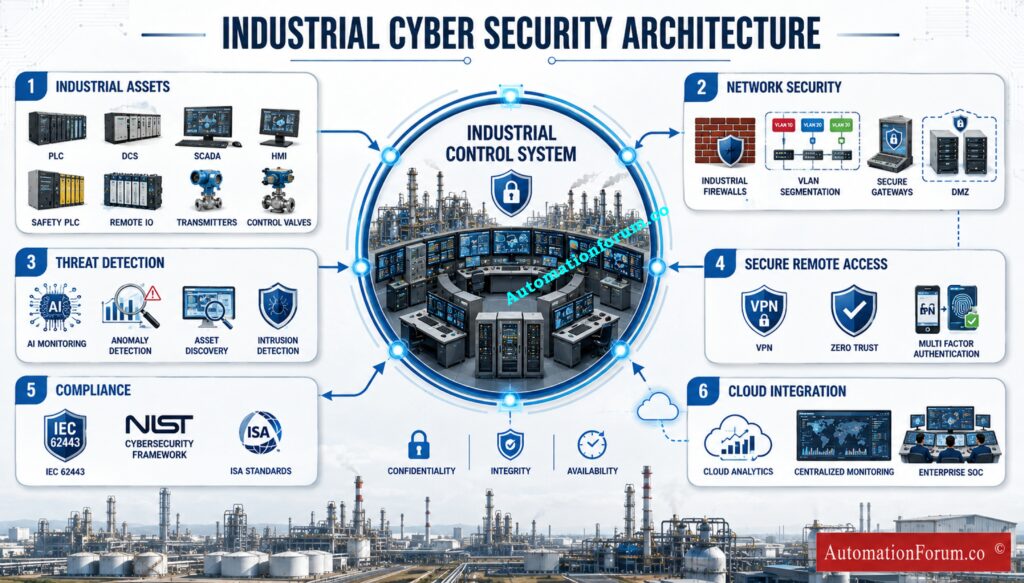
Top Cybersecurity Solution Companies
Cybersecurity has become a priority for organisations of every size. From ransomware and phishing to cloud misconfigurations and stolen credentials, the risks are varied and constantly changing. Cybersecurity solution companies help businesses reduce these risks with products and services such as endpoint protection, network security, identity management, threat detection and incident response.
No single provider is the right choice for every organisation. The companies below are among the best-known names in the sector, but their suitability depends on your existing technology, security requirements, budget and in-house expertise.
Leading cybersecurity companies
Microsoft Security
Microsoft offers security tools covering identity and access, endpoint protection, email security, cloud environments and security information and event management. Its products can be a natural fit for organisations that already use Microsoft services, though businesses should assess licensing, configuration and the skills needed to manage the platform effectively.
Palo Alto Networks
Palo Alto Networks provides solutions across network security, cloud security and security operations. Its portfolio is designed to help organisations protect users, infrastructure and applications, and to bring security data together for investigation. It is often considered by larger organisations with complex environments and dedicated security teams.
CrowdStrike
CrowdStrike is best known for its endpoint security and threat detection capabilities. Its cloud-based platform is used to monitor devices and investigate suspicious activity, with additional services covering areas such as identity and threat intelligence. Buyers should check which capabilities are included in each package and how they fit with their existing tools.
Cisco
Cisco offers a broad range of security products, including network protection, secure access, email security and threat detection. Organisations that already rely on Cisco networking equipment may value the opportunity to align security and network management. As with any broad portfolio, careful planning can help avoid complexity and overlapping tools.
Fortinet
Fortinet provides network security, firewalls, secure access and related services. Its products are used by organisations seeking to protect networks across offices, data centres and cloud environments. When evaluating Fortinet or any network security provider, consider performance, ease of management and how well the solution supports your current architecture.
Check Point Software Technologies
Check Point focuses on network, cloud, endpoint and workspace security. Its solutions are intended to help organisations apply security policies across different parts of their IT environment. The range of available products makes it important to define requirements clearly before comparing packages.
Sophos
Sophos supplies endpoint, network and email security, as well as managed detection and response services. Its offerings may suit small and medium-sized organisations looking for a combination of security technology and external expertise. Check the level of support, monitoring and incident response included in the service.
SentinelOne
SentinelOne specialises in endpoint security and automated threat detection and response. Its tools are designed to help security teams identify and investigate suspicious behaviour across devices. Organisations should assess detection capabilities alongside integration, reporting and the amount of human oversight required.
IBM Security
IBM Security provides services and technology covering areas such as identity, data protection, threat management and security consulting. It can be an option for organisations seeking support with large or complex security programmes. Buyers should establish whether they need a specific product, specialist consultancy or ongoing managed services.
Zscaler
Zscaler focuses on cloud-delivered security and secure access for users connecting to applications and services. Its approach may be relevant to organisations with distributed workforces or significant use of cloud applications. A review should include connectivity requirements, user experience and integration with identity and endpoint controls.
Cloudflare
Cloudflare offers services for protecting websites, applications and networks, including content delivery, web application security and protection against certain types of online attack. It is frequently considered by businesses with public-facing digital services. Organisations should match the selected services to their application architecture and risk profile.
How to choose a cybersecurity provider
Before selecting a company, identify the risks and operational problems the solution needs to address. A useful assessment should consider:
- Your security priorities: Decide whether the main need is endpoint protection, identity security, cloud security, network defence, compliance support or incident response.
- Compatibility: Check that the solution integrates with your operating systems, cloud platforms, identity services and existing security tools.
- Visibility and reporting: Look for clear alerts and reports that help your team understand what is happening and what action is required.
- Support and expertise: Consider whether your organisation can manage the product itself or would benefit from a managed security service.
- Total cost: Compare licensing, implementation, training and ongoing management costs, rather than focusing only on the initial price.
- Compliance requirements: Confirm that the provider can support your relevant legal, regulatory and contractual obligations. A security product alone does not guarantee compliance.
Building an effective security strategy
Technology is only one part of cybersecurity. Strong results also depend on well-managed user accounts, secure configurations, timely software updates, staff awareness and tested response procedures. Organisations should regularly review access rights and changes to important systems, including directory services such as Microsoft Active Directory, which often play a central role in managing users and permissions.
The leading cybersecurity solution companies offer different strengths, and the best choice is the one that addresses your organisation’s specific risks without creating unnecessary complexity. Define your requirements, compare providers against consistent criteria and test shortlisted solutions wherever possible before making a decision.
8 Essential Tips for Choosing the Best Cybersecurity Solution Companies in the UK
- Compare firms’ expertise in your industry.
- Check independent security certifications and audits.
- Review incident-response times and support hours.
- Ask how solutions integrate with existing systems.
- Assess threat intelligence and detection capabilities.
- Check data residency and UK GDPR compliance.
- Request clear pricing, terms and service levels.
- Read recent customer reviews and case studies.
Compare firms’ expertise in your industry.
When comparing cybersecurity firms, look for proven experience in your industry. Providers familiar with your sector are more likely to understand its specific threats, regulatory requirements and operational needs, helping them recommend practical protections rather than a one-size-fits-all solution. Ask for relevant case studies, client references and examples of how they have supported organisations similar to yours.
Check independent security certifications and audits.
Check independent security certifications and audit reports when assessing cybersecurity solution companies. Standards such as ISO/IEC 27001 and independently assessed service reports can provide useful evidence of how a provider manages information security, access controls and operational risks. Confirm that any certification is current, covers the relevant services and applies to the locations handling your data. Certifications are valuable indicators, but they do not guarantee that a provider is suitable for your organisation, so review the findings alongside your own security requirements.
Review incident-response times and support hours.
When comparing top cybersecurity solution companies, review their incident-response times and support hours carefully. A fast response can make a significant difference when a security incident is unfolding, so check the provider’s guaranteed response times, whether support is available 24/7, and how incidents are prioritised and escalated. Clarify which services are included in your agreement, who will handle the investigation and what support is available outside normal business hours. These details help ensure the provider’s response matches your organisation’s needs.
Ask how solutions integrate with existing systems.
Before choosing a cybersecurity provider, ask how its solutions will integrate with your existing systems, including your cloud platforms, identity services, endpoint tools and network infrastructure. Good integration can improve visibility, simplify day-to-day management and help teams respond to threats more quickly. Ask about compatibility, implementation support and any additional costs, and consider testing the solution to identify potential issues before committing.
Assess threat intelligence and detection capabilities.
Assess each provider’s threat intelligence and detection capabilities to understand how effectively it can identify emerging risks and suspicious activity. Look at the sources and timeliness of its threat intelligence, how it detects known and previously unseen threats, and whether it can correlate signals across endpoints, networks, cloud services and user accounts. Ask how alerts are prioritised, what investigation support is available, and whether the provider offers managed detection and response. Strong capabilities should help your team act quickly while keeping false alarms and alert fatigue under control.
Check data residency and UK GDPR compliance.
Before choosing a cybersecurity provider, check where your data will be stored and processed, including any backups and support access. Confirm that the provider can explain its role under UK GDPR, the safeguards it uses for personal data, and how it handles international data transfers, retention and deletion. Ask for clear contractual terms and relevant evidence of its security practices, and remember that using a compliant provider does not remove your organisation’s own data protection responsibilities.
Request clear pricing, terms and service levels.
When comparing top cybersecurity solution companies, request clear pricing, contract terms and service levels before making a decision. Ask for a breakdown of setup fees, licences, support and any additional charges, and check how prices may change as your organisation grows. Review contract length, renewal and cancellation conditions, as well as what the service levels promise for response times, availability and incident support. Clear answers make it easier to compare providers fairly and avoid unexpected costs or gaps in service.
Read recent customer reviews and case studies.
Read recent customer reviews and case studies to understand how a cybersecurity provider performs in real-world situations. Look for feedback from organisations with needs similar to yours, and pay attention to comments about reliability, support, implementation and how effectively the solution handles security incidents. Case studies can offer useful examples of results achieved, but check when they were published and whether they provide enough detail to support the claims. Reviews and case studies are helpful starting points, rather than a substitute for independent research and a thorough assessment of the provider.