
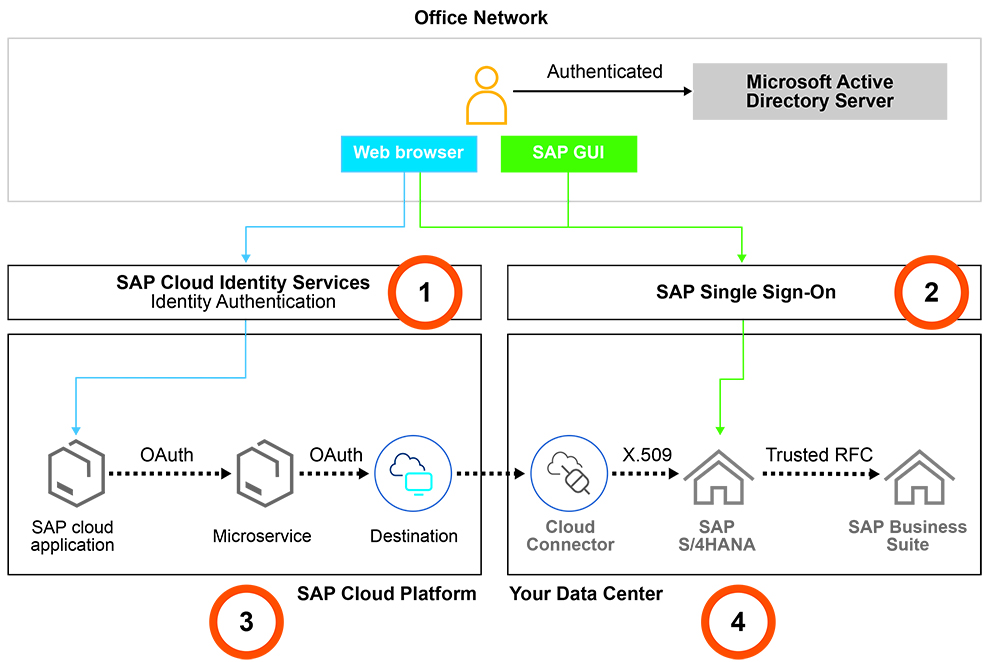
The Power of SAP Identity Management System
In today’s digital age, managing user identities and access rights is crucial for organisations to ensure data security and regulatory compliance. SAP Identity Management System stands out as a robust solution that streamlines identity lifecycle management and access governance.
Key Features of SAP Identity Management System:
- Centralised Identity Management: SAP IDM provides a centralised platform to manage user identities, roles, and access privileges across the enterprise.
- Automated Provisioning: The system automates user provisioning and deprovisioning processes, reducing manual errors and ensuring timely access management.
- Role-Based Access Control: Organisations can define roles and associated permissions, enabling granular control over user access based on job responsibilities.
- Self-Service Capabilities: SAP IDM offers self-service options for users to request access rights or reset passwords, enhancing user experience while reducing administrative burden.
- Audit and Compliance Reporting: The system generates comprehensive audit trails and compliance reports to demonstrate adherence to regulatory requirements and internal policies.
Benefits of Implementing SAP Identity Management System:
By implementing SAP IDM, organisations can experience the following benefits:
- Enhanced Security: Strengthen security posture by enforcing consistent access controls and reducing the risk of unauthorised access.
- Increased Efficiency: Streamline identity management processes, leading to faster onboarding/offboarding of employees and contractors.
- Compliance Adherence: Simplify compliance with regulations such as GDPR, SOX, and HIPAA through automated policy enforcement and reporting capabilities.
- Cost Savings: Reduce operational costs associated with manual identity management tasks through automation and self-service functionalities.
In Conclusion
SAP Identity Management System empowers organisations to efficiently manage user identities, control access rights, and ensure compliance with regulatory requirements. By leveraging its advanced features and benefits, businesses can strengthen their security posture while improving operational efficiency in today’s dynamic IT landscape.
Enhancing Security and Efficiency: Six Essential Tips for Managing SAP Identity Management Systems
- Ensure proper user access control by defining roles and permissions accurately.
- Regularly review and update user access rights to maintain security.
- Implement strong authentication methods such as multi-factor authentication for added security.
- Integrate SAP Identity Management with other systems for streamlined identity management processes.
- Provide adequate training to users on how to use the system effectively and securely.
- Monitor system logs and user activities for any suspicious behaviour or potential security threats.
Ensure proper user access control by defining roles and permissions accurately.
To maximise the effectiveness of SAP Identity Management System, it is essential to ensure proper user access control by accurately defining roles and permissions. By clearly delineating roles and associated permissions within the system, organisations can establish granular control over user access based on job responsibilities. This approach not only enhances security by preventing unauthorised access but also streamlines identity management processes, ensuring that users have the necessary access privileges to perform their duties effectively. Properly defined roles and permissions are key to maintaining data integrity, regulatory compliance, and operational efficiency within the SAP IDM environment.
Regularly review and update user access rights to maintain security.
Regularly reviewing and updating user access rights is a fundamental practice in maintaining the security of SAP Identity Management System. By conducting routine audits and assessments of user permissions, organisations can ensure that access rights align with employees’ current roles and responsibilities. This proactive approach helps prevent unauthorised access to sensitive data and minimises the risk of insider threats. Regular reviews also support compliance efforts by identifying and addressing any discrepancies or violations promptly, ultimately enhancing the overall security posture of the system.
Implement strong authentication methods such as multi-factor authentication for added security.
Enhancing the security of your SAP Identity Management System can be achieved by implementing robust authentication measures, such as multi-factor authentication. By requiring users to provide multiple forms of verification before accessing sensitive data or systems, you significantly reduce the risk of unauthorised access and potential security breaches. Multi-factor authentication adds an extra layer of protection, making it harder for malicious actors to compromise user accounts and ensuring a more secure environment for your organisation’s critical assets.
Integrate SAP Identity Management with other systems for streamlined identity management processes.
Integrating SAP Identity Management with other systems allows for seamless coordination and automation of identity management processes across the organisation. By connecting SAP IDM with various platforms and applications, businesses can achieve a unified approach to managing user identities, access rights, and roles. This integration not only enhances operational efficiency but also ensures consistency in access controls and user provisioning, ultimately strengthening security measures and simplifying compliance efforts.
Provide adequate training to users on how to use the system effectively and securely.
To maximise the benefits of SAP Identity Management System, it is essential to provide users with adequate training on how to utilise the system effectively and securely. By offering comprehensive training sessions, organisations can ensure that users understand the functionalities of the system, know how to perform tasks accurately, and are aware of best practices for maintaining data security. Proper training not only enhances user proficiency but also minimises the risk of errors and security breaches, ultimately contributing to a more secure and efficient identity management process within the organisation.
Monitor system logs and user activities for any suspicious behaviour or potential security threats.
It is essential to monitor system logs and user activities in SAP Identity Management System to detect any suspicious behaviour or potential security threats. By regularly reviewing logs and tracking user actions, organisations can proactively identify anomalies, unauthorised access attempts, or policy violations. This proactive approach enables timely intervention to mitigate risks, strengthen security measures, and safeguard critical data and resources within the system. Regular monitoring of system logs and user activities is a fundamental practice in maintaining a secure and compliant environment in SAP IDM.