
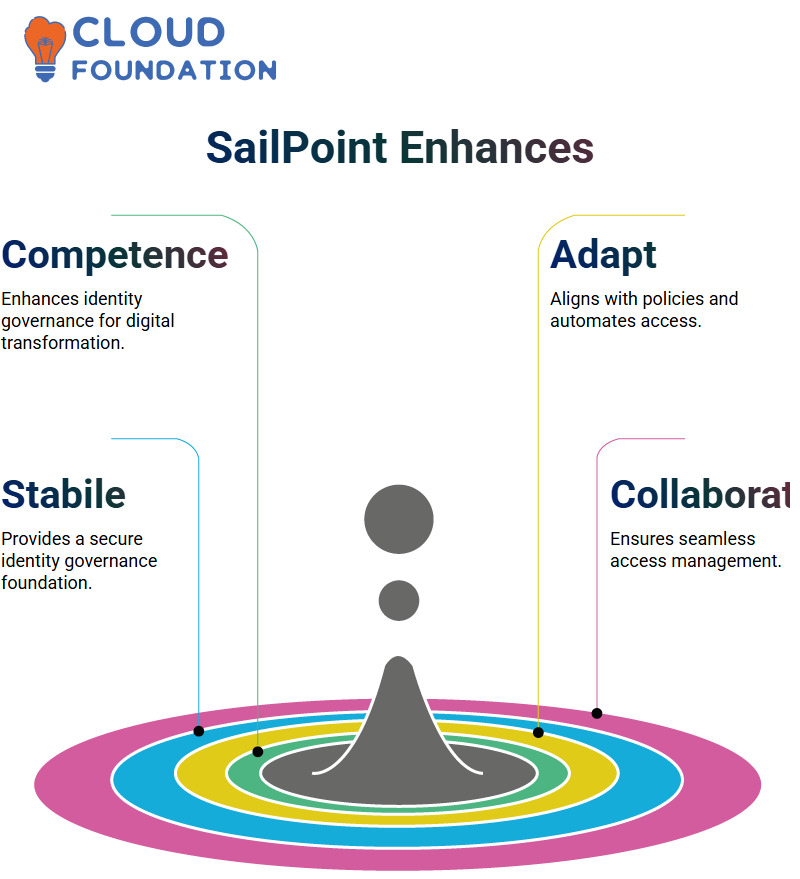
The Importance of SailPoint Identity Access Management
In today’s digital age, where data breaches and cyber threats are on the rise, managing user identities and controlling access to sensitive information has become paramount for organisations. This is where SailPoint Identity Access Management (IAM) solutions play a crucial role in ensuring security, compliance, and efficiency within an enterprise.
SailPoint IAM is a comprehensive platform that enables organisations to govern and secure user access to applications, data, and systems. By centralising identity management processes, SailPoint helps businesses streamline user provisioning, manage access privileges, enforce security policies, and monitor user activity across the network.
One of the key benefits of SailPoint IAM is its ability to provide a single view of user identities and their access rights. This unified approach allows organisations to have greater visibility into who has access to what resources, detect potential risks or violations in real-time, and take proactive measures to mitigate security threats.
Furthermore, SailPoint IAM offers automated workflows for onboarding and offboarding employees, contractors, and partners. This not only enhances operational efficiency but also ensures that access privileges are granted or revoked promptly based on roles or changes in status.
Compliance with regulatory requirements such as GDPR, HIPAA, or SOX is another area where SailPoint IAM shines. The platform helps organisations establish and enforce policies that align with industry standards, conduct regular access reviews for audit purposes, and generate detailed reports to demonstrate compliance with data protection laws.
As cyber threats continue to evolve and become more sophisticated, having a robust IAM solution like SailPoint becomes essential for safeguarding critical assets and maintaining trust with customers. With features like multi-factor authentication, identity governance analytics, and privileged access management capabilities, SailPoint empowers organisations to stay ahead of security challenges while enabling seamless collaboration across departments.
In conclusion, SailPoint Identity Access Management is not just a tool for managing user identities; it is a strategic investment in strengthening cybersecurity posture and ensuring operational resilience. By implementing SailPoint IAM solutions, organisations can effectively protect their digital assets from unauthorised access or misuse while fostering a culture of security awareness and compliance.
Enhancing Security with SailPoint: Six Essential Tips for Effective Identity Access Management
- Implement role-based access control to manage user permissions effectively.
- Regularly review and update user access rights to ensure compliance and security.
- Utilise automated provisioning and deprovisioning processes for efficient user lifecycle management.
- Enable multi-factor authentication to add an extra layer of security for user verification.
- Monitor user activity and set up alerts for any suspicious behaviour or policy violations.
- Provide training and awareness programs to educate users on best practices for maintaining secure access.
Implement role-based access control to manage user permissions effectively.
Implementing role-based access control (RBAC) is a fundamental tip when it comes to managing user permissions effectively in SailPoint Identity Access Management. By assigning users to specific roles based on their job functions or responsibilities, organisations can streamline access management processes, reduce the risk of human error, and ensure that users have the appropriate level of access to resources. RBAC simplifies the task of granting or revoking access rights, enhances security by limiting unnecessary privileges, and facilitates compliance with regulatory requirements. Overall, incorporating RBAC into SailPoint IAM enables organisations to establish a structured and efficient approach to managing user permissions while maintaining a high level of security and governance.
Regularly review and update user access rights to ensure compliance and security.
Regularly reviewing and updating user access rights is a critical practice in SailPoint Identity Access Management to uphold compliance and enhance security measures. By conducting routine audits of user permissions and privileges, organisations can identify any discrepancies, remove unnecessary access, and prevent potential security breaches. This proactive approach not only ensures that users have the appropriate level of access aligned with their roles but also helps in maintaining compliance with regulatory requirements. Regular reviews of user access rights in SailPoint IAM platform enable organisations to stay agile in responding to evolving threats and business needs, ultimately strengthening their overall security posture.
Utilise automated provisioning and deprovisioning processes for efficient user lifecycle management.
By utilising automated provisioning and deprovisioning processes within SailPoint Identity Access Management, organisations can significantly enhance their user lifecycle management efficiency. Automated provisioning ensures that users receive the necessary access privileges promptly upon onboarding, reducing manual errors and delays in granting permissions. Similarly, automated deprovisioning streamlines the process of revoking access rights when employees leave or change roles, mitigating security risks associated with lingering access. This proactive approach not only improves operational efficiency but also strengthens security posture by ensuring that access privileges align with users’ current roles and responsibilities throughout their lifecycle within the organisation.
Enable multi-factor authentication to add an extra layer of security for user verification.
Enabling multi-factor authentication in SailPoint Identity Access Management is a highly recommended practice to enhance security measures for user verification. By requiring users to provide additional proof of identity beyond passwords, such as a code sent to their mobile device or biometric data, organisations can significantly reduce the risk of unauthorised access. This extra layer of security not only strengthens the authentication process but also adds an essential safeguard against potential cyber threats, ensuring that sensitive information remains protected and secure within the enterprise environment.
Monitor user activity and set up alerts for any suspicious behaviour or policy violations.
To enhance security and proactively address potential risks in SailPoint Identity Access Management, it is crucial to monitor user activity closely and establish alerts for any suspicious behaviour or policy violations. By continuously tracking user actions within the system, organisations can quickly detect anomalies, unauthorised access attempts, or deviations from established security policies. Setting up alerts ensures that security teams are promptly notified of any irregularities, allowing them to investigate and respond to incidents in a timely manner. This proactive approach not only helps in mitigating security threats but also reinforces compliance with regulatory requirements by addressing policy violations swiftly and effectively.
Provide training and awareness programs to educate users on best practices for maintaining secure access.
It is essential to provide training and awareness programs to educate users on best practices for maintaining secure access within SailPoint Identity Access Management. By offering comprehensive training sessions, organisations can empower users with the knowledge and skills needed to navigate the IAM platform effectively, understand security protocols, and follow best practices for managing access rights. Through ongoing awareness initiatives, users can stay informed about the latest security threats, learn how to identify potential risks, and contribute to a culture of cybersecurity diligence across the organisation. Training and awareness programmes play a vital role in enhancing user compliance, reducing security incidents, and strengthening overall cybersecurity posture within the SailPoint environment.