
Legal Compliance Management Software: Ensuring Regulatory Adherence
In today’s complex regulatory landscape, organisations face increasing challenges in meeting legal requirements and ensuring compliance with a myriad of laws and regulations. Legal compliance management software has emerged as a crucial tool to help businesses navigate this intricate web of rules and regulations.
What is Legal Compliance Management Software?
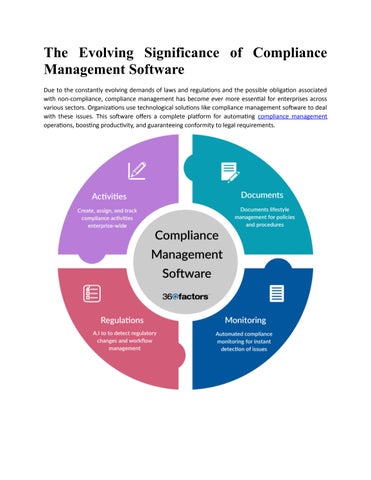
Legal compliance management software is a specialised solution designed to assist organisations in managing, monitoring, and ensuring adherence to legal requirements relevant to their industry. This software streamlines the compliance process by centralising regulatory information, automating compliance tasks, and providing real-time insights into an organisation’s compliance status.
The Benefits of Legal Compliance Management Software
Implementing legal compliance management software offers several key benefits:
- Efficiency: By automating compliance tasks such as document tracking, policy management, and audit trails, organisations can save time and resources.
- Risk Mitigation: Proactively identifying and addressing compliance issues helps mitigate risks associated with non-compliance, such as fines, penalties, and reputational damage.
- Centralised Information: Having a central repository for all regulatory requirements enables easy access to information and ensures consistency in compliance efforts across the organisation.
- Real-Time Monitoring: Legal compliance management software provides real-time insights into an organisation’s compliance status, allowing for timely corrective actions when deviations occur.
- Audit Readiness: With comprehensive reporting capabilities and audit trails, organisations can demonstrate their adherence to legal requirements during regulatory audits.
The Future of Legal Compliance Management Software
As regulations continue to evolve and become more stringent, the demand for effective legal compliance management software is expected to grow. Future developments in this field may include advanced analytics capabilities for predictive compliance monitoring, integration with emerging technologies such as artificial intelligence for risk assessment, and enhanced customisation options to meet industry-specific regulatory needs.
Organisations that invest in legal compliance management software demonstrate their commitment to upholding ethical standards, protecting stakeholders’ interests, and maintaining a competitive edge in today’s highly regulated business environment.
Maximising Efficiency and Mitigating Risks: The Benefits of Legal Compliance Management Software
- Automates compliance tasks, saving time and resources.
- Provides real-time insights into compliance status for proactive monitoring.
- Centralises regulatory information for easy access and consistency.
- Helps mitigate risks associated with non-compliance, such as fines and penalties.
- Enhances audit readiness with comprehensive reporting capabilities.
- Improves efficiency by streamlining document tracking and policy management.
- Ensures adherence to legal requirements, safeguarding against reputational damage.
- Facilitates customisation to meet industry-specific regulatory needs.
Challenges of Implementing Legal Compliance Management Software: A Look at Costs, Complexity, and User Adoption
- Initial Cost
- Complexity
- Integration Issues
- Maintenance Requirements
- Customisation Limitations
- User Resistance
Automates compliance tasks, saving time and resources.
Automating compliance tasks through legal compliance management software is a significant advantage that can greatly benefit organisations. By streamlining processes such as document tracking, policy management, and audit trails, this software effectively saves valuable time and resources that would otherwise be spent on manual compliance efforts. This automation not only increases operational efficiency but also allows employees to focus on strategic initiatives and core business activities, ultimately enhancing productivity and driving overall organisational success.
Provides real-time insights into compliance status for proactive monitoring.
Legal compliance management software offers a significant advantage by providing real-time insights into an organisation’s compliance status, enabling proactive monitoring of regulatory adherence. This feature allows businesses to swiftly identify any deviations from legal requirements and take immediate corrective actions, thereby reducing the risk of non-compliance consequences such as fines, penalties, or reputational damage. By continuously monitoring compliance status in real-time, organisations can stay ahead of potential issues and maintain a proactive approach to meeting regulatory obligations effectively.
Centralises regulatory information for easy access and consistency.
Centralising regulatory information is a key advantage of legal compliance management software. By consolidating all relevant laws, regulations, and compliance requirements in one central repository, organisations can easily access the information they need to ensure adherence to legal standards. This centralisation promotes consistency in compliance efforts across different departments and locations, reducing the risk of overlooking or misinterpreting critical regulatory details. Having a single source of truth for regulatory information streamlines decision-making processes and enhances overall compliance efficiency within the organisation.
Helps mitigate risks associated with non-compliance, such as fines and penalties.
Legal compliance management software plays a crucial role in helping organisations mitigate risks linked to non-compliance, including potential fines and penalties. By automating compliance tasks and providing real-time monitoring of regulatory adherence, this software enables businesses to proactively identify and address compliance issues before they escalate. By staying ahead of regulatory requirements, organisations can avoid costly penalties, maintain a good reputation, and uphold ethical standards within their industry.
Enhances audit readiness with comprehensive reporting capabilities.
Legal compliance management software enhances audit readiness by providing organisations with comprehensive reporting capabilities. By centralising regulatory information and automating compliance tasks, this software enables businesses to generate detailed reports that showcase their adherence to legal requirements. These reports not only demonstrate the organisation’s commitment to compliance but also streamline the audit process by providing auditors with easy access to relevant data and audit trails. Ultimately, the robust reporting features of legal compliance management software ensure that organisations are well-prepared for regulatory audits, helping them maintain transparency and accountability in their operations.
Improves efficiency by streamlining document tracking and policy management.
Legal compliance management software offers a significant advantage by enhancing efficiency through the streamlined tracking of documents and management of policies. By centralising these crucial aspects of compliance, organisations can save valuable time and resources that would otherwise be spent on manual tracking and monitoring. This streamlined process not only increases productivity but also ensures that all necessary documents and policies are up-to-date and easily accessible, contributing to a more effective and organised approach to regulatory adherence.
Ensures adherence to legal requirements, safeguarding against reputational damage.
Legal compliance management software plays a crucial role in ensuring adherence to legal requirements, thereby safeguarding organisations against reputational damage. By automating compliance tasks and providing real-time monitoring of regulatory adherence, this software helps mitigate the risks associated with non-compliance. Proactively identifying and addressing compliance issues before they escalate not only protects the organisation from potential fines and penalties but also upholds its reputation as a trustworthy and law-abiding entity in the eyes of stakeholders and the public.
Facilitates customisation to meet industry-specific regulatory needs.
Legal compliance management software offers a significant advantage by enabling organisations to customise the system to align with industry-specific regulatory requirements. This flexibility allows businesses to tailor their compliance processes, documentation, and monitoring protocols to address the unique legal obligations and standards relevant to their sector. By accommodating industry nuances and intricacies, organisations can ensure a more precise and targeted approach to compliance management, ultimately enhancing regulatory adherence and reducing the risk of non-compliance penalties.
Initial Cost
Legal compliance management software, despite its numerous benefits, presents a notable con in the form of initial costs. The implementation and training associated with such software can entail substantial upfront expenses, potentially creating a financial hurdle for certain organisations. This initial investment requirement may deter some businesses from adopting legal compliance management software, especially those operating on tight budgets or facing resource constraints. Balancing the long-term advantages of enhanced compliance efficiency with the immediate financial implications of implementation costs is a crucial consideration for organisations evaluating the adoption of such software solutions.
Complexity
The complexity of legal compliance management software can present a significant challenge for users. Navigating through the intricate features and functionalities of the software may require extensive training and ongoing support to fully grasp its capabilities and use it effectively. The learning curve associated with mastering the complexities of the software can be daunting, potentially leading to delays in implementation and hindering organisations from maximising the benefits of such a tool.
Integration Issues
Integrating legal compliance management software with existing systems and processes can present a significant challenge for organisations. The process can be time-consuming and complex, requiring careful planning and coordination to ensure a smooth transition. Integration issues may arise due to compatibility issues with legacy systems, data migration challenges, and the need for staff training on the new software. Disruptions to operations during the integration period can impact productivity and potentially lead to compliance gaps if not managed effectively. Organisations must carefully assess the integration requirements and allocate resources accordingly to minimise any potential disruptions and ensure a successful implementation of legal compliance management software.
Maintenance Requirements
Regular maintenance and updates are crucial for legal compliance management software to remain effective and relevant. However, this maintenance requirement can present a significant con for organisations, as it adds to the overall cost of ownership. Ensuring that the software is up-to-date with the latest regulatory changes and security patches requires dedicated resources and ongoing investment. Failure to keep the software maintained can lead to compliance gaps and potential risks, highlighting the importance of balancing the benefits of legal compliance management software with the associated maintenance costs.
Customisation Limitations
Off-the-shelf legal compliance management software may present a significant drawback in the form of customisation limitations. These constraints can make it challenging for organisations to tailor the software to meet their specific needs and unique regulatory requirements. As businesses operate in diverse industries with varying compliance obligations, the inability to customise the software may hinder its effectiveness in addressing specific nuances of legal adherence. Organisations seeking a more bespoke approach to compliance management may find themselves constrained by the rigid structure of off-the-shelf solutions, potentially compromising their ability to achieve optimal regulatory compliance outcomes.
User Resistance
User resistance can pose a significant challenge when implementing legal compliance management software within an organisation. Employees may be hesitant to embrace the software due to perceived disruptions in their workflow or apprehensions regarding data privacy. This resistance can hinder the successful adoption of the software and impede efforts to streamline compliance processes. Addressing these concerns through effective communication, training, and transparency about data security measures is crucial in overcoming user resistance and ensuring the smooth integration of legal compliance management software into daily operations.