
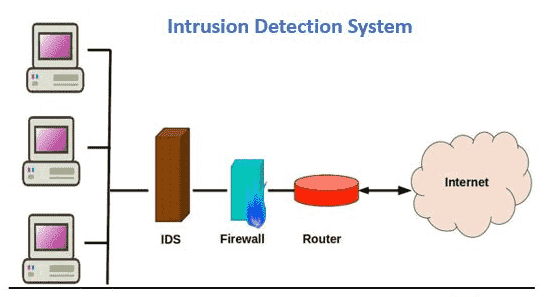
Intrusion Detection Systems in Network Security
Modern organisations rely on connected systems to store information, deliver services and communicate with customers. This connectivity also creates opportunities for cybercriminals. An intrusion detection system (IDS) helps security teams identify suspicious activity on a network or computer system, providing an important layer of protection against cyber threats.
What is an intrusion detection system?
An intrusion detection system monitors network traffic or activity on devices for signs of potential attacks, unauthorised access or policy breaches. When it detects something unusual, it generates an alert so that a security team can investigate and decide what action to take.
An IDS is primarily designed to detect and report suspicious activity. Unlike an intrusion prevention system (IPS), it does not usually block traffic automatically. Some security products combine detection and prevention capabilities, but the two functions are distinct.
How does an IDS work?
An IDS gathers data from network connections, devices or applications and analyses it for indicators of risk. Depending on the system, it may compare activity with known attack patterns, establish a baseline of normal behaviour or use a combination of both approaches.
When the system identifies activity that meets a detection rule or appears abnormal, it records the event and sends an alert. The alert may include details such as the time of the event, the affected device, the traffic involved and the reason it was flagged. Analysts use this information to determine whether the event is a genuine threat or a false alarm.
Types of intrusion detection system
Network-based IDS
A network-based intrusion detection system (NIDS) monitors traffic moving across selected parts of a network. It can help identify suspicious connections, unusual traffic patterns and attempts to exploit known vulnerabilities. NIDS sensors are often placed at key points, such as network gateways or between important network segments.
Host-based IDS
A host-based intrusion detection system (HIDS) runs on an individual server, workstation or other device. It can monitor activity such as changes to important files, system logs, configuration settings and processes. A HIDS provides visibility into a particular device, complementing the broader view offered by a NIDS.
Other approaches
Some systems focus on wireless networks, while others monitor application activity or analyse behaviour across multiple systems. Organisations may use several types of IDS together to improve visibility across their environment.
Common detection methods
Signature-based detection
Signature-based detection looks for known patterns associated with malicious activity, such as recognisable attack sequences or suspicious data. It can be effective at identifying threats that have already been documented, but may not recognise new or significantly altered attacks. Its effectiveness also depends on keeping detection rules up to date.
Anomaly-based detection
Anomaly-based detection compares current activity with a baseline of expected behaviour. Unusual activity, such as an unexpected increase in data transfers or connections at an unfamiliar time, may trigger an alert. This method can help uncover previously unseen threats, although legitimate changes in usage may also generate alerts.
Stateful protocol analysis
Stateful protocol analysis examines network activity in the context of expected protocol behaviour. It can identify communications that do not follow established standards or appear inconsistent with normal use. This approach can provide useful insight, but needs to be configured with care to avoid overlooking valid activity.
Why is an IDS important?
An IDS can help organisations detect potential security incidents sooner and give teams a clearer view of activity across their networks. Its benefits include:
- Earlier warning: Alerts can highlight suspicious behaviour before it develops into a more serious incident.
- Greater visibility: Monitoring helps security teams understand what is happening across network segments or individual devices.
- Incident investigation: Event records can support investigations and help establish what happened and when.
- Policy monitoring: Detection rules can identify activity that may breach internal security policies.
- Support for security operations: IDS alerts can contribute to wider monitoring and incident-response processes.
IDS limitations
An IDS is not a complete security solution. It can produce false positives, where legitimate activity is flagged as suspicious, and false negatives, where a genuine threat goes undetected. Large volumes of alerts can also make it difficult for teams to identify the most important events.
Encrypted traffic may limit what a network-based system can inspect, depending on how and where monitoring takes place. In addition, an IDS can only provide useful results when it is properly configured, maintained and reviewed. It does not replace measures such as access controls, patch management, secure configuration, backups or staff awareness.
Best practices for using an IDS
- Define clear objectives: Decide which systems and risks need the most attention before selecting monitoring rules and locations.
- Place sensors thoughtfully: Monitor critical network boundaries and segments, while considering performance and privacy requirements.
- Keep rules and software current: Update signatures, detection logic and system components regularly.
- Tune alerts: Review recurring false positives and adjust rules without weakening protection against genuine threats.
- Establish an investigation process: Set out who reviews alerts, how incidents are escalated and what evidence should be retained.
- Integrate with other controls: Where appropriate, combine IDS data with logs from firewalls, endpoint tools, identity systems and other security platforms.
- Test and review: Regularly assess whether the system is detecting relevant activity and whether the response process works as intended.
Choosing an IDS
The right IDS depends on an organisation’s size, network design, regulatory obligations and available security expertise. Consider the environments it can monitor, the quality of its reporting, the effort required to manage alerts and how easily it integrates with existing tools. It is also important to assess how the system handles encrypted traffic and how its data collection aligns with privacy and retention policies.
Organisations should evaluate an IDS in the context of their wider security programme rather than treating it as a standalone product. A system that generates alerts without a clear process for reviewing and acting on them is unlikely to deliver its full value.
Conclusion
An intrusion detection system helps organisations identify suspicious activity by monitoring network traffic, devices or applications. It can strengthen security visibility and support faster investigations, but its effectiveness depends on good configuration, regular maintenance and a clear response process. Used alongside other security controls, an IDS can play a valuable role in protecting networks and managing cyber risk.
Essential Tips for Optimising Intrusion Detection Systems in Network Security
- Place sensors at key network entry and exit points.
- Keep detection rules and signatures up to date.
- Monitor alerts regularly and investigate unusual activity.
- Tune rules to reduce false alarms.
- Test the system and review its coverage routinely.
Place sensors at key network entry and exit points.
Place IDS sensors at key network entry and exit points, such as internet gateways and connections between critical network segments. These locations give the system visibility of traffic entering or leaving important parts of your network, helping it spot suspicious connections, unusual data transfers and potential attacks. Consider your network layout when positioning sensors, and check that they can monitor the relevant traffic without creating performance bottlenecks.
Keep detection rules and signatures up to date.
Keep your IDS detection rules and signatures up to date so it can recognise the latest known threats and attack techniques. Security vendors regularly release updates as new indicators are identified; applying them promptly helps reduce gaps in coverage. Review and test changes as part of your update process to ensure they suit your network and do not generate unnecessary alerts.
Monitor alerts regularly and investigate unusual activity.
Monitor intrusion detection system alerts regularly and investigate unusual activity promptly. Reviewing alerts as they arise can help your security team distinguish genuine threats from false positives, identify patterns that might otherwise go unnoticed and respond before a potential incident escalates. Make sure each alert is assessed, documented and escalated according to your incident-response procedures.
Tune rules to reduce false alarms.
Tune your IDS rules regularly to reduce false alarms and help security teams focus on genuine threats. Review alerts to identify patterns of legitimate activity that are being flagged, then adjust thresholds or create carefully scoped exceptions. Avoid disabling rules without assessing the risk, and revisit changes as your network and normal usage evolve.
Test the system and review its coverage routinely.
Test your intrusion detection system regularly and review what it can see across your network. Confirm that sensors are collecting data from critical systems and network segments, and use safe, authorised tests to check that relevant activity generates the expected alerts. Review any gaps, outdated rules or false alarms, then update the system as your network changes. Routine testing helps ensure the IDS remains useful and that security teams can respond confidently to the events it detects.