
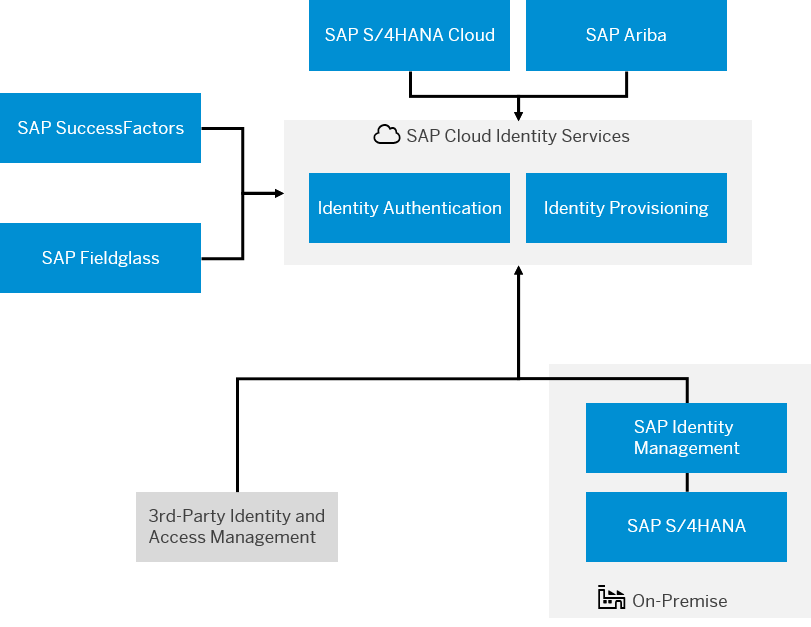
The Importance of Identity Management on the Cloud
In today’s digital age, businesses are increasingly moving their operations to the cloud to benefit from scalability, flexibility, and cost-efficiency. However, with this shift comes the critical need for robust identity management solutions to secure access to cloud resources and protect sensitive data.
Challenges of Identity Management on the Cloud
Managing identities in a traditional on-premises environment is vastly different from managing them in the cloud. With employees accessing resources from various locations and devices, ensuring secure authentication and authorisation becomes more complex. Moreover, the dynamic nature of cloud environments requires continuous monitoring and adjustment of access controls to prevent security breaches.
The Role of Identity Management Solutions
Identity management solutions play a crucial role in addressing these challenges by providing centralised control over user access rights and permissions. Through features such as single sign-on (SSO), multi-factor authentication (MFA), and role-based access control (RBAC), organisations can enforce security policies and mitigate risks associated with unauthorised access.
Benefits of Identity Management on the Cloud
Implementing identity management on the cloud offers several benefits, including enhanced security, improved compliance with regulations such as GDPR and HIPAA, increased productivity through streamlined access processes, and reduced administrative overhead. Organisations can also leverage identity analytics to detect anomalies and potential threats proactively.
Best Practices for Cloud Identity Management
- Implement strong password policies and regular password rotations.
- Enable MFA for an additional layer of security.
- Regularly review user access permissions to ensure least privilege principles.
- Monitor user activity and set up alerts for suspicious behaviour.
- Integrate identity management with other security tools for comprehensive protection.
Conclusion
In conclusion, effective identity management is essential for securing cloud environments and safeguarding sensitive data against cyber threats. By investing in robust identity management solutions and following best practices, organisations can establish a strong foundation for their cloud security strategy and ensure a seamless user experience while maintaining compliance with regulatory requirements.
Top 7 Essential Tips for Effective Identity Management in the Cloud
- Implement multi-factor authentication to enhance security.
- Regularly review and update user access permissions.
- Use strong encryption to protect sensitive data.
- Monitor user activities for any unusual behaviour.
- Ensure compliance with data protection regulations.
- Train employees on best practices for identity management.
- Consider implementing a single sign-on solution for easier access control.
Implement multi-factor authentication to enhance security.
Implementing multi-factor authentication (MFA) is a crucial step in enhancing security when managing identities on the cloud. By requiring users to provide multiple forms of verification before accessing resources, such as a password and a unique code sent to their mobile device, organisations can significantly reduce the risk of unauthorised access and data breaches. MFA adds an extra layer of protection that strengthens overall security posture and helps safeguard sensitive information from cyber threats in today’s dynamic cloud environments.
Regularly review and update user access permissions.
Regularly reviewing and updating user access permissions is a critical aspect of effective identity management on the cloud. By routinely assessing and adjusting user privileges based on job roles, responsibilities, and changes within the organisation, businesses can ensure that only authorised individuals have access to sensitive data and resources. This practice not only enhances security but also helps maintain compliance with regulatory requirements by adhering to the principle of least privilege. Keeping access permissions up to date minimises the risk of unauthorised access and reduces the potential impact of security breaches, contributing to a more secure and well-managed cloud environment.
Use strong encryption to protect sensitive data.
Utilising strong encryption is paramount when it comes to safeguarding sensitive data in cloud environments. By encrypting data both at rest and in transit, organisations can ensure that even if unauthorised access occurs, the information remains unintelligible and protected from potential breaches. Strong encryption methods add an extra layer of security, enhancing the overall resilience of identity management systems on the cloud and reducing the risk of data exposure.
Monitor user activities for any unusual behaviour.
Monitoring user activities for any unusual behaviour is a crucial aspect of effective identity management on the cloud. By regularly tracking and analysing user actions, organisations can quickly identify potential security threats, such as unauthorised access attempts or suspicious activity patterns. Detecting anomalies in user behaviour allows for timely intervention to mitigate risks and prevent potential data breaches. Implementing robust monitoring practices ensures that any deviations from normal usage patterns are promptly addressed, enhancing overall security posture in the cloud environment.
Ensure compliance with data protection regulations.
To ensure robust identity management on the cloud, it is imperative for organisations to prioritise compliance with data protection regulations. By adhering to laws such as the GDPR and HIPAA, businesses can safeguard sensitive information and maintain the trust of their customers. Implementing measures such as encryption, access controls, and regular audits not only enhance security but also demonstrate a commitment to data privacy. Compliance with data protection regulations is not only a legal requirement but also a fundamental step in building a secure and trustworthy cloud environment.
Train employees on best practices for identity management.
Training employees on best practices for identity management is a crucial step in ensuring the security of cloud environments. By educating staff on topics such as creating strong passwords, recognising phishing attempts, and following access control policies, organisations can empower their workforce to be proactive in safeguarding sensitive data. With proper training, employees become valuable assets in maintaining a secure IT environment and reducing the risk of security breaches related to identity management on the cloud.
Consider implementing a single sign-on solution for easier access control.
Consider implementing a single sign-on (SSO) solution for easier access control in your cloud environment. By utilising SSO, users can access multiple applications and services with a single set of credentials, streamlining the authentication process and enhancing user experience. This not only improves productivity but also strengthens security by reducing the risk of password fatigue and simplifying access management for administrators. Embracing SSO as part of your identity management strategy can significantly enhance efficiency and security in the cloud.