
The Importance of Identity Access Management Software Tools
Identity Access Management (IAM) software tools play a crucial role in modern cybersecurity strategies. As organisations increasingly rely on digital systems and cloud services, managing access to sensitive data and resources has become more complex and challenging. IAM tools offer a comprehensive solution to control and secure user identities and their access rights within an organisation.
Enhanced Security
One of the primary benefits of IAM software tools is enhanced security. By implementing robust authentication mechanisms, such as multi-factor authentication and single sign-on, organisations can significantly reduce the risk of unauthorised access to critical systems and data. IAM tools also enable administrators to enforce security policies, monitor user activities, and detect suspicious behaviour in real-time.
Efficient Access Management
IAM software tools streamline access management processes by centralising user identity information and access controls. This centralised approach simplifies the onboarding and offboarding of employees, contractors, and partners, ensuring that individuals have the appropriate level of access based on their roles and responsibilities. Automated provisioning and deprovisioning capabilities help reduce human errors and ensure compliance with regulatory requirements.
Compliance and Auditability
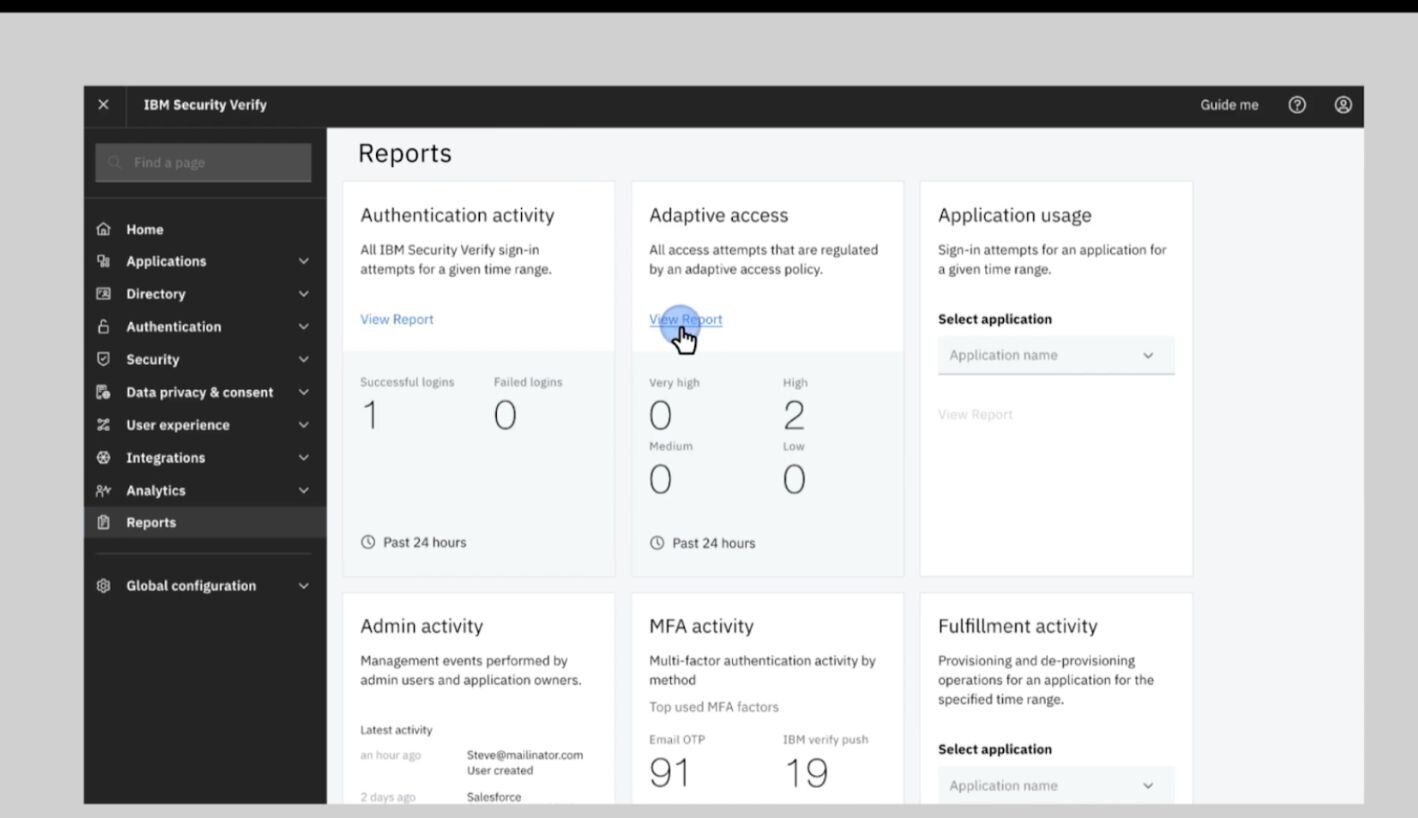
For organisations operating in regulated industries, IAM software tools are essential for maintaining compliance with data protection laws and industry standards. These tools provide detailed audit logs, reporting functionalities, and policy enforcement mechanisms that support compliance efforts. By tracking user access permissions and activities, organisations can demonstrate accountability and transparency to regulatory authorities.
Scalability and Flexibility
Modern IAM software tools are designed to scale alongside the growth of an organisation. Whether expanding geographically or adopting new technologies, IAM solutions offer flexibility to adapt to changing business requirements. Cloud-based IAM platforms provide scalability without compromising security, allowing organisations to efficiently manage identities across diverse environments.
Conclusion
In conclusion, identity access management software tools are indispensable for safeguarding digital assets, ensuring operational efficiency, and meeting compliance obligations. Organisations that invest in robust IAM solutions not only strengthen their cybersecurity posture but also enhance user experience by providing seamless access to resources. As cyber threats continue to evolve, implementing comprehensive IAM strategies is paramount for protecting sensitive information and maintaining trust with stakeholders.
8 Essential Tips for Optimising Identity Access Management Software Tools
- Ensure that the IAM software tools support multi-factor authentication for enhanced security.
- Regularly review and update user access permissions to prevent unauthorized access.
- Integrate IAM tools with existing systems for seamless user management across platforms.
- Implement role-based access control to assign appropriate levels of access to users based on their roles.
- Monitor user activity and set up alerts for any suspicious behaviour to detect potential security threats.
- Provide regular training to users on best practices for managing their identities and access rights.
- Regularly audit user permissions and remove unnecessary access rights to reduce security risks.
- Backup IAM configurations regularly to ensure quick recovery in case of system failures or data loss.
Ensure that the IAM software tools support multi-factor authentication for enhanced security.
To maximise security measures within your organisation, it is crucial to ensure that the Identity Access Management (IAM) software tools you utilise support multi-factor authentication. By implementing multi-factor authentication, which requires users to verify their identity through multiple methods such as passwords, biometrics, or security tokens, you add an extra layer of protection against unauthorised access. This additional security measure significantly enhances the overall security posture of your systems and data, mitigating the risks associated with potential cyber threats.
Regularly review and update user access permissions to prevent unauthorized access.
Regularly reviewing and updating user access permissions is a fundamental practice in identity access management software tools to prevent unauthorised access. By conducting routine audits of user permissions, organisations can ensure that individuals only have access to the resources necessary for their roles. This proactive approach not only reduces the risk of security breaches but also enhances overall data protection measures. By staying vigilant and promptly adjusting access permissions as needed, organisations can minimise vulnerabilities and maintain a secure environment for their digital assets.
Integrate IAM tools with existing systems for seamless user management across platforms.
Integrating Identity Access Management (IAM) tools with existing systems is a valuable tip to ensure seamless user management across platforms. By integrating IAM tools with existing systems, organisations can centralise user identity information and access controls, enabling consistent management of user permissions and access rights across different platforms and applications. This integration streamlines user onboarding processes, enhances security by enforcing uniform access policies, and simplifies the overall administration of user identities within the organisation. Ultimately, integrating IAM tools with existing systems promotes efficiency, reduces complexity, and strengthens the overall security posture of the organisation.
Implement role-based access control to assign appropriate levels of access to users based on their roles.
Implementing role-based access control (RBAC) is a fundamental tip when utilising identity access management software tools. By assigning access permissions based on users’ roles within an organisation, RBAC ensures that individuals have the appropriate level of access to resources and data needed to perform their job functions effectively. This approach not only enhances security by limiting unnecessary privileges but also simplifies access management processes, streamlining user provisioning and reducing the risk of unauthorised access. With RBAC, organisations can enforce least privilege principles, mitigate insider threats, and maintain compliance with regulatory requirements by aligning access rights with job responsibilities.
Monitor user activity and set up alerts for any suspicious behaviour to detect potential security threats.
Monitoring user activity and setting up alerts for any suspicious behaviour are essential practices when utilising identity access management software tools. By closely monitoring user interactions and access patterns, organisations can proactively detect potential security threats before they escalate. Setting up alerts for unusual activities or deviations from established norms enables quick identification of malicious behaviour, helping to prevent data breaches and unauthorised access to sensitive information. This proactive approach enhances overall security posture and ensures a timely response to any potential security incidents within the IT environment.
Provide regular training to users on best practices for managing their identities and access rights.
Providing regular training to users on best practices for managing their identities and access rights is a crucial tip when utilising identity access management software tools. By educating users on the importance of safeguarding their credentials, understanding access permissions, and following security protocols, organisations can empower their employees to contribute to a more secure digital environment. Regular training sessions help reinforce awareness of potential risks and encourage proactive behaviour in maintaining the integrity of user identities within the system. This proactive approach not only enhances security posture but also fosters a culture of responsibility and accountability among users, ultimately contributing to a more robust IAM strategy.
Regularly audit user permissions and remove unnecessary access rights to reduce security risks.
Regularly auditing user permissions and eliminating unnecessary access rights is a fundamental practice in enhancing security within an organisation’s digital ecosystem. By conducting routine audits, administrators can identify and rectify any instances of over-privileged accounts or dormant user access, thereby reducing the potential attack surface and mitigating security risks. This proactive approach not only strengthens the overall security posture but also ensures that users have the appropriate level of access needed to perform their roles effectively, aligning with the principle of least privilege.
Backup IAM configurations regularly to ensure quick recovery in case of system failures or data loss.
Regularly backing up IAM configurations is a critical practice to ensure swift recovery in the event of system failures or data loss. By maintaining up-to-date backups of IAM configurations, organisations can minimise downtime and mitigate the impact of unexpected incidents. These backups serve as a safeguard against potential risks, allowing administrators to restore access controls and user identities promptly. Prioritising regular backups not only enhances the resilience of IAM systems but also demonstrates a proactive approach to maintaining the integrity and availability of critical identity management resources.