
IAM Solutions in Gartner’s Magic Quadrant: A Closer Look
Gartner’s Magic Quadrant is a renowned research report that evaluates the performance of various technology vendors in specific markets. When it comes to Identity and Access Management (IAM) solutions, being positioned in Gartner’s Magic Quadrant is a significant achievement that showcases a vendor’s capabilities and vision.
Organisations rely on Gartner’s analysis to make informed decisions about their IAM strategies and investments. The Magic Quadrant categorises vendors into four quadrants: Leaders, Challengers, Visionaries, and Niche Players, based on their completeness of vision and ability to execute.
The Importance of Gartner’s Magic Quadrant for IAM Solutions
For vendors offering IAM solutions, inclusion in Gartner’s Magic Quadrant can lead to increased visibility, credibility, and market recognition. Being positioned as a Leader indicates that a vendor has a strong track record of delivering high-quality IAM products and services that meet customer needs.
Challengers are vendors with the ability to execute effectively but may lack the same level of vision as Leaders. Visionaries are known for their innovative approaches to IAM but may need to demonstrate stronger execution capabilities. Niche Players focus on specific market segments or niche offerings within the IAM space.
What to Consider When Evaluating IAM Solutions in Gartner’s Magic Quadrant
When reviewing IAM solutions listed in Gartner’s Magic Quadrant, organisations should consider factors such as scalability, integration capabilities, security features, ease of use, customer support, and alignment with their specific business requirements.
It is essential for organisations to conduct thorough evaluations and assessments before selecting an IAM solution from vendors featured in Gartner’s Magic Quadrant. Understanding how each vendor aligns with your organisation’s goals and objectives is crucial for making an informed decision.
In Conclusion
Gartner’s Magic Quadrant serves as a valuable resource for organisations seeking reliable information on IAM solutions and vendors. By leveraging the insights provided in the report, organisations can identify reputable vendors that offer robust IAM solutions tailored to their unique needs.
Understanding IAM Solutions: Key Functions, Core Principles, Future Trends, and Top Tools According to Gartner
- What does an IAM solution do?
- What are the 5 A’s of IAM?
- What is the future of IAM Gartner?
- Which IAM tool is best?
What does an IAM solution do?
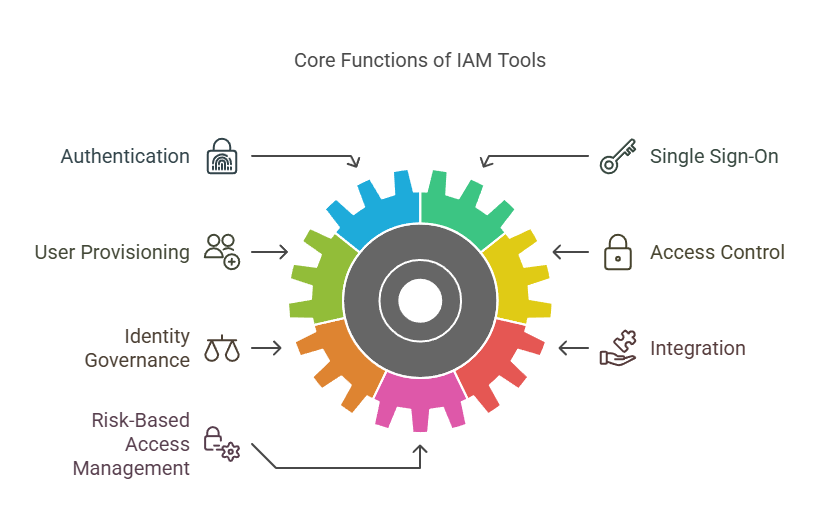
An IAM solution, as evaluated in Gartner’s analysis, plays a crucial role in managing and securing digital identities within an organisation. It provides a comprehensive framework for controlling access to systems, applications, and data based on users’ roles and responsibilities. IAM solutions facilitate the authentication and authorisation of users, ensuring that only authorised individuals can access specific resources. Additionally, these solutions streamline user provisioning and deprovisioning processes, enhancing operational efficiency while reducing security risks associated with unauthorised access. In essence, an IAM solution serves as the cornerstone of a robust cybersecurity strategy by safeguarding sensitive information and mitigating potential threats posed by identity-related vulnerabilities.
What are the 5 A’s of IAM?
The concept of the “5 A’s of IAM” is a common framework used in the realm of Identity and Access Management (IAM) to outline key principles for effective implementation. The 5 A’s typically refer to Authentication, Authorisation, Access Control, Accountability, and Audit. Authentication involves verifying the identity of users accessing systems or data. Authorisation determines what resources users are allowed to access based on their roles or permissions. Access Control focuses on managing and restricting user privileges to mitigate security risks. Accountability ensures that actions taken within the system can be traced back to individual users. Audit involves monitoring and recording activities to maintain compliance and detect any suspicious behaviour. Understanding and implementing these 5 A’s is essential for establishing a robust IAM framework within an organisation.
What is the future of IAM Gartner?
The future of IAM (Identity and Access Management) as assessed by Gartner holds significant promise and evolution in the realm of cybersecurity. Gartner’s ongoing research and analysis suggest that IAM solutions will continue to adapt to the changing landscape of digital identities, access controls, and security threats. The future of IAM in Gartner’s perspective is likely to see advancements in areas such as biometric authentication, zero trust security models, identity governance, and privileged access management. As organisations increasingly embrace cloud services, mobile devices, and IoT technologies, IAM solutions are expected to become more integrated, intelligent, and user-centric to meet the evolving demands of modern cybersecurity challenges.
Which IAM tool is best?
When it comes to selecting the best IAM tool for your organisation, it is essential to consider a variety of factors to determine which solution aligns most closely with your specific requirements and objectives. Gartner’s evaluation of IAM solutions in its Magic Quadrant provides valuable insights into the strengths and capabilities of different vendors. The best IAM tool for your organisation will depend on various factors such as scalability, integration capabilities, security features, ease of use, customer support, and overall alignment with your business needs. Conducting a thorough assessment and understanding how each tool meets your unique criteria will help you make an informed decision on selecting the IAM solution that best suits your organisation’s goals.