
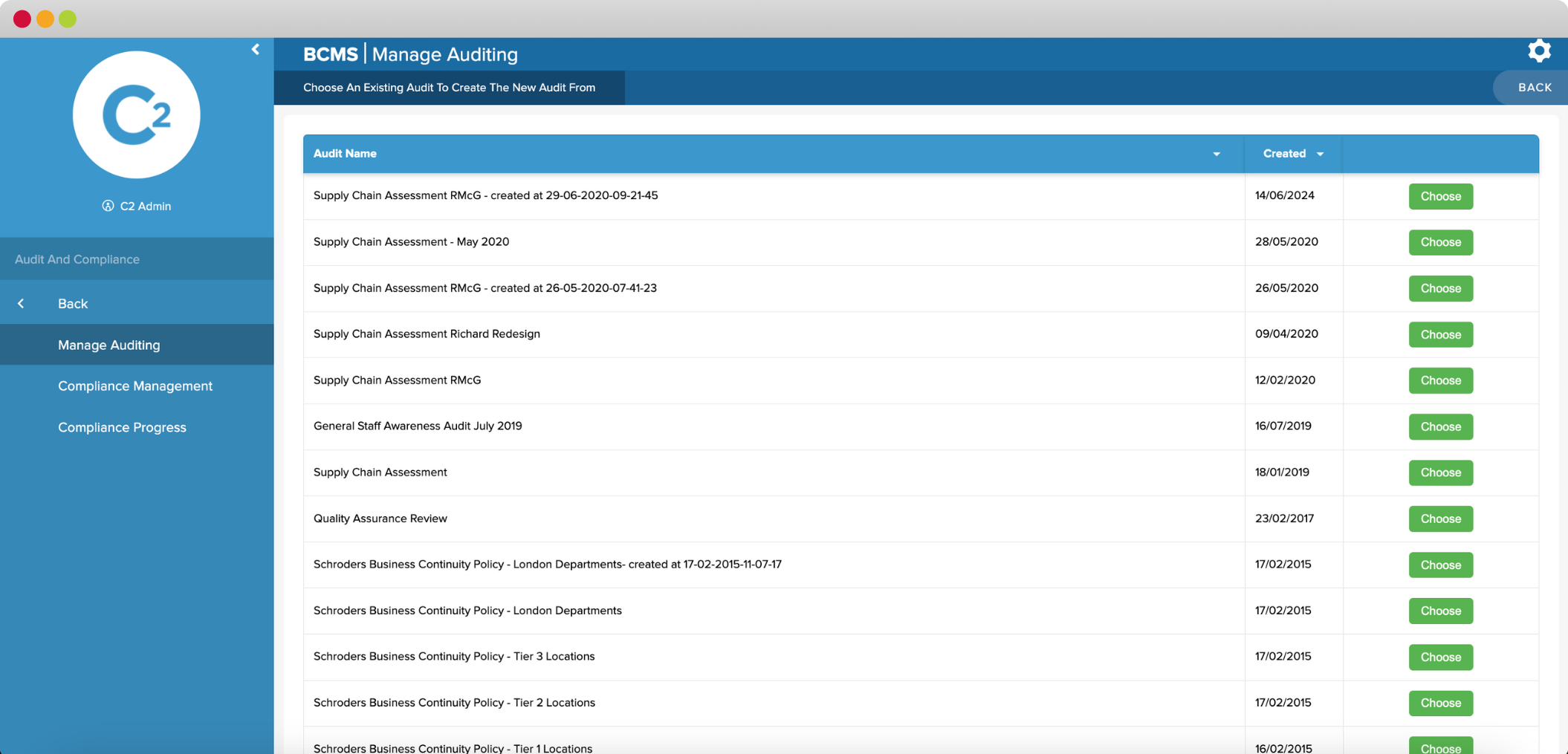
H&S Compliance Software: Ensuring Workplace Safety
In today’s fast-paced and ever-changing work environments, ensuring health and safety compliance is paramount. Employers have a legal and moral obligation to provide a safe working environment for their employees. This is where Health and Safety (H&S) compliance software plays a crucial role.
What is H&S Compliance Software?
H&S compliance software is a digital solution designed to help organisations manage and monitor their health and safety obligations effectively. It provides tools for risk assessment, incident reporting, training tracking, audit management, and regulatory compliance.
The Benefits of H&S Compliance Software
Implementing H&S compliance software offers numerous benefits:
- Efficiency: Streamlines processes such as incident reporting and risk assessments, saving time and reducing administrative burden.
- Accuracy: Ensures data accuracy through centralised storage of information, reducing the risk of errors.
- Compliance: Helps organisations stay compliant with health and safety regulations by providing tools for monitoring and reporting.
- Visibility: Provides real-time visibility into health and safety performance through dashboards and reports.
- Risk Management: Enables proactive identification of risks and hazards, leading to better risk management strategies.
Choosing the Right H&S Compliance Software
When selecting H&S compliance software for your organisation, consider the following factors:
- User-Friendly Interface: Ensure the software is easy to use for all employees involved in health and safety management.
- Customisation Options: Look for software that can be tailored to your organisation’s specific needs and processes.
- Integration Capabilities: Choose software that can integrate with existing systems to ensure seamless data flow.
…
…
9 Essential Tips for Optimising Health and Safety Compliance Software
- Ensure the software is user-friendly for easy adoption by all employees.
- Regularly update the software to stay compliant with changing regulations.
- Customise the software to fit your specific health and safety requirements.
- Provide thorough training to employees on how to use the software effectively.
- Integrate the software with other relevant systems for seamless data sharing.
- Set up alerts and notifications within the software for timely compliance reminders.
- Regularly audit and review data entered into the software for accuracy and completeness.
- Assign clear responsibilities for managing and maintaining the software within your organisation.
- Keep documentation organised within the software for easy access during audits or inspections.
Ensure the software is user-friendly for easy adoption by all employees.
When considering H&S compliance software for your organisation, it is crucial to prioritise user-friendliness to facilitate smooth adoption by all employees. An intuitive interface and easy navigation not only encourage active engagement with the software but also empower staff at all levels to effectively participate in health and safety management processes. By ensuring that the software is user-friendly, organisations can enhance overall compliance efforts and promote a culture of safety awareness among their workforce.
Regularly update the software to stay compliant with changing regulations.
To ensure ongoing compliance with evolving health and safety regulations, it is essential to regularly update your H&S compliance software. By staying up-to-date with software updates, organisations can align their systems with the latest regulatory requirements and best practices. This proactive approach not only helps in meeting legal obligations but also enhances the effectiveness of health and safety management processes. Regular updates ensure that the software remains robust, secure, and equipped to address new compliance challenges as they arise.
Customise the software to fit your specific health and safety requirements.
Customising the H&S compliance software to align with your specific health and safety requirements is a key tip for maximising its effectiveness. By tailoring the software to your organisation’s unique needs, you can ensure that it addresses the specific risks and challenges you face. Customisation allows you to streamline processes, capture relevant data, and generate reports that are directly relevant to your operations. This approach not only enhances compliance with regulations but also boosts overall workplace safety by focusing on areas that matter most to your business.
Provide thorough training to employees on how to use the software effectively.
It is essential to provide thorough training to employees on how to use H&S compliance software effectively. Proper training ensures that employees understand the functionalities of the software, enabling them to utilise its features optimally. By investing in comprehensive training programmes, organisations can empower their staff to navigate the software with confidence, leading to improved health and safety practices across the workplace. Effective training also promotes user adoption and reduces the likelihood of errors, ultimately enhancing overall compliance efforts within the organisation.
Integrate the software with other relevant systems for seamless data sharing.
Integrating H&S compliance software with other relevant systems is a crucial tip to enhance workplace safety measures. By seamlessly sharing data between different platforms, organisations can ensure that critical information related to health and safety is consistently updated and readily accessible. This integration not only improves efficiency by eliminating duplicate data entry but also enhances the overall effectiveness of risk management strategies. By connecting H&S compliance software with other systems, businesses can create a unified approach towards maintaining a safe working environment for their employees.
Set up alerts and notifications within the software for timely compliance reminders.
Setting up alerts and notifications within your H&S compliance software is a crucial tip to ensure timely compliance reminders. By configuring these notifications, organisations can proactively remind employees and stakeholders of upcoming deadlines, training requirements, or safety checks. This feature helps maintain a high level of awareness and accountability within the workplace, ultimately contributing to a safer and more compliant working environment. Timely reminders through alerts ensure that necessary actions are taken promptly, reducing the risk of non-compliance and enhancing overall health and safety practices.
Regularly audit and review data entered into the software for accuracy and completeness.
Regularly auditing and reviewing the data entered into H&S compliance software is crucial to maintaining a high standard of accuracy and completeness in health and safety management. By conducting routine audits, organisations can identify any discrepancies or errors in the data, ensuring that the information stored is reliable and up-to-date. This practice not only enhances the overall effectiveness of the software but also helps in proactively addressing any potential compliance issues before they escalate. Consistent monitoring and review of data integrity play a vital role in promoting a culture of accountability and continuous improvement within the workplace.
Assign clear responsibilities for managing and maintaining the software within your organisation.
Assigning clear responsibilities for managing and maintaining the H&S compliance software within your organisation is essential for ensuring its effectiveness. By clearly defining roles and responsibilities, you can establish accountability and ownership over the software’s upkeep. Designating individuals or teams to oversee tasks such as software updates, data maintenance, user training, and compliance monitoring helps streamline operations and promotes a culture of proactive health and safety management. Clear responsibilities also facilitate communication and collaboration among staff members, ensuring that the software is optimally utilised to enhance workplace safety standards.
Keep documentation organised within the software for easy access during audits or inspections.
Keeping documentation organised within H&S compliance software is essential for ensuring easy access during audits or inspections. By maintaining a structured and easily navigable repository of documents, organisations can streamline the auditing process and demonstrate compliance effectively. Having all relevant information readily accessible not only saves time but also enhances transparency and accountability in demonstrating adherence to health and safety regulations. Properly organised documentation within the software serves as a valuable resource for auditors, enabling them to efficiently review records and verify compliance measures without unnecessary delays or complications.