
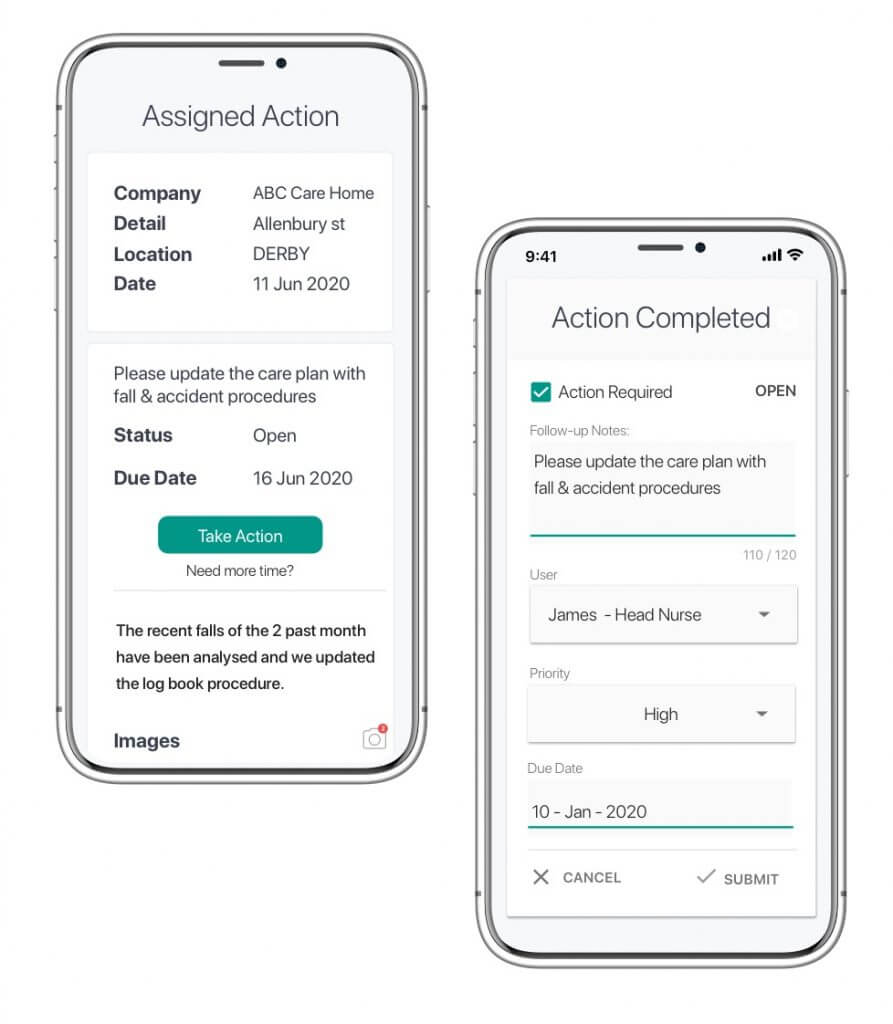
Enhancing Healthcare Quality and Compliance with Software Solutions
In the ever-evolving landscape of healthcare, quality of care and regulatory compliance are paramount. Healthcare providers face increasing pressure to deliver high-quality services while adhering to stringent industry regulations. This is where healthcare quality and compliance software plays a crucial role in ensuring that organisations meet these standards effectively.
Improving Patient Care
Healthcare quality software enables providers to streamline processes, track outcomes, and monitor performance indicators to enhance patient care. By leveraging data analytics and reporting tools, healthcare professionals can identify areas for improvement, implement best practices, and ultimately deliver better outcomes for patients.
Ensuring Regulatory Compliance
Compliance software helps healthcare organisations navigate the complex web of regulations governing the industry. From data security measures to billing practices, compliance solutions ensure that providers adhere to legal requirements and industry standards. By automating compliance processes and providing real-time monitoring capabilities, software solutions help mitigate risks and avoid costly penalties.
Streamlining Operations
Healthcare quality and compliance software also play a vital role in streamlining operations within healthcare facilities. By centralising data management, automating workflows, and facilitating communication between departments, these solutions improve efficiency and reduce administrative burden. This allows healthcare professionals to focus more on patient care rather than paperwork.
The Future of Healthcare Software
As technology continues to advance, the future of healthcare quality and compliance software looks promising. With features such as artificial intelligence, predictive analytics, and interoperability becoming more prevalent, providers can expect even greater insights into patient care delivery and regulatory adherence. By embracing these innovative solutions, healthcare organisations can stay ahead of the curve in an increasingly complex industry.
In conclusion, healthcare quality and compliance software are essential tools for modern healthcare providers looking to improve patient outcomes, maintain regulatory compliance, and streamline operations. By investing in these solutions, organisations can enhance the overall quality of care they provide while ensuring they meet the highest standards of excellence in a rapidly changing healthcare landscape.
Understanding Healthcare Quality and Compliance Software: Key Features, Benefits, and Future Trends
- What is healthcare quality and compliance software?
- How does healthcare quality software improve patient care?
- What are the key features of compliance software in healthcare?
- How can healthcare organisations benefit from using quality and compliance software?
- What regulations does healthcare compliance software help organisations adhere to?
- Is healthcare quality and compliance software customizable to suit different organisational needs?
- How does healthcare quality and compliance software streamline operations within a facility?
- What are the future trends in healthcare quality and compliance software development?
- Are there any case studies or success stories showcasing the impact of using these software solutions in healthcare?
What is healthcare quality and compliance software?
Healthcare quality and compliance software is a specialised tool designed to assist healthcare providers in maintaining high standards of care delivery while ensuring adherence to regulatory requirements. This software encompasses a range of features aimed at improving patient outcomes, streamlining operations, and mitigating risks associated with non-compliance. By leveraging data analytics, reporting capabilities, and automated processes, healthcare quality and compliance software empowers organisations to monitor performance metrics, identify areas for improvement, and stay abreast of industry regulations. Ultimately, this technology serves as a comprehensive solution to help healthcare providers deliver superior care while meeting the complex demands of regulatory compliance in the healthcare sector.
How does healthcare quality software improve patient care?
Healthcare quality software plays a crucial role in enhancing patient care by enabling healthcare providers to streamline processes, track outcomes, and monitor performance indicators effectively. By leveraging advanced data analytics and reporting tools, healthcare professionals can identify areas for improvement, implement best practices, and ultimately deliver better outcomes for patients. This software empowers providers to proactively address issues, optimise treatment plans, and ensure that patients receive high-quality care tailored to their specific needs. Additionally, by facilitating comprehensive data analysis and performance monitoring, healthcare quality software enables healthcare teams to make informed decisions that result in improved patient experiences and overall health outcomes.
What are the key features of compliance software in healthcare?
When it comes to compliance software in healthcare, key features play a vital role in ensuring that organisations meet regulatory requirements and industry standards effectively. These features typically include robust data security measures to protect sensitive patient information, automated monitoring and auditing capabilities to track compliance in real-time, comprehensive reporting tools to demonstrate adherence to regulations, and integration with existing systems for seamless workflow management. By incorporating these key features, compliance software empowers healthcare providers to navigate the complex regulatory landscape with confidence and efficiency.
How can healthcare organisations benefit from using quality and compliance software?
Healthcare organisations can benefit significantly from using quality and compliance software in various ways. These software solutions provide a streamlined approach to monitoring and improving patient care quality by enabling healthcare professionals to track outcomes, identify areas for enhancement, and implement best practices. Moreover, compliance software ensures that organisations adhere to regulatory requirements, reducing the risk of penalties and enhancing data security measures. By centralising data management, automating workflows, and facilitating communication between departments, these software tools streamline operations, allowing healthcare professionals to focus more on delivering high-quality care to patients efficiently.
What regulations does healthcare compliance software help organisations adhere to?
Healthcare compliance software plays a vital role in helping organisations adhere to a multitude of regulations governing the healthcare industry. These regulations encompass a wide range of areas, including data security (such as GDPR and HIPAA), billing and coding practices (such as ICD-10 and CPT coding guidelines), patient safety standards (including NHS Patient Safety Strategy), and regulatory requirements specific to healthcare facilities (such as Care Quality Commission regulations in the UK). By leveraging healthcare compliance software, organisations can ensure they meet these regulatory standards, mitigate risks, and maintain the highest levels of quality and compliance in their operations.
Is healthcare quality and compliance software customizable to suit different organisational needs?
Healthcare quality and compliance software is often designed to be highly customizable to accommodate the diverse needs of various healthcare organisations. These software solutions typically offer configurable options that allow users to tailor the system to their specific requirements, whether it be related to workflow processes, reporting metrics, or regulatory standards. By providing flexibility in customisation, healthcare quality and compliance software can effectively adapt to the unique challenges and priorities of different organisations, ensuring that they can meet their quality and compliance goals efficiently and effectively.
How does healthcare quality and compliance software streamline operations within a facility?
Healthcare quality and compliance software streamline operations within a facility by centralising data management, automating workflows, and facilitating seamless communication between different departments. By consolidating critical information into a single platform, staff can access relevant data quickly and efficiently, reducing the time spent on manual tasks. Automated workflows help standardise processes, ensuring consistency in operations and minimising errors. Furthermore, improved communication tools enable real-time collaboration among healthcare professionals, enhancing coordination and decision-making. Overall, this software optimises efficiency, enhances productivity, and ultimately allows healthcare providers to focus more on delivering high-quality care to patients.
What are the future trends in healthcare quality and compliance software development?
The future trends in healthcare quality and compliance software development are poised to revolutionise the industry. Advancements in technology, such as artificial intelligence, machine learning, and predictive analytics, are expected to play a significant role in enhancing the capabilities of these software solutions. With a focus on interoperability and data integration, future developments will enable seamless communication between different systems and stakeholders, leading to more comprehensive insights into patient care delivery and regulatory compliance. As healthcare providers strive for greater efficiency and effectiveness in their operations, the evolution of healthcare quality and compliance software will continue to drive innovation and improve outcomes across the industry.
Are there any case studies or success stories showcasing the impact of using these software solutions in healthcare?
Many healthcare organisations have documented compelling case studies and success stories highlighting the transformative impact of implementing quality and compliance software solutions in their operations. These real-world examples demonstrate how such software has improved patient outcomes, streamlined processes, ensured regulatory adherence, and enhanced overall quality of care delivery. By showcasing measurable results and tangible benefits, these case studies serve as valuable resources for other healthcare providers considering the adoption of similar software solutions to elevate their standards of care and operational efficiency.