
The Role of GRC Platforms in Enhancing Organisational Compliance
In today’s complex business landscape, organisations face a myriad of challenges when it comes to governance, risk management, and compliance (GRC). Regulatory requirements are becoming more stringent, cyber threats are on the rise, and stakeholders demand transparency and accountability. In this environment, leveraging GRC platforms software has become essential for businesses to streamline their processes and ensure compliance with regulations.
What are GRC Platforms?
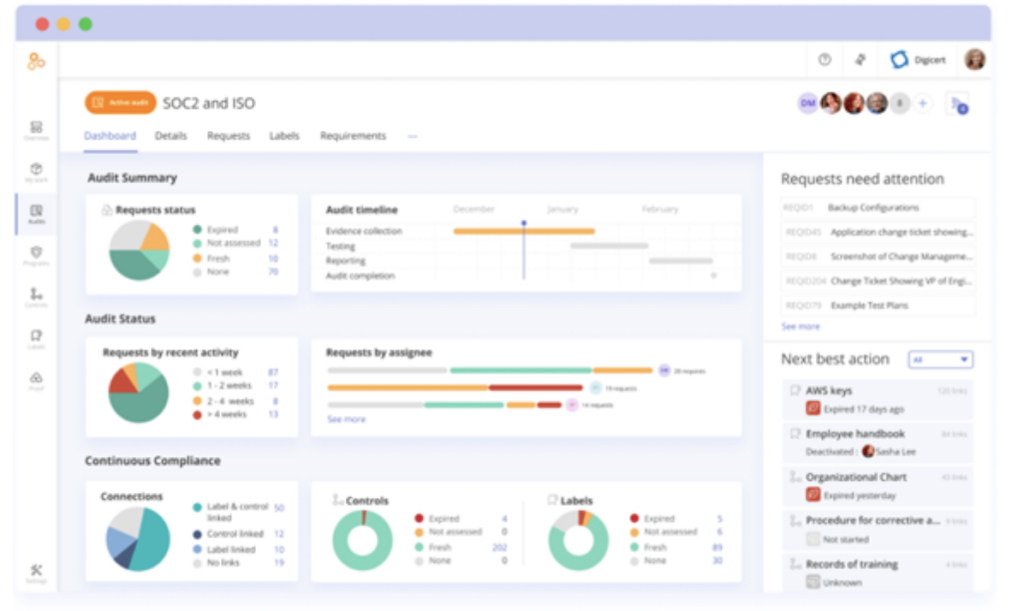
GRC platforms software refers to integrated solutions that help organisations manage their governance, risk management, and compliance activities in a cohesive manner. These platforms typically offer functionalities such as policy management, risk assessment, compliance monitoring, audit trails, and reporting capabilities. By centralising these processes into a single platform, businesses can gain a holistic view of their GRC activities and make informed decisions to mitigate risks.
The Benefits of Using GRC Platforms
Implementing GRC platforms software offers several benefits to organisations:
- Efficiency: By automating manual processes and providing real-time insights into GRC activities, these platforms help businesses operate more efficiently.
- Risk Mitigation: GRC platforms enable organisations to identify and assess risks proactively, allowing them to implement controls to mitigate potential threats.
- Compliance Management: With built-in regulatory frameworks and compliance monitoring tools, businesses can ensure adherence to industry standards and legal requirements.
- Transparency: GRC platforms promote transparency by providing stakeholders with visibility into the organisation’s risk profile, compliance status, and governance practices.
Choosing the Right GRC Platform
When selecting a GRC platform for your organisation, consider the following factors:
- Scalability: Ensure that the platform can scale with your business as it grows and adapts to changing regulatory landscapes.
- User-Friendly Interface: Look for a platform that is intuitive and easy for employees to navigate without extensive training.
- Integration Capabilities: Choose a platform that can seamlessly integrate with existing systems and technologies within your organisation.
- Data Security: Prioritise platforms that offer robust security measures to protect sensitive information from cyber threats.
In conclusion, GRC platforms software plays a crucial role in helping organisations enhance their governance practices, manage risks effectively, and maintain compliance with regulations. By investing in the right platform tailored to your business needs, you can streamline your GRC processes and build a resilient framework for sustainable growth.
Frequently Asked Questions About GRC Platforms: Understanding Costs, Tools, and Usage
- What are GRC platforms?
- How much does GRC platform cost?
- What is an example of a GRC tool?
- Is Jira a GRC?
- What is the best GRC tools?
- What are some GRC platforms?
- Which GRC is best?
- What is GRC software used for?
What are GRC platforms?
GRC platforms, short for Governance, Risk Management, and Compliance platforms, are integrated software solutions designed to streamline and centralise the management of governance, risk assessment, and compliance activities within an organisation. These platforms offer a comprehensive set of tools and functionalities, including policy management, risk identification and mitigation, compliance monitoring, audit trails, and reporting capabilities. By consolidating these critical functions into a unified platform, GRC platforms enable businesses to gain a holistic view of their governance practices, assess risks proactively, ensure compliance with regulatory requirements, and enhance overall operational efficiency.
How much does GRC platform cost?
The cost of GRC platform software can vary significantly depending on several factors such as the size of the organisation, the scope of functionalities required, the level of customisation needed, and the vendor’s pricing structure. Typically, GRC platforms are priced based on factors like the number of users, modules included, implementation complexity, and ongoing support services. It is advisable for organisations to request quotes from multiple vendors, compare features and pricing plans, and consider the long-term benefits and ROI that a GRC platform can provide in terms of enhanced governance, risk management, and compliance capabilities.
What is an example of a GRC tool?
An example of a popular GRC tool is RSA Archer, a comprehensive platform that offers integrated solutions for governance, risk management, and compliance. RSA Archer provides organisations with a centralised framework to manage policies, assess risks, monitor compliance activities, and generate reports. With its user-friendly interface and customisable features, RSA Archer is widely used by businesses to streamline their GRC processes and enhance overall operational efficiency.
Is Jira a GRC?
The question of whether Jira is a GRC (Governance, Risk, and Compliance) platform is a common one in the realm of GRC platforms software. While Jira, developed by Atlassian, is primarily known as a project management tool that facilitates agile software development, it does not inherently function as a comprehensive GRC platform. Jira’s core focus lies in task tracking, issue management, and team collaboration within the software development lifecycle. However, organisations can customise Jira and integrate it with additional plugins or extensions to support certain aspects of GRC activities, such as risk assessment or compliance tracking. Despite its versatility and adaptability, Jira may not provide all the functionalities required for a robust GRC framework on its own.
What is the best GRC tools?
When it comes to identifying the best GRC tools, the answer may vary depending on the specific needs and requirements of an organisation. The best GRC tool for one company may not necessarily be the most suitable option for another. Factors to consider when determining the optimal GRC tool include scalability, ease of use, integration capabilities, customisation options, reporting functionalities, and compliance with industry regulations. It is essential for businesses to conduct a thorough assessment of their GRC needs and goals before selecting a tool that aligns with their objectives and enhances their governance, risk management, and compliance practices effectively.
What are some GRC platforms?
When exploring GRC platforms software, there are several reputable options available in the market to cater to various organisational needs. Some well-known GRC platforms include RSA Archer, ServiceNow GRC, MetricStream, SAP GRC, and IBM OpenPages. These platforms offer a range of features such as risk assessment, compliance management, policy enforcement, and audit capabilities to help businesses streamline their governance, risk management, and compliance processes effectively. Each platform has its strengths and unique offerings, allowing organisations to select the one that best aligns with their specific requirements and industry regulations.
Which GRC is best?
When it comes to determining the best GRC platform for your organisation, it is essential to consider your specific requirements, industry regulations, and business objectives. The “best” GRC platform will vary depending on factors such as scalability, ease of use, integration capabilities, and security features. Conducting a thorough assessment of different GRC platforms based on your unique needs and conducting demonstrations or trials can help you identify the most suitable solution for enhancing governance, risk management, and compliance within your organisation. It is recommended to seek input from key stakeholders and engage with vendors to understand how their platforms align with your organisational goals before making a decision on which GRC platform is best suited for your business.
What is GRC software used for?
GRC software, short for Governance, Risk, and Compliance software, is a comprehensive solution designed to streamline and integrate governance, risk management, and compliance processes within an organisation. This powerful tool is used to centralise and automate various activities such as policy management, risk assessment, regulatory compliance monitoring, audit trails, and reporting. By leveraging GRC software, businesses can enhance their decision-making capabilities by gaining a holistic view of their GRC activities. Ultimately, GRC software is utilised to help organisations proactively identify risks, ensure adherence to regulatory requirements, and promote transparency and accountability across all levels of the business.