
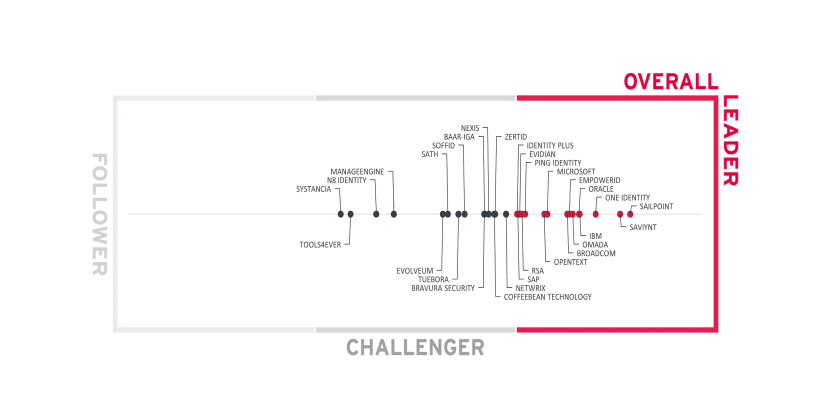
The Importance of Gartner Identity Governance in Today’s Cybersecurity Landscape
In today’s digital age, where cyber threats are constantly evolving and becoming more sophisticated, the need for robust identity governance solutions has never been more critical. Organisations across all industries are recognising the importance of effectively managing and securing user identities to protect their sensitive data and systems. This is where Gartner Identity Governance comes into play as a leading authority in providing cutting-edge solutions.
Gartner, a renowned research and advisory company, has established itself as a trusted source of expertise in the field of IT. Their Identity Governance solutions are designed to help businesses streamline identity management processes, enforce security policies, and ensure compliance with regulations. By leveraging Gartner’s tools and methodologies, organisations can effectively manage user access rights, reduce the risk of data breaches, and improve overall operational efficiency.
One of the key benefits of Gartner Identity Governance is its ability to provide a comprehensive view of user access across an organisation’s IT infrastructure. By centralising identity management processes and implementing automated workflows, businesses can gain better visibility into who has access to what resources and take proactive measures to mitigate potential risks.
Furthermore, Gartner’s solutions offer advanced analytics capabilities that enable organisations to detect anomalies in user behaviour and identify potential security threats in real-time. By leveraging predictive analytics and machine learning algorithms, businesses can stay one step ahead of cyber attackers and prevent unauthorised access to critical systems.
Compliance with regulatory requirements such as GDPR, HIPAA, or PCI DSS is another area where Gartner Identity Governance excels. The platform provides pre-built compliance reports and audit trails that simplify the process of demonstrating adherence to industry regulations. This not only helps organisations avoid costly fines but also enhances their reputation as trustworthy custodians of sensitive data.
In conclusion, Gartner Identity Governance plays a vital role in helping organisations navigate the complex landscape of cybersecurity threats and regulatory challenges. By investing in robust identity governance solutions from Gartner, businesses can strengthen their security posture, improve operational efficiency, and build a solid foundation for sustainable growth in the digital era.
Top 7 Advantages of Gartner Identity Governance: Boost Security, Efficiency, and Trust
- Comprehensive user access management
- Enforcement of security policies
- Automated workflows for efficiency
- Real-time detection of security threats
- Advanced analytics and predictive capabilities
- Simplified compliance reporting
- Enhanced reputation and trustworthiness
Challenges of Gartner Identity Governance: Complexity, Cost, Learning Curve, and Customisation Limits
- Complex Implementation Process
- High Cost of Ownership
- Steep Learning Curve
- Limited Customisation Options
Comprehensive user access management
A standout advantage of Gartner Identity Governance is its provision of comprehensive user access management. By centralising identity management processes and implementing automated workflows, organisations can gain a holistic view of user access across their IT infrastructure. This feature enables businesses to efficiently manage user access rights, monitor permissions, and swiftly identify any anomalies or unauthorized activities. With Gartner’s robust tools and methodologies in place, businesses can enhance security measures, streamline access control processes, and ensure that only authorised individuals have appropriate access to critical systems and data.
Enforcement of security policies
One of the key advantages of Gartner Identity Governance is its robust enforcement of security policies. By implementing Gartner’s solutions, organisations can ensure that strict security measures are in place to protect their sensitive data and systems. Through automated policy enforcement mechanisms, businesses can proactively monitor user access rights, detect policy violations, and take immediate action to mitigate risks. This proactive approach not only enhances data security but also helps organisations maintain compliance with industry regulations, ultimately fostering a culture of accountability and trust within the organisation.
Automated workflows for efficiency
One key advantage of Gartner Identity Governance is its implementation of automated workflows, which significantly enhances operational efficiency within organisations. By automating identity management processes, businesses can streamline user access requests, approvals, and revocations, reducing the burden on IT teams and minimising the risk of human error. This automation not only saves time and resources but also ensures that access rights are granted and revoked promptly according to predefined policies. As a result, organisations can improve productivity, enhance security controls, and maintain compliance with regulatory requirements seamlessly.
Real-time detection of security threats
With Gartner Identity Governance, organisations benefit from the invaluable capability of real-time detection of security threats. This proactive approach allows businesses to swiftly identify and respond to potential security breaches as they occur, mitigating risks and minimising the impact of cyber attacks. By leveraging advanced analytics and monitoring tools, Gartner Identity Governance empowers organisations to stay ahead of evolving threats, safeguarding their critical systems and data with unparalleled efficiency and effectiveness.
Advanced analytics and predictive capabilities
One of the standout advantages of Gartner Identity Governance is its advanced analytics and predictive capabilities. By harnessing cutting-edge technologies such as machine learning and predictive analytics, Gartner’s solutions empower organisations to proactively identify and address potential security threats before they escalate. This proactive approach not only enhances the overall security posture of businesses but also enables them to stay ahead of evolving cyber threats. By leveraging data-driven insights and real-time monitoring, Gartner Identity Governance provides a powerful tool for organisations to bolster their cybersecurity defences and safeguard their critical assets effectively.
Simplified compliance reporting
One significant advantage of Gartner Identity Governance is its ability to simplify compliance reporting for organisations. By providing pre-built compliance reports and audit trails, Gartner’s solution streamlines the process of demonstrating adherence to regulatory requirements such as GDPR, HIPAA, or PCI DSS. This feature not only saves valuable time and resources but also ensures that businesses can easily track and monitor their compliance status, reducing the risk of non-compliance penalties. With Gartner Identity Governance, organisations can confidently navigate complex regulatory landscapes and maintain a strong commitment to data security and privacy standards.
Enhanced reputation and trustworthiness
By implementing Gartner Identity Governance solutions, organisations can significantly enhance their reputation and trustworthiness as reliable custodians of sensitive data. The platform’s ability to enforce security policies, manage user access rights effectively, and demonstrate compliance with industry regulations instils confidence in customers, partners, and stakeholders. By showcasing a proactive approach to cybersecurity and data protection through Gartner’s robust identity governance solutions, businesses can build a strong reputation for safeguarding valuable information and fostering trust within their ecosystem.
Complex Implementation Process
One notable drawback of Gartner Identity Governance is the complex implementation process it entails. Deploying Gartner’s identity governance solutions may demand substantial time and resources, which could result in delays in reaping the benefits of the system. The intricate nature of the implementation process may pose challenges for organisations looking to swiftly enhance their identity management capabilities. As a result, businesses considering Gartner Identity Governance should be prepared to allocate sufficient resources and plan meticulously to navigate through the complexities of implementation effectively.
High Cost of Ownership
The high cost of ownership is a significant drawback of Gartner Identity Governance, as the licensing fees and maintenance costs can be prohibitive for many organisations, particularly smaller businesses. The financial burden of implementing and maintaining Gartner’s solutions may pose a barrier to entry for companies with limited budgets, potentially limiting their ability to benefit from the advanced features and security measures offered by the platform. This cost constraint can hinder smaller organisations from fully leveraging the capabilities of Gartner Identity Governance and may push them towards seeking more affordable alternatives that may not offer the same level of comprehensive identity management and security features.
Steep Learning Curve
One significant drawback of Gartner Identity Governance is the steep learning curve that users may encounter when first engaging with the platform. Navigating the system can be challenging initially, demanding extensive training and ongoing support to grasp its full range of features and functionalities. This complexity can potentially hinder user adoption and slow down the implementation process, impacting overall efficiency and productivity within an organisation. Addressing this con effectively by providing comprehensive training resources and responsive support is crucial to maximising the benefits of Gartner Identity Governance in the long run.
Limited Customisation Options
Some users may encounter a drawback of Gartner Identity Governance due to its limited customisation options. This constraint can restrict the flexibility needed to tailor the solution to meet specific organisational requirements effectively. Organisations with unique workflows or compliance mandates may find it challenging to fully align the platform with their distinct operational processes. The lack of extensive customisation capabilities could potentially hinder the seamless integration of Gartner Identity Governance into diverse IT environments, impacting its adaptability and scalability for certain users.