
The Importance of Employee Compliance Management Software in Today’s Workplace
Employee compliance management is a critical aspect of any organisation’s operations, particularly in industries with strict regulatory requirements such as finance, healthcare, and information technology. Ensuring that employees adhere to internal policies and external regulations is essential for maintaining a secure and ethical work environment.
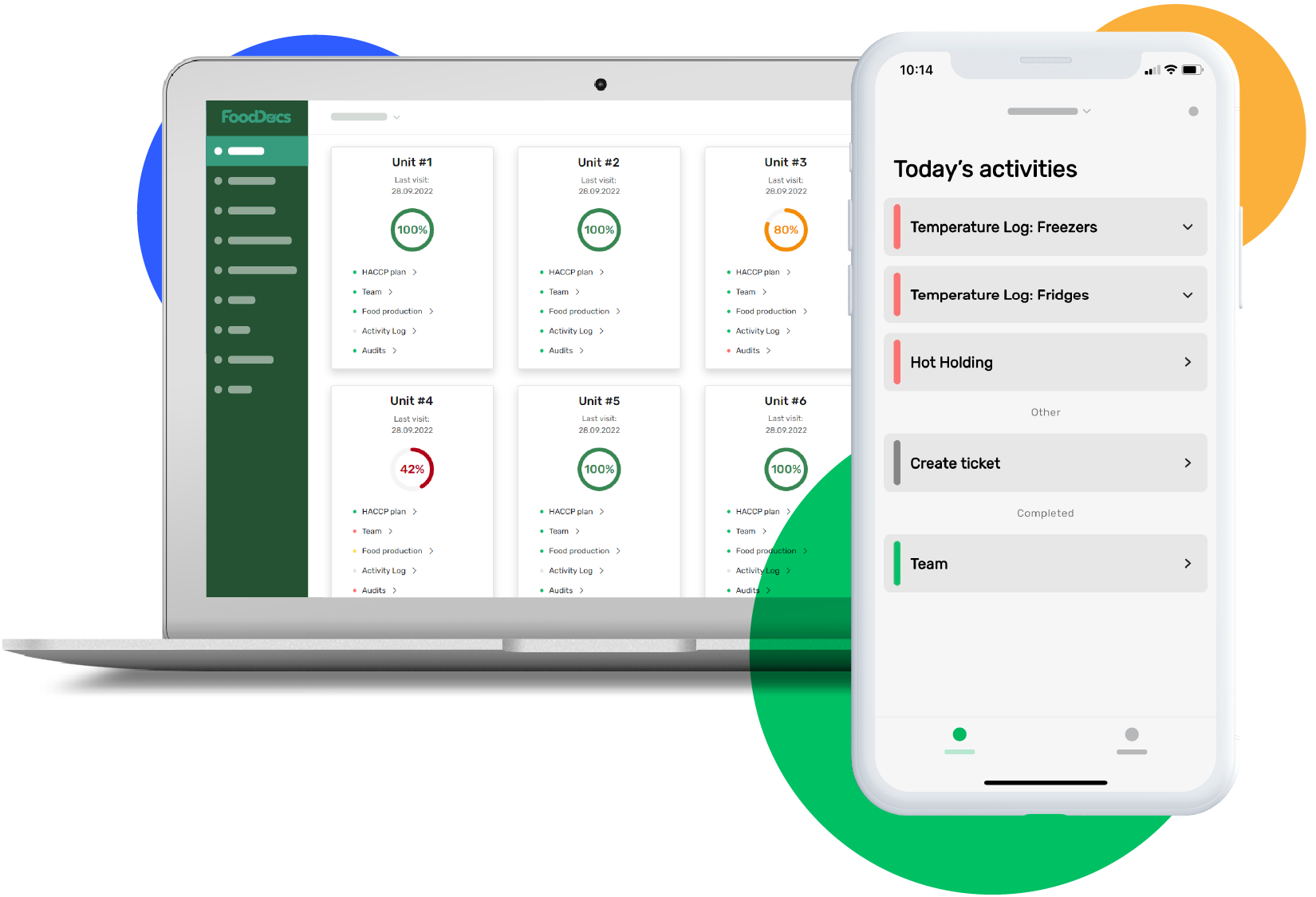
One of the most effective tools for managing employee compliance is specialised software designed to streamline the process and enhance accountability across the workforce. Employee compliance management software offers a range of features that help organisations monitor, track, and enforce compliance standards effectively.
Key Features of Employee Compliance Management Software:
- Policy Documentation: Centralised repository for storing and accessing company policies, procedures, and guidelines.
- Training Modules: Interactive training modules to educate employees on compliance requirements and best practices.
- Audit Trails: Detailed logs that track employee actions related to compliance activities for accountability and reporting purposes.
- Automated Alerts: Notifications to remind employees of upcoming training deadlines, policy updates, or required certifications.
- Risk Assessments: Tools for assessing potential risks associated with non-compliance and developing mitigation strategies.
- Compliance Reporting: Customisable reports that provide insights into employee adherence to compliance standards for management review.
The Benefits of Employee Compliance Management Software:
Implementing employee compliance management software offers numerous benefits for organisations seeking to enhance their regulatory compliance efforts:
- Increased Efficiency: Streamlined processes save time and resources by automating routine compliance tasks.
- Enhanced Accountability: Clear documentation and audit trails hold employees accountable for their actions regarding compliance requirements.
- Risk Mitigation: Proactive risk assessments help identify potential areas of non-compliance before they escalate into serious issues.
- Better Decision-Making: Access to real-time data and analytics enables informed decision-making based on up-to-date compliance information.
- Auditing Capabilities: Simplified audit preparation with comprehensive reports that demonstrate adherence to regulatory standards during audits or inspections.
In conclusion, employee compliance management software plays a crucial role in helping organisations maintain high standards of integrity, security, and legal adherence. By investing in robust software solutions tailored to their specific needs, businesses can foster a culture of compliance awareness among employees while mitigating risks associated with non-compliance. In today’s complex regulatory landscape, effective employee compliance management is not just a best practice – it’s a strategic imperative for long-term success.
Six Essential Tips for Effective Employee Compliance Management Software Implementation
- Ensure the software is user-friendly for easy adoption by employees.
- Customise the software to align with your company’s specific compliance requirements.
- Regularly update and maintain the software to ensure optimal functionality.
- Provide adequate training and support to employees using the compliance management software.
- Utilise reporting features to track and monitor employee compliance effectively.
- Integrate the software with other relevant systems for seamless data sharing and management.
Ensure the software is user-friendly for easy adoption by employees.
To maximise the effectiveness of employee compliance management software, it is crucial to ensure that the software is user-friendly for easy adoption by employees. A user-friendly interface and intuitive design not only facilitate smooth implementation but also encourage active engagement from staff members. By prioritising ease of use in software selection, organisations can promote a positive user experience, leading to higher compliance rates and a more cohesive approach to meeting regulatory requirements.
Customise the software to align with your company’s specific compliance requirements.
Customising your employee compliance management software to align with your company’s specific compliance requirements is a crucial step towards maximising its effectiveness. By tailoring the software to reflect the unique policies, procedures, and regulations that govern your industry and organisation, you can ensure that it not only meets but exceeds your compliance needs. Customisation allows you to address specific challenges, streamline processes, and enhance user adoption by creating a solution that is truly aligned with your business objectives. This proactive approach empowers you to maintain a culture of compliance that is tailored to your company’s individual needs, ultimately strengthening your overall regulatory adherence and risk management practices.
Regularly update and maintain the software to ensure optimal functionality.
It is essential to regularly update and maintain your employee compliance management software to guarantee optimal functionality and effectiveness. By keeping the software up-to-date, you ensure that it remains compliant with the latest regulatory requirements and security standards. Regular updates also often include bug fixes, performance enhancements, and new features that can improve the overall user experience and streamline compliance processes. Additionally, maintaining the software ensures that it continues to operate smoothly and securely, reducing the risk of potential issues or vulnerabilities that could compromise your organisation’s compliance efforts.
Provide adequate training and support to employees using the compliance management software.
To maximise the effectiveness of employee compliance management software, it is essential to provide adequate training and support to all users. By offering comprehensive training sessions and ongoing support, employees can fully understand how to utilise the software’s features optimally. This ensures that they adhere to compliance protocols accurately and efficiently, reducing the risk of errors or oversights. Additionally, continuous support empowers employees to address any challenges they encounter while using the software, fostering a culture of accountability and compliance within the organisation.
Utilise reporting features to track and monitor employee compliance effectively.
To maximise the effectiveness of employee compliance management software, organisations should leverage its reporting features to track and monitor employee compliance comprehensively. By utilising robust reporting capabilities, businesses can gain valuable insights into the adherence levels of employees to internal policies and external regulations. These reports enable management to identify trends, pinpoint areas of non-compliance, and take proactive measures to address any gaps in compliance. Monitoring employee compliance through detailed reports not only enhances accountability but also facilitates data-driven decision-making to ensure a culture of continuous improvement and regulatory adherence within the workplace.
Integrate the software with other relevant systems for seamless data sharing and management.
To optimise the effectiveness of employee compliance management software, it is advisable to integrate the system with other relevant platforms within the organisation. By seamlessly connecting the software with existing HR, training, and auditing systems, businesses can ensure smooth data sharing and management processes. This integration enhances coordination between different departments, facilitates real-time information exchange, and streamlines compliance efforts across the board. Ultimately, integrating employee compliance management software with other systems promotes efficiency, accuracy, and consistency in maintaining regulatory standards within the workplace.