
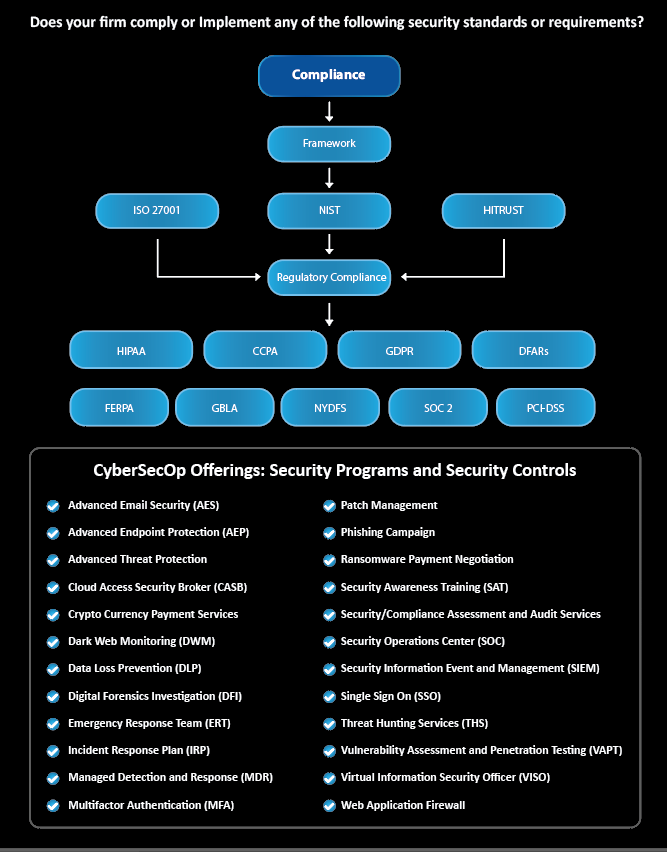
The Importance of Cybersecurity Compliance Services
In today’s digital age, where cyber threats are becoming increasingly sophisticated and prevalent, ensuring the security of your organisation’s data and IT infrastructure is paramount. Cybersecurity compliance services play a crucial role in helping businesses adhere to regulatory requirements and industry standards to protect sensitive information and mitigate risks.
What Are Cybersecurity Compliance Services?
Cybersecurity compliance services encompass a range of measures designed to ensure that an organisation’s security practices align with relevant laws, regulations, and standards. These services help businesses establish and maintain robust cybersecurity protocols to safeguard against data breaches, cyber attacks, and other malicious activities.
The Benefits of Cybersecurity Compliance Services
By investing in cybersecurity compliance services, organisations can enjoy a multitude of benefits, including:
- Legal Compliance: Ensuring that your business meets all legal requirements related to data protection and cybersecurity regulations.
- Risk Mitigation: Identifying potential vulnerabilities and implementing controls to reduce the risk of security incidents.
- Enhanced Security: Implementing best practices for securing networks, systems, and data assets.
- Reputation Protection: Demonstrating to customers, partners, and stakeholders that your organisation takes cybersecurity seriously.
- Cost Savings: Avoiding costly fines, penalties, and remediation expenses associated with non-compliance.
Key Components of Cybersecurity Compliance Services
Cybersecurity compliance services typically include the following key components:
- Risk Assessment: Identifying potential threats and vulnerabilities within the organisation’s IT infrastructure.
- Policies and Procedures Development: Establishing clear guidelines for employees on how to handle sensitive information securely.
- Security Audits: Conducting regular audits to assess the effectiveness of existing security controls.
- Incident Response Planning: Developing protocols for responding to security incidents promptly and effectively.
The Future of Cybersecurity Compliance
As cyber threats continue to evolve, cybersecurity compliance services will play an increasingly vital role in helping businesses stay ahead of potential risks. By partnering with experienced cybersecurity professionals and leveraging advanced technologies, organisations can establish a strong security posture that protects their valuable assets from cyber attacks.
In conclusion, investing in cybersecurity compliance services is not just a regulatory obligation; it is a strategic imperative for any business looking to safeguard its reputation, mitigate risks, and secure its future in an increasingly digital world.
Essential Tips for Ensuring Cybersecurity Compliance: A Guide to Protecting Your Organisation
- Regularly review and update your cybersecurity policies and procedures.
- Ensure that your staff receive regular training on cybersecurity best practices.
- Implement strong access controls to protect sensitive data.
- Conduct regular security assessments and audits to identify vulnerabilities.
- Stay informed about the latest cybersecurity threats and trends.
- Encrypt sensitive data both at rest and in transit to enhance security.
- Maintain compliance with relevant regulations and standards in the industry.
Regularly review and update your cybersecurity policies and procedures.
It is essential for organisations to regularly review and update their cybersecurity policies and procedures to ensure they remain effective against evolving cyber threats. By staying proactive in assessing and refining security measures, businesses can better protect their valuable data and IT infrastructure. Regular reviews help identify any gaps or weaknesses in existing policies, allowing for timely adjustments to strengthen overall cybersecurity posture. Updating policies in line with the latest industry standards and best practices ensures that organisations are well-prepared to address emerging threats and maintain compliance with regulatory requirements.
Ensure that your staff receive regular training on cybersecurity best practices.
It is crucial to ensure that your staff receive regular training on cybersecurity best practices to strengthen your organisation’s security posture. By educating employees on the latest threats, phishing scams, password hygiene, and data handling procedures, you empower them to become proactive defenders against cyber attacks. Regular training sessions not only enhance awareness but also instil a culture of cybersecurity consciousness throughout the organisation, reducing the likelihood of human error leading to security breaches. Investing in continuous staff training is a proactive approach towards bolstering your cybersecurity defences and safeguarding sensitive information from potential threats.
Implement strong access controls to protect sensitive data.
Implementing strong access controls is a critical aspect of cybersecurity compliance services to safeguard sensitive data. By restricting access to authorised personnel only, organisations can prevent unauthorised users from compromising valuable information. Strong access controls involve implementing multi-factor authentication, role-based permissions, and regular monitoring of user activities to ensure that data remains secure and confidential. By enforcing stringent access controls, businesses can significantly reduce the risk of data breaches and maintain compliance with regulatory requirements, ultimately enhancing their overall cybersecurity posture.
Conduct regular security assessments and audits to identify vulnerabilities.
Conducting regular security assessments and audits is a critical tip in cybersecurity compliance services. By proactively evaluating your organisation’s IT infrastructure, you can identify vulnerabilities and potential weaknesses that may expose your data to cyber threats. These assessments help in understanding the effectiveness of existing security controls and implementing necessary measures to strengthen your defences. By staying vigilant and conducting frequent audits, you can stay one step ahead of cyber attackers and ensure that your cybersecurity practices remain robust and compliant with regulations.
Stay informed about the latest cybersecurity threats and trends.
Staying informed about the latest cybersecurity threats and trends is a crucial aspect of maintaining strong cybersecurity compliance services. By keeping abreast of evolving cyber threats and industry trends, organisations can proactively identify potential risks and adjust their security measures accordingly. Regularly monitoring cybersecurity news, attending industry conferences, and engaging with cybersecurity experts can provide valuable insights that help businesses stay one step ahead of cyber attackers. Being informed allows organisations to adapt their security strategies to address emerging threats effectively, ultimately enhancing their overall cybersecurity posture and ensuring compliance with relevant regulations.
Encrypt sensitive data both at rest and in transit to enhance security.
Encrypting sensitive data both at rest and in transit is a fundamental practice in cybersecurity compliance services. By applying encryption techniques to data stored on servers or devices and data transmitted between systems, organisations can significantly enhance their security posture. Encryption ensures that even if unauthorised individuals gain access to the data, they cannot decipher its contents without the encryption key. This proactive measure not only helps protect sensitive information from cyber threats but also demonstrates a commitment to maintaining the confidentiality and integrity of data, in line with regulatory requirements and industry best practices.
Maintain compliance with relevant regulations and standards in the industry.
It is crucial for businesses to maintain compliance with relevant regulations and standards in the industry when it comes to cybersecurity. By adhering to established guidelines and requirements, organisations can demonstrate their commitment to protecting sensitive data and ensuring the security of their IT infrastructure. Compliance with industry regulations not only helps mitigate risks associated with cyber threats but also enhances trust with customers, partners, and stakeholders. Regularly reviewing and updating security protocols in line with regulatory changes is essential to staying ahead of potential vulnerabilities and safeguarding against costly breaches.