
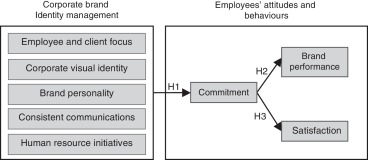
The Importance of a Corporate Identity Manager in Modern Businesses
In today’s competitive business landscape, establishing a strong and consistent corporate identity is crucial for standing out in the market and building brand recognition. A corporate identity manager plays a vital role in ensuring that a company’s visual and messaging elements are cohesive across all channels and touchpoints.
What is a Corporate Identity Manager?
A corporate identity manager is responsible for overseeing and implementing the visual aspects of a company’s brand, including its logo, colour scheme, typography, and design elements. They work closely with marketing teams, graphic designers, and other stakeholders to ensure that all branding materials adhere to the company’s established guidelines.
The Role of a Corporate Identity Manager
One of the primary roles of a corporate identity manager is to maintain brand consistency across all communication channels. This involves creating brand style guides that outline how the logo should be used, which colours to use in marketing materials, and what tone of voice to employ in messaging.
Corporate identity managers also collaborate with internal departments to ensure that all employees understand and adhere to the brand guidelines. They may conduct training sessions or workshops to educate staff on the importance of maintaining brand consistency in their day-to-day activities.
The Benefits of Having a Corporate Identity Manager
Having a dedicated corporate identity manager offers several benefits to businesses:
- Brand Consistency: By ensuring that all branding materials are consistent, companies can build trust and recognition among their target audience.
- Professionalism: A well-managed corporate identity reflects professionalism and attention to detail, enhancing the company’s reputation.
- Differentiation: A strong corporate identity sets businesses apart from competitors and helps them carve out a unique position in the market.
- Ease of Communication: Consistent branding makes it easier for customers to recognise and engage with the company across various platforms.
In Conclusion
A corporate identity manager plays a critical role in shaping how a company is perceived by its target audience. By maintaining brand consistency and adherence to established guidelines, businesses can create a strong and memorable identity that resonates with customers and helps drive success in today’s competitive market.
Understanding the Role and Impact of a Corporate Identity Manager: Key Responsibilities and Importance for Brand Consistency and Market Differentiation
- What is the role of a corporate identity manager?
- How does a corporate identity manager ensure brand consistency?
- What are the key responsibilities of a corporate identity manager?
- Why is maintaining brand guidelines important for businesses?
- How can a corporate identity manager help differentiate a company in the market?
What is the role of a corporate identity manager?
The role of a corporate identity manager is pivotal in maintaining a cohesive and recognisable brand image for a company. Responsible for overseeing the visual elements of a brand, such as logos, colour schemes, and design guidelines, the corporate identity manager ensures consistency across all communication channels. By developing and enforcing brand style guides, collaborating with internal teams, and conducting training sessions to uphold brand standards, they play a crucial role in building trust with customers, enhancing professionalism, and differentiating the company from its competitors. Ultimately, the corporate identity manager’s efforts contribute to establishing a strong and enduring brand identity that resonates with the target audience.
How does a corporate identity manager ensure brand consistency?
A corporate identity manager ensures brand consistency by developing and implementing comprehensive brand guidelines that govern the use of visual elements, messaging tone, and design principles across all communication channels. They work closely with internal teams and external partners to ensure that all branding materials, from logos to marketing collateral, adhere to these guidelines. By conducting regular audits, providing training sessions, and offering support to employees, the corporate identity manager ensures that the brand’s essence remains intact and resonates consistently with the target audience. Through meticulous oversight and strategic planning, they uphold the company’s image and reputation while fostering trust and recognition among customers.
What are the key responsibilities of a corporate identity manager?
The key responsibilities of a corporate identity manager revolve around maintaining and enhancing a company’s brand consistency and integrity. This includes developing and implementing brand guidelines, overseeing the design and production of marketing materials, ensuring that all visual elements align with the brand’s values and objectives, collaborating with internal teams to enforce brand standards, and conducting regular audits to assess compliance. Additionally, corporate identity managers play a crucial role in managing external vendors or agencies to ensure that all branding efforts are cohesive and aligned with the company’s overall strategic direction.
Why is maintaining brand guidelines important for businesses?
Maintaining brand guidelines is crucial for businesses as it ensures consistency and coherence in how a company presents itself to its audience. By adhering to established brand guidelines, businesses can build trust and recognition among customers, reinforce their brand identity, and differentiate themselves from competitors. Consistent branding also helps in creating a professional image, enhancing customer loyalty, and facilitating easier communication with the target market. Overall, maintaining brand guidelines is essential for businesses to establish a strong and memorable identity that resonates with their audience and contributes to long-term success in the competitive business landscape.
How can a corporate identity manager help differentiate a company in the market?
A corporate identity manager can help differentiate a company in the market by ensuring that all visual and messaging elements consistently reflect the brand’s unique values, personality, and positioning. By maintaining a cohesive and recognisable identity across all communication channels, from logos and colour schemes to tone of voice and design aesthetics, the corporate identity manager helps the company stand out from competitors. This differentiation not only enhances brand recognition but also builds trust and loyalty among customers who can easily identify and connect with the company’s distinct identity in a crowded marketplace.