
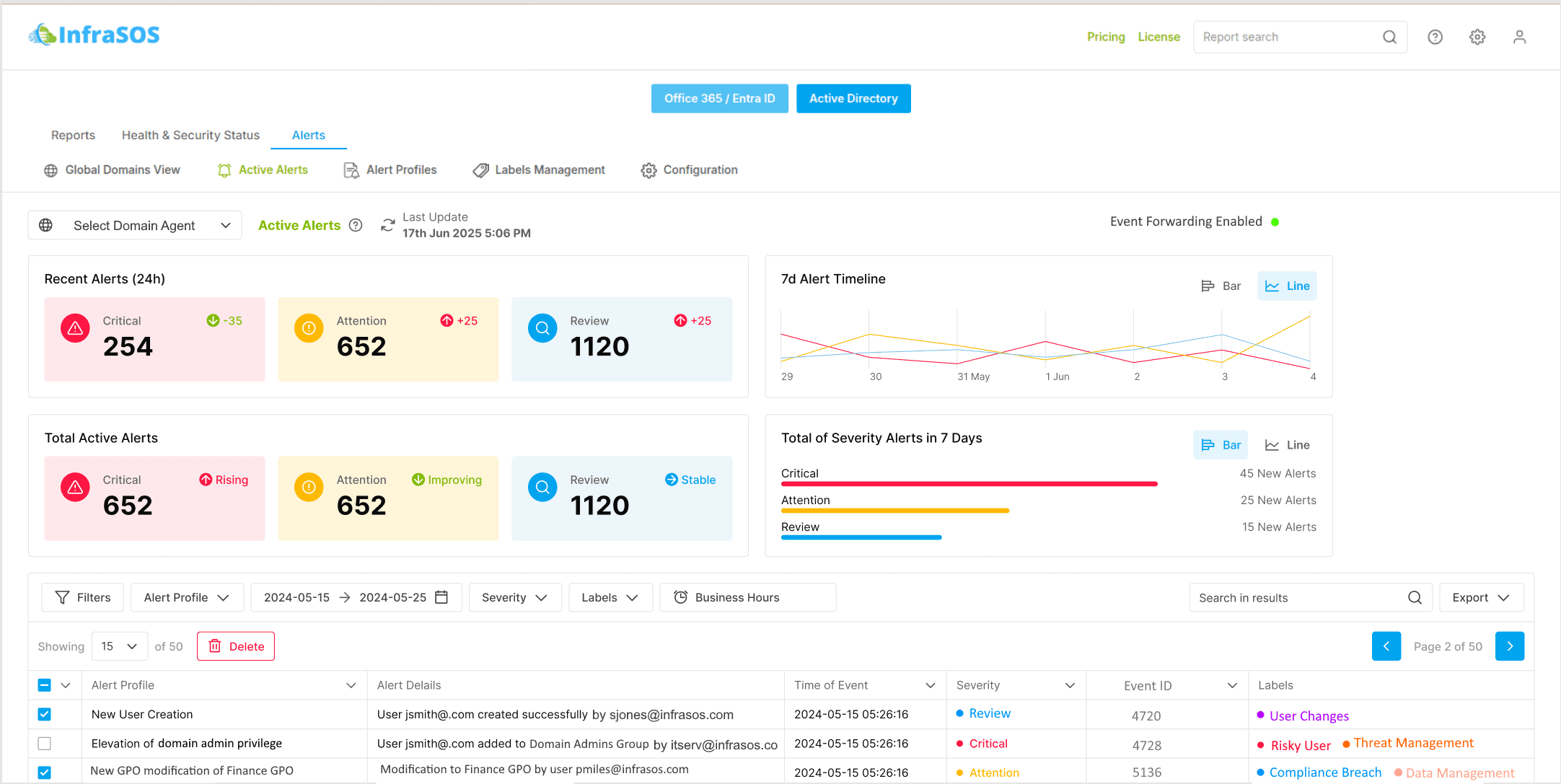
The Importance of Auditing Active Directory
In the realm of IT security, auditing Active Directory (AD) is a critical practice that should not be overlooked. Active Directory serves as the central hub for managing user accounts, permissions, and access to resources within an organisation’s network. By conducting regular audits of AD, businesses can enhance their security posture, ensure compliance with regulations, and mitigate potential risks.
Enhancing Security
One of the primary benefits of auditing AD is enhancing security. By monitoring and reviewing activities within Active Directory, IT administrators can identify suspicious behaviour, unauthorised access attempts, or configuration errors that could compromise the integrity of the network. Auditing helps in detecting security breaches early on and taking prompt action to mitigate them.
Ensuring Compliance
Many industries have stringent regulatory requirements regarding data protection and access control. Auditing Active Directory helps organisations demonstrate compliance with regulations such as GDPR, HIPAA, or PCI DSS by providing detailed logs of user activities and changes made to AD settings. Compliance audits are essential for avoiding penalties and maintaining trust with customers.
Mitigating Risks
Proactively auditing Active Directory helps in identifying vulnerabilities and weaknesses in the network infrastructure before they are exploited by malicious actors. By regularly reviewing audit logs and reports, IT teams can address potential risks promptly, implement necessary security measures, and prevent data breaches or system compromises.
Best Practices for Auditing AD
When it comes to auditing Active Directory, implementing best practices is crucial for effective monitoring and analysis. This includes enabling audit policies for critical events, setting up alerts for suspicious activities, regularly reviewing audit logs, and conducting periodic security assessments to identify gaps in AD security.
Conclusion
Auditing Active Directory is a fundamental aspect of maintaining a secure and compliant IT environment. By investing in robust auditing tools and practices, organisations can proactively protect their assets, detect threats early on, and demonstrate adherence to regulatory requirements. Prioritising AD auditing is not just a best practice – it’s a necessity in today’s evolving threat landscape.
7 Essential Tips for Conducting a Comprehensive Ad Audit
- Ensure ad content complies with advertising standards and regulations.
- Verify that ad targeting is reaching the intended audience effectively.
- Review ad performance metrics regularly to assess effectiveness.
- Check for any discrepancies between actual ad placements and planned placements.
- Confirm that ad expenditure aligns with budget allocations and financial records.
- Audit the accuracy of data used for targeting and tracking in ads.
- Assess the overall impact of ads on brand perception and customer engagement.
Ensure ad content complies with advertising standards and regulations.
It is essential to ensure that Active Directory (AD) content complies with advertising standards and regulations to maintain transparency and integrity in advertising practices. By adhering to industry guidelines and legal requirements, businesses can build trust with their audience, avoid potential fines or penalties, and uphold ethical advertising principles. Regularly auditing AD content for compliance ensures that advertisements are truthful, respectful, and in line with established standards, ultimately contributing to a positive brand reputation and customer satisfaction.
Verify that ad targeting is reaching the intended audience effectively.
To ensure the effectiveness of Active Directory (AD) auditing, it is crucial to verify that AD targeting is reaching the intended audience accurately and efficiently. By confirming that user permissions, group policies, and access controls are correctly applied to the designated individuals or groups within the network, organisations can prevent unauthorised access and potential security breaches. Regularly assessing and validating AD targeting helps in maintaining a secure IT environment and ensuring that resources are accessed only by authorised personnel, thereby enhancing overall data protection and compliance with regulatory standards.
Review ad performance metrics regularly to assess effectiveness.
Regularly reviewing Active Directory performance metrics is a crucial tip to assess the effectiveness of your auditing practices. By analysing metrics such as login success rates, account lockouts, changes to user permissions, and system access logs, organisations can gain valuable insights into the overall health and security of their Active Directory environment. Monitoring these performance indicators allows IT teams to identify any anomalies or trends that may indicate potential security threats or operational inefficiencies, enabling them to take proactive measures to address issues promptly and maintain a robust AD auditing strategy.
Check for any discrepancies between actual ad placements and planned placements.
When conducting an audit of Active Directory, it is essential to scrutinise any disparities between the current placement of objects within AD and their intended locations as per the initial plan. Discrepancies in AD placements can indicate misconfigurations, unauthorised changes, or potential security risks. By verifying that objects are correctly positioned according to the planned structure, organisations can ensure the integrity and security of their Active Directory environment. Regularly checking for such inconsistencies is a proactive measure that helps maintain a well-organised and secure AD infrastructure.
Confirm that ad expenditure aligns with budget allocations and financial records.
It is essential to verify that Active Directory (AD) expenditure aligns with budget allocations and financial records. By conducting regular audits to ensure that spending on AD-related activities matches the approved budget and aligns with financial records, organisations can maintain financial transparency and accountability. This practice helps in identifying discrepancies, preventing overspending, and ensuring that resources are allocated efficiently within the AD environment. By confirming the alignment of AD expenditure with budget allocations, businesses can uphold financial integrity and make informed decisions to optimise their IT investments.
Audit the accuracy of data used for targeting and tracking in ads.
When auditing Active Directory, it is essential to pay attention to the accuracy of data used for targeting and tracking in ads. Ensuring that the information within Active Directory is up-to-date and precise is crucial for effective ad campaigns. By verifying the accuracy of user details, permissions, and access rights stored in AD, businesses can target their advertising efforts more effectively and track campaign performance accurately. Auditing the data used for ad targeting and tracking helps maintain campaign relevance, optimise resource allocation, and improve overall marketing ROI.
Assess the overall impact of ads on brand perception and customer engagement.
Assessing the overall impact of advertisements on brand perception and customer engagement is a crucial aspect of auditing Active Directory. By analysing how ads are perceived by customers and the level of engagement they generate, businesses can gain valuable insights into the effectiveness of their marketing strategies. Understanding the influence of ads on brand perception allows companies to refine their messaging, target the right audience, and enhance customer relationships. Through thorough assessment and analysis, organisations can optimise their advertising efforts to create a positive impact on brand reputation and drive meaningful engagement with their target audience.