
The Importance of Maritime Compliance Software
In the maritime industry, compliance with regulations and standards is paramount to ensure the safety of vessels, crew, and cargo. With the increasing complexity of international maritime laws, organisations are turning to advanced technology solutions to streamline their compliance processes. This is where maritime compliance software plays a crucial role.
What is Maritime Compliance Software?
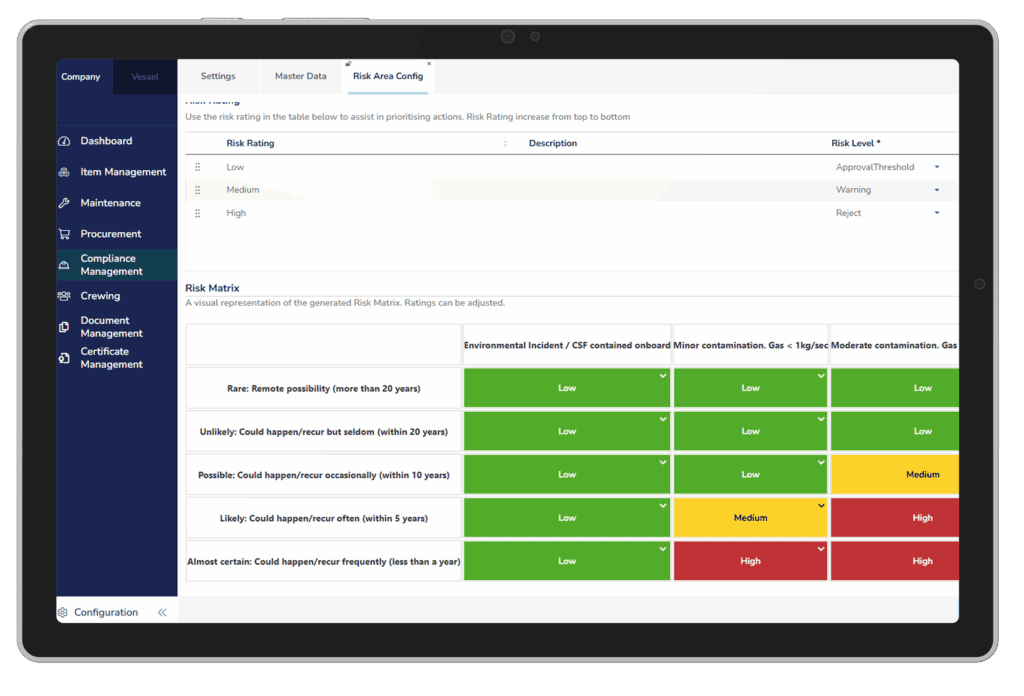
Maritime compliance software is a specialised tool designed to help shipping companies, ports, and maritime authorities adhere to regulatory requirements efficiently. It offers features such as tracking vessel movements, managing documentation, ensuring crew certifications are up-to-date, and monitoring environmental impact.
The Benefits of Using Maritime Compliance Software
Enhanced Safety: By automating compliance tasks and providing real-time data insights, maritime compliance software helps prevent accidents and ensures that vessels operate in accordance with safety regulations.
Regulatory Compliance: Keeping up with the ever-changing maritime laws can be challenging. Maritime compliance software simplifies this process by centralising all regulatory information and sending alerts for upcoming deadlines or changes in legislation.
Operational Efficiency: Manual paperwork and spreadsheets are prone to errors and delays. With automation features and streamlined workflows, maritime compliance software improves efficiency and reduces administrative burdens.
Risk Mitigation: Non-compliance can lead to hefty fines, reputational damage, and even legal consequences. By using maritime compliance software, organisations can proactively identify potential risks and take corrective actions before issues escalate.
Choosing the Right Maritime Compliance Software
When selecting a maritime compliance software solution, it’s essential to consider factors such as scalability, integration capabilities with existing systems, user-friendliness, data security measures, and ongoing support from the provider. Customisable features tailored to your specific needs can also enhance the effectiveness of the software.
In Conclusion
Maritime compliance software is a valuable asset for any organisation operating in the marine industry. By investing in advanced technology solutions that prioritise safety, efficiency, and regulatory adherence, companies can navigate complex waters with confidence while maintaining a competitive edge in today’s global market.
Five Essential Tips for Effective Maritime Compliance Software Management
- Ensure the software meets international maritime regulations and standards.
- Regularly update the software to stay compliant with changing laws and guidelines.
- Train your staff on how to effectively use the software for compliance purposes.
- Integrate the software with other systems for seamless data sharing and reporting.
- Conduct regular audits to verify that the software is being used correctly and effectively.
Ensure the software meets international maritime regulations and standards.
It is crucial to ensure that any maritime compliance software you choose meets international maritime regulations and standards. By selecting a software solution that aligns with these requirements, organisations can effectively navigate the complexities of global maritime laws and ensure that their operations remain compliant. This proactive approach not only helps in avoiding penalties and legal issues but also demonstrates a commitment to upholding the highest standards of safety and environmental responsibility within the maritime industry.
Regularly update the software to stay compliant with changing laws and guidelines.
To ensure ongoing compliance with evolving maritime laws and guidelines, it is crucial to regularly update your maritime compliance software. By staying current with software updates, organisations can effectively adapt to regulatory changes, incorporate new requirements, and address emerging risks in a timely manner. Updating the software ensures that your operations remain in alignment with the latest standards, helping to mitigate potential compliance issues and maintain a proactive approach to maritime regulatory compliance.
Train your staff on how to effectively use the software for compliance purposes.
It is crucial to train your staff on how to effectively utilise maritime compliance software for regulatory purposes. Providing comprehensive training ensures that employees understand the software’s features and functionalities, enabling them to navigate compliance tasks efficiently and accurately. By investing in staff education, organisations can maximise the benefits of the software, improve operational effectiveness, and maintain a culture of compliance within the maritime industry.
Integrate the software with other systems for seamless data sharing and reporting.
Integrating maritime compliance software with other systems is a strategic tip that can significantly enhance operational efficiency and regulatory adherence within the maritime industry. By seamlessly sharing data and generating comprehensive reports across various platforms, organisations can streamline their compliance processes, improve decision-making capabilities, and ensure consistency in information management. This integration not only simplifies workflows but also enables real-time monitoring and analysis, empowering stakeholders to make informed decisions promptly.
Conduct regular audits to verify that the software is being used correctly and effectively.
To ensure the optimal utilisation of maritime compliance software, it is recommended to conduct regular audits to verify that the software is being used correctly and effectively. By performing these audits, organisations can identify any potential gaps in usage, address training needs, and ensure that the software aligns with regulatory requirements. Regular assessments also help in maximising the benefits of the software by fine-tuning processes and enhancing overall compliance efforts within the maritime industry.