
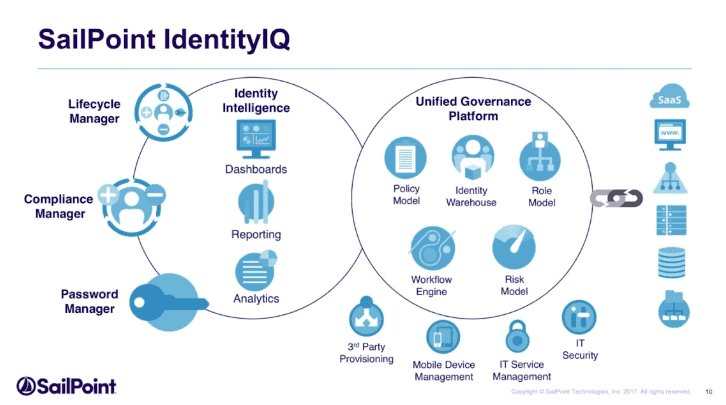
SailPoint Lifecycle Manager: Managing Identity from Joiner to Leaver
When someone joins an organisation, changes role or leaves, their access to business systems needs to change accordingly. If these updates are handled manually, access can be delayed, overlooked or left in place for too long. SailPoint Lifecycle Manager helps organisations manage these identity changes and the access associated with them.
Lifecycle Manager is commonly associated with SailPoint IdentityIQ, SailPoint’s identity governance and administration platform. Its purpose is to help automate and govern identity processes throughout an employee’s or other user’s relationship with an organisation. Exact features depend on the SailPoint product, configuration and licensing in use.
What is SailPoint Lifecycle Manager?
SailPoint Lifecycle Manager supports identity lifecycle management: the processes that create, update and deactivate digital identities as people’s circumstances change. It can help connect information from sources such as HR systems with access controls across business applications and IT environments.
A typical lifecycle is often described as:
- Joiner: A new employee or other user receives an identity and the access needed for their role.
- Mover: A change in department, position or responsibilities prompts a review and update of access.
- Leaver: When a person leaves, their accounts and access are disabled, removed or otherwise handled according to policy.
These processes can apply to employees, contractors, partners and other identities, depending on an organisation’s requirements and implementation.
How it works
Lifecycle Manager can use identity data and configured business rules to initiate or support access-related actions. For example, when an HR record indicates that a new employee has started, the system may create or update an identity, assign access based on the person’s role and route exceptions for approval.
When someone changes roles, the organisation can use defined policies and workflows to determine which permissions should be added, changed or removed. When a person leaves, a configured process can help revoke access across connected systems. Some tasks may be automated, while others require approval or administrator involvement.
Common capabilities
- Lifecycle workflows: Configure processes for identity creation, role changes and departures.
- Access requests: Enable users or managers to request access, subject to the organisation’s approval rules.
- Approvals and policy checks: Route requests to appropriate decision-makers and apply configured controls.
- Provisioning and de-provisioning: Support the granting, changing or removal of access in connected applications.
- Role-based access: Use job roles or other identity attributes to help determine appropriate access.
- Audit records: Keep records of relevant requests, decisions and changes to support oversight and review.
The available functions depend on the SailPoint product and the way it has been configured. Not every application or identity process will necessarily be automated.
Benefits for organisations
A well-designed lifecycle management process can make access changes more consistent and reduce reliance on manual administration. Automation can help teams handle routine tasks more efficiently, while approvals and audit records provide greater visibility into who has access and why.
Timely changes are also important for security. Removing access when it is no longer needed can reduce the risk of dormant or excessive permissions. Meanwhile, assigning access in line with roles can help employees get the tools they need without granting more access than their work requires.
Implementation considerations
SailPoint Lifecycle Manager is not a substitute for clear access policies or reliable identity data. Before implementing it, organisations should consider the quality of information in their source systems, the applications that need to be connected and the rules that should govern access.
- Define lifecycle events and decide which systems should respond to each event.
- Review roles and access rules regularly, especially where responsibilities change frequently.
- Set clear approval routes and identify who is accountable for access decisions.
- Test workflows carefully, including exceptions and delayed or incomplete source data.
- Monitor access changes and review whether automated processes are working as intended.
Conclusion
SailPoint Lifecycle Manager helps organisations govern identity and access changes across the joiner, mover and leaver lifecycle. By combining configured workflows, approvals and provisioning processes, it can support more consistent access management and improve visibility for security and compliance teams. The greatest value comes from aligning the technology with accurate identity data, well-defined policies and regular oversight.
9 Key Benefits of SailPoint Lifecycle Manager for Automated Access Management
- Automates joiner, mover and leaver processes
- Speeds up access provisioning
- Helps remove access promptly when roles change
- Supports role-based access management
- Provides configurable approval workflows
- Improves visibility of access changes
- Keeps useful audit records
- Can reduce repetitive administration
- Helps apply access policies consistently
Key Drawbacks of SailPoint Lifecycle Manager
- Can be complex to configure and maintain.
- Implementation may require significant time and expertise.
- Licensing and integration costs can be high.
- Poor-quality identity data can undermine automation.
Automates joiner, mover and leaver processes
SailPoint Lifecycle Manager automates joiner, mover and leaver processes, helping ensure that access is granted, updated or removed as people join the organisation, change roles or leave. By reducing reliance on manual tasks, it can speed up routine changes, improve consistency and help prevent users from retaining access they no longer need.
Speeds up access provisioning
SailPoint Lifecycle Manager can speed up access provisioning by automating routine steps in the joiner, mover and leaver process. When a person joins or changes role, configured workflows can use identity information and business rules to assign the access they need, while routing exceptions for approval. This reduces reliance on manual requests and repetitive administration, helping people get appropriate access sooner and enabling IT teams to focus on more complex tasks.
Helps remove access promptly when roles change
SailPoint Lifecycle Manager can help organisations remove access promptly when an employee changes role. By triggering access reviews or updates based on changes to identity data, it helps ensure permissions that are no longer needed are withdrawn, reducing the risk of excessive access while supporting a smoother transition into new responsibilities.
Supports role-based access management
SailPoint Lifecycle Manager supports role-based access management by helping organisations assign permissions according to a person’s job role and responsibilities. This can make it easier to provide appropriate access when someone joins or changes position, while reducing the risk of excessive or unnecessary permissions. When roles and access rules are kept up to date, the approach can also make access decisions more consistent and easier to review.
Provides configurable approval workflows
SailPoint Lifecycle Manager provides configurable approval workflows, allowing organisations to tailor access requests to their own policies and responsibilities. Requests can be routed to the appropriate managers, system owners or security teams, with approval steps adjusted according to the type or sensitivity of access. This helps ensure decisions are made by the right people, while creating a clear record of approvals for later review.
Improves visibility of access changes
SailPoint Lifecycle Manager improves visibility of access changes by recording and tracking identity-related updates, such as access requests, approvals and changes made when someone joins, changes role or leaves. This gives administrators and managers a clearer view of who has access to particular systems, how that access was granted and when it changed. Better visibility can make access reviews more effective, support audit requirements and help organisations identify permissions that may no longer be appropriate.
Keeps useful audit records
SailPoint Lifecycle Manager can keep useful records of access requests, approvals and changes, giving organisations a clearer view of how permissions were granted or removed. These records can help administrators investigate issues, review access decisions and provide evidence for internal audits or compliance checks. Their usefulness depends on the system’s configuration and the quality of the information recorded.
Can reduce repetitive administration
SailPoint Lifecycle Manager can reduce repetitive administration by automating routine identity and access tasks, such as creating accounts for new starters, updating permissions when someone changes role, and removing access when they leave. This can save IT teams time, reduce manual data entry and help ensure changes are handled more consistently. Organisations should still review workflows and exceptions to make sure access remains appropriate.
Helps apply access policies consistently
SailPoint Lifecycle Manager helps organisations apply access policies consistently by using defined rules and workflows to guide how access is requested, approved, granted and removed. This can reduce reliance on informal, manual decisions and help ensure that people in similar roles are treated in the same way. Regular reviews and appropriate oversight remain important to keep those policies accurate and aligned with changing business needs.
Can be complex to configure and maintain.
One potential drawback of SailPoint Lifecycle Manager is that it can be complex to configure and maintain. Setting up workflows, access policies, approval routes and integrations to suit an organisation’s needs may require specialist knowledge and careful planning. As systems, roles and business processes change, configurations also need regular review and upkeep. Without sufficient expertise and ongoing resources, the implementation can become difficult to manage and may not deliver the intended benefits.
Implementation may require significant time and expertise.
Implementing SailPoint Lifecycle Manager can take considerable time and specialist expertise. Organisations need to connect it to their identity sources and business applications, define access rules and workflows, and test that changes are handled correctly across different user scenarios. Complex environments or inconsistent identity data can add to the effort, so careful planning and experienced technical support may be needed before the system is fully operational.
Licensing and integration costs can be high.
One potential drawback of SailPoint Lifecycle Manager is the cost of licensing and integration. Organisations may need to budget not only for the software itself, but also for connecting it to existing applications, configuring workflows and maintaining integrations as systems change. These costs can be especially significant in complex IT environments or where specialist implementation support is required, so it is worth assessing the full cost of ownership before committing.
Poor-quality identity data can undermine automation.
Poor-quality identity data can undermine SailPoint Lifecycle Manager’s automation. If source systems contain inaccurate, incomplete or outdated details—such as job titles, departments or employment status—the platform may assign inappropriate access, miss changes or trigger the wrong workflow. Organisations should regularly validate identity data and establish clear ownership for correcting errors, so automated decisions are based on reliable information.