
SDN Security: Protecting the Software-Defined Network
Software-defined networking (SDN) changes how networks are managed. Rather than configuring every network device individually, SDN uses software to control and coordinate network behaviour. This can make networks more flexible and easier to manage, but it also introduces security considerations that organisations need to address.
Effective SDN security protects the network’s controllers, devices, applications and communications. It also helps ensure that network policies are applied consistently, even as infrastructure changes.
What is software-defined networking?
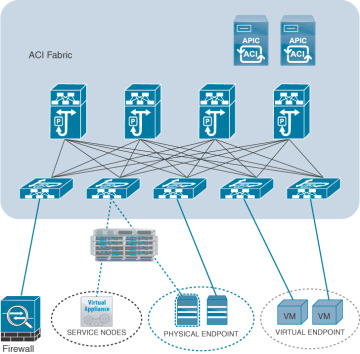
In a traditional network, control functions are distributed across routers and switches. SDN separates the network’s control plane, which decides how traffic should be handled, from its data plane, which forwards that traffic. A centralised or logically centralised SDN controller communicates with network devices and directs their behaviour.
Applications can interact with the controller through northbound interfaces, while the controller communicates with network devices through southbound interfaces. The exact architecture and protocols vary between SDN platforms, but the broad principle is the same: network behaviour is managed through software and policies.
Why does SDN security matter?
Centralised management can improve visibility and make it quicker to apply security policies across a network. For example, administrators may be able to isolate a compromised device or restrict access to a sensitive service without changing each switch manually.
However, the controller has significant influence over the network. If it is compromised, misconfigured or unavailable, an attacker or technical fault could affect many devices at once. SDN also relies on software, APIs and communication channels that may create new points of exposure. Security needs to be built into the architecture, rather than added only after deployment.
Common SDN security risks
- Controller compromise: An attacker who gains access to the controller may be able to change network policies, redirect traffic or disrupt services.
- Unauthorised access: Weak authentication, excessive privileges or poorly managed administrator accounts can expose controllers and management interfaces.
- Insecure APIs: Vulnerabilities in northbound or southbound interfaces can allow unauthorised commands, data exposure or misuse of network functions.
- Insecure communications: Traffic between controllers, applications and network devices could be intercepted or altered if it is not appropriately protected.
- Misconfiguration: Incorrect policies can unintentionally allow traffic between systems that should be isolated, or block legitimate services.
- Denial-of-service attacks: A flood of requests or network events may overwhelm a controller or the services it depends on.
- Compromised applications or devices: Vulnerabilities in connected applications, switches, routers or virtual network functions can provide a route into the wider environment.
- Limited visibility: Rapidly changing, virtualised networks can make it harder to identify unusual activity unless monitoring covers both the control and data planes.
Best practices for securing an SDN environment
Protect the controller
Treat SDN controllers as critical infrastructure. Place them in a restricted management environment, limit administrative access and apply security updates promptly. Use strong authentication, including multi-factor authentication where available, and assign permissions according to each user’s responsibilities. Avoid exposing management interfaces directly to untrusted networks.
Secure APIs and communications
Use authenticated and encrypted communication between controllers, applications and network devices wherever supported. Validate API inputs, manage credentials securely and disable interfaces or services that are not required. Review API permissions regularly, particularly when applications or integrations change.
Apply least privilege and separation of duties
Users, applications and devices should receive only the access they need. Separate administrative duties where practical, and use distinct accounts for routine tasks and privileged operations. This can limit the impact of a compromised account or an accidental change.
Segment the network
Use network segmentation to separate sensitive systems, management traffic and user workloads. Define clear rules for communication between segments and review them regularly. SDN can help automate segmentation, but the policies still need careful design and testing.
Monitor network activity
Collect and review logs from controllers, network devices and relevant applications. Monitor for unexpected policy changes, unusual administrative activity, abnormal traffic patterns and repeated authentication failures. Integrating SDN logs with security monitoring tools can help teams investigate events across the wider environment.
Test changes before deployment
Network policies can have far-reaching effects. Test changes in a controlled environment where possible, use staged roll-outs and keep a record of approved changes. Establish a clear process for reviewing, authorising and, if necessary, reversing policy updates.
Plan for resilience and recovery
Consider how the network will behave if a controller, link or supporting service becomes unavailable. Depending on the platform, resilience may involve controller redundancy, backups, recovery procedures and tested failover arrangements. Document how to restore service and practise the relevant procedures.
Assess the supply chain
SDN environments may depend on software from multiple suppliers, including controller platforms, applications and virtual network functions. Assess supplier security practices, keep an inventory of components and track relevant updates and vulnerabilities. Use trusted sources for software and verify that components are supported.
Building an SDN security strategy
There is no single configuration that suits every SDN deployment. A sound security strategy starts with an understanding of the network’s architecture, critical assets, data flows and operational requirements. From there, organisations can identify likely threats, set security objectives and decide how controls will be implemented and tested.
Security should be considered throughout the SDN lifecycle: during design, deployment, day-to-day operation and decommissioning. Regular reviews help ensure that policies remain appropriate as applications, users and network services change.
Conclusion
SDN can make networks more adaptable and improve the consistency of network management. Its centralised control and reliance on software also mean that controllers, APIs, communications and policies need strong protection. By applying least privilege, securing interfaces, monitoring activity, testing changes and planning for recovery, organisations can reduce risk and make SDN a more resilient part of their security architecture.
8 Essential Tips for Securing Software-Defined Networks (SDN)
- Secure the controller with strong authentication.
- Encrypt control-plane communications.
- Segment management and data networks.
- Apply least-privilege access controls.
- Keep SDN software and firmware patched.
- Monitor flows for unusual activity.
- Validate rules before deploying changes.
- Back up controller configurations regularly.
Secure the controller with strong authentication.
Secure the SDN controller with strong authentication to help prevent unauthorised access to a critical part of your network. Use unique accounts, strong passwords and multi-factor authentication where available, and avoid shared administrator credentials. Give each user only the permissions needed for their role, review access regularly and remove accounts promptly when they are no longer required. These measures can reduce the risk of an attacker taking control of network policies or disrupting services.
Encrypt control-plane communications.
Encrypt control-plane communications to protect instructions and status data exchanged between SDN controllers, network devices and applications. Encryption helps prevent attackers from intercepting or tampering with this traffic, which could otherwise expose sensitive information or lead to unauthorised network changes. Use secure, supported protocols, validate the identity of communicating endpoints and manage certificates and keys carefully, including renewing them before they expire.
Segment management and data networks.
Keep management traffic separate from the data network to reduce the risk of an attacker reaching SDN controllers and administrative interfaces through compromised user devices or services. Use dedicated network segments, restrict access to authorised systems and administrators, and apply firewall rules that allow only the connections required for management. Regularly review segmentation policies and monitor traffic between segments to spot unauthorised access or unexpected changes.
Apply least-privilege access controls.
Apply least-privilege access controls across your SDN environment by giving users, applications and devices only the permissions they need to perform their roles. Restrict access to controllers and management interfaces, use strong authentication and review privileges regularly, especially when responsibilities change. This limits the damage a compromised account or misconfigured application can cause and helps prevent unauthorised changes to network policies.
Keep SDN software and firmware patched.
Keep SDN software and firmware patched to protect controllers, switches, routers and related components from known vulnerabilities. Apply security updates promptly, following a controlled process that includes checking vendor guidance, testing changes where possible and keeping a recovery plan in place. Regular patching reduces the risk of attackers exploiting outdated systems to disrupt network services or gain unauthorised access.
Monitor flows for unusual activity.
Monitor network flows for unusual activity to help spot potential threats early. Establish a baseline of normal traffic between users, devices and services, then look for deviations such as unexpected connections, unusual data volumes, unfamiliar destinations or sudden changes in communication patterns. In an SDN environment, flow monitoring can provide valuable visibility across dynamically changing networks, helping security teams investigate suspicious behaviour and apply containment policies promptly. Tune alerts to reduce false positives, and review them regularly as network activity evolves.
Validate rules before deploying changes.
Validate SDN rules before deploying changes to ensure they work as intended and do not introduce security gaps or disrupt legitimate traffic. Test policies in a controlled environment where possible, check how they interact with existing rules, and obtain the appropriate approval before rolling them out. A staged deployment and a clear rollback plan can help limit the impact if an issue arises.
Back up controller configurations regularly.
Back up SDN controller configurations regularly so they can be restored if a controller fails, is compromised or a configuration change causes disruption. Store backups securely, restrict access and keep copies separate from the controller itself. Test the restoration process periodically, as a backup is only useful if it can be recovered successfully.