
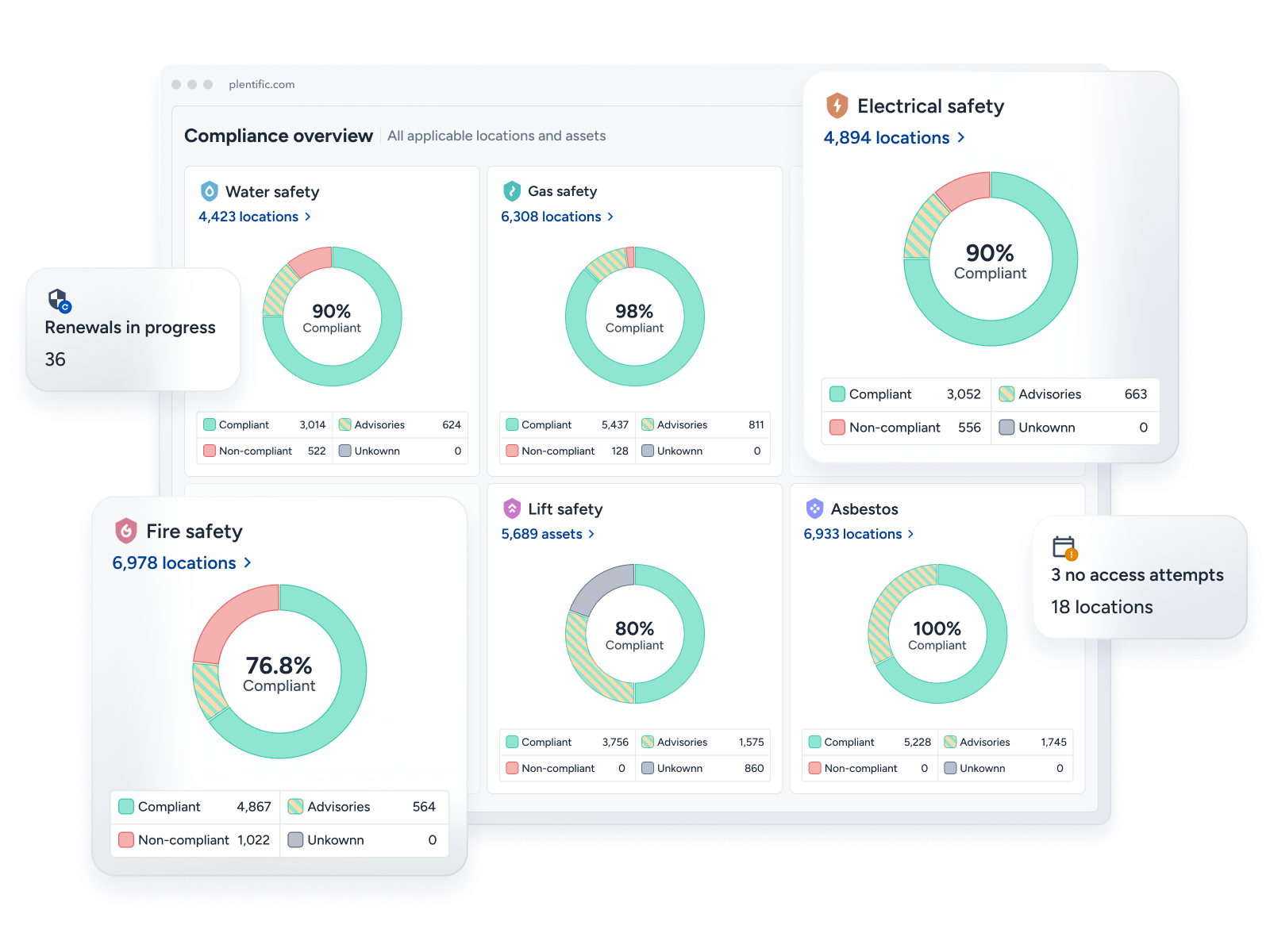
The Importance of Real Estate Compliance Software
Real estate compliance is a critical aspect of the property industry, ensuring that all legal and regulatory requirements are met throughout the property lifecycle. With the ever-changing landscape of laws and regulations governing real estate transactions, it can be challenging for real estate professionals to stay compliant without the right tools in place.
This is where real estate compliance software comes into play. By leveraging advanced technology, real estate compliance software helps streamline processes, mitigate risks, and ensure adherence to various laws and regulations. Here are some key reasons why investing in real estate compliance software is essential:
Regulatory Compliance
Real estate compliance software assists in monitoring and managing regulatory requirements at local, national, and international levels. It helps track changes in legislation, ensuring that all transactions meet legal standards.
Risk Management
By centralising data and automating compliance processes, real estate compliance software reduces the risk of errors and non-compliance. It provides alerts for potential issues and helps implement corrective actions promptly.
Data Security
Protecting sensitive real estate data is crucial in today’s digital age. Real estate compliance software offers secure storage solutions and access controls to safeguard confidential information from unauthorised access or breaches.
Efficiency and Productivity
Automating compliance tasks through software saves time and resources for real estate professionals. It streamlines workflows, eliminates manual errors, and allows teams to focus on strategic initiatives rather than administrative burdens.
Audit Trail Documentation
Real estate compliance software maintains a comprehensive audit trail of all activities within the system. This documentation is invaluable during audits or investigations, providing transparency and accountability for all transactions.
In conclusion, real estate compliance software is a vital tool for ensuring adherence to regulations, managing risks effectively, enhancing data security, improving operational efficiency, and maintaining audit trail documentation. Investing in reliable real estate compliance software can help real estate professionals navigate complex regulatory landscapes with confidence while staying competitive in the market.
6 Essential Tips for Choosing and Managing Real Estate Compliance Software in the UK
- Ensure the software complies with relevant real estate regulations in the UK.
- Regularly update the software to stay current with changing compliance requirements.
- Train employees on how to use the software effectively for compliance purposes.
- Implement access controls to restrict sensitive data to authorised personnel only.
- Conduct regular audits of the software usage to ensure compliance standards are being met.
- Consider cloud-based solutions for easier scalability and remote access.
Ensure the software complies with relevant real estate regulations in the UK.
When selecting real estate compliance software, it is crucial to ensure that the chosen solution aligns with the pertinent real estate regulations in the UK. By verifying that the software complies with local laws and industry standards, real estate professionals can confidently navigate the complexities of regulatory requirements specific to the UK property market. This proactive approach not only mitigates compliance risks but also fosters a culture of adherence to legal frameworks, promoting transparency and trust within the industry.
Regularly update the software to stay current with changing compliance requirements.
To ensure optimal compliance with evolving regulatory standards in the real estate industry, it is crucial to regularly update your real estate compliance software. By staying current with software updates, real estate professionals can effectively adapt to changing compliance requirements and ensure that their processes align with the latest legal frameworks. Updating the software not only enhances system performance but also helps in proactively addressing new regulations, ultimately safeguarding data integrity and maintaining a high level of compliance within the real estate sector.
Train employees on how to use the software effectively for compliance purposes.
To maximise the benefits of real estate compliance software, it is crucial to train employees on how to utilise the tool effectively for compliance purposes. Providing comprehensive training ensures that staff understand the software’s features and functionalities, enabling them to navigate the system with confidence and accuracy. By empowering employees with the necessary skills and knowledge, organisations can enhance compliance practices, mitigate risks, and maintain regulatory adherence in the real estate sector. Effective training fosters a culture of compliance awareness and proficiency among team members, ultimately contributing to improved operational efficiency and data security within the organisation.
Implement access controls to restrict sensitive data to authorised personnel only.
Implementing access controls is a crucial tip when utilising real estate compliance software. By restricting access to sensitive data to authorised personnel only, real estate professionals can enhance data security and confidentiality. Access controls ensure that only individuals with the necessary permissions can view or modify critical information, reducing the risk of data breaches or misuse. This proactive measure not only safeguards valuable data but also helps organisations comply with privacy regulations and maintain trust with clients and stakeholders.
Conduct regular audits of the software usage to ensure compliance standards are being met.
Conducting regular audits of real estate compliance software usage is a crucial practice to ensure that all compliance standards are being met effectively. By monitoring how the software is being utilised, real estate professionals can identify any deviations from established protocols and address them promptly. These audits not only help in maintaining regulatory compliance but also provide insights into areas that may require further training or process improvements. Regular software audits demonstrate a commitment to upholding compliance standards and proactively managing risks within the real estate industry.
Consider cloud-based solutions for easier scalability and remote access.
When exploring options for real estate compliance software, it is advisable to consider cloud-based solutions for enhanced scalability and remote accessibility. Cloud-based platforms offer the flexibility to scale resources based on your business needs, allowing you to easily adapt to growth or changes in demand. Additionally, remote access to cloud-based software enables real estate professionals to work efficiently from any location, facilitating collaboration and productivity. Embracing cloud technology can streamline operations, improve data security, and provide a seamless experience for managing compliance tasks in the dynamic real estate industry.