
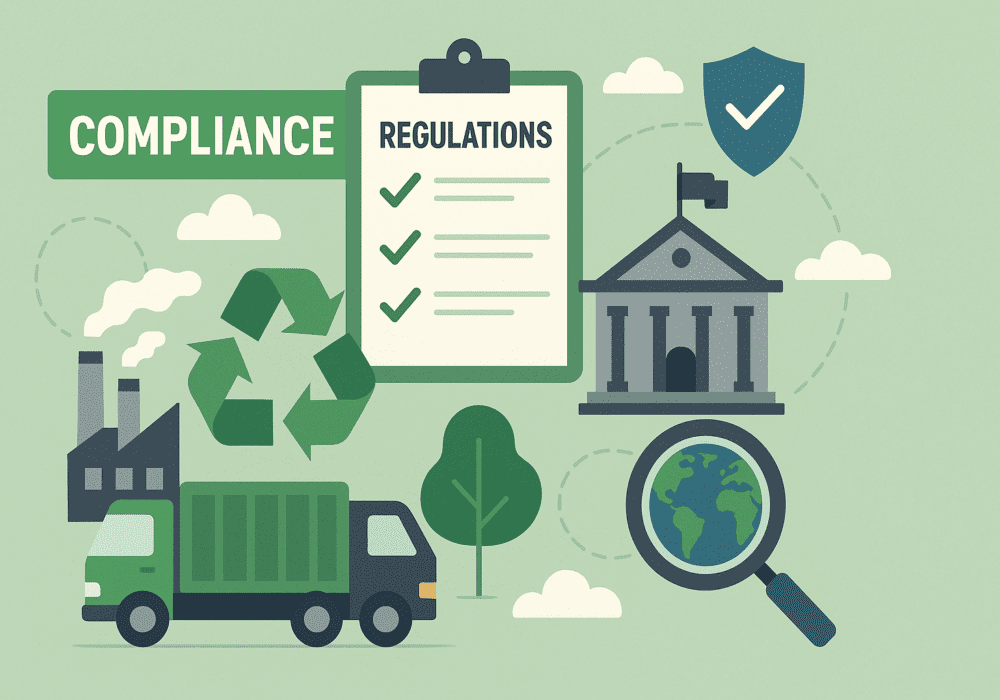
The Importance of Environmental Compliance Management Software
In today’s world, environmental regulations are becoming increasingly stringent, and businesses are under more pressure than ever to comply with these standards. Environmental compliance management software plays a crucial role in helping organisations monitor, track, and ensure adherence to environmental laws and regulations.
Features of Environmental Compliance Management Software:
- Regulatory Tracking: The software helps companies stay up-to-date with changing environmental laws and regulations at local, national, and international levels.
- Reporting and Documentation: It enables businesses to generate comprehensive reports on their environmental performance for internal review and regulatory authorities.
- Audit Trail: The software maintains a detailed audit trail of environmental activities and compliance efforts for transparency and accountability.
- Risk Assessment: It identifies potential environmental risks within the organisation’s operations and facilitates the implementation of mitigation measures.
- Task Management: Environmental compliance software helps in assigning tasks, setting deadlines, and tracking progress towards meeting compliance goals.
The Benefits of Using Environmental Compliance Management Software:
Implementing environmental compliance management software offers numerous benefits to businesses, including:
- Cost Savings: By avoiding fines and penalties associated with non-compliance, companies can save significant costs in the long run.
- Risk Reduction: Proactively managing environmental risks helps mitigate potential liabilities and reputational damage.
- Eco-friendly Practices: By ensuring compliance with environmental regulations, organisations contribute to sustainability efforts and reduce their carbon footprint.
- Data Accuracy: Centralised data management through the software enhances accuracy in reporting and decision-making processes.
- Efficiency Improvement: Streamlining compliance processes leads to increased operational efficiency within the organisation.
In Conclusion
In conclusion, environmental compliance management software is an essential tool for businesses looking to navigate the complex landscape of environmental regulations effectively. By investing in such software solutions, organisations can demonstrate their commitment to sustainability, reduce risks, and ensure long-term compliance with environmental standards.
Enhancing Organisational Efficiency and Sustainability: The Benefits of Environmental Compliance Management Software
- Facilitates adherence to environmental laws and regulations
- Enhances transparency in environmental performance reporting
- Helps in identifying and mitigating potential environmental risks
- Streamlines compliance processes for efficiency
- Reduces the likelihood of fines and penalties for non-compliance
- Centralises data management for accuracy in reporting
- Contributes to sustainability efforts and eco-friendly practices
- Improves operational efficiency within the organisation
Challenges of Implementing Environmental Compliance Management Software: A Look at Costs, Complexity, and More
- Initial Cost
- Complexity
- Integration Challenges
- Maintenance Requirements
- Data Security Concerns
- User Resistance
- Scalability Issues
Facilitates adherence to environmental laws and regulations
Environmental compliance management software plays a crucial role in facilitating adherence to environmental laws and regulations. By providing organisations with the tools to monitor and track their environmental performance, stay updated on regulatory changes, and generate comprehensive reports, this software ensures that businesses can proactively align their operations with the necessary legal requirements. This proactive approach not only helps companies avoid fines and penalties associated with non-compliance but also demonstrates their commitment to environmental stewardship and sustainability.
Enhances transparency in environmental performance reporting
One significant advantage of environmental compliance management software is its ability to enhance transparency in environmental performance reporting. By centralising and organising data related to environmental activities, the software enables companies to generate comprehensive and accurate reports on their sustainability efforts. This transparency not only fosters accountability within the organisation but also allows stakeholders, regulatory bodies, and the public to have a clear understanding of the company’s environmental impact and compliance with regulations.
Helps in identifying and mitigating potential environmental risks
Environmental compliance management software plays a crucial role in helping organisations identify and mitigate potential environmental risks. By providing tools for risk assessment and monitoring, the software enables businesses to proactively address issues that could lead to environmental harm or non-compliance with regulations. This proactive approach not only helps in safeguarding the environment but also minimises the likelihood of costly fines, legal actions, and reputational damage. Overall, the ability to identify and mitigate environmental risks effectively is a key benefit of utilising environmental compliance management software in today’s regulatory landscape.
Streamlines compliance processes for efficiency
Environmental compliance management software offers the significant advantage of streamlining compliance processes to enhance efficiency within organisations. By centralising and automating tasks such as regulatory tracking, reporting, and audit trail management, the software simplifies complex compliance procedures. This streamlined approach not only saves time and resources but also ensures that businesses can meet environmental obligations promptly and accurately. Ultimately, by improving operational efficiency through streamlined compliance processes, organisations can focus on sustainable practices and strategic growth while maintaining adherence to environmental regulations.
Reduces the likelihood of fines and penalties for non-compliance
Implementing environmental compliance management software significantly reduces the likelihood of fines and penalties for non-compliance. By providing businesses with a systematic approach to monitoring and adhering to environmental regulations, the software helps organisations stay informed about their obligations and take proactive measures to ensure compliance. This proactive stance not only mitigates the risk of incurring financial penalties but also enhances the company’s reputation as a responsible steward of the environment.
Centralises data management for accuracy in reporting
Centralising data management through environmental compliance management software is a crucial advantage for businesses seeking accuracy in reporting. By consolidating all relevant environmental data in one centralised system, organisations can ensure the integrity and consistency of their reporting processes. This not only enhances the reliability of compliance reports but also facilitates informed decision-making based on accurate and up-to-date information. Ultimately, centralised data management contributes to improved transparency, efficiency, and accountability in environmental compliance efforts.
Contributes to sustainability efforts and eco-friendly practices
Environmental compliance management software plays a pivotal role in contributing to sustainability efforts and promoting eco-friendly practices within organisations. By ensuring compliance with environmental regulations and standards, businesses can actively reduce their carbon footprint, minimise harmful impacts on the environment, and support initiatives aimed at preserving natural resources for future generations. This proactive approach not only benefits the planet but also enhances the reputation of companies as responsible corporate citizens committed to environmental stewardship.
Improves operational efficiency within the organisation
Implementing environmental compliance management software can significantly enhance operational efficiency within the organisation. By streamlining compliance processes, centralising data management, and automating tasks related to environmental regulations, businesses can allocate resources more effectively, reduce manual errors, and expedite decision-making processes. This improved efficiency not only saves time and effort but also allows organisations to focus on core business activities while ensuring they meet environmental standards effortlessly.
Initial Cost
One notable drawback of environmental compliance management software is the initial cost implications it presents. Implementing such software often requires a substantial upfront investment to cover expenses related to purchasing the software, installing it within existing systems, and providing training to employees for effective utilisation. This financial outlay can pose a challenge for some organisations, especially smaller businesses with limited budgets, as they weigh the immediate costs against the long-term benefits and regulatory compliance advantages that the software offers.
Complexity
One significant drawback of environmental compliance management software is its inherent complexity. Setting up and utilising the software often demands specialised expertise or additional resources, making it challenging for some organisations to fully leverage its capabilities. The complexity of the software can lead to delays in implementation, increased training needs, and potential issues with user adoption. This barrier may hinder smaller businesses or those with limited technical capabilities from effectively implementing and benefiting from environmental compliance management software.
Integration Challenges
Integrating environmental compliance management software with existing systems and processes can present a significant challenge for organisations. The process of integration may be time-consuming and disruptive, requiring careful planning and coordination to ensure a smooth transition. Compatibility issues between the software and legacy systems can arise, leading to delays in implementation and potential disruptions to daily operations. Overcoming these integration challenges demands dedicated resources and expertise to effectively align the software with existing infrastructure while minimising any adverse impacts on business continuity.
Maintenance Requirements
One significant drawback of environmental compliance management software is the maintenance requirements it entails. To ensure optimal functionality, regular updates, maintenance tasks, and troubleshooting may be necessary. This ongoing need for attention can consume valuable time and resources within an organisation, diverting focus from core business activities. Additionally, the complexity of managing software maintenance schedules and addressing technical issues can pose challenges for users, potentially leading to disruptions in environmental compliance efforts.
Data Security Concerns
Storing sensitive environmental data on environmental compliance management software raises valid concerns about data security and potential breaches. As organisations increasingly rely on digital platforms to manage their compliance efforts, the risk of unauthorised access to confidential information becomes a pressing issue. Ensuring robust encryption protocols, access controls, and regular security audits are essential to mitigate the risks associated with storing sensitive data on such platforms. Addressing data security concerns is paramount to maintaining trust with stakeholders and safeguarding the integrity of environmental compliance processes.
User Resistance
User resistance can pose a significant challenge when implementing environmental compliance management software within an organisation. Employees may be hesitant to embrace the software due to a lack of familiarity with new technology or concerns about disruptions to established workflows. Overcoming this con requires effective communication, training, and support to help employees understand the benefits of the software and feel comfortable using it in their daily tasks. Addressing user resistance is crucial to ensure successful adoption and integration of environmental compliance management software across all levels of the business.
Scalability Issues
Scalability issues present a notable con of environmental compliance management software. As businesses expand or undergo operational changes, the software may struggle to accommodate new requirements effectively. This can lead to challenges in scaling the software to meet the evolving needs of a growing organisation, potentially hindering its ability to adapt swiftly and seamlessly to changes in environmental compliance regulations and practices. Addressing scalability issues becomes crucial for businesses seeking to maintain efficient and effective environmental management processes amidst their growth and development.