
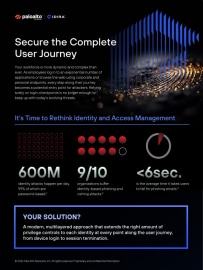
NetGuard Identity Access Manager: Enhancing Security and Efficiency
In today’s digital landscape, where data breaches and cyber threats are rampant, organisations need robust solutions to safeguard their critical assets. NetGuard Identity Access Manager (IAM) offers a comprehensive solution to manage user identities and access rights effectively.
Key Features of NetGuard IAM:
- Centralised Identity Management: NetGuard IAM provides a centralised platform to manage user identities, roles, and access permissions across the organisation. This streamlines user provisioning and deprovisioning processes, ensuring that only authorised users have access to sensitive data.
- Role-Based Access Control (RBAC): With RBAC capabilities, NetGuard IAM allows administrators to assign roles to users based on their job responsibilities. This granular control ensures that users have the necessary access rights to perform their tasks without compromising security.
- Multi-Factor Authentication (MFA): Enhance security with MFA features offered by NetGuard IAM. By requiring multiple authentication factors such as passwords, biometrics, or OTPs, organisations can mitigate the risk of unauthorised access attempts.
- Audit Trail and Reporting: NetGuard IAM generates detailed audit logs and reports on user activities within the system. This feature aids in compliance management by providing visibility into who accessed what information and when, helping organisations meet regulatory requirements.
The Benefits of Using NetGuard IAM:
By implementing NetGuard IAM, organisations can experience several benefits:
- Enhanced Security: Protect sensitive data from unauthorised access with robust identity management controls.
- Improved Compliance: Simplify compliance efforts by maintaining an audit trail of user activities.
- Efficient User Provisioning: Streamline user onboarding processes with automated provisioning workflows.
- User-Friendly Interface: NetGuard IAM offers an intuitive interface for administrators to manage identity and access controls effectively.
In conclusion, NetGuard Identity Access Manager is a powerful tool for organisations looking to strengthen their security posture and streamline access management processes. By leveraging its features, businesses can enhance data protection, improve operational efficiency, and achieve regulatory compliance in today’s dynamic cybersecurity landscape.
Seven Essential Tips for Optimising Security with NetGuard Identity Access Manager
- Implement strong password policies to enhance security.
- Enable multi-factor authentication for an added layer of protection.
- Regularly review and update user access permissions to ensure least privilege access.
- Monitor and analyse user activity logs for suspicious behaviour.
- Integrate NetGuard Identity Access Manager with other security solutions for comprehensive protection.
- Provide regular training to users on best practices for secure access management.
- Stay informed about the latest security threats and updates in the industry.
Implement strong password policies to enhance security.
Implementing strong password policies is a crucial step in enhancing security with NetGuard Identity Access Manager. By enforcing rules such as minimum character requirements, regular password changes, and the prohibition of easily guessable passwords, organisations can significantly reduce the risk of unauthorised access to sensitive data. Strong passwords act as the first line of defence against cyber threats and play a vital role in ensuring that only authorised users can access critical systems and information. By prioritising robust password practices, businesses can bolster their overall security posture and mitigate the potential impact of security breaches.
Enable multi-factor authentication for an added layer of protection.
Enhancing the security of your organisation’s data is crucial in today’s cyber threat landscape. One effective tip for maximising security with NetGuard Identity Access Manager is to enable multi-factor authentication. By implementing this additional layer of protection, you can significantly reduce the risk of unauthorised access attempts and strengthen the overall security posture of your system. Multi-factor authentication adds an extra level of verification beyond passwords, such as biometrics or one-time passcodes, ensuring that only authorised users can access sensitive information. This proactive measure not only enhances security but also aligns with best practices for safeguarding valuable data assets.
Regularly review and update user access permissions to ensure least privilege access.
Regularly reviewing and updating user access permissions is a crucial practice when utilising NetGuard Identity Access Manager. By ensuring least privilege access, organisations can minimise the risk of unauthorised data exposure and potential security breaches. This proactive approach enables administrators to fine-tune user permissions based on current job roles and responsibilities, thereby strengthening overall security posture and maintaining compliance with data protection regulations.
Monitor and analyse user activity logs for suspicious behaviour.
To enhance security measures using NetGuard Identity Access Manager, it is crucial to monitor and analyse user activity logs for any signs of suspicious behaviour. By regularly reviewing these logs, administrators can detect unusual patterns, unauthorised access attempts, or potential security breaches. This proactive approach allows organisations to swiftly respond to threats, mitigate risks, and ensure the integrity of their IT environment. Monitoring user activity logs for suspicious behaviour is a fundamental practice in maintaining a secure and compliant identity access management system.
Integrate NetGuard Identity Access Manager with other security solutions for comprehensive protection.
To maximise security measures and ensure comprehensive protection of critical assets, it is advisable to integrate NetGuard Identity Access Manager with other security solutions. By seamlessly integrating NetGuard IAM with complementary tools such as endpoint security, SIEM platforms, and threat intelligence systems, organisations can establish a layered defence strategy that addresses various aspects of cybersecurity threats. This integration allows for better visibility into user activities, faster incident response times, and a more cohesive approach to managing access controls across the network. By combining the capabilities of NetGuard IAM with other security solutions, businesses can enhance their overall security posture and mitigate risks effectively.
Provide regular training to users on best practices for secure access management.
To maximise the effectiveness of NetGuard Identity Access Manager, it is crucial to provide regular training sessions to users on best practices for secure access management. By educating users on how to create strong passwords, recognise phishing attempts, and follow proper access protocols, organisations can enhance their overall security posture. Regular training not only empowers users to make informed decisions when accessing sensitive data but also reinforces a culture of security awareness within the organisation. This proactive approach helps mitigate risks and strengthens the effectiveness of NetGuard IAM in safeguarding critical assets.
Stay informed about the latest security threats and updates in the industry.
It is crucial for organisations utilising NetGuard Identity Access Manager to stay informed about the latest security threats and updates in the industry. By remaining vigilant and proactive in monitoring evolving cybersecurity trends, businesses can better protect their sensitive data and systems. Regularly educating staff on potential threats and implementing necessary security patches and updates for NetGuard IAM ensures a fortified defence against emerging risks, ultimately enhancing overall security posture and resilience against cyber attacks.