
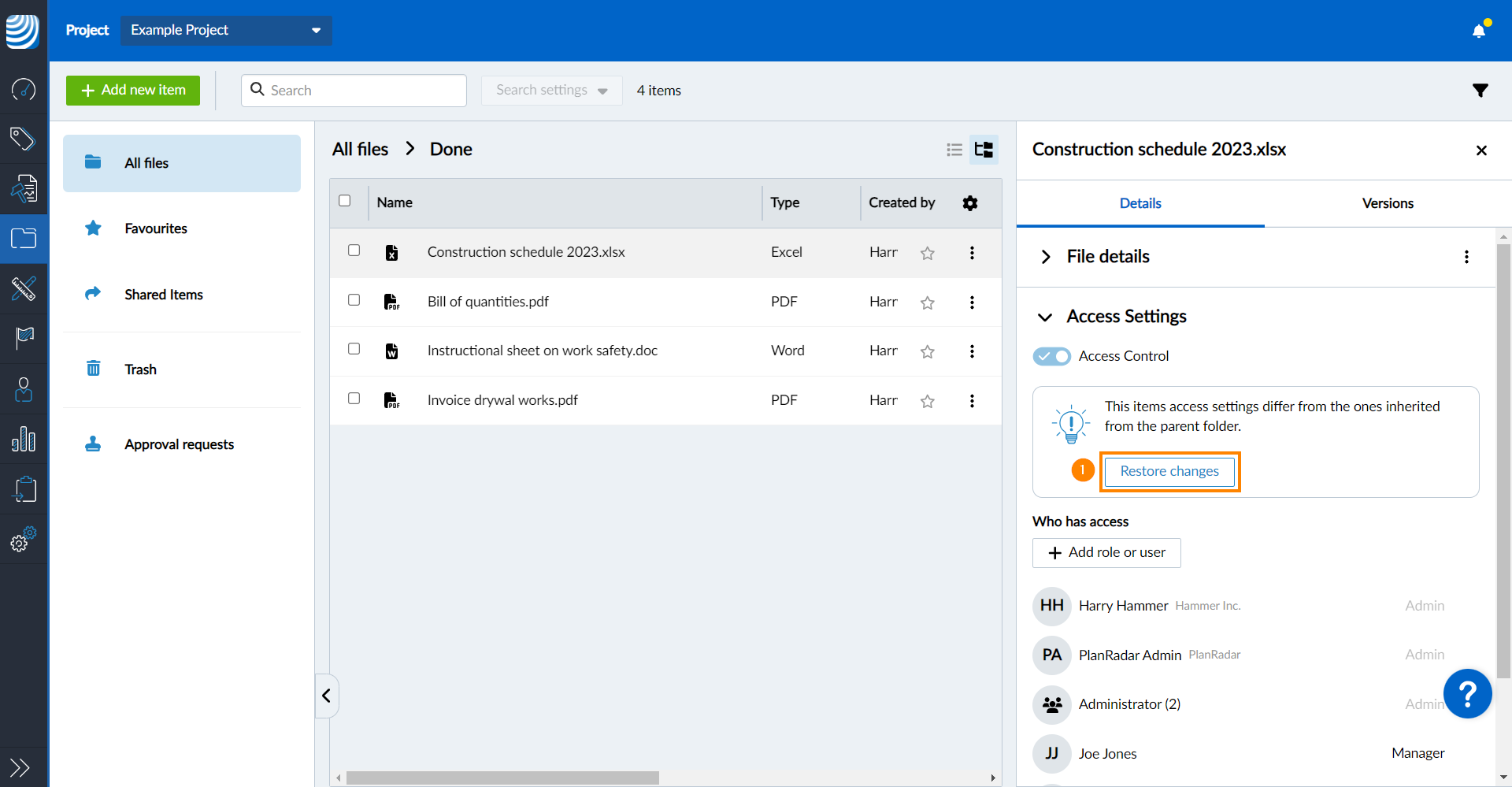
The Importance of File Access Management in Ensuring Data Security
File access management is a critical aspect of data security in any organisation. It involves controlling and monitoring who has access to specific files, folders, and resources within a network. Effective file access management not only protects sensitive information but also ensures compliance with regulations and enhances overall cybersecurity measures.
Preventing Unauthorised Access
One of the primary objectives of file access management is to prevent unauthorised access to confidential data. By implementing proper access controls, organisations can limit the exposure of sensitive information to only those individuals who require it for their job roles. This reduces the risk of data breaches and insider threats that could compromise the integrity of the organisation.
Enhancing Data Security
By managing file access effectively, organisations can enhance their overall data security posture. Encryption, authentication mechanisms, and role-based access controls are some of the tools used in file access management to safeguard critical information from external threats and malicious actors. Regular audits and monitoring help identify any suspicious activities and mitigate potential security risks proactively.
Ensuring Compliance
Many industries are subject to regulatory requirements regarding data protection and privacy. Proper file access management helps organisations comply with these regulations by maintaining detailed records of who accessed which files and when. This audit trail not only demonstrates accountability but also assists in investigations in case of security incidents or compliance audits.
Improving Operational Efficiency
Efficient file access management streamlines processes within an organisation by ensuring that employees have timely access to the files they need to perform their duties. By reducing unnecessary barriers to information while maintaining security protocols, organisations can improve productivity and collaboration among teams without compromising data integrity.
The Role of Technology
Technology plays a crucial role in enabling effective file access management. Access control lists (ACLs), identity and access management (IAM) solutions, encryption technologies, and automated provisioning systems are some of the tools that help organisations enforce policies and monitor file access activities efficiently. Investing in robust technology solutions is essential for maintaining a secure environment while facilitating seamless data sharing within an organisation.
In Conclusion
In today’s digital age, where data breaches are becoming increasingly common, implementing robust file access management practices is essential for safeguarding sensitive information. By controlling who can view, modify or delete files within an organisation’s network, businesses can protect their assets, maintain regulatory compliance, enhance operational efficiency, and ultimately build trust with customers and stakeholders.
Key Benefits of File Access Management: Boosting Security, Compliance, and Efficiency
- Enhances data security by controlling access to sensitive information.
- Prevents unauthorised users from viewing or modifying confidential files.
- Facilitates compliance with data protection regulations through audit trails and access controls.
- Improves operational efficiency by ensuring employees have timely access to relevant files.
- Mitigates insider threats by restricting access based on roles and responsibilities.
- Enables seamless collaboration while maintaining data integrity within the organisation.
Challenges in File Access Management: Navigating Complexity, User Resistance, and Compliance
- Complexity
- User Resistance
- Risk of Errors
- Costly Implementation
- Performance Impact
- Compliance Challenges
Enhances data security by controlling access to sensitive information.
One significant advantage of file access management is its ability to enhance data security by controlling access to sensitive information. By implementing strict access controls and permissions, organisations can ensure that only authorised individuals have the ability to view, modify or delete confidential data. This proactive approach not only minimises the risk of unauthorised access and data breaches but also helps in maintaining the integrity and confidentiality of critical information. Effective file access management plays a crucial role in protecting valuable assets and mitigating potential security threats, ultimately bolstering the overall cybersecurity posture of an organisation.
Prevents unauthorised users from viewing or modifying confidential files.
One of the key benefits of file access management is its ability to prevent unauthorised users from viewing or modifying confidential files. By implementing robust access controls and permission settings, organisations can restrict access to sensitive information to only authorised individuals, thereby reducing the risk of data breaches and insider threats. This proactive measure not only safeguards the integrity of confidential data but also instils a sense of trust and accountability within the organisation’s security framework.
Facilitates compliance with data protection regulations through audit trails and access controls.
Effective file access management plays a crucial role in facilitating compliance with data protection regulations by implementing robust audit trails and access controls. By maintaining detailed records of file access activities and enforcing strict access permissions, organisations can demonstrate accountability and transparency in how sensitive data is handled. These measures not only help in meeting regulatory requirements but also enable quick identification of security incidents or breaches, ensuring that data protection standards are upheld at all times.
Improves operational efficiency by ensuring employees have timely access to relevant files.
An essential benefit of file access management is its ability to enhance operational efficiency by ensuring that employees have prompt access to the files relevant to their roles. By implementing proper access controls and permissions, organisations can streamline workflows and facilitate seamless collaboration among teams. This proactive approach not only saves time that would otherwise be spent requesting permissions but also enables employees to focus on their tasks without unnecessary delays, ultimately boosting productivity and overall operational effectiveness.
Mitigates insider threats by restricting access based on roles and responsibilities.
File access management plays a crucial role in mitigating insider threats by implementing restrictions based on roles and responsibilities. By defining access levels according to job functions, organisations can limit the exposure of sensitive data to only those individuals who require it to perform their duties. This proactive approach not only reduces the risk of intentional or unintentional data breaches by insiders but also enhances accountability within the organisation. Restricting access based on roles and responsibilities ensures that employees can only interact with files and resources that are essential for their specific tasks, thereby minimising the potential for internal security incidents.
Enables seamless collaboration while maintaining data integrity within the organisation.
File access management enables seamless collaboration within an organisation by allowing employees to securely share and access files as needed. By implementing proper access controls and permissions, teams can collaborate on projects without compromising data integrity or confidentiality. This pro of file access management ensures that sensitive information remains protected while facilitating efficient communication and teamwork, ultimately enhancing productivity and innovation across the organisation.
Complexity
One significant drawback of file access management is its inherent complexity. Implementing file access management systems can be a daunting task that demands a considerable investment of time and resources. Organisations often need to allocate skilled personnel with expertise in cybersecurity and IT infrastructure to configure, deploy, and maintain these systems effectively. The intricate nature of setting up access controls, defining permissions, and managing user roles can lead to potential errors or oversights, further complicating the process. Moreover, as technology evolves and organisational needs change, continuous monitoring and adjustments are necessary to ensure the system remains effective and secure.
User Resistance
User Resistance can present a significant challenge when implementing file access management within an organisation. Employees may push back against restrictions on file access, as they perceive it as hindering their workflow or impeding their ability to perform their tasks efficiently. This resistance can undermine the enforcement of security policies and create vulnerabilities in the system. Overcoming user resistance requires effective communication, training, and clear explanations of the importance of file access management in safeguarding sensitive data and protecting the organisation from potential threats. By addressing employee concerns proactively and involving them in the process, organisations can mitigate user resistance and foster a culture of security awareness among their workforce.
Risk of Errors
One significant con of file access management is the risk of errors, particularly human errors in configuring access permissions. Misconfigurations or oversight in setting up access controls can lead to data leaks or unauthorised access to sensitive information within an organisation’s network. These errors may occur due to lack of awareness, inadequate training, or simply human fallibility, highlighting the importance of thorough monitoring and regular audits to identify and rectify any potential vulnerabilities before they are exploited.
Costly Implementation
One notable con of file access management is the costly implementation it entails. Organisations looking to enhance their data security through access control solutions may face substantial upfront expenses, including the investment in specialised software, hardware, and training for staff on how to effectively utilise these tools. The financial burden of implementing file access management systems can be a deterrent for some organisations, especially smaller businesses with limited budgets, as they weigh the benefits of enhanced security against the initial costs involved.
Performance Impact
One significant drawback of file access management is the potential performance impact it can have on workflow efficiency. When access controls are overly restrictive, the process of retrieving and sharing files within an organisation may be impeded. This slowdown can frustrate employees, hinder collaboration efforts, and ultimately affect productivity levels. Balancing stringent security measures with the need for seamless file access is crucial to mitigate this con and ensure that data security does not come at the expense of operational efficiency.
Compliance Challenges
Compliance Challenges: Keeping up with evolving data protection regulations and ensuring compliance with multiple standards can be a daunting task for organisations. The ever-changing landscape of data protection laws and industry standards requires constant monitoring and adjustment of file access management practices to align with the latest requirements. Failure to stay compliant not only exposes organisations to legal risks and potential fines but also undermines trust with customers and partners. Meeting the complex demands of various regulatory frameworks while maintaining efficient file access controls poses a significant challenge that organisations must address proactively to protect their data assets and reputation.