
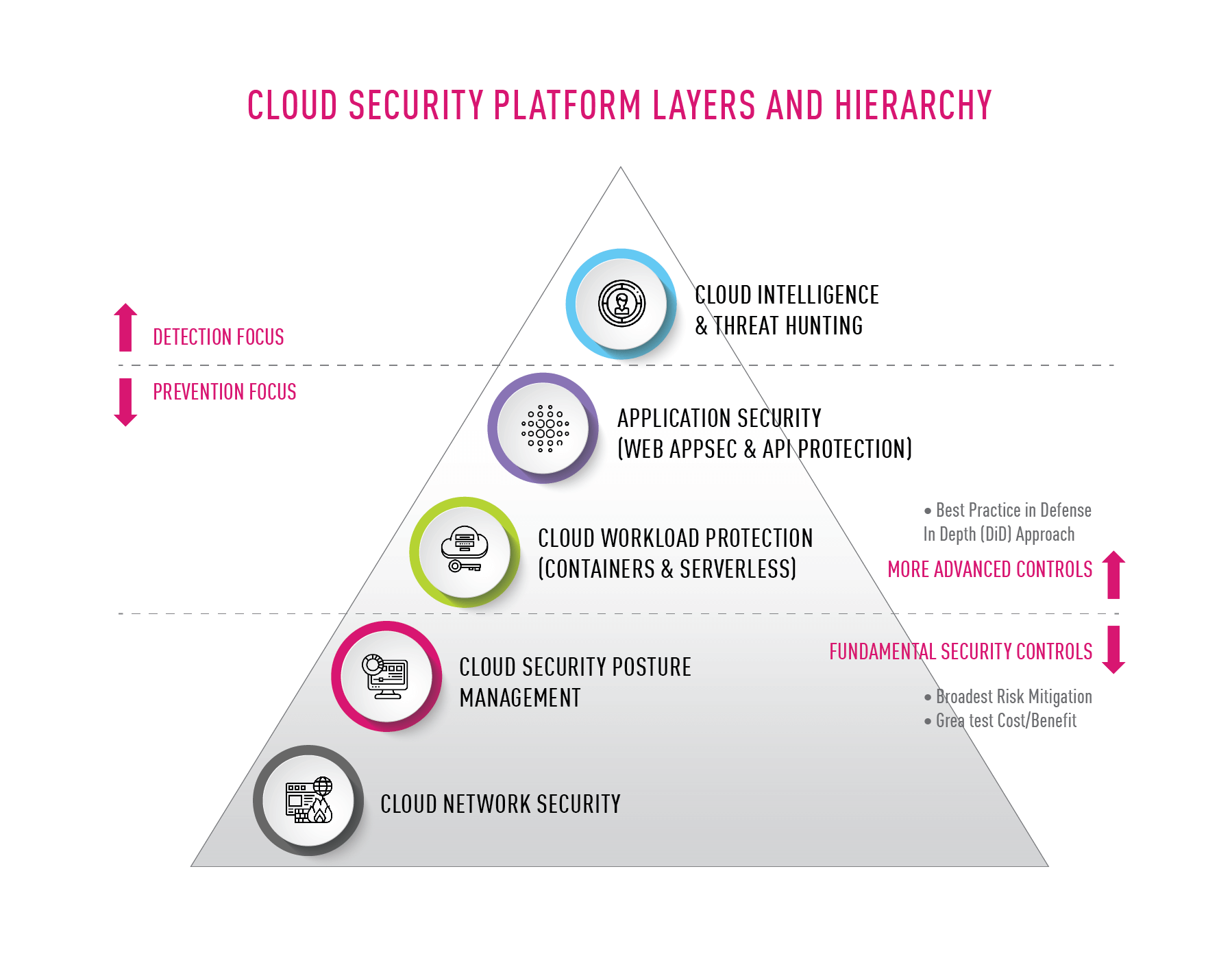
The Importance of Cloud Security Solutions in Today’s Digital Landscape
In the era of digital transformation, businesses are increasingly relying on cloud services to streamline operations, enhance flexibility, and drive innovation. However, with the benefits of cloud computing come inherent security risks that cannot be ignored. This is where cloud security solutions play a crucial role in safeguarding sensitive data and ensuring the integrity of online assets.
Understanding Cloud Security
Cloud security encompasses a set of policies, technologies, and controls designed to protect data, applications, and infrastructure hosted in the cloud. As organisations migrate their workloads to cloud environments, they must implement robust security measures to mitigate threats such as data breaches, malware attacks, and unauthorised access.
The Role of Cloud Security Solutions
Cloud security solutions offer a comprehensive suite of tools and services tailored to address the unique challenges of securing cloud-based resources. These solutions typically include:
- Encryption: Protecting data both at rest and in transit through encryption algorithms.
- Access Control: Managing user permissions and restricting access to sensitive information.
- Identity Management: Verifying user identities and ensuring secure authentication processes.
- Threat Detection: Monitoring for suspicious activities and identifying potential security threats in real-time.
- Compliance Management: Ensuring adherence to industry regulations and data protection standards.
The Benefits of Implementing Cloud Security Solutions
By investing in cloud security solutions, organisations can enjoy a range of benefits including:
- Data Protection: Safeguarding sensitive information from cyber threats and unauthorised access.
- Risk Mitigation: Proactively identifying vulnerabilities and mitigating security risks before they escalate.
- Compliance Assurance: Meeting regulatory requirements and maintaining data privacy standards.
- Business Continuity: Ensuring uninterrupted operations by preventing downtime due to security incidents.
In Conclusion
In conclusion, as businesses continue to embrace the benefits of cloud computing, prioritising cloud security is essential for protecting valuable assets and maintaining trust with customers. By implementing robust cloud security solutions tailored to their specific needs, organisations can mitigate risks effectively and navigate the complexities of the digital landscape with confidence.
Essential Cloud Security Tips: Safeguarding Your Data and Systems
- Encrypt data both in transit and at rest to protect sensitive information.
- Implement strong access controls and authentication mechanisms to prevent unauthorized access.
- Regularly monitor and audit your cloud environment for any suspicious activities.
- Keep all software and systems up to date with the latest security patches.
- Backup your data regularly to ensure you can recover in case of a security breach or data loss.
- Educate employees on best practices for cloud security, such as avoiding sharing login credentials.
- Consider using multi-factor authentication for an added layer of security.
Encrypt data both in transit and at rest to protect sensitive information.
To enhance the security of sensitive information stored in cloud environments, it is essential to encrypt data both in transit and at rest. Encrypting data in transit ensures that information remains secure while being transmitted between devices or over networks, preventing interception by malicious actors. Similarly, encrypting data at rest provides an additional layer of protection by encoding stored data, making it unreadable to unauthorised users who may gain access to the storage infrastructure. By implementing robust encryption practices, organisations can effectively safeguard their valuable data and maintain the confidentiality and integrity of their digital assets in the cloud.
Implement strong access controls and authentication mechanisms to prevent unauthorized access.
To enhance the security of cloud environments, it is crucial to implement robust access controls and authentication mechanisms. By enforcing stringent access policies and authentication protocols, organisations can effectively prevent unauthorised access to sensitive data and applications stored in the cloud. Strong access controls ensure that only authorised users have permission to view, modify, or delete information, reducing the risk of data breaches and insider threats. Additionally, implementing multi-factor authentication adds an extra layer of security by requiring users to provide multiple forms of verification before accessing cloud resources, further fortifying the overall security posture of the digital infrastructure.
Regularly monitor and audit your cloud environment for any suspicious activities.
Regularly monitoring and auditing your cloud environment for any suspicious activities is a fundamental tip in ensuring robust cloud security solutions. By staying vigilant and proactively identifying anomalies or unauthorized access, organisations can swiftly respond to potential threats and prevent security breaches. Monitoring allows for real-time detection of unusual behaviour, while regular audits provide insights into the overall health of the cloud infrastructure, helping to maintain compliance with security standards and regulations. Prioritising this practice enhances the resilience of cloud environments and reinforces data protection measures in today’s dynamic digital landscape.
Keep all software and systems up to date with the latest security patches.
It is crucial to ensure the security of cloud environments by keeping all software and systems up to date with the latest security patches. Regularly updating software helps to address vulnerabilities and weaknesses that could be exploited by cyber threats. By staying current with security patches, organisations can enhance their defences against potential attacks and maintain a more secure cloud infrastructure. Prioritising timely updates is a fundamental practice in bolstering the overall resilience of cloud security solutions.
Backup your data regularly to ensure you can recover in case of a security breach or data loss.
It is essential to regularly backup your data as part of your cloud security strategy. By maintaining up-to-date backups, you can ensure that in the event of a security breach or data loss, you have the ability to recover critical information and minimise potential disruptions to your business operations. Backup solutions play a vital role in safeguarding your data integrity and providing a safety net for unforeseen incidents, allowing you to restore your systems efficiently and maintain business continuity.
Educate employees on best practices for cloud security, such as avoiding sharing login credentials.
To enhance cloud security within an organisation, it is crucial to educate employees on best practices, including the importance of avoiding sharing login credentials. By emphasising the risks associated with sharing passwords or access credentials, employees can better understand their role in safeguarding sensitive data stored in the cloud. Encouraging a culture of accountability and promoting individual responsibility for cybersecurity helps create a more secure environment and reduces the likelihood of potential breaches or unauthorised access.
Consider using multi-factor authentication for an added layer of security.
When implementing cloud security solutions, it is advisable to consider incorporating multi-factor authentication as an additional layer of protection. Multi-factor authentication enhances security by requiring users to provide multiple forms of verification, such as passwords, biometric data, or security tokens, before accessing cloud resources. This added step significantly reduces the risk of unauthorised access and strengthens overall data protection measures in the cloud environment. By utilising multi-factor authentication, organisations can bolster their defences against potential cyber threats and enhance the security posture of their cloud infrastructure.