
The Importance of Web Access Management
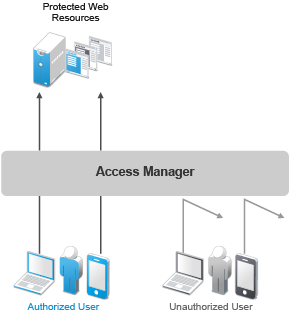
In today’s digital age, where online interactions are integral to business operations and personal activities, the need for robust web access management has never been more critical. Web access management refers to the processes and technologies that control user access to web resources securely and efficiently.
Enhanced Security
One of the primary reasons why web access management is essential is security. By implementing effective access controls, organisations can safeguard their sensitive data from unauthorised access and cyber threats. Through mechanisms such as multi-factor authentication, role-based access control, and single sign-on, web access management helps prevent data breaches and ensures compliance with regulatory requirements.
Improved User Experience
Web access management also plays a crucial role in enhancing the user experience. By providing seamless and secure access to web applications and services, organisations can streamline user interactions and increase productivity. Single sign-on capabilities, for instance, enable users to access multiple resources with a single set of credentials, eliminating the need for multiple logins and simplifying the user experience.
Efficient Resource Management
Effective web access management enables organisations to efficiently manage their resources by controlling who can access specific web applications and data. By implementing granular access controls based on user roles and permissions, businesses can ensure that employees have appropriate levels of access to carry out their responsibilities effectively while preventing unauthorised users from accessing sensitive information.
Scalability and Flexibility
Web access management solutions are designed to be scalable and flexible, allowing organisations to adapt to changing business requirements and evolving security threats. Whether deploying on-premises or in the cloud, modern web access management platforms offer scalability options that cater to the needs of small businesses as well as large enterprises. Additionally, these solutions provide flexibility in managing diverse user populations across different devices and locations.
Conclusion
In conclusion, web access management is a vital component of modern cybersecurity strategies that helps organisations protect their data assets, enhance user experiences, improve resource efficiency, and adapt to dynamic business environments. By investing in robust web access management solutions, businesses can mitigate security risks, boost operational efficiency, and foster a secure digital ecosystem for their users.
Enhancing Web Access Security: Six Essential Tips for Effective Management
- Implement strong password policies.
- Enable multi-factor authentication for added security.
- Regularly review and update user access rights.
- Use role-based access control to manage permissions effectively.
- Monitor user activity and set up alerts for suspicious behaviour.
- Provide training on secure web access practices for all users.
Implement strong password policies.
Implementing strong password policies is a crucial aspect of effective web access management. By requiring users to create complex passwords that include a combination of letters, numbers, and special characters, organisations can significantly enhance the security of their online resources. Strong passwords act as a first line of defence against cyber threats and unauthorised access, reducing the risk of data breaches and protecting sensitive information. Regularly updating passwords and enforcing password expiration policies further strengthens security measures, ensuring that user accounts remain secure and resilient against potential attacks.
Enable multi-factor authentication for added security.
Enabling multi-factor authentication is a highly recommended tip for enhancing security in web access management. By requiring users to provide multiple forms of verification, such as a password and a unique code sent to their mobile device, organisations can significantly reduce the risk of unauthorised access to sensitive data and resources. Multi-factor authentication adds an extra layer of protection against cyber threats, ensuring that only authorised individuals can access web applications and services. This simple yet effective security measure strengthens overall cybersecurity posture and helps safeguard valuable information from potential breaches.
Regularly review and update user access rights.
Regularly reviewing and updating user access rights is a fundamental tip in effective web access management. By conducting routine audits of user permissions and access levels, organisations can ensure that employees have the appropriate level of access to web resources based on their roles and responsibilities. This practice not only helps prevent unauthorised access to sensitive data but also promotes compliance with security policies and regulations. Regular reviews also enable businesses to adapt quickly to changes within the organisation, such as employee role changes or departures, maintaining a secure and efficient web access environment.
Use role-based access control to manage permissions effectively.
Utilising role-based access control is a fundamental tip in web access management to efficiently manage permissions. By assigning specific roles to users based on their responsibilities and authority levels, organisations can streamline access control processes and ensure that individuals only have access to the resources necessary for their role. This approach not only enhances security by limiting exposure to sensitive data but also simplifies permission management, making it easier to grant or revoke access as needed. Overall, implementing role-based access control is a strategic measure that contributes to a more secure and organised web access management framework.
Monitor user activity and set up alerts for suspicious behaviour.
To enhance the security of your web access management system, it is crucial to monitor user activity closely and establish alerts for any suspicious behaviour. By actively tracking user interactions and setting up alerts for unusual patterns or activities, organisations can proactively identify potential security threats and take immediate action to mitigate risks. Monitoring user activity and implementing alert mechanisms not only strengthens the overall security posture but also helps in maintaining compliance with regulatory requirements by promptly addressing any anomalies in user behaviour.
Provide training on secure web access practices for all users.
To enhance web access management, it is crucial to provide comprehensive training on secure web access practices for all users. By educating employees on best practices such as creating strong passwords, identifying phishing attempts, and using secure connections, organisations can empower their workforce to mitigate potential security risks and protect sensitive data. Training sessions can also raise awareness about the importance of maintaining good cyber hygiene and adhering to company policies, ultimately contributing to a more secure and resilient digital environment.