
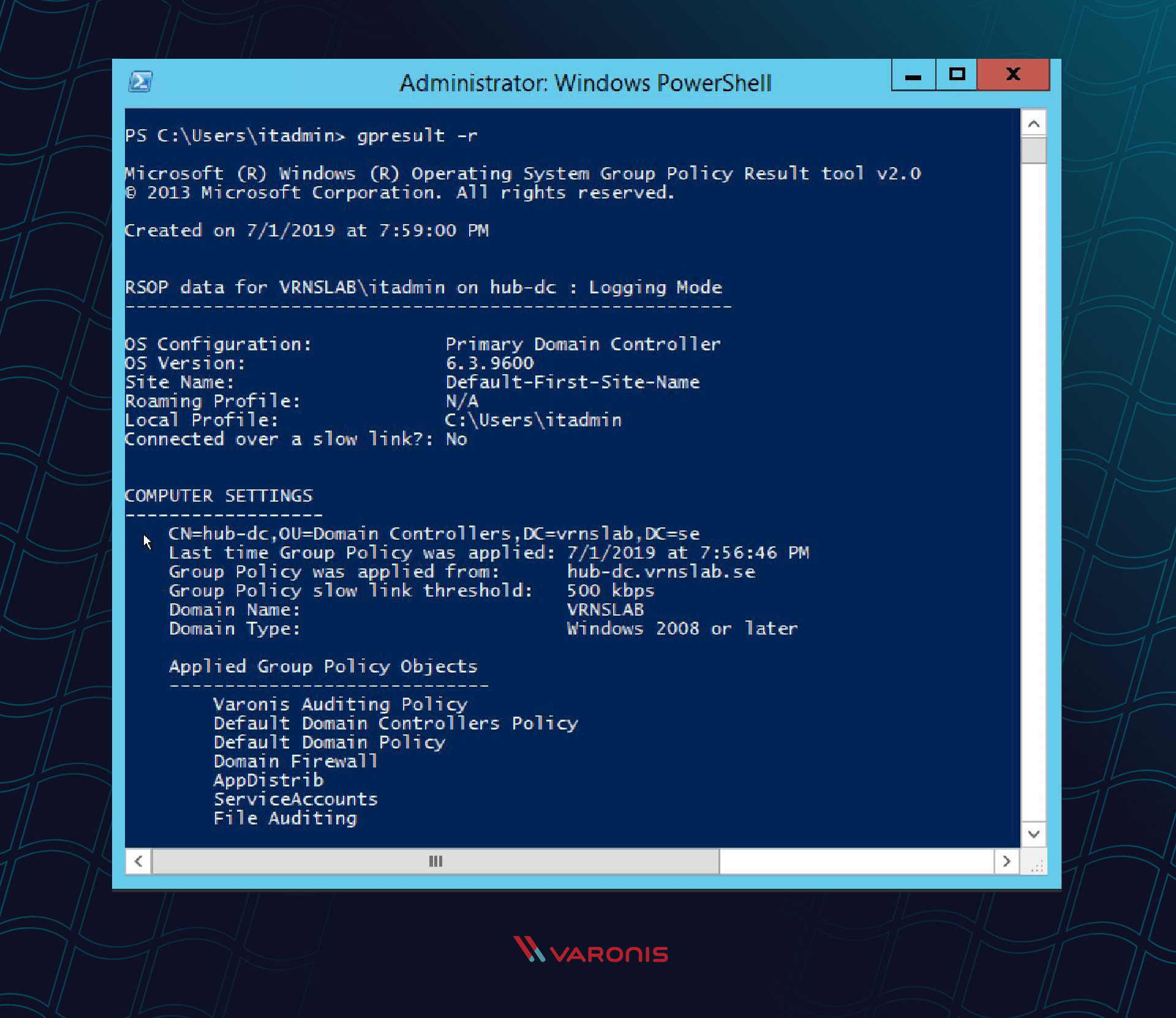
The Importance of Advanced Auditing in Directory Services
In today’s interconnected digital landscape, organisations rely heavily on directory services to manage user identities, access permissions, and network resources. As the centralised hub for authentication and authorisation, directory services such as Active Directory play a critical role in ensuring the security and efficiency of IT infrastructures.
With the increasing sophistication of cyber threats and the growing emphasis on regulatory compliance, traditional auditing methods are no longer sufficient to safeguard directory services effectively. Advanced auditing techniques have emerged as a crucial component in identifying security incidents, monitoring user activities, and maintaining compliance with industry standards.
Real-Time Monitoring
Advanced auditing enables real-time monitoring of directory service activities, allowing administrators to detect suspicious behaviour promptly. By tracking login attempts, access requests, and changes to user permissions in real-time, organisations can proactively identify potential security threats and take immediate action to mitigate risks.
Granular Reporting
Advanced auditing tools provide granular reporting capabilities that offer detailed insights into user interactions with directory services. Administrators can generate customised reports on user logins, group membership changes, password resets, and other critical events to gain a comprehensive view of system activities. These reports not only aid in incident response but also support compliance audits by demonstrating adherence to regulatory requirements.
Compliance Management
Ensuring compliance with data protection regulations such as GDPR, HIPAA, or PCI DSS is a top priority for organisations handling sensitive information. Advanced auditing solutions help streamline compliance management by automatically monitoring access controls, enforcing security policies, and generating audit trails for regulatory purposes. By maintaining a detailed record of all changes made within the directory service environment, organisations can demonstrate accountability and transparency to auditors.
Enhanced Security Posture
By implementing advanced auditing in directory services, organisations can strengthen their overall security posture against internal and external threats. Continuous monitoring of user activities helps detect insider threats, unauthorised access attempts, and configuration errors that could compromise system integrity. With proactive alerts and automated remediation capabilities, administrators can respond swiftly to security incidents before they escalate into major breaches.
The Future of Directory Services Auditing
As cyber threats continue to evolve and regulatory requirements become more stringent, the need for advanced auditing in directory services will only grow. Organisations must invest in robust auditing solutions that offer real-time visibility, comprehensive reporting features, and seamless integration with existing IT infrastructure. By staying ahead of emerging threats through advanced auditing practices, businesses can safeguard their critical assets and maintain trust with customers.
In conclusion, advanced auditing plays a vital role in enhancing the security, compliance, and operational efficiency of directory services. By leveraging advanced auditing tools and best practices, organisations can fortify their defences against cyber threats while demonstrating adherence to regulatory standards.
Maximising Security and Compliance: The Top 5 Benefits of Advanced Directory Services Auditing
- Enhanced security
- Compliance assurance
- Insider threat detection
- Operational visibility
- Proactive incident response
Challenges of Advanced Auditing in Directory Services: Complexity, Performance Impact, and Cost
Enhanced security
Enhanced security is a key benefit of directory services advanced auditing, particularly in its ability to offer real-time monitoring capabilities. By continuously monitoring user activities and system events, advanced auditing tools can swiftly detect and respond to security incidents as they occur. This proactive approach enables organisations to identify suspicious behaviour, unauthorised access attempts, and potential threats in real-time, allowing administrators to take immediate action to mitigate risks and safeguard the integrity of their IT infrastructure. The prompt detection and response provided by advanced auditing not only enhance the overall security posture of organisations but also help prevent security breaches before they escalate into more significant incidents.
Compliance assurance
One of the key benefits of directory services advanced auditing is its ability to provide compliance assurance. By offering detailed reporting capabilities, organisations can easily support regulatory compliance audits and showcase their adherence to industry standards. These reports not only help in demonstrating accountability and transparency to auditors but also ensure that data protection regulations are being followed meticulously. With advanced auditing tools, businesses can streamline their compliance management processes and maintain a robust framework for meeting regulatory requirements effectively.
Insider threat detection
Granular auditing in directory services advanced auditing is a powerful tool for detecting insider threats within an organisation. By monitoring user activities at a detailed level, administrators can pinpoint unusual behaviour, unauthorised access attempts, and suspicious actions that may indicate malicious intent from insiders. This proactive approach to insider threat detection enables swift intervention to prevent potential security breaches and safeguard sensitive data within the IT infrastructure.
Operational visibility
Advanced auditing in directory services provides a valuable pro in the form of operational visibility. By offering a comprehensive view of all activities within the directory service environment, administrators can effectively track changes, monitor user interactions, and maintain a clear understanding of system operations. This enhanced visibility allows for proactive identification of potential security risks, swift response to critical events, and improved overall management of the directory service infrastructure. With advanced auditing capabilities, organisations can ensure transparency and accountability in their IT operations while optimising system performance and security measures.
Proactive incident response
With automated alerts and remediation features, advanced auditing in directory services enables proactive incident response by swiftly identifying and addressing potential security breaches. By setting up real-time monitoring and automated alerts for suspicious activities, organisations can take immediate action to mitigate risks before they escalate. This proactive approach not only helps in containing security incidents but also minimises the impact on the overall IT environment, enhancing the organisation’s resilience against cyber threats.
Complexity
The complexity associated with implementing advanced auditing in directory services can pose a significant challenge for organisations. Introducing sophisticated auditing tools may demand additional resources and expertise to configure and maintain effectively. IT teams may need to invest time and effort in training staff members on the intricacies of the auditing tools, leading to potential disruptions in daily operations. Moreover, the integration of advanced auditing functionalities into existing IT infrastructure can result in compatibility issues and technical hurdles that require careful navigation. Overall, the complexity introduced by advanced auditing solutions underscores the importance of strategic planning and resource allocation to ensure a seamless implementation process.
Performance Impact
Continuous monitoring and logging of user activities in directory services advanced auditing can introduce a significant con in the form of performance impact. The constant tracking and recording of user interactions may strain the resources of the directory service infrastructure, leading to potential slowdowns in system responsiveness. As the auditing processes consume additional computing power and storage capacity, organisations must strike a balance between maintaining robust security measures and ensuring optimal performance to avoid disruptions in daily operations. Efforts to mitigate this con may involve fine-tuning auditing configurations, implementing efficient data storage practices, and leveraging performance-enhancing technologies to minimise the impact on system speed and usability.
Cost
The primary drawback of implementing advanced auditing in directory services is the substantial financial burden it can place on organisations. The costs associated with advanced auditing solutions, such as licensing fees, staff training expenses, and ongoing maintenance costs, can quickly add up and strain the organisation’s budget. While the benefits of enhanced security and compliance are undeniable, the high cost of implementation and maintenance may deter some organisations from fully embracing advanced auditing practices in their directory services environment. Balancing the need for robust security measures with budget constraints remains a significant challenge for many businesses considering advanced auditing solutions.