
The Importance of an Authentication Management System in Securing Your Data
In today’s digital age, where data breaches and cyber threats are on the rise, implementing a robust authentication management system is crucial for safeguarding sensitive information. An authentication management system serves as the first line of defence against unauthorised access to your network, applications, and data.
So, what exactly is an authentication management system? It is a set of processes and technologies that verify the identity of users and grant them access based on their credentials. This can include something you know (like a password), something you have (like a security token), or something you are (like biometric data).
One of the key benefits of an authentication management system is its ability to prevent unauthorised users from gaining entry into your systems. By requiring users to prove their identity through multiple factors, such as passwords and biometrics, the likelihood of a security breach is significantly reduced.
Furthermore, an effective authentication management system enhances user experience by providing seamless access to authorised users while maintaining a high level of security. Users can log in securely from any location or device without compromising sensitive data.
Another important aspect of an authentication management system is its role in regulatory compliance. Many industries have strict requirements for protecting customer data, such as GDPR in Europe or HIPAA in the healthcare sector. By implementing a robust authentication system, organisations can demonstrate compliance with these regulations and avoid hefty fines for data breaches.
In conclusion, investing in an authentication management system is essential for protecting your organisation’s data and maintaining trust with customers. By implementing multi-factor authentication, encryption protocols, and regular security audits, you can strengthen your cybersecurity posture and mitigate the risk of cyber threats.
Remember, when it comes to cybersecurity, prevention is always better than cure. Secure your data with a reliable authentication management system today!
Understanding Authentication Management: Key Differences and Core Concepts in IAM and SSO
- What is the difference between IAM and SSO?
- What are examples of IAM?
- What are the 4 pillars of IAM?
- What is the difference between IAM and IdM?
- What are the 4 types of authentication?
What is the difference between IAM and SSO?
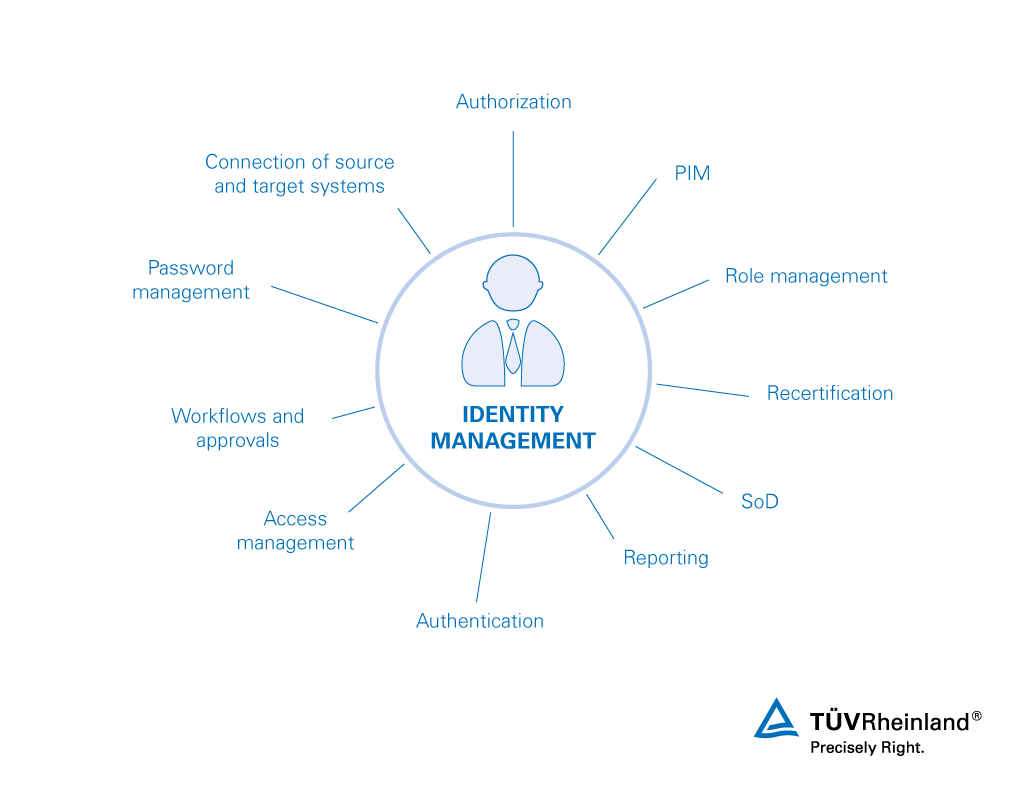
When discussing authentication management systems, it’s important to understand the distinction between Identity and Access Management (IAM) and Single Sign-On (SSO). IAM encompasses a broader set of processes and technologies that focus on managing user identities, their access rights, and permissions across an organisation’s resources. On the other hand, SSO is a specific feature within IAM that allows users to access multiple applications with a single set of credentials. While IAM provides comprehensive control over user identities and access privileges, SSO simplifies the user experience by eliminating the need for multiple logins. Both IAM and SSO play crucial roles in enhancing security and streamlining access management within an organisation’s IT infrastructure.
What are examples of IAM?
Identity and Access Management (IAM) encompasses a variety of tools and solutions that help organisations manage user identities and control their access to systems and data. Examples of IAM solutions include Single Sign-On (SSO), which allows users to access multiple applications with a single set of credentials, thereby enhancing user experience and security. Another example is Multi-Factor Authentication (MFA), which adds an extra layer of security by requiring users to provide multiple forms of verification, such as passwords, biometrics, or security tokens. Additionally, Role-Based Access Control (RBAC) assigns permissions based on the roles individuals hold within an organisation, ensuring that users have the appropriate level of access to resources. These are just a few examples of IAM technologies that play a crucial role in securing digital identities and protecting sensitive information.
What are the 4 pillars of IAM?
In the realm of Identity and Access Management (IAM), the concept of the “4 pillars” refers to the fundamental components that form the foundation of a robust authentication management system. These pillars include: authentication, authorisation, accounting, and auditing. Authentication involves verifying the identity of users accessing a system or application. Authorisation determines what actions or resources a user is permitted to access once authenticated. Accounting tracks user activities and resource usage for security and compliance purposes. Finally, auditing involves monitoring and logging user actions to detect any suspicious behaviour or policy violations. Together, these four pillars work in harmony to establish a secure and efficient IAM framework that protects sensitive data and ensures regulatory compliance.
What is the difference between IAM and IdM?
IAM (Identity and Access Management) and IdM (Identity Management) are often used interchangeably, but they serve different purposes within an organisation’s security framework. IAM encompasses a broader scope, focusing on managing user identities, their access rights, and privileges across various systems and applications. On the other hand, IdM specifically deals with the management of user identities and their attributes within a single system or directory. While both IAM and IdM are essential components of a robust authentication management system, understanding their distinct roles can help organisations tailor their security measures effectively to meet specific needs and compliance requirements.
What are the 4 types of authentication?
There are four main types of authentication methods used in authentication management systems. The first type is knowledge-based authentication, where users prove their identity by providing something they know, such as passwords or PINs. The second type is possession-based authentication, which involves users presenting something they have, like security tokens or smart cards. The third type is inherence-based authentication, which utilises biometric data such as fingerprints or facial recognition to verify identity. Lastly, the fourth type is location-based authentication, where a user’s geographical location is used as a factor to authenticate access to systems or applications. Each of these authentication types plays a crucial role in ensuring secure and reliable access control in modern IT environments.