
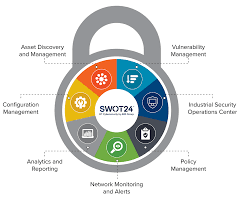
The Importance of Cyber Security Services
In today’s digital age, where businesses rely heavily on technology to operate efficiently, the need for robust cyber security services has never been greater. Cyber threats continue to evolve and pose significant risks to organisations of all sizes. Investing in professional cyber security services is essential to safeguard sensitive data, protect against malicious attacks, and ensure business continuity.
One of the primary benefits of cyber security services is the proactive approach they offer in identifying and mitigating potential threats. Experienced professionals utilise advanced tools and techniques to monitor networks, detect vulnerabilities, and respond swiftly to incidents. By staying ahead of cyber criminals, businesses can prevent costly data breaches and minimise downtime.
Furthermore, cyber security services help organisations comply with regulatory requirements and industry standards. Many sectors have strict guidelines regarding data protection and privacy, such as GDPR in Europe or HIPAA in healthcare. By enlisting the expertise of cyber security professionals, businesses can ensure they meet these obligations and avoid hefty fines for non-compliance.
Another crucial aspect of cyber security services is education and training. Human error remains one of the leading causes of security breaches, often due to lack of awareness or understanding of best practices. Cyber security providers offer training programmes to educate employees on how to recognise phishing attempts, create secure passwords, and follow protocols to safeguard company information.
Ultimately, investing in cyber security services is an investment in the future resilience and reputation of your business. By partnering with experts who specialise in protecting digital assets, you can focus on growing your organisation without constantly worrying about cyber threats lurking around the corner.
Essential Cyber Security: Addressing Key Questions for Business Protection
- What is cyber security and why is it important?
- How can a cyber security service protect my business?
- What are the common types of cyber threats I should be aware of?
- How do I choose the right cyber security service provider?
- What measures can be taken to prevent data breaches?
- How often should my business conduct a security audit?
- What steps are involved in responding to a cyber attack?
- Can small businesses benefit from professional cyber security services?
- How does employee training contribute to overall cyber security?
What is cyber security and why is it important?
Cyber security is the practice of protecting digital systems, networks, and data from malicious attacks or unauthorised access. It encompasses a range of strategies, technologies, and processes designed to safeguard sensitive information and ensure the integrity of digital assets. In today’s interconnected world, where cyber threats are constantly evolving, cyber security plays a crucial role in maintaining the confidentiality, availability, and integrity of data. Without adequate cyber security measures in place, organisations are vulnerable to data breaches, financial losses, reputational damage, and legal consequences. By prioritising cyber security, businesses can mitigate risks, protect their valuable assets, and maintain trust with customers and stakeholders in an increasingly digitised environment.
How can a cyber security service protect my business?
Cyber security services play a vital role in safeguarding businesses against a myriad of digital threats. By employing advanced technologies and expert knowledge, these services can protect your business in several ways. Firstly, they conduct thorough assessments of your IT infrastructure to identify vulnerabilities and implement robust security measures to prevent cyber attacks. Additionally, cyber security services offer real-time monitoring of network activities, enabling prompt detection and response to suspicious behaviour or potential breaches. Moreover, they provide regular updates and patches to ensure that your systems are equipped with the latest defences against evolving threats. Overall, investing in a cyber security service can significantly enhance the resilience of your business and mitigate the risks posed by cyber adversaries.
What are the common types of cyber threats I should be aware of?
It is crucial for individuals and organisations to be aware of the common types of cyber threats that pose risks to their digital security. Some prevalent cyber threats include malware, which encompasses viruses, ransomware, and spyware designed to infiltrate systems and steal data. Phishing attacks are another common threat, where malicious actors use deceptive emails or messages to trick users into divulging sensitive information. Additionally, DDoS (Distributed Denial of Service) attacks can overwhelm networks, causing disruptions in services. Being informed about these and other cyber threats is essential in implementing effective security measures to mitigate risks and protect against potential breaches.
How do I choose the right cyber security service provider?
When considering how to select the most suitable cyber security service provider for your organisation, several key factors should be taken into account. Firstly, assess the provider’s experience and track record in the field. Look for a company with a proven history of successfully protecting businesses from cyber threats. Additionally, consider the range of services offered and ensure they align with your specific needs, whether it be network monitoring, threat detection, or incident response. It is also essential to evaluate the provider’s certifications and compliance with industry standards to guarantee they adhere to best practices. Lastly, look for a partner who offers excellent customer support and demonstrates a commitment to ongoing communication and collaboration throughout your engagement with them. By carefully evaluating these aspects, you can confidently choose a cyber security service provider that meets your requirements and safeguards your digital assets effectively.
What measures can be taken to prevent data breaches?
Data breaches are a significant concern in today’s digital landscape, but there are proactive measures that can be implemented to help prevent them. One key step is to regularly update and patch software systems to address known vulnerabilities that cyber criminals may exploit. Implementing strong access controls, such as multi-factor authentication and least privilege access, can limit the exposure of sensitive data. Encrypting data both at rest and in transit adds an additional layer of protection. Conducting regular security awareness training for employees to educate them on common threats like phishing emails and social engineering can also help prevent data breaches by reducing the human error factor. Lastly, having a robust incident response plan in place can enable swift detection and containment of breaches, minimising their impact on the organisation.
How often should my business conduct a security audit?
It is recommended that businesses conduct a security audit regularly to ensure the ongoing protection of their digital assets. The frequency of security audits may vary depending on factors such as the size of the business, industry regulations, and the evolving nature of cyber threats. Typically, businesses should consider conducting security audits at least annually or more frequently if there have been significant changes in the IT infrastructure, such as system upgrades or expansions. Regular security audits help identify vulnerabilities, assess risks, and implement necessary measures to strengthen the overall security posture of the business against potential cyber attacks.
What steps are involved in responding to a cyber attack?
When responding to a cyber attack, several critical steps are involved to mitigate the impact and restore security. The first step is to identify and contain the breach by isolating affected systems to prevent further spread of the attack. Next, it is crucial to assess the extent of the damage and analyse how the breach occurred. This analysis helps in understanding the attacker’s tactics and strengthens defences against future attacks. Following this, organisations must notify relevant stakeholders, including internal teams, regulatory bodies, and possibly law enforcement agencies, depending on the severity of the incident. Finally, a comprehensive recovery plan should be implemented to restore systems, data, and operations back to normalcy while continuously monitoring for any signs of reoccurrence. Swift and coordinated action during a cyber attack response is essential in minimising disruption and safeguarding sensitive information.
Can small businesses benefit from professional cyber security services?
Small businesses can greatly benefit from professional cyber security services. While larger corporations often have dedicated IT departments and resources to manage cyber threats, small businesses are equally vulnerable to attacks but may lack the expertise and tools to effectively protect their digital assets. By investing in cyber security services tailored to their needs, small businesses can enhance their defences against cyber threats, safeguard sensitive data, maintain customer trust, and ensure business continuity. Professional cyber security services provide proactive monitoring, threat detection, incident response, and compliance assistance that can help small businesses mitigate risks and focus on their core operations with peace of mind.
How does employee training contribute to overall cyber security?
Employee training plays a pivotal role in bolstering overall cyber security within an organisation. By educating employees on best practices, recognising common threats, and understanding their role in maintaining a secure environment, organisations can significantly reduce the risk of cyber attacks. Well-trained employees are more vigilant against phishing attempts, better equipped to create strong passwords, and more likely to follow established security protocols. This increased awareness and knowledge empower employees to act as the first line of defence against potential threats, ultimately strengthening the organisation’s cyber security posture and minimising vulnerabilities.