
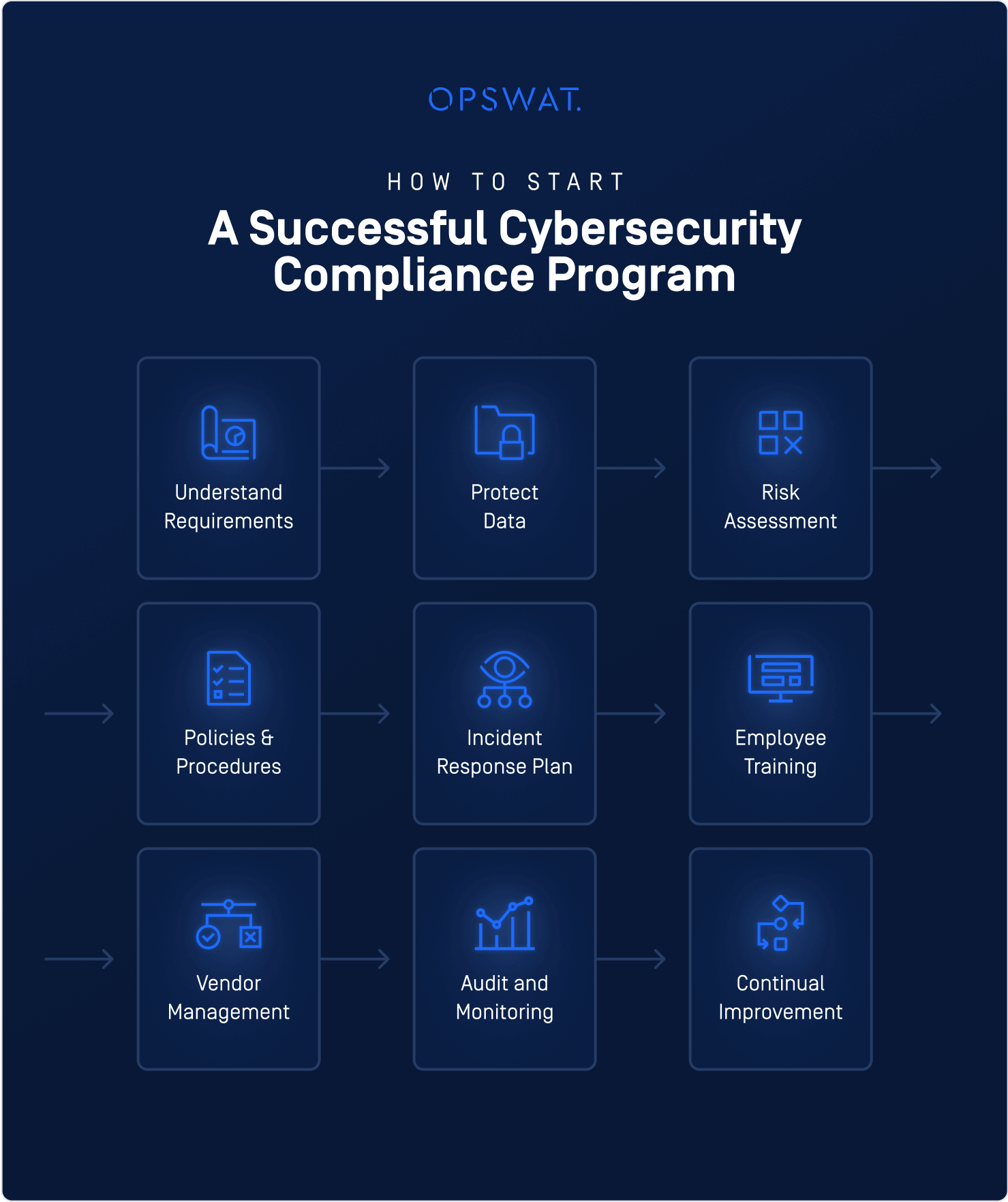
The Intersection of Cyber Risk and Compliance
In today’s digital age, organisations face a myriad of cyber threats that can compromise sensitive data and disrupt operations. As a result, maintaining cybersecurity measures has become a top priority for businesses across all industries. However, addressing cyber risk goes beyond just implementing security protocols; it also involves ensuring compliance with relevant regulations and standards.
Cyber Risk Management
Cyber risk refers to the potential harm that can arise from a breach of cybersecurity defences. These risks can manifest in various forms, including data breaches, ransomware attacks, phishing scams, and more. To mitigate cyber risk effectively, organisations must adopt a proactive approach that involves identifying potential threats, assessing vulnerabilities, and implementing robust security measures.
Effective cyber risk management encompasses a range of strategies, such as regular security assessments, employee training programmes, incident response plans, and the deployment of advanced cybersecurity technologies. By staying vigilant and responsive to emerging threats, organisations can reduce their exposure to cyber risks and safeguard their digital assets.
Compliance Requirements
In addition to managing cyber risks, organisations must also adhere to various compliance requirements set forth by regulatory bodies and industry standards. These regulations are designed to ensure the protection of sensitive data, promote transparency in data handling practices, and hold organisations accountable for maintaining adequate cybersecurity measures.
Common compliance frameworks include the General Data Protection Regulation (GDPR), the Payment Card Industry Data Security Standard (PCI DSS), the Health Insurance Portability and Accountability Act (HIPAA), and more. Failure to comply with these regulations can result in severe penalties, reputational damage, and legal consequences for non-compliant organisations.
The Nexus of Cyber Risk and Compliance
The intersection of cyber risk and compliance underscores the importance of aligning cybersecurity practices with regulatory requirements. Organisations that effectively manage cyber risks while ensuring compliance demonstrate a commitment to protecting their assets and upholding data privacy principles.
By integrating cybersecurity best practices with regulatory mandates, organisations can establish a strong foundation for safeguarding their digital infrastructure against evolving threats. This holistic approach not only enhances security posture but also instils trust among customers, partners, and stakeholders.
Conclusion
In conclusion, addressing cyber risk and compliance is essential for modern businesses seeking to navigate the complex landscape of cybersecurity threats and regulatory obligations. By prioritising proactive risk management strategies alongside adherence to relevant regulations, organisations can fortify their defences against cyber threats while maintaining trust and integrity in their operations.
Top 5 Tips for Managing Cyber Risk and Ensuring Compliance
- Regularly update software and security patches to protect against vulnerabilities.
- Implement strong password policies and consider using multi-factor authentication.
- Train employees on cybersecurity best practices to reduce human error risks.
- Conduct regular risk assessments to identify potential threats and weaknesses in your systems.
- Stay informed about the latest cyber threats and compliance regulations to adapt your security measures accordingly.
Regularly update software and security patches to protect against vulnerabilities.
To enhance cybersecurity measures and ensure compliance with industry standards, it is crucial for organisations to regularly update their software and apply security patches. By staying current with software updates, businesses can address known vulnerabilities and bolster their defences against potential cyber threats. This proactive approach not only mitigates the risk of exploitation by malicious actors but also demonstrates a commitment to maintaining a secure and compliant IT environment. Regular software updates play a vital role in safeguarding sensitive data, preserving operational continuity, and upholding regulatory requirements in today’s dynamic threat landscape.
Implement strong password policies and consider using multi-factor authentication.
To enhance cybersecurity resilience and ensure compliance with data protection regulations, it is advisable to implement robust password policies and consider integrating multi-factor authentication. Strong password policies, including requirements for complex passwords and regular password changes, can significantly bolster the security of accounts and systems. Additionally, utilising multi-factor authentication adds an extra layer of defence by requiring users to verify their identity through multiple means, such as a password combined with a unique code sent to their mobile device. By adopting these measures, organisations can mitigate cyber risks associated with unauthorised access and strengthen their overall security posture in alignment with regulatory standards.
Train employees on cybersecurity best practices to reduce human error risks.
Training employees on cybersecurity best practices is a crucial step in mitigating cyber risk and ensuring compliance within an organisation. Human error remains one of the leading causes of security breaches, making it essential to educate staff on how to identify and respond to potential threats effectively. By equipping employees with the knowledge and skills needed to navigate the digital landscape securely, businesses can significantly reduce the likelihood of falling victim to cyber attacks and strengthen their overall security posture.
Conduct regular risk assessments to identify potential threats and weaknesses in your systems.
To enhance cybersecurity and ensure compliance with regulations, it is crucial for organisations to conduct regular risk assessments to identify potential threats and weaknesses in their systems. By systematically evaluating the security posture of their IT infrastructure, businesses can proactively detect vulnerabilities, assess the likelihood of cyber attacks, and prioritise mitigation efforts. Regular risk assessments not only help in strengthening defences against evolving threats but also aid in demonstrating a commitment to proactive risk management and regulatory compliance.
Stay informed about the latest cyber threats and compliance regulations to adapt your security measures accordingly.
Staying informed about the latest cyber threats and compliance regulations is crucial for organisations looking to enhance their cybersecurity posture and ensure regulatory adherence. By keeping abreast of emerging threats and evolving regulations, businesses can proactively adjust their security measures to address potential vulnerabilities and maintain compliance standards. This proactive approach not only helps mitigate cyber risks but also demonstrates a commitment to safeguarding sensitive data and upholding regulatory requirements in an ever-changing digital landscape.