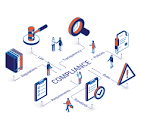
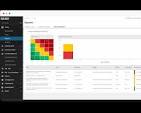
Maximising Compliance Efforts with Cutting-Edge Audit Software Solutions

The Importance of Audit Software in Ensuring Organisational Compliance

Audit software plays a crucial role in modern businesses by providing a systematic approach to monitoring, analysing, and evaluating various processes within an organisation. From financial transactions to operational procedures, audit software helps ensure compliance with regulatory requirements, internal policies, and industry standards.

Enhanced Accuracy and Efficiency

One of the key benefits of audit software is its ability to automate repetitive tasks and processes, reducing the likelihood of human error. By streamlining data collection and analysis, audit software improves the accuracy and efficiency of audits, enabling auditors to focus on more strategic activities.

Real-Time Monitoring and Reporting

With audit software, organisations can conduct real-time monitoring of critical systems and processes. This proactive approach allows for immediate detection of anomalies or irregularities, enabling timely intervention to prevent potential risks or compliance issues. Furthermore, audit software provides detailed reporting capabilities that offer insights into performance metrics and compliance status.

Comprehensive Compliance Management

Audit software facilitates comprehensive compliance management by centralising audit activities and documentation. Organisations can track regulatory changes, manage audit schedules, and generate compliance reports efficiently. This integrated approach ensures that all stakeholders are informed about compliance requirements and progress.

Risk Mitigation and Security Enhancement

By identifying vulnerabilities and weaknesses in internal controls, audit software helps mitigate risks associated with fraud, data breaches, or non-compliance. Through continuous monitoring and analysis, organisations can strengthen their security posture and proactively address potential threats before they escalate.

Future Trends in Audit Software

As technology continues to evolve, audit software is expected to incorporate advanced features such as artificial intelligence (AI) for predictive analytics, blockchain for secure data storage, and machine learning for pattern recognition. These innovations will further enhance the effectiveness of audit processes and enable organisations to stay ahead of emerging risks.

In conclusion, audit software is a valuable tool for ensuring organisational compliance by improving accuracy, efficiency, real-time monitoring capabilities, comprehensive compliance management, risk mitigation, security enhancement. By embracing the benefits of audit software and staying abreast of technological advancements in this field organisations can proactively safeguard their operations against potential threats while maintaining regulatory adherence.


7 Essential Tips for Optimising Your Audit Software

  1. Ensure the audit software complies with relevant regulations and standards.
  2. Choose a user-friendly interface to facilitate easy navigation and use.
  3. Regularly update the audit software to incorporate new features and security patches.
  4. Customise the software settings to align with your specific audit requirements.
  5. Implement proper training for users to maximise the benefits of the audit software.
  6. Ensure data integrity by implementing appropriate access controls and encryption measures.
  7. Frequently back up audit data to prevent loss in case of system failures or errors.

Ensure the audit software complies with relevant regulations and standards.

It is essential to ensure that the audit software being used complies with relevant regulations and standards. By verifying that the software aligns with industry-specific requirements and regulatory guidelines, organisations can maintain the integrity of their audit processes and ensure that accurate and reliable results are obtained. Compliance with regulations and standards not only enhances the credibility of audit findings but also helps mitigate risks associated with non-compliance. Choosing audit software that meets these criteria is crucial for upholding transparency, accountability, and trust in the auditing process.

Choose a user-friendly interface to facilitate easy navigation and use.

Selecting audit software with a user-friendly interface is essential to streamline the auditing process and enhance efficiency within an organisation. A user-friendly interface ensures easy navigation and intuitive use, allowing auditors to focus on the task at hand rather than grappling with complex software functionalities. By choosing audit software that prioritises user experience, organisations can promote better adoption rates among staff members, leading to increased productivity and more accurate audit outcomes.

Regularly update the audit software to incorporate new features and security patches.

It is essential to regularly update audit software to incorporate new features and security patches. By staying up-to-date with the latest software versions, organisations can benefit from improved functionalities, enhanced performance, and strengthened security measures. Updating audit software ensures that it remains effective in detecting and mitigating risks, while also addressing any vulnerabilities that could be exploited by potential threats. Additionally, keeping the software current helps maintain compliance with regulatory requirements and industry standards, demonstrating a commitment to proactive risk management and data protection.

Customise the software settings to align with your specific audit requirements.

To maximise the effectiveness of audit software, it is advisable to customise the software settings to align with your specific audit requirements. By tailoring the settings to suit the unique needs of your organisation, you can ensure that the software captures relevant data, conducts thorough analyses, and generates reports that are meaningful and actionable. Customisation allows you to focus on key areas of concern, streamline audit processes, and enhance overall efficiency in monitoring compliance and identifying potential risks.

Implement proper training for users to maximise the benefits of the audit software.

To maximise the benefits of audit software, it is essential to implement proper training for users. By providing comprehensive training sessions, organisations can ensure that users understand how to effectively utilise the software’s features and functionalities. Proper training equips users with the knowledge and skills needed to navigate the audit software efficiently, conduct thorough assessments, and interpret results accurately. This investment in user training not only enhances the effectiveness of audits but also promotes a culture of compliance and accountability within the organisation.

Ensure data integrity by implementing appropriate access controls and encryption measures.

To enhance data integrity within your organisation, it is essential to implement robust access controls and encryption measures when utilising audit software. By restricting access to sensitive information based on user roles and permissions, you can prevent unauthorised tampering or manipulation of data. Additionally, employing encryption techniques ensures that data remains secure during transmission and storage, safeguarding against potential breaches or data leaks. These proactive measures not only strengthen data integrity but also bolster overall security posture, fostering trust and compliance within your organisation.

Frequently back up audit data to prevent loss in case of system failures or errors.

It is essential to frequently back up audit data when using audit software to prevent loss in the event of system failures or errors. By regularly creating backups of audit data, organisations can safeguard valuable information and maintain the integrity of their audit trail. In case of unexpected technical issues or data corruption, having recent backups ensures that critical audit data remains accessible and can be restored promptly, minimising disruptions to auditing processes and preserving compliance efforts.

The Importance of Industrial Cyber Security

The Importance of Industrial Cyber Security

In today’s interconnected world, industrial cyber security plays a crucial role in safeguarding critical infrastructure and ensuring the smooth operation of industrial processes. As industries increasingly rely on digital technologies and interconnected systems, the risk of cyber threats has also grown exponentially.

Industrial cyber security involves protecting industrial control systems (ICS), supervisory control and data acquisition (SCADA) systems, and other operational technology (OT) from cyber attacks, data breaches, and malicious activities. These systems are used in sectors such as manufacturing, energy, transportation, and utilities to monitor and control industrial processes.

The Risks of Cyber Attacks on Industrial Systems

Cyber attacks on industrial systems can have devastating consequences, including production downtime, equipment damage, safety hazards, environmental risks, and financial losses. Hackers target industrial facilities to disrupt operations, steal sensitive information, or cause physical damage through remote manipulation of control systems.

One notable example is the Stuxnet worm that targeted Iran’s nuclear facilities in 2010 by sabotaging centrifuges through malware. This incident highlighted the vulnerability of critical infrastructure to sophisticated cyber attacks and underscored the need for robust industrial cyber security measures.

Best Practices for Industrial Cyber Security

Implementing effective industrial cyber security requires a multi-layered approach that combines technical solutions, employee training, risk assessment, and incident response planning. Some best practices include:

  • Securing network connections with firewalls and encryption protocols
  • Regularly updating software and firmware to patch vulnerabilities
  • Implementing access controls and user authentication mechanisms
  • Conducting regular security audits and penetration testing
  • Training employees on cybersecurity awareness and best practices
  • Establishing incident response procedures to mitigate cyber threats promptly

The Future of Industrial Cyber Security

As industries continue to digitise their operations with the adoption of Industry 4.0 technologies such as IoT devices, cloud computing, and big data analytics, the importance of industrial cyber security will only increase. Companies must stay vigilant against evolving cyber threats by investing in advanced security solutions and staying informed about emerging risks.

In conclusion, industrial cyber security is essential for protecting critical infrastructure from cyber threats that can disrupt operations and compromise safety. By prioritising cybersecurity measures and adopting best practices, industries can safeguard their assets and maintain the resilience of their operational technology systems.


Key Benefits of Industrial Cyber Security: Strengthening Infrastructure and Ensuring Operational Resilience

  1. Enhances protection of critical infrastructure from cyber attacks
  2. Reduces the risk of production downtime and operational disruptions
  3. Safeguards industrial control systems and supervisory control technology
  4. Prevents unauthorised access to sensitive data and proprietary information
  5. Mitigates safety hazards and environmental risks associated with cyber threats
  6. Helps comply with industry regulations and cybersecurity standards
  7. Improves overall resilience of industrial processes against malicious activities
  8. Enhances trust and confidence among stakeholders in the security of industrial operations


Seven Critical Challenges in Industrial Cyber Security: Risks and Implications

  1. Increased risk of production downtime due to cyber attacks
  2. Potential damage to industrial equipment and machinery
  3. Exposure of sensitive intellectual property to cyber threats
  4. Financial losses from ransomware attacks or data breaches
  5. Safety hazards for employees and the surrounding environment
  6. Regulatory non-compliance leading to penalties and legal consequences
  7. Reputation damage due to public disclosure of security incidents

Enhances protection of critical infrastructure from cyber attacks

Industrial cyber security plays a vital role in enhancing the protection of critical infrastructure from cyber attacks. By implementing robust security measures and monitoring systems, industries can proactively defend against malicious activities that target essential facilities and processes. This proactive approach not only safeguards critical infrastructure from potential disruptions and damages but also ensures the continuity and reliability of industrial operations, ultimately contributing to a more secure and resilient industrial ecosystem.

Reduces the risk of production downtime and operational disruptions

Industrial cyber security plays a vital role in reducing the risk of production downtime and operational disruptions within industrial environments. By implementing robust cyber security measures, organisations can safeguard their industrial control systems and prevent malicious activities that could lead to system failures or downtime. Proactive monitoring, threat detection, and incident response protocols help mitigate potential cyber threats, ensuring uninterrupted operations and maintaining the efficiency of industrial processes. Prioritising industrial cyber security not only protects critical infrastructure but also contributes to the overall reliability and continuity of production activities.

Safeguards industrial control systems and supervisory control technology

Industrial cyber security plays a vital role in safeguarding industrial control systems and supervisory control technology, ensuring the uninterrupted operation of critical infrastructure. By implementing robust security measures, such as firewalls, encryption protocols, and access controls, organisations can protect these essential systems from cyber threats and unauthorised access. Safeguarding industrial control systems and supervisory control technology not only enhances operational efficiency but also mitigates the risk of potential cyber attacks that could lead to production downtime, equipment damage, and safety hazards. Prioritising cyber security in industrial settings is paramount to maintaining the integrity and reliability of control systems that drive various sectors like manufacturing, energy, transportation, and utilities.

Prevents unauthorised access to sensitive data and proprietary information

Industrial cyber security serves as a critical shield against unauthorised access to sensitive data and proprietary information within industrial systems. By implementing robust security measures such as access controls, encryption protocols, and user authentication mechanisms, organisations can safeguard their valuable data from malicious actors seeking to exploit vulnerabilities for illicit purposes. Preventing unauthorised access not only protects the integrity and confidentiality of sensitive information but also helps maintain the competitive edge by safeguarding proprietary knowledge and intellectual property from theft or misuse.

Mitigates safety hazards and environmental risks associated with cyber threats

Industrial cyber security plays a vital role in mitigating safety hazards and environmental risks associated with cyber threats in industrial settings. By implementing robust security measures for industrial control systems and SCADA systems, organisations can prevent malicious actors from gaining unauthorised access to critical infrastructure that could lead to accidents, equipment malfunctions, or environmental disasters. Proactive cyber security practices not only protect the physical safety of workers and the surrounding environment but also ensure the continuity of operations without disruption caused by cyber incidents.

Helps comply with industry regulations and cybersecurity standards

Ensuring industrial cyber security not only protects critical infrastructure but also assists organisations in complying with industry regulations and cybersecurity standards. By implementing robust security measures and adhering to established guidelines, companies can demonstrate their commitment to safeguarding sensitive data, maintaining operational continuity, and meeting regulatory requirements. Compliance with industry standards not only enhances the overall security posture of industrial systems but also instils trust among stakeholders and customers, reinforcing the importance of a proactive approach to cybersecurity in today’s interconnected industrial landscape.

Improves overall resilience of industrial processes against malicious activities

Enhancing industrial cyber security significantly boosts the overall resilience of industrial processes against malicious activities. By implementing robust security measures, such as network monitoring, access controls, and incident response protocols, industrial systems can better withstand cyber threats and attacks. This increased resilience not only protects critical infrastructure from potential disruptions but also ensures the continuity and integrity of industrial operations, ultimately contributing to a more secure and reliable industrial environment.

Enhances trust and confidence among stakeholders in the security of industrial operations

Industrial cyber security enhances trust and confidence among stakeholders in the security of industrial operations by demonstrating a commitment to safeguarding critical infrastructure and sensitive data. By implementing robust security measures, organisations can reassure customers, partners, regulators, and the public that they take cybersecurity seriously and are proactive in mitigating cyber risks. This transparency and diligence in protecting industrial systems not only build trust but also strengthen relationships with stakeholders who rely on the secure and uninterrupted operation of industrial processes.

Increased risk of production downtime due to cyber attacks

One significant con of industrial cyber security is the heightened risk of production downtime resulting from cyber attacks. In the event of a successful cyber intrusion targeting industrial systems, such as manufacturing plants or energy facilities, operations can be severely disrupted or halted altogether. This downtime not only leads to financial losses but also impacts productivity, supply chain continuity, and customer satisfaction. The potential for extended downtime underscores the critical need for robust cyber security measures to mitigate the impact of such attacks and ensure the uninterrupted functioning of industrial processes.

Potential damage to industrial equipment and machinery

One significant con of industrial cyber security vulnerabilities is the potential damage to industrial equipment and machinery. Cyber attacks targeting industrial systems can lead to the manipulation or disruption of critical processes, resulting in physical harm to equipment, machinery malfunctions, and production downtime. Hackers exploiting security weaknesses in industrial control systems can cause irreversible damage, leading to costly repairs, operational disruptions, and safety risks for workers. The risk of physical damage underscores the importance of robust cyber security measures to protect industrial assets and ensure the continuity of operations in the face of evolving cyber threats.

Exposure of sensitive intellectual property to cyber threats

The exposure of sensitive intellectual property to cyber threats is a significant con of industrial cyber security. In today’s digital age, industries rely heavily on innovative technologies and proprietary information to maintain a competitive edge. However, the risk of cyber attacks targeting valuable intellectual property poses a serious threat to businesses. Hackers may attempt to steal trade secrets, research data, or product designs through sophisticated cyber intrusion methods, leading to financial losses, reputational damage, and potential legal disputes. Protecting sensitive intellectual property from cyber threats requires robust security measures and constant vigilance to prevent unauthorised access and safeguard valuable assets.

Financial losses from ransomware attacks or data breaches

One significant con of industrial cyber security is the potential for substantial financial losses resulting from ransomware attacks or data breaches. When industrial systems are compromised by malicious actors seeking financial gain, companies may face extortion demands or theft of sensitive data, leading to significant monetary damages. Ransomware attacks can disrupt operations, halt production lines, and incur costly recovery efforts. Moreover, data breaches can result in regulatory fines, legal fees, reputational damage, and loss of customer trust, all of which can have a severe impact on the financial stability and sustainability of industrial organisations.

Safety hazards for employees and the surrounding environment

One significant con of industrial cyber security vulnerabilities is the potential safety hazards they pose for employees and the surrounding environment. Inadequately secured industrial control systems and SCADA networks can be exploited by malicious actors to manipulate equipment, alter processes, or cause malfunctions that jeopardise the safety of workers and lead to environmental risks. A cyber attack targeting industrial systems could result in accidents, equipment failures, or even environmental disasters, highlighting the critical importance of robust cyber security measures in safeguarding both human lives and the ecosystems in which industrial facilities operate.

One significant con of industrial cyber security is the risk of regulatory non-compliance, which can result in severe penalties and legal consequences for organisations. Failure to adhere to industry-specific regulations and data protection laws can lead to fines, sanctions, and reputational damage. Inadequate cybersecurity measures may leave industrial systems vulnerable to attacks, making it challenging for companies to demonstrate compliance with stringent security standards. The potential fallout from regulatory non-compliance underscores the importance of investing in robust industrial cyber security practices to mitigate risks and ensure regulatory adherence.

Reputation damage due to public disclosure of security incidents

One significant con of industrial cyber security is the potential for reputation damage resulting from the public disclosure of security incidents. When industrial organisations experience cyber attacks or data breaches that become public knowledge, it can erode trust among customers, partners, and stakeholders. The negative publicity surrounding such incidents can tarnish the company’s reputation, leading to a loss of credibility and business opportunities. Restoring trust and rebuilding a damaged reputation can be a challenging and time-consuming process, highlighting the importance of robust cybersecurity measures to prevent security breaches and their detrimental impact on an organisation’s image.

The Importance of Monitoring Active Directory

Active Directory (AD) is a critical component of many organisations’ IT infrastructures, serving as the central hub for managing users, computers, and resources. As the backbone of network security and access control, it is essential to monitor AD effectively to ensure the integrity and security of your systems.

Why Monitor Active Directory?

Monitoring AD provides real-time visibility into user activities, changes in configurations, and potential security threats. By monitoring AD, organisations can:

  • Detect suspicious activities: Monitoring AD allows you to identify unusual user behaviours or unauthorised access attempts that could indicate a security breach.
  • Track changes: Keeping track of changes made to AD objects, group policies, or permissions helps maintain system integrity and compliance with security policies.
  • Ensure uptime: Monitoring AD can help detect performance issues or bottlenecks that may impact system availability and user productivity.
  • Facilitate compliance: Many regulatory standards require organisations to monitor and audit their AD environment to ensure data protection and privacy compliance.

Best Practices for Monitoring Active Directory

To maximise the effectiveness of AD monitoring, consider implementing the following best practices:

  • Implement real-time monitoring tools that provide alerts for suspicious activities or critical events in AD.
  • Regularly review audit logs and reports to identify trends, anomalies, or potential security risks.
  • Enforce least privilege access controls to limit user permissions and reduce the risk of unauthorised changes.
  • Monitor privileged accounts closely as they have elevated access rights that could pose significant security risks if compromised.
  • Establish a comprehensive incident response plan to address security incidents detected through AD monitoring promptly.

The Role of Automation in AD Monitoring

Automation plays a crucial role in streamlining AD monitoring processes by enabling proactive threat detection, rapid response to incidents, and efficient compliance management. Automated tools can help reduce manual efforts required for monitoring tasks while improving accuracy and consistency in detecting potential threats.

In Conclusion

Monitoring Active Directory is a fundamental aspect of maintaining a secure and resilient IT environment. By implementing robust monitoring practices and leveraging automated tools, organisations can enhance their ability to detect threats early, respond effectively to security incidents, and ensure compliance with regulatory requirements. Prioritising AD monitoring is key to safeguarding sensitive data, protecting against cyber threats, and maintaining the trust of stakeholders in an increasingly digital world.


Understanding Active Directory: FAQs on Monitoring and Management

  1. Why monitor Active Directory?
  2. How do I monitor ad changes?
  3. What is ad monitor?
  4. How do I monitor Active Directory services?
  5. What is Active Directory monitoring?
  6. How to display Active Directory?
  7. How to monitor AD health?

Why monitor Active Directory?

Monitoring Active Directory is crucial for maintaining the security and integrity of an organisation’s IT infrastructure. By monitoring Active Directory, businesses can proactively detect and respond to suspicious activities, unauthorised access attempts, and changes in configurations that could pose security risks. Monitoring AD also helps ensure compliance with regulatory standards, track user behaviours, and maintain system uptime by identifying performance issues early on. Overall, monitoring Active Directory is essential for safeguarding sensitive data, protecting against cyber threats, and upholding the overall security posture of an organisation.

How do I monitor ad changes?

Monitoring Active Directory (AD) changes is essential for maintaining the security and integrity of your IT environment. To effectively monitor AD changes, you can utilise specialised audit tools that track modifications to user accounts, group policies, permissions, and other AD objects in real-time. These tools provide detailed logs and reports that help you identify who made the changes, what changes were made, and when they occurred. By implementing robust AD change monitoring processes and leveraging automation where possible, you can proactively detect suspicious activities, ensure compliance with security policies, and respond promptly to any unauthorised alterations that could compromise the confidentiality and availability of your data.

What is ad monitor?

An AD monitor, short for Active Directory monitor, is a crucial tool used to oversee and track activities within an organisation’s Active Directory environment. It provides real-time visibility into user actions, system changes, and potential security threats within the AD infrastructure. By continuously monitoring AD, organisations can proactively detect suspicious behaviours, unauthorised access attempts, and configuration modifications that could compromise the integrity and security of their network. AD monitors play a vital role in ensuring compliance with security policies, identifying vulnerabilities, and maintaining the overall health of the Active Directory system.

How do I monitor Active Directory services?

Monitoring Active Directory services is essential for maintaining the security and performance of your IT infrastructure. To effectively monitor Active Directory services, you can utilise specialised monitoring tools that provide real-time insights into the health and activity of your AD environment. These tools can track critical metrics such as domain controller performance, replication status, authentication requests, and changes to AD objects. By setting up alerts for potential issues and regularly reviewing monitoring reports, you can proactively identify and address any anomalies or security threats, ensuring the smooth operation of your Active Directory services.

What is Active Directory monitoring?

Active Directory monitoring involves the continuous surveillance and analysis of activities within an organisation’s Active Directory environment. It encompasses tracking user logins, permissions changes, group policy modifications, and other critical events to ensure the security, integrity, and compliance of the Active Directory infrastructure. By monitoring Active Directory, organisations can proactively identify suspicious behaviours, detect potential security threats, and maintain a robust defence against cyber attacks. Effective Active Directory monitoring is essential for safeguarding sensitive data, mitigating risks, and upholding operational efficiency within an organisation’s IT ecosystem.

How to display Active Directory?

Displaying Active Directory information can be achieved through various tools and methods, depending on the specific information you wish to view. One common way to display Active Directory data is by using Microsoft Management Console (MMC) snap-ins such as Active Directory Users and Computers or Active Directory Sites and Services. These tools provide a graphical interface for managing and viewing AD objects, users, groups, and other directory components. Additionally, PowerShell scripts can be utilised to query and display specific AD information programmatically for more advanced users who prefer command-line interfaces. Overall, displaying Active Directory effectively requires familiarity with the available tools and techniques tailored to your monitoring needs.

How to monitor AD health?

Monitoring the health of Active Directory (AD) is crucial for ensuring the stability and security of your IT environment. To monitor AD health effectively, organisations can implement various strategies, such as regular performance monitoring, event log analysis, and proactive alerting mechanisms. Monitoring tools specifically designed for AD health can provide insights into domain controller performance, replication status, database integrity, and overall system availability. By establishing comprehensive monitoring processes and leveraging appropriate tools, IT teams can detect issues early, address potential problems promptly, and maintain the optimal functioning of their AD infrastructure. Regularly reviewing AD health metrics and implementing proactive maintenance measures are essential steps in safeguarding the integrity and reliability of Active Directory within an organisation.

The Importance of Identity and Access Management (IAM) Solutions

The Importance of Identity and Access Management (IAM) Solutions

Identity and Access Management (IAM) solutions play a crucial role in today’s digital landscape. As organisations increasingly rely on technology to conduct their operations, the need to secure access to sensitive data and resources has become more critical than ever.

IAM solutions encompass a set of processes, policies, and technologies that facilitate the management of digital identities and control access to IT resources. By implementing IAM solutions, businesses can ensure that only authorised individuals have access to specific systems and data, thereby reducing the risk of data breaches and insider threats.

Key Benefits of IAM Solutions:

  • Enhanced Security: IAM solutions help strengthen security by enforcing strict access controls, multi-factor authentication, and identity verification protocols.
  • Improved Compliance: Organisations can achieve compliance with regulatory requirements such as GDPR, HIPAA, or PCI DSS by implementing IAM solutions that track user access and maintain audit trails.
  • Increased Productivity: By automating user provisioning and deprovisioning processes, IAM solutions streamline administrative tasks and reduce the likelihood of errors.
  • Cost Efficiency: IAM solutions can help reduce costs associated with managing user accounts, password resets, and security incidents through centralised identity management.

Challenges in Implementing IAM Solutions:

While IAM solutions offer numerous benefits, organisations may encounter challenges during implementation. Common issues include complexity in integrating disparate systems, ensuring user adoption of new security measures, and balancing security with user experience.

To address these challenges effectively, businesses should engage with experienced IAM providers who can tailor solutions to their specific needs and provide ongoing support for successful implementation.

In Conclusion

In conclusion, Identity and Access Management (IAM) solutions are essential for safeguarding digital assets, protecting sensitive information, and maintaining regulatory compliance. By investing in robust IAM strategies, organisations can mitigate security risks, enhance operational efficiency, and build a foundation for sustainable growth in an increasingly interconnected world.


Understanding Identity and Access Management: Key FAQs for Effective Implementation

  1. What is Identity and Access Management (IAM)?
  2. Why is IAM important for businesses?
  3. How does IAM enhance cybersecurity?
  4. What are the key components of an IAM solution?
  5. How can IAM solutions help with regulatory compliance?
  6. What are the common challenges in implementing IAM solutions?
  7. What are the best practices for successful deployment of an IAM solution?

What is Identity and Access Management (IAM)?

Identity and Access Management (IAM) refers to a comprehensive framework of processes, policies, and technologies designed to manage and control digital identities within an organisation. IAM solutions are essential for ensuring that the right individuals have access to the right resources at the right time, while also preventing unauthorised access and safeguarding sensitive data. By implementing IAM practices, businesses can enhance security, streamline user authentication processes, enforce compliance with regulations, and improve overall operational efficiency. In essence, IAM is a critical component of modern cybersecurity strategies that help organisations protect their digital assets and maintain a secure environment in an increasingly interconnected world.

Why is IAM important for businesses?

Identity and Access Management (IAM) is crucial for businesses due to its role in enhancing cybersecurity, ensuring data privacy, and maintaining regulatory compliance. IAM solutions help businesses control access to sensitive information, applications, and systems by managing user identities and permissions effectively. By implementing IAM practices, organisations can reduce the risk of data breaches, insider threats, and unauthorised access. Additionally, IAM streamlines user authentication processes, improves operational efficiency, and simplifies compliance with industry regulations such as GDPR or HIPAA. Overall, IAM is essential for businesses to protect their assets, safeguard customer information, and establish a secure foundation for sustainable growth in today’s digital landscape.

How does IAM enhance cybersecurity?

Identity and Access Management (IAM) plays a pivotal role in enhancing cybersecurity by providing a comprehensive framework for controlling user access to critical systems and data. IAM solutions enforce strict authentication mechanisms, such as multi-factor authentication and biometric verification, to ensure that only authorised individuals can access sensitive resources. By centralising identity management and implementing robust access controls, IAM reduces the risk of unauthorised access, insider threats, and data breaches. Furthermore, IAM solutions enable organisations to monitor user activities, track changes in permissions, and maintain audit trails, thereby enhancing visibility into potential security incidents. Overall, IAM strengthens cybersecurity posture by fortifying defences against evolving threats and ensuring that security measures align with regulatory requirements and best practices.

What are the key components of an IAM solution?

When considering an IAM solution, it is important to understand its key components. Typically, an IAM solution comprises several essential elements, including identity verification mechanisms, access control policies, user provisioning and deprovisioning processes, authentication methods (such as multi-factor authentication), single sign-on capabilities, role-based access controls, and comprehensive audit and reporting functionalities. These components work together to establish a secure and efficient framework for managing digital identities and controlling access to critical IT resources within an organisation. By integrating these key components effectively, businesses can enhance security, streamline user management processes, and ensure compliance with regulatory requirements.

How can IAM solutions help with regulatory compliance?

IAM solutions play a crucial role in helping organisations achieve regulatory compliance by enforcing strict access controls, maintaining audit trails, and ensuring data security. By implementing IAM solutions, businesses can track user access to sensitive information, enforce policies that align with regulatory requirements such as GDPR or HIPAA, and generate detailed reports for compliance audits. IAM solutions also facilitate identity verification processes and multi-factor authentication, which are essential components of many regulatory frameworks. Overall, IAM solutions provide the necessary tools and mechanisms to help organisations meet regulatory standards, protect sensitive data, and demonstrate accountability in their security practices.

What are the common challenges in implementing IAM solutions?

Implementing Identity and Access Management (IAM) solutions can present organisations with a range of common challenges. One prevalent issue is the complexity of integrating IAM systems with existing IT infrastructure, which can require significant time and resources to ensure seamless operation. Additionally, ensuring user adoption and compliance with new security protocols can be a hurdle, as employees may resist changes that affect their daily workflows. Balancing stringent security measures with user convenience is another challenge, as organisations strive to enhance protection without compromising user experience. Overcoming these challenges requires careful planning, effective communication, and collaboration between stakeholders to successfully implement IAM solutions that meet the organisation’s security needs while maintaining operational efficiency.

What are the best practices for successful deployment of an IAM solution?

When considering the successful deployment of an Identity and Access Management (IAM) solution, several best practices can significantly impact the outcome. Firstly, thorough planning and assessment of organisational needs are crucial to align the IAM solution with specific requirements. Engaging stakeholders from various departments ensures that all user access scenarios are considered. Additionally, prioritising security measures such as multi-factor authentication and regular access reviews can enhance the solution’s effectiveness. Training sessions for users on new IAM processes and ongoing monitoring for compliance are also vital components for a successful deployment. Finally, partnering with experienced IAM providers who offer tailored support and guidance throughout the implementation process can help navigate potential challenges and ensure a smooth transition to a robust IAM framework.

Unlocking Security: Identity and Access Management (IAM) Solutions for a Safer Digital Environment

The Importance of Identity and Access Management (IAM) Solutions

The Importance of Identity and Access Management (IAM) Solutions

Identity and Access Management (IAM) solutions play a crucial role in modern cybersecurity strategies. As organisations increasingly rely on digital systems to conduct business, the need to manage user identities and control access to sensitive data has become more critical than ever.

Enhancing Security

IAM solutions help enhance security by ensuring that only authorised individuals have access to specific resources within an organisation’s network. By implementing strong authentication methods, such as multi-factor authentication and biometric verification, IAM solutions reduce the risk of unauthorised access and data breaches.

Streamlining Operations

Effective IAM solutions streamline operations by centralising user management processes. Instead of managing user identities across multiple systems, organisations can use IAM platforms to create, modify, and revoke user access rights from a single interface. This not only saves time but also reduces the likelihood of errors in user provisioning.

Ensuring Compliance

Many industries are subject to regulatory requirements regarding data protection and privacy. IAM solutions help organisations comply with these regulations by providing audit trails, access control policies, and reporting capabilities that demonstrate adherence to industry standards. This is particularly important for sectors such as finance, healthcare, and government.

Improving User Experience

IAM solutions can also improve the user experience by simplifying access to resources while maintaining security protocols. Single sign-on capabilities allow users to access multiple applications with a single set of credentials, reducing the need for multiple logins and enhancing productivity.

Conclusion

In conclusion, Identity and Access Management (IAM) solutions are essential components of a robust cybersecurity strategy. By enhancing security, streamlining operations, ensuring compliance, and improving user experience, IAM solutions help organisations protect their critical assets while enabling efficient access management. Investing in IAM technologies is not only a proactive approach to cybersecurity but also a strategic decision that can benefit organisations in the long run.


Understanding Identity and Access Management (IAM) Solutions: Key Tools, Pillars, Components, and Applications

  1. What are the top 5 IAM tools?
  2. What are the 4 pillars of IAM?
  3. What are the 4 components of IAM?
  4. What is IAM used for?
  5. What is the IAM solution?
  6. What are identity and access management solutions?

What are the top 5 IAM tools?

When it comes to Identity and Access Management (IAM) solutions, there are several top tools that organisations frequently rely on to enhance their cybersecurity posture. Some of the top IAM tools include Okta, Microsoft Azure Active Directory, Ping Identity, IBM Security Identity Manager, and ForgeRock Identity Platform. These tools offer a range of features such as single sign-on, multi-factor authentication, user provisioning, and access control capabilities to help organisations effectively manage user identities and secure access to critical resources. By leveraging these top IAM tools, businesses can strengthen their security measures and streamline identity management processes for better overall cybersecurity resilience.

What are the 4 pillars of IAM?

The four pillars of Identity and Access Management (IAM) form the foundation of a comprehensive security framework for managing user identities and controlling access to resources within an organisation’s network. These pillars include: authentication, authorisation, accountability, and assurance. Authentication verifies the identity of users through methods such as passwords, biometrics, or multi-factor authentication. Authorisation determines the level of access that authenticated users have to specific resources based on their roles and permissions. Accountability involves tracking and logging user activities to establish an audit trail for security monitoring and compliance purposes. Assurance ensures that IAM processes are reliable, secure, and compliant with industry standards to uphold the integrity of the overall security infrastructure.

What are the 4 components of IAM?

In the realm of Identity and Access Management (IAM) solutions, understanding the four core components is essential for implementing a robust security framework. The four key components of IAM include: Identity Governance and Administration (IGA), Access Management, Privileged Access Management (PAM), and Identity as a Service (IDaaS). Each component plays a crucial role in managing user identities, controlling access to resources, securing privileged accounts, and providing identity services through cloud-based solutions. By integrating these components effectively, organisations can establish comprehensive IAM strategies that enhance security, streamline operations, and ensure regulatory compliance.

What is IAM used for?

Identity and Access Management (IAM) solutions are primarily used to control and manage user identities and their access to digital resources within an organisation’s network. IAM plays a crucial role in enhancing cybersecurity by ensuring that only authorised individuals have the appropriate level of access to sensitive data and applications. By centralising user management processes, IAM solutions streamline operations, reduce the risk of data breaches, and help organisations comply with regulatory requirements. Additionally, IAM solutions improve user experience by simplifying access to resources through features like single sign-on, ultimately contributing to increased efficiency and productivity across the organisation.

What is the IAM solution?

An IAM solution, short for Identity and Access Management, is a comprehensive framework that enables organisations to manage and control user identities and their access to various resources within the network. Essentially, IAM solutions provide a structured approach to securely authenticate users, assign appropriate access permissions based on their roles or attributes, monitor user activities, and ensure compliance with security policies and regulations. By centralising user management processes and implementing robust authentication mechanisms, IAM solutions help organisations enhance security, streamline operations, and safeguard sensitive data from unauthorised access or breaches.

What are identity and access management solutions?

Identity and access management (IAM) solutions refer to a set of technologies and processes that organisations use to manage and control user identities and access rights within their IT systems. These solutions encompass a range of tools, including user authentication, authorisation, and administration capabilities, aimed at ensuring that only authorised individuals have appropriate access to specific resources or data. IAM solutions play a vital role in enhancing cybersecurity by reducing the risk of unauthorised access, improving operational efficiency through centralised user management, ensuring compliance with regulatory requirements, and enhancing the overall user experience by simplifying access to resources. In essence, IAM solutions are fundamental components of modern cybersecurity strategies that help organisations protect their sensitive information while enabling secure and efficient access management practices.

Maximising Security and Compliance with Advanced Auditing Software Solutions

The Importance of Auditing Software for Businesses

The Importance of Auditing Software for Businesses

Auditing software plays a crucial role in the operations of modern businesses, providing a systematic approach to examining and evaluating an organisation’s financial records, transactions, processes, and internal controls. In today’s rapidly evolving digital landscape, where data security and regulatory compliance are paramount, auditing software has become an indispensable tool for ensuring transparency, accuracy, and accountability.

Enhancing Data Security

One of the primary functions of auditing software is to monitor and analyse data access and usage within an organisation’s systems. By tracking user activities, identifying anomalies, and detecting potential security breaches in real-time, auditing software helps businesses proactively safeguard their sensitive information from unauthorised access or malicious threats.

Ensuring Regulatory Compliance

Compliance with industry regulations and standards is a critical aspect of business operations. Auditing software enables organisations to automate compliance monitoring processes, generate detailed reports, and demonstrate adherence to legal requirements. By maintaining compliance with regulations such as GDPR, HIPAA or SOX through auditing software, businesses can avoid costly penalties and reputational damage.

Improving Operational Efficiency

Efficient auditing software streamlines the audit process by automating repetitive tasks, conducting comprehensive analyses of large datasets, and identifying areas for improvement in internal controls. By providing actionable insights into operational inefficiencies or risks, auditing software empowers businesses to enhance their processes, mitigate vulnerabilities, and drive continuous improvement.

Facilitating Decision-Making

By offering detailed insights into financial transactions, system activities, and compliance status in real-time dashboards and reports, auditing software equips decision-makers with accurate data for informed decision-making. Whether it’s assessing financial performance or evaluating the effectiveness of internal controls, auditing software provides the necessary visibility to make strategic decisions that drive business growth.

The Future of Auditing Software

As technology continues to advance at a rapid pace, the future of auditing software holds exciting possibilities. With the integration of artificial intelligence (AI), machine learning algorithms and predictive analytics capabilities, auditing software is poised to become more intelligent, adaptive and proactive in identifying risks and opportunities for businesses.


8 Essential Tips for Effective Auditing Software Management

  1. Ensure the software complies with relevant auditing standards and regulations.
  2. Regularly update the software to ensure it is equipped to handle new audit requirements.
  3. Implement access controls to restrict who can view or modify audit data.
  4. Maintain detailed logs of all audit activities for future reference and analysis.
  5. Perform regular audits of the software itself to identify any vulnerabilities or weaknesses.
  6. Train staff on how to effectively use the auditing software for accurate results.
  7. Utilize automation features in the software to streamline audit processes and reduce manual errors.
  8. Encrypt sensitive audit data stored within the software to maintain confidentiality and integrity.

Ensure the software complies with relevant auditing standards and regulations.

To ensure the effectiveness and reliability of auditing software, it is essential to verify that the software aligns with pertinent auditing standards and regulations. By confirming compliance with industry-specific guidelines such as GDPR, HIPAA, or ISO standards, businesses can trust that the auditing software meets the necessary criteria for conducting thorough and accurate audits. Adhering to these standards not only enhances data security and integrity but also demonstrates a commitment to regulatory compliance, reducing the risk of non-compliance penalties and safeguarding the organisation’s reputation.

Regularly update the software to ensure it is equipped to handle new audit requirements.

It is essential for businesses to regularly update their auditing software to ensure it remains equipped to handle new audit requirements effectively. By staying current with software updates, organisations can benefit from the latest features, security enhancements, and compliance functionalities that address evolving regulatory standards. Updating the software not only ensures optimal performance but also demonstrates a commitment to maintaining a robust audit trail and data integrity in line with industry best practices.

Implement access controls to restrict who can view or modify audit data.

Implementing access controls to restrict who can view or modify audit data is a fundamental tip in ensuring the integrity and confidentiality of sensitive information within auditing software. By setting up granular permissions and role-based access restrictions, organisations can limit access to audit logs and reports to only authorised personnel, thereby reducing the risk of data breaches or tampering. This security measure not only enhances data protection but also reinforces accountability and transparency in auditing processes, aligning with best practices for maintaining the trustworthiness of audit data.

Maintain detailed logs of all audit activities for future reference and analysis.

It is essential for businesses to maintain detailed logs of all audit activities when utilising auditing software. By keeping comprehensive records of audits conducted, including date and time stamps, user actions, and system changes, organisations can ensure accountability, traceability, and transparency in their compliance efforts. These logs not only serve as a historical record for future reference but also enable in-depth analysis of audit trails to identify patterns, anomalies, or potential security breaches. By prioritising the maintenance of detailed audit logs, businesses can enhance their ability to monitor and improve their overall security posture effectively.

Perform regular audits of the software itself to identify any vulnerabilities or weaknesses.

It is crucial for businesses to perform regular audits of the auditing software itself to identify any vulnerabilities or weaknesses that could potentially compromise the integrity of the audit process. By conducting systematic evaluations of the software’s security features, data handling capabilities, and compliance functionalities, organisations can proactively address any issues and ensure that their auditing software remains robust and effective in safeguarding sensitive information and maintaining regulatory compliance. Regular audits of the software help mitigate risks, enhance data security, and uphold the reliability of the audit outcomes.

Train staff on how to effectively use the auditing software for accurate results.

To maximise the benefits of auditing software and ensure accurate results, it is essential to train staff on how to effectively utilise the tool. Providing comprehensive training on the features, functionalities, and best practices of the auditing software empowers employees to navigate the system proficiently, conduct thorough audits, and interpret results accurately. By investing in staff training, businesses can enhance data integrity, streamline audit processes, and leverage the full potential of auditing software to maintain compliance and improve operational efficiency.

Utilize automation features in the software to streamline audit processes and reduce manual errors.

By utilising the automation features available in auditing software, businesses can significantly streamline their audit processes and minimise the risk of manual errors. Automation allows for the efficient execution of repetitive tasks, such as data collection and analysis, enabling auditors to focus on more strategic aspects of the audit. By reducing manual intervention, organisations can enhance accuracy, increase productivity, and ensure consistency in their audit procedures. Embracing automation features not only saves time but also improves the overall quality and reliability of audit outcomes.

Encrypt sensitive audit data stored within the software to maintain confidentiality and integrity.

To enhance the security of auditing software, it is essential to encrypt sensitive audit data stored within the system. By encrypting this data, businesses can maintain confidentiality and integrity, ensuring that only authorised personnel can access and decipher the information. Encryption adds an extra layer of protection against potential breaches or unauthorised access, safeguarding critical audit data from being compromised or tampered with. This security measure not only aligns with best practices in data protection but also helps bolster trust and compliance within the organisation.

Enhancing Cybersecurity: The Art of Proactive Threat Detection

The Importance of Detecting Threats in Today’s Digital Landscape

In the ever-evolving world of cybersecurity, the ability to detect threats has become a critical component of safeguarding sensitive information and maintaining the integrity of digital assets. Detecting threats early on can mean the difference between a minor security incident and a full-blown data breach that could have devastating consequences for individuals and organisations alike.

Threat detection involves actively monitoring networks, systems, and applications for any signs of malicious activity or anomalies that could indicate a potential security breach. By employing advanced technologies such as intrusion detection systems (IDS), endpoint detection and response (EDR) solutions, and security information and event management (SIEM) tools, organisations can proactively identify and respond to threats before they escalate.

One of the key benefits of timely threat detection is the ability to mitigate risks and minimise the impact of cyber attacks. By identifying suspicious patterns or behaviours early on, security teams can take swift action to contain the threat, investigate the root cause, and implement necessary security controls to prevent future incidents.

Moreover, effective threat detection plays a crucial role in regulatory compliance. Many industry regulations require organisations to have robust security measures in place, including continuous monitoring and threat detection capabilities. By demonstrating a proactive approach to threat detection, businesses can not only protect their sensitive data but also avoid costly penalties for non-compliance.

As cyber threats continue to evolve in complexity and sophistication, organisations must remain vigilant in their efforts to detect and respond to potential security incidents. Investing in advanced threat detection technologies, conducting regular security assessments, and providing ongoing training for employees are essential steps towards building a resilient cybersecurity posture that can withstand emerging threats.

In conclusion, detecting threats is not just a reactive measure but a proactive strategy that forms the foundation of effective cybersecurity practices. By prioritising threat detection as part of their overall security strategy, organisations can stay one step ahead of cyber criminals and safeguard their digital assets against potential risks.


Understanding Threat Detection: Key FAQs and Insights into Cybersecurity Practices

  1. What is threat detection?
  2. Why is threat detection important in cybersecurity?
  3. How does intrusion detection work?
  4. What are the common methods used for detecting cyber threats?
  5. How can organisations improve their threat detection capabilities?
  6. What role does machine learning play in threat detection?
  7. Are there any best practices for enhancing threat detection processes?
  8. What are the challenges associated with detecting advanced persistent threats (APTs)?

What is threat detection?

Threat detection refers to the process of actively monitoring and identifying potential security threats within a network, system, or application. It involves using advanced technologies and tools to detect suspicious activities, anomalies, or indicators of compromise that could signify a security breach. By implementing robust threat detection mechanisms, organisations can proactively identify and respond to cyber threats, mitigating risks and safeguarding their digital assets from malicious actors. Threat detection is a crucial aspect of cybersecurity that helps organisations stay ahead of evolving threats and protect sensitive information from unauthorised access or exploitation.

Why is threat detection important in cybersecurity?

Threat detection is crucial in cybersecurity as it serves as the first line of defence against malicious activities that could compromise the security and confidentiality of sensitive data. By actively monitoring networks, systems, and applications for signs of potential threats, organisations can identify and respond to security incidents in a timely manner, preventing them from escalating into major data breaches. Effective threat detection not only helps to protect valuable information but also allows businesses to maintain regulatory compliance, build trust with customers, and safeguard their reputation in an increasingly digital world where cyber threats are constantly evolving.

How does intrusion detection work?

Intrusion detection works by continuously monitoring network traffic and system activities to identify any abnormal or suspicious behaviour that may indicate a potential security breach. There are two main types of intrusion detection systems: signature-based and anomaly-based. Signature-based systems compare network traffic or system events against a database of known attack signatures, while anomaly-based systems establish a baseline of normal behaviour and flag deviations from this baseline as potential threats. When an intrusion is detected, the system can trigger alerts, log relevant information, and in some cases, automatically respond to mitigate the threat. Overall, intrusion detection plays a crucial role in bolstering cybersecurity defences by providing real-time visibility into potential threats and enabling timely responses to protect sensitive data and resources.

What are the common methods used for detecting cyber threats?

Detecting cyber threats is a crucial aspect of maintaining robust cybersecurity defences. Common methods used for detecting cyber threats include the implementation of intrusion detection systems (IDS), which monitor network traffic for suspicious activity, and the use of endpoint detection and response (EDR) solutions that focus on identifying threats on individual devices. Security information and event management (SIEM) tools are also widely employed to aggregate and analyse security data from various sources to detect potential threats. Additionally, threat intelligence feeds, behavioural analytics, and anomaly detection algorithms play key roles in proactively identifying and mitigating cyber threats before they can cause significant harm to an organisation’s digital infrastructure.

How can organisations improve their threat detection capabilities?

Organisations can enhance their threat detection capabilities by implementing a multi-layered approach that combines advanced technologies, regular security assessments, and employee training. Investing in cutting-edge tools such as intrusion detection systems (IDS), endpoint detection and response (EDR) solutions, and security information and event management (SIEM) platforms can help organisations proactively monitor their networks for suspicious activities. Conducting frequent security assessments to identify vulnerabilities and gaps in existing defences is crucial for strengthening threat detection capabilities. Additionally, providing comprehensive training to employees on cybersecurity best practices and how to recognise potential threats can empower them to act as the first line of defence against cyber attacks. By integrating these strategies into their cybersecurity framework, organisations can significantly improve their ability to detect and respond to threats effectively.

What role does machine learning play in threat detection?

Machine learning plays a pivotal role in enhancing threat detection capabilities by enabling systems to analyse vast amounts of data and identify patterns that may indicate potential security threats. By leveraging algorithms that can learn from data and adapt to new information, machine learning empowers security teams to detect anomalies, predict potential risks, and respond to emerging threats in real-time. This technology not only improves the accuracy and efficiency of threat detection processes but also enables organisations to stay ahead of cyber attackers who are constantly evolving their tactics. In essence, machine learning serves as a powerful tool in the fight against cyber threats, helping to strengthen defences and protect critical assets in today’s increasingly complex digital landscape.

Are there any best practices for enhancing threat detection processes?

Enhancing threat detection processes requires a strategic approach that combines technology, expertise, and continuous improvement. Some best practices include implementing a multi-layered security framework that includes intrusion detection systems, endpoint monitoring tools, and security information and event management solutions. Regularly updating security policies and conducting thorough risk assessments can help identify potential vulnerabilities and strengthen defences against emerging threats. Additionally, investing in employee training to raise awareness about cybersecurity best practices and promoting a culture of vigilance can enhance overall threat detection capabilities within an organisation. By adopting these best practices and staying proactive in monitoring for potential threats, businesses can significantly improve their ability to detect and respond to security incidents effectively.

What are the challenges associated with detecting advanced persistent threats (APTs)?

Detecting advanced persistent threats (APTs) poses significant challenges for organisations due to their stealthy and sophisticated nature. APTs are designed to evade traditional security measures by using advanced tactics such as custom malware, social engineering, and encryption techniques. Their prolonged dwell time within a network makes them hard to detect, as they slowly gather information and move laterally to avoid detection. Moreover, APT actors often employ tactics that mimic legitimate user behaviour, making it difficult for security teams to differentiate between normal activities and malicious actions. As a result, detecting APTs requires a combination of advanced threat detection tools, continuous monitoring, threat intelligence sharing, and skilled cybersecurity professionals who can identify subtle indicators of compromise amidst the noise of everyday network activity.

The Importance of SIEM in Cyber Security

In today’s digital age, where cyber threats are becoming increasingly sophisticated and prevalent, organisations need robust security measures to protect their sensitive data and IT infrastructure. Security Information and Event Management (SIEM) has emerged as a crucial tool in the fight against cyber attacks, offering comprehensive monitoring, detection, and response capabilities.

What is SIEM?

SIEM is a security solution that provides real-time analysis of security alerts generated by applications and network hardware. It collects log data from various sources within an organisation’s IT environment, such as servers, firewalls, and antivirus software, and correlates this information to identify potential security incidents. SIEM tools use advanced analytics and machine learning algorithms to detect anomalous behaviour and indicators of compromise.

The Benefits of SIEM

Implementing a SIEM system offers several key benefits for organisations:

  • Threat Detection: SIEM enables proactive threat detection by monitoring for suspicious activities and patterns across the network.
  • Incident Response: In the event of a security incident, SIEM provides real-time alerts and insights to help security teams respond swiftly and effectively.
  • Compliance Management: SIEM helps organisations meet regulatory requirements by providing detailed logs and reports for auditing purposes.
  • Centralised Visibility: By centralising log data from multiple sources, SIEM offers a unified view of the organisation’s security posture.

Challenges of Implementing SIEM

While SIEM solutions offer powerful capabilities, they also present challenges for organisations:

  • Data Overload: The volume of log data generated by IT systems can overwhelm traditional SIEM tools, leading to false positives or missed alerts.
  • Skill Requirements: Effective use of SIEM requires skilled analysts who can interpret alerts, investigate incidents, and fine-tune the system for optimal performance.
  • Integration Complexity: Integrating SIEM with existing IT infrastructure can be complex and time-consuming, requiring careful planning and configuration.

The Future of SIEM

As cyber threats continue to evolve, the role of SIEM in cyber security will only grow in importance. Modern SIEM solutions are incorporating artificial intelligence and automation capabilities to enhance threat detection accuracy and reduce response times. Additionally, cloud-based SIEM offerings are enabling organisations to scale their security operations more efficiently.

In conclusion, SIEM plays a critical role in helping organisations defend against cyber threats in an increasingly digital world. By investing in robust SIEM solutions and cultivating skilled cybersecurity teams, organisations can strengthen their security posture and protect their valuable assets from malicious actors.


8 Essential Tips for Optimising SIEM Cyber Security

  1. Ensure proper configuration of your SIEM system to effectively monitor and detect security incidents.
  2. Regularly update and fine-tune your SIEM rules to keep up with the evolving threat landscape.
  3. Integrate data from various sources into your SIEM for comprehensive visibility into your IT environment.
  4. Implement user behaviour analytics to detect anomalous activities that could indicate a security breach.
  5. Establish clear incident response procedures to quickly respond to and mitigate security incidents detected by the SIEM.
  6. Train your staff on how to use the SIEM effectively for monitoring, analysis, and incident response.
  7. Regularly review logs and alerts generated by the SIEM to identify patterns or indicators of potential threats.
  8. Consider leveraging threat intelligence feeds to enhance the capabilities of your SIEM in detecting sophisticated threats.

Ensure proper configuration of your SIEM system to effectively monitor and detect security incidents.

To enhance the effectiveness of your SIEM system in monitoring and detecting security incidents, it is crucial to ensure proper configuration. Configuring your SIEM tool correctly involves setting up the right data sources, defining relevant correlation rules, and establishing clear alert thresholds. By fine-tuning these configurations to align with your organisation’s security requirements and threat landscape, you can maximise the system’s capability to identify potential risks and anomalies in real-time. Regularly reviewing and updating the configuration parameters of your SIEM solution will help maintain its accuracy and responsiveness, enabling proactive threat detection and swift incident response to safeguard your IT environment effectively.

Regularly update and fine-tune your SIEM rules to keep up with the evolving threat landscape.

To enhance the effectiveness of your SIEM system in bolstering cyber security, it is essential to regularly update and fine-tune your SIEM rules. The evolving threat landscape necessitates staying proactive in adjusting your rules to detect new attack vectors and emerging threats effectively. By keeping your SIEM rules up-to-date, you can ensure that your organisation remains resilient against evolving cyber threats, enabling timely detection and response to potential security incidents. Fine-tuning these rules allows for improved accuracy in threat detection and reduces the likelihood of false positives, ultimately strengthening your overall security posture.

Integrate data from various sources into your SIEM for comprehensive visibility into your IT environment.

Integrating data from various sources into your Security Information and Event Management (SIEM) system is a crucial step in enhancing cyber security. By consolidating log data from different IT components such as servers, firewalls, and applications, organisations can achieve comprehensive visibility into their IT environment. This integrated approach allows SIEM to correlate information across multiple sources, enabling more accurate threat detection and incident response capabilities. With a holistic view of the network activity, organisations can better identify potential security risks and take proactive measures to safeguard their systems and data against cyber threats.

Implement user behaviour analytics to detect anomalous activities that could indicate a security breach.

By implementing user behaviour analytics within your SIEM cyber security strategy, you can effectively detect anomalous activities that may signify a potential security breach. User behaviour analytics involves monitoring and analysing the actions and patterns of users within your network to identify deviations from normal behaviour. By establishing baselines for typical user activity, the system can flag unusual actions that could indicate malicious intent or compromised accounts. This proactive approach allows organisations to swiftly respond to security incidents and mitigate risks before they escalate, enhancing overall threat detection capabilities and strengthening the security posture of the IT environment.

Establish clear incident response procedures to quickly respond to and mitigate security incidents detected by the SIEM.

Establishing clear incident response procedures is essential in maximising the effectiveness of SIEM cyber security measures. By defining step-by-step protocols for responding to and mitigating security incidents detected by the SIEM, organisations can ensure a swift and coordinated response to potential threats. These procedures should outline roles and responsibilities, escalation paths, communication channels, and remediation steps to be taken in the event of a security incident. By having well-defined incident response procedures in place, organisations can minimise the impact of cyber attacks and protect their sensitive data and IT infrastructure effectively.

Train your staff on how to use the SIEM effectively for monitoring, analysis, and incident response.

To enhance your organisation’s cyber security posture, it is essential to train your staff on effectively utilising the Security Information and Event Management (SIEM) system for monitoring, analysis, and incident response. By providing comprehensive training on how to navigate the SIEM interface, interpret security alerts, investigate potential threats, and respond to incidents promptly, you empower your team to proactively identify and mitigate security risks. Equipping your staff with the necessary skills and knowledge to leverage the full capabilities of SIEM not only enhances the effectiveness of your security operations but also strengthens overall resilience against cyber threats.

Regularly review logs and alerts generated by the SIEM to identify patterns or indicators of potential threats.

Regularly reviewing logs and alerts generated by the Security Information and Event Management (SIEM) system is a crucial practice in maintaining a strong cyber security posture. By diligently analysing these logs, security teams can uncover patterns or indicators of potential threats that may otherwise go unnoticed. This proactive approach allows organisations to detect suspicious activities early on, enabling swift response and mitigation of security incidents. Consistent monitoring of SIEM logs not only enhances threat detection capabilities but also helps in identifying vulnerabilities and strengthening overall resilience against cyber attacks.

Consider leveraging threat intelligence feeds to enhance the capabilities of your SIEM in detecting sophisticated threats.

To enhance the capabilities of your Security Information and Event Management (SIEM) system in detecting sophisticated threats, consider leveraging threat intelligence feeds. By integrating threat intelligence feeds into your SIEM, you can access real-time information on emerging cyber threats, malicious IP addresses, and known attack patterns. This valuable data enables your SIEM to proactively identify and respond to potential security incidents more effectively, enhancing your organisation’s overall cyber defence strategy. Leveraging threat intelligence feeds ensures that your SIEM remains up-to-date with the latest threat landscape, empowering your security team to stay one step ahead of cyber adversaries.

The Importance of GRC Software in Modern Business Operations

In today’s rapidly evolving business landscape, organisations face a myriad of challenges related to governance, risk management, and compliance (GRC). To effectively address these challenges and ensure the sustainability of their operations, many businesses are turning to GRC software solutions.

What is GRC Software?

GRC software is a comprehensive tool that integrates governance, risk management, and compliance processes into a unified platform. This software enables organisations to streamline their GRC efforts, enhance visibility into potential risks and compliance issues, and improve decision-making based on data-driven insights.

The Benefits of GRC Software

Enhanced Efficiency: GRC software automates manual processes, reducing the time and resources required for compliance activities. This allows organisations to focus on strategic initiatives rather than administrative tasks.

Improved Risk Management: By centralising risk data and providing real-time monitoring capabilities, GRC software helps businesses identify and mitigate risks proactively. This leads to better decision-making and a more resilient enterprise.

Regulatory Compliance: Maintaining compliance with industry regulations and standards is crucial for avoiding penalties and reputational damage. GRC software simplifies compliance management by providing tools for tracking regulatory changes, assessing impacts, and demonstrating adherence to requirements.

Data Security: Protecting sensitive data is a top priority for modern businesses. GRC software includes features for monitoring access controls, detecting anomalies in user behaviour, and ensuring data integrity across the organisation.

Implementing GRC Software

When implementing GRC software, organisations should consider their specific needs and objectives. It’s essential to assess the current state of governance, risk management, and compliance practices within the company to determine how the software can best support improvement efforts.

Training employees on using the GRC software effectively is also crucial for maximising its benefits. By fostering a culture of accountability and transparency around GRC processes, businesses can create a more resilient framework for managing risks and complying with regulations.

The Future of GRC Software

As businesses continue to navigate complex regulatory environments and evolving cybersecurity threats, the role of GRC software will become increasingly critical. Innovations in artificial intelligence, machine learning, and predictive analytics are shaping the future of GRC solutions, enabling organisations to stay ahead of risks and compliance challenges.

In conclusion, investing in robust GRC software is not just a matter of regulatory requirements; it’s a strategic imperative for building a resilient business that can adapt to changing circumstances with confidence.


Top 5 Tips for Effectively Implementing GRC Software in Your Organisation

  1. Ensure the GRCC software is user-friendly for easy adoption by all team members.
  2. Regularly update and maintain the GRCC software to ensure optimal performance and security.
  3. Provide adequate training and support to users to maximize the benefits of the GRCC software.
  4. Customize the GRCC software to align with your organization’s specific risk management needs.
  5. Regularly review and assess the effectiveness of the GRCC software in managing risks and compliance.

Ensure the GRCC software is user-friendly for easy adoption by all team members.

To maximise the effectiveness of GRC software within an organisation, it is crucial to ensure that the GRCC software is user-friendly for easy adoption by all team members. A user-friendly interface and intuitive features can streamline the implementation process and encourage widespread usage across departments. By prioritising ease of use, businesses can enhance collaboration, increase engagement, and empower employees to actively participate in governance, risk management, and compliance efforts. Ultimately, a user-friendly GRCC software promotes efficiency and effectiveness in achieving GRC objectives throughout the organisation.

Regularly update and maintain the GRCC software to ensure optimal performance and security.

It is essential to regularly update and maintain your GRC software to guarantee optimal performance and security. By keeping the software up-to-date with the latest patches and enhancements, you can ensure that it remains effective in managing governance, risk, and compliance processes within your organisation. Regular maintenance also helps to address any potential vulnerabilities or issues that could compromise the security of your data and systems. By prioritising the upkeep of your GRC software, you can maximise its benefits and safeguard your business operations effectively.

Provide adequate training and support to users to maximize the benefits of the GRCC software.

To maximise the benefits of GRC software, it is essential to provide adequate training and support to users. By ensuring that employees are well-versed in using the software effectively, organisations can enhance efficiency, improve risk management practices, and maintain regulatory compliance. Investing in comprehensive training programmes and ongoing support mechanisms empowers users to leverage the full potential of the GRC software, leading to a more secure and resilient business environment.

Customize the GRCC software to align with your organization’s specific risk management needs.

Customising GRC software to align with your organisation’s specific risk management needs is a crucial tip for maximising the effectiveness of your GRC efforts. By tailoring the software to reflect the unique risks and compliance requirements of your business, you can ensure that it provides relevant insights and actionable data that directly address your challenges. Customisation allows you to focus on key risk indicators, automate processes specific to your industry, and streamline compliance activities, leading to a more efficient and targeted approach to governance, risk management, and compliance within your organisation.

Regularly review and assess the effectiveness of the GRCC software in managing risks and compliance.

It is essential for organisations to regularly review and assess the effectiveness of their GRC software in managing risks and compliance. By conducting routine evaluations, businesses can ensure that the software aligns with their evolving needs and regulatory requirements. This proactive approach allows for the identification of any gaps or areas for improvement, enabling timely adjustments to enhance the overall effectiveness of risk management and compliance efforts. Regular reviews also foster a culture of continuous improvement, where feedback from stakeholders can be incorporated to optimise the use of GRC software for better decision-making and operational resilience.

The Importance of Governance Risk Compliance Tools

The Importance of Governance Risk Compliance Tools

In today’s complex business environment, organisations face increasing challenges in managing governance, risk, and compliance (GRC) requirements. To address these challenges effectively, many businesses are turning to GRC tools to streamline processes, enhance transparency, and ensure regulatory compliance.

What is a Governance Risk Compliance Tool?

A Governance Risk Compliance tool is a software solution designed to help organisations manage and monitor their GRC activities in a unified and efficient manner. These tools typically offer features such as risk assessment, policy management, compliance tracking, audit trails, and reporting capabilities.

Benefits of Using a GRC Tool

Enhanced Efficiency: GRC tools automate manual processes, saving time and resources while improving accuracy.

Improved Risk Management: By centralising risk data and providing real-time insights, GRC tools enable proactive risk mitigation strategies.

Regulatory Compliance: GRC tools help organisations stay compliant with relevant laws and regulations by providing frameworks for monitoring and reporting on compliance activities.

Enhanced Decision-Making: With comprehensive data analytics and reporting functionalities, GRC tools empower decision-makers with valuable insights for strategic planning.

Choosing the Right GRC Tool

When selecting a GRC tool for your organisation, consider factors such as scalability, customisability, integration capabilities with existing systems, user-friendliness, vendor reputation, and ongoing support services. It’s essential to choose a tool that aligns with your specific GRC needs and can grow alongside your business.

Conclusion

In conclusion, governance risk compliance tools play a crucial role in helping organisations navigate the complexities of regulatory requirements and risk management. By investing in a robust GRC tool tailored to your organisation’s needs, you can streamline operations, enhance decision-making processes, and ensure long-term sustainability in today’s dynamic business landscape.


Essential FAQs on Governance Risk Compliance Tools: Understanding Benefits, Features, and Integration

  1. What is a Governance Risk Compliance (GRC) tool?
  2. How can a GRC tool benefit my organisation?
  3. What features should I look for in a GRC tool?
  4. Is it necessary for my organisation to invest in a GRC tool?
  5. How does a GRC tool help with regulatory compliance?
  6. What are the key considerations when selecting a GRC tool?
  7. Can a GRC tool integrate with our existing systems?

What is a Governance Risk Compliance (GRC) tool?

A Governance Risk Compliance (GRC) tool is a specialised software solution designed to assist organisations in managing and overseeing their governance, risk, and compliance activities. This comprehensive tool integrates various functionalities such as risk assessment, policy management, compliance tracking, audit trails, and reporting capabilities into a single platform. By centralising these critical GRC processes, organisations can streamline operations, enhance transparency, improve decision-making, and ensure adherence to regulatory requirements. In essence, a GRC tool serves as a powerful ally for businesses seeking to navigate the complexities of governance, risk management, and compliance in an efficient and effective manner.

How can a GRC tool benefit my organisation?

Implementing a Governance Risk Compliance (GRC) tool can significantly benefit your organisation in various ways. Firstly, a GRC tool enhances efficiency by automating manual processes, saving time and resources while improving accuracy. It also aids in improved risk management by centralising risk data and providing real-time insights for proactive risk mitigation strategies. Additionally, a GRC tool helps ensure regulatory compliance by providing frameworks for monitoring and reporting on compliance activities. Furthermore, it empowers decision-makers with valuable insights through comprehensive data analytics and reporting functionalities, enabling informed strategic planning and enhancing overall organisational performance.

What features should I look for in a GRC tool?

When considering a Governance Risk Compliance (GRC) tool, it is essential to look for specific features that align with your organisation’s GRC needs. Key features to consider include robust risk assessment capabilities to identify and evaluate potential risks, comprehensive policy management functionalities for creating and enforcing internal policies, advanced compliance tracking mechanisms to monitor adherence to regulatory requirements, detailed audit trails for transparency and accountability, and robust reporting capabilities to provide insights for informed decision-making. Additionally, integration capabilities with existing systems, user-friendly interfaces, scalability for future growth, and reliable vendor support are crucial factors to consider when selecting the right GRC tool for your organisation.

Is it necessary for my organisation to invest in a GRC tool?

Organisations often wonder whether investing in a Governance Risk Compliance (GRC) tool is necessary. The answer depends on various factors, including the size of the organisation, industry regulations, risk exposure, and compliance requirements. While smaller businesses with minimal regulatory obligations may manage GRC manually, larger enterprises or those operating in highly regulated industries can benefit significantly from a dedicated GRC tool. Such tools streamline processes, enhance risk management capabilities, ensure compliance with laws and standards, and provide valuable insights for decision-making. Ultimately, investing in a GRC tool can help organisations proactively address risks, improve operational efficiency, and maintain a strong governance framework in an increasingly complex business environment.

How does a GRC tool help with regulatory compliance?

A Governance Risk Compliance (GRC) tool plays a vital role in assisting organisations with regulatory compliance by providing a structured framework for managing and monitoring adherence to relevant laws and regulations. These tools streamline compliance processes by centralising data, automating compliance assessments, and generating comprehensive reports to demonstrate regulatory alignment. By offering real-time insights into compliance status, identifying potential gaps or violations, and facilitating audit trails, GRC tools enable organisations to proactively address compliance requirements, mitigate risks, and ensure transparency in their operations. Ultimately, leveraging a GRC tool enhances an organisation’s ability to navigate the complex landscape of regulatory requirements efficiently and effectively.

What are the key considerations when selecting a GRC tool?

When selecting a Governance Risk Compliance (GRC) tool, several key considerations should be taken into account to ensure that the chosen tool aligns with the organisation’s specific needs and objectives. Factors such as scalability, customisability, integration capabilities with existing systems, user-friendliness, vendor reputation, and ongoing support services are essential to evaluate. It is crucial to choose a GRC tool that not only meets current requirements but also has the flexibility to adapt to future changes and growth within the organisation. By carefully considering these factors, businesses can select a GRC tool that effectively supports their governance, risk management, and compliance initiatives while enhancing overall operational efficiency and decision-making processes.

Can a GRC tool integrate with our existing systems?

One frequently asked question regarding governance risk compliance tools is whether a GRC tool can integrate seamlessly with existing systems. The ability of a GRC tool to integrate with your organisation’s current IT infrastructure is crucial for ensuring efficiency and data accuracy. A well-designed GRC tool should offer flexible integration capabilities to connect with various systems, such as ERP software, CRM platforms, and other business applications. By choosing a GRC tool that can easily integrate with your existing systems, you can streamline processes, enhance data consistency, and maximise the value of your investment in governance risk compliance management.