
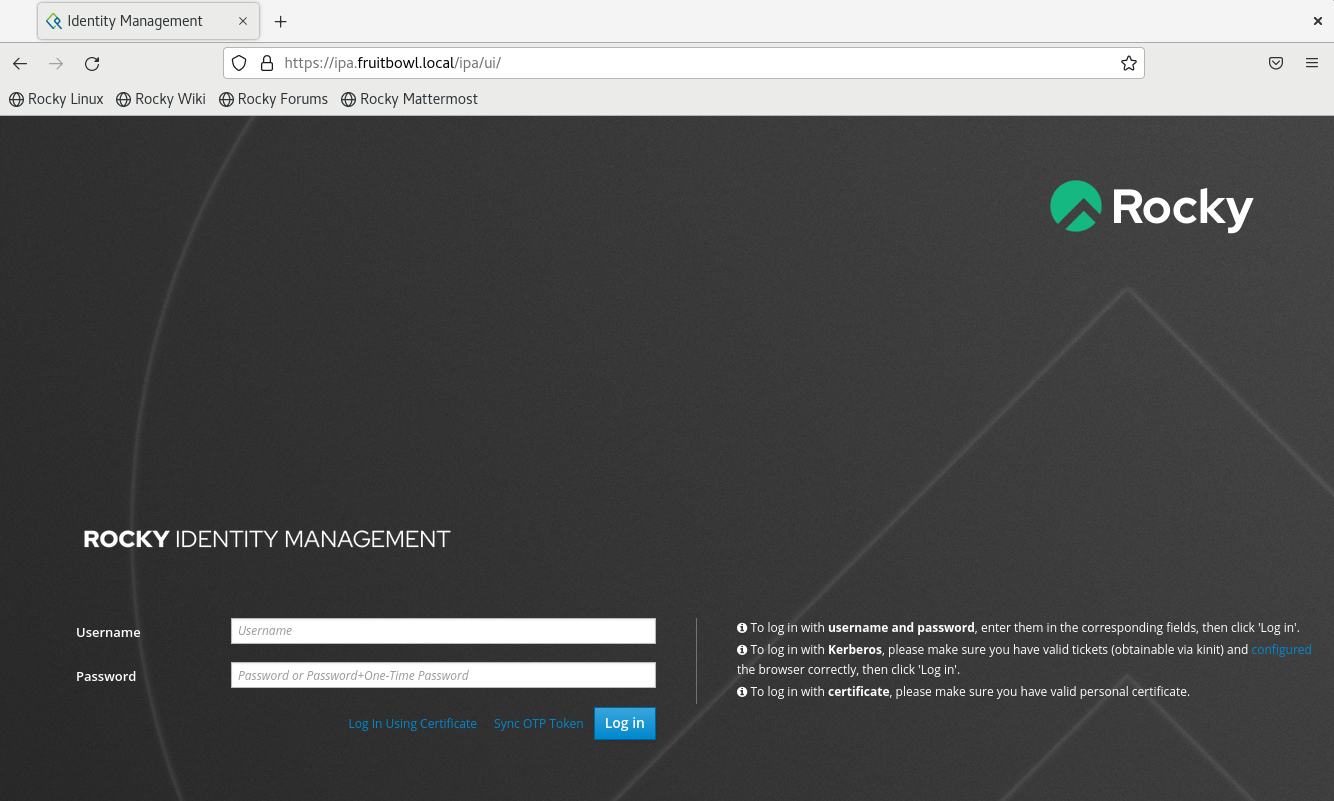
The Importance of Linux Identity Management
Linux identity management plays a crucial role in maintaining the security and integrity of an organisation’s IT infrastructure. As businesses increasingly rely on Linux-based systems for their operations, managing user identities and access rights becomes paramount to ensure data protection and regulatory compliance.
Key Components of Linux Identity Management
Linux identity management encompasses various components that work together to control user access and permissions within a Linux environment. These components include:
- User Authentication: Authenticating users through passwords, SSH keys, or biometric methods to verify their identities before granting access.
- User Authorisation: Assigning specific permissions to users based on their roles and responsibilities within the organisation.
- Group Management: Grouping users with similar access requirements together to simplify permission assignment and management.
- Directory Services: Storing user account information in a centralised directory service such as LDAP (Lightweight Directory Access Protocol) for easy retrieval and management.
- Sudo Privileges: Granting temporary administrative privileges to users for specific tasks without compromising overall system security.
The Benefits of Effective Linux Identity Management
An efficient Linux identity management system offers several benefits to organisations, including:
- Enhanced Security: By enforcing strict access controls and authentication mechanisms, organisations can prevent unauthorised access to sensitive data and resources.
- Improved Productivity: Streamlining user account provisioning and deprovisioning processes can save time and resources, allowing employees to focus on their core responsibilities.
- Regulatory Compliance: Meeting regulatory requirements such as GDPR, HIPAA, or PCI DSS becomes easier when user access is properly managed and audited.
- Audit Trails: Tracking user activities and changes to permissions helps in identifying security incidents or policy violations for timely remediation.
In Conclusion
In today’s digital landscape, effective Linux identity management is essential for safeguarding organisational assets and maintaining operational efficiency. By implementing robust identity management practices, businesses can mitigate security risks, ensure compliance with regulations, and empower users with the right level of access needed to perform their duties securely.
Understanding Linux Identity Management: Key Concepts and Common Queries
- What is the difference between IAM and IDM?
- What are the 4 pillars of IAM?
- What is identity management in Linux?
- What is IdM for Linux?
- Is Red Hat IdM free?
- What is Linux IAM?
What is the difference between IAM and IDM?
In the realm of Linux identity management, a commonly asked question revolves around the distinction between IAM (Identity and Access Management) and IDM (Identity Management). While IAM focuses on managing user identities, authentication, and authorisation across various systems and applications within an organisation, IDM specifically concentrates on centralising user identity information, access controls, and directory services. In essence, IAM is a broader concept that encompasses not only identity management but also access management aspects, whereas IDM primarily deals with the organisation and maintenance of user identities within a centralised system. Understanding this difference is crucial for implementing comprehensive strategies to secure user identities and access rights effectively in a Linux environment.
What are the 4 pillars of IAM?
In the realm of Linux identity management, understanding the four pillars of Identity and Access Management (IAM) is crucial for maintaining a secure and well-structured IT environment. The four pillars of IAM encompass Identification, Authentication, Authorisation, and Accountability. Identification involves uniquely identifying users or entities within the system, while Authentication verifies their identities through various methods. Authorisation determines the access rights and permissions granted to authenticated users, ensuring they can only interact with resources as permitted. Lastly, Accountability establishes audit trails and monitoring mechanisms to track user activities and changes, promoting transparency and security within the Linux identity management framework.
What is identity management in Linux?
Identity management in Linux refers to the process of controlling and securing user identities, access rights, and permissions within a Linux-based environment. It involves authenticating users, assigning appropriate levels of authorisation based on their roles, managing user groups efficiently, and maintaining a centralised directory for user information. By implementing robust identity management practices in Linux, organisations can enhance security, streamline user access control processes, ensure compliance with regulations, and effectively monitor user activities for improved overall system integrity.
What is IdM for Linux?
IdM, short for Identity Management, is a comprehensive solution tailored for Linux environments to efficiently manage user identities, access controls, and authentication mechanisms. In the realm of Linux identity management, IdM serves as a centralised platform that simplifies the administration of user accounts, groups, and policies across interconnected systems. By integrating key components such as user authentication, authorisation, and directory services, IdM enhances security measures, streamlines user management processes, and facilitates compliance with regulatory standards within the Linux ecosystem.
Is Red Hat IdM free?
One commonly asked question regarding Linux identity management is whether Red Hat Identity Management (IdM) is free. Red Hat IdM is not entirely free as it is a part of the Red Hat Enterprise Linux subscription. While some components of Red Hat IdM may be available for free, full access to all features and support typically requires a subscription to Red Hat Enterprise Linux. Organisations seeking comprehensive identity management solutions may consider the value and benefits of investing in a Red Hat subscription to leverage the capabilities of Red Hat IdM effectively.
What is Linux IAM?
Linux IAM, or Identity and Access Management, refers to the set of processes, policies, and technologies used to manage user identities and control their access to resources within a Linux environment. In essence, Linux IAM involves authenticating users, assigning appropriate permissions based on their roles, and ensuring the security of sensitive data by enforcing access controls. By implementing Linux IAM practices effectively, organisations can enhance security, streamline user management processes, and maintain compliance with regulatory requirements.