
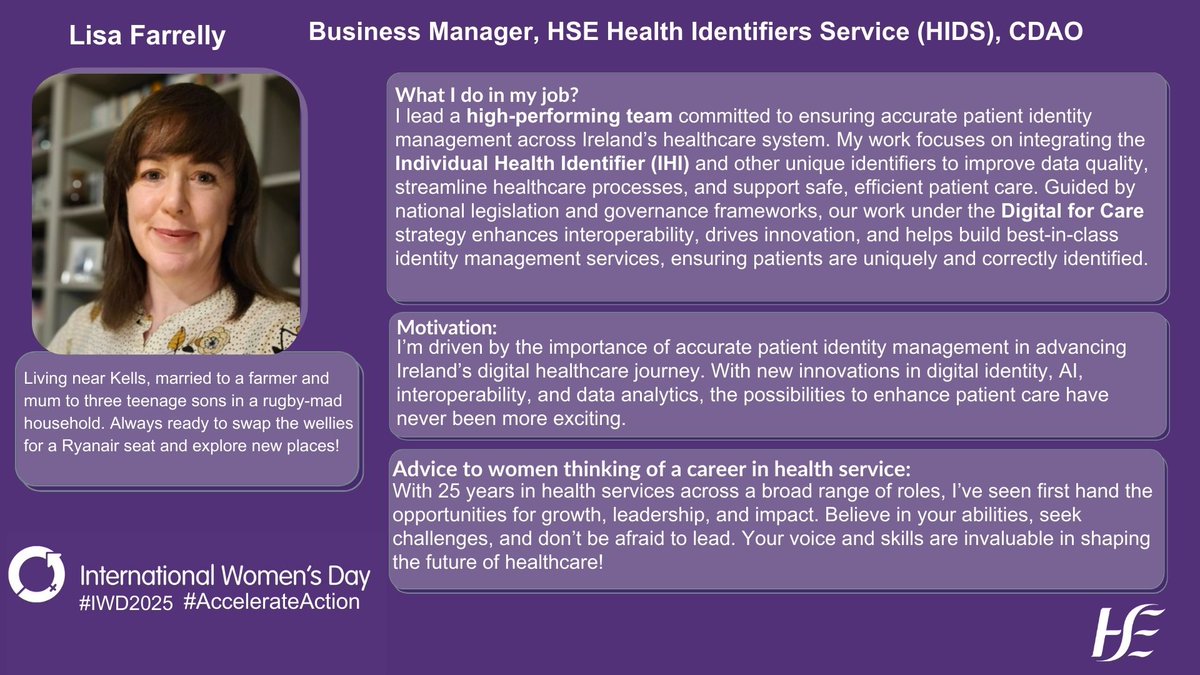
The Importance of Healthcare Identity Management
In the rapidly evolving landscape of healthcare, the management of identities and access rights plays a crucial role in ensuring data security, patient privacy, and regulatory compliance. Healthcare identity management refers to the processes and technologies used to securely authenticate and authorise individuals accessing sensitive information within healthcare organisations.
Challenges in Healthcare Identity Management
Healthcare providers face unique challenges when it comes to identity management. The industry handles vast amounts of sensitive data, including patient records, medical histories, and financial information. Ensuring that only authorised personnel have access to this data is essential for maintaining patient trust and meeting regulatory requirements.
Additionally, healthcare organisations often operate in complex environments with multiple systems and applications that require different levels of access control. Managing user identities across these disparate systems while ensuring seamless access for healthcare professionals is a significant challenge.
The Role of Technology in Healthcare Identity Management
Advancements in technology have revolutionised healthcare identity management practices. Biometric authentication, two-factor authentication, and single sign-on solutions are increasingly being adopted to enhance security and streamline access control processes.
Identity and access management (IAM) platforms provide centralised control over user identities, permissions, and credentials. These platforms enable healthcare organisations to enforce security policies consistently across all systems and applications while simplifying user provisioning and deprovisioning processes.
Benefits of Effective Healthcare Identity Management
Implementing robust identity management practices in healthcare offers several benefits:
- Data Security: Protecting patient data from unauthorised access or breaches.
- Patient Privacy: Ensuring that sensitive information is only accessed by authorised individuals.
- Regulatory Compliance: Meeting requirements set forth by regulations such as HIPAA (Health Insurance Portability and Accountability Act).
- Operational Efficiency: Streamlining user access processes to improve productivity and reduce administrative burden.
The Future of Healthcare Identity Management
As the healthcare industry continues to digitise its operations, the need for robust identity management solutions will only grow. Emerging technologies such as blockchain offer new possibilities for secure patient identity verification and data sharing across healthcare ecosystems.
By investing in advanced identity management technologies and best practices, healthcare organisations can strengthen their security posture, enhance patient trust, and ensure compliance with evolving regulatory requirements in an increasingly interconnected world.
Nine Essential Tips for Effective Healthcare Identity Management
- Implement strong authentication measures to ensure only authorised personnel access patient information.
- Regularly update and review user access privileges to prevent unauthorised data breaches.
- Train staff on the importance of safeguarding patient identities and data privacy.
- Utilise encryption techniques to protect sensitive healthcare data during transmission and storage.
- Implement strict protocols for verifying patient identities before disclosing any medical information.
- Regularly audit and monitor access logs to detect any suspicious activities or breaches in identity management.
- Ensure compliance with data protection regulations such as GDPR for handling patient information securely.
- Consider implementing biometric authentication methods for enhanced security in healthcare identity management.
- Collaborate with IT security experts to stay updated on the latest trends and threats in healthcare identity management.
Implement strong authentication measures to ensure only authorised personnel access patient information.
To enhance healthcare identity management, it is crucial to implement robust authentication measures that verify the identity of individuals accessing patient information. By utilising strong authentication methods such as biometric verification or two-factor authentication, healthcare organisations can significantly reduce the risk of unauthorised access and protect patient privacy. These measures ensure that only authorised personnel with legitimate credentials can access sensitive data, thereby bolstering security and compliance within the healthcare environment.
Regularly update and review user access privileges to prevent unauthorised data breaches.
Regularly updating and reviewing user access privileges is a critical tip in healthcare identity management to mitigate the risk of unauthorised data breaches. By conducting periodic audits of user permissions and access levels, healthcare organisations can ensure that only authorised personnel have the necessary privileges to access sensitive patient information. This proactive approach not only helps in preventing potential security incidents but also reinforces data security measures, aligning with regulatory requirements and safeguarding patient privacy.
Train staff on the importance of safeguarding patient identities and data privacy.
It is essential to train healthcare staff on the critical importance of safeguarding patient identities and data privacy in healthcare identity management. By educating employees on the significance of protecting sensitive information, such as patient records and personal data, organisations can mitigate the risk of data breaches and uphold patient trust. Staff awareness and adherence to data privacy protocols are key components in maintaining a secure healthcare environment and complying with regulatory requirements to ensure the confidentiality and integrity of patient information.
Utilise encryption techniques to protect sensitive healthcare data during transmission and storage.
To enhance the security of sensitive healthcare data, it is essential to implement encryption techniques both during transmission and storage. Encryption serves as a vital safeguard by encoding data in a way that only authorised parties with the decryption key can access it. By utilising encryption methods, healthcare organisations can mitigate the risk of data breaches and unauthorised access, ensuring that patient information remains protected against potential threats throughout its lifecycle.
Implement strict protocols for verifying patient identities before disclosing any medical information.
To enhance healthcare identity management, it is crucial to implement strict protocols for verifying patient identities before disclosing any medical information. By establishing rigorous procedures to confirm the identity of individuals seeking access to sensitive healthcare data, organisations can mitigate the risk of unauthorised disclosure and protect patient privacy. Verifying patient identities through reliable methods such as biometric authentication or government-issued identification not only ensures compliance with data protection regulations but also fosters trust between healthcare providers and patients. This proactive approach to identity verification is essential in safeguarding confidential medical information and upholding the integrity of healthcare systems.
Regularly audit and monitor access logs to detect any suspicious activities or breaches in identity management.
Regularly auditing and monitoring access logs is a critical tip in healthcare identity management. By reviewing access logs consistently, healthcare organisations can proactively detect any suspicious activities or potential breaches in identity management. Monitoring access logs allows for the timely identification of unauthorized access attempts, unusual login patterns, or any anomalies that may indicate a security threat. By staying vigilant and responsive to the insights provided by access log audits, healthcare providers can strengthen their security measures and protect patient data effectively.
Ensure compliance with data protection regulations such as GDPR for handling patient information securely.
It is essential for healthcare organisations to ensure compliance with data protection regulations, such as GDPR (General Data Protection Regulation), when handling patient information securely. Adhering to GDPR guidelines not only safeguards patient data from unauthorised access and breaches but also demonstrates a commitment to respecting patient privacy rights. By implementing robust data protection measures and maintaining compliance with regulations, healthcare providers can build trust with patients and stakeholders while mitigating the risks associated with data security breaches.
Consider implementing biometric authentication methods for enhanced security in healthcare identity management.
When it comes to healthcare identity management, organisations should consider implementing biometric authentication methods to bolster security measures. Biometric authentication, such as fingerprint or iris scanning, offers a highly secure way to verify the identity of individuals accessing sensitive healthcare data. By leveraging biometric technology, healthcare providers can enhance authentication accuracy, reduce the risk of unauthorised access, and strengthen overall data protection measures in compliance with stringent regulatory requirements.
Collaborate with IT security experts to stay updated on the latest trends and threats in healthcare identity management.
Collaborating with IT security experts is essential for healthcare organisations to stay abreast of the latest trends and threats in healthcare identity management. By partnering with professionals who specialise in cybersecurity, healthcare providers can gain valuable insights into emerging risks and best practices for safeguarding patient data. This collaboration ensures that organisations are equipped to implement proactive measures that address evolving security challenges, ultimately enhancing the overall resilience of their identity management systems in the face of a dynamic threat landscape.