
The GRC Software Magic Quadrant: Navigating the Landscape of Governance, Risk, and Compliance Solutions
When it comes to managing the complex interplay of governance, risk, and compliance (GRC) within organisations, having the right software can make all the difference. The GRC Software Magic Quadrant is a valuable resource that helps businesses evaluate and compare leading GRC software solutions based on their completeness of vision and ability to execute.
Understanding the Magic Quadrant
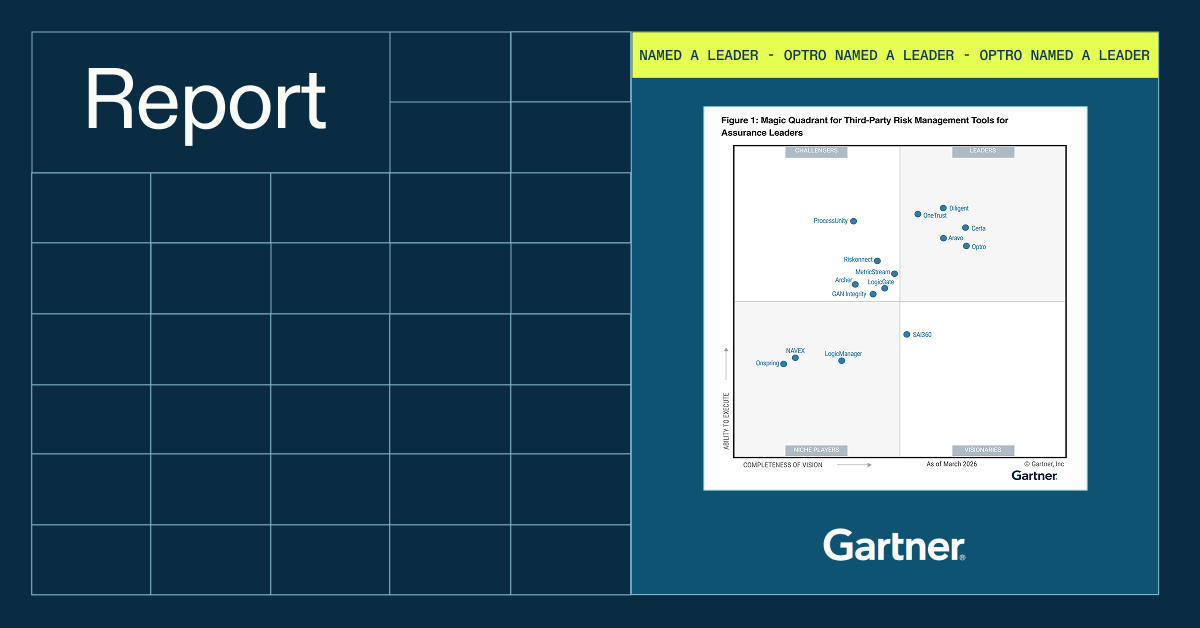
The Gartner Magic Quadrant is a research methodology that provides a graphical representation of a market’s direction, maturity, and participants. In the context of GRC software, the Magic Quadrant assesses vendors based on two main criteria:
- Completeness of Vision: This criterion evaluates a vendor’s understanding of market trends, customer needs, and product innovation. Vendors with a strong vision anticipate future requirements and develop strategies to meet them.
- Ability to Execute: This criterion measures a vendor’s capability to deliver on its vision through product development, marketing, sales execution, customer experience, and overall business performance.
The Four Quadrants
The GRC Software Magic Quadrant categorises vendors into four quadrants based on their scores in completeness of vision and ability to execute:
- Leaders: Vendors in this quadrant demonstrate strong capabilities in both vision and execution. They often offer comprehensive GRC solutions with advanced features and have a proven track record of success.
- Visionaries: Visionaries excel in innovation and have a clear roadmap for future development. While they may lack some execution capabilities compared to Leaders, they are known for pushing boundaries in the industry.
- Challengers: Challengers have solid execution capabilities but may lag behind in terms of vision. They typically focus on delivering reliable products with established functionalities.
- Niche Players: Niche Players specialise in specific segments or niche markets within the GRC landscape. While they may lack broad capabilities compared to other quadrants, they can offer unique solutions tailored to specific needs.
Selecting the Right GRC Software
For organisations seeking to invest in GRC software, consulting the GRC Software Magic Quadrant can provide valuable insights into market trends, key players, and potential solution providers. By understanding each vendor’s positioning within the quadrant, businesses can make informed decisions that align with their strategic goals and operational requirements.
Ultimately, leveraging GRC software that aligns with your organisation’s needs can streamline compliance processes, mitigate risks effectively, enhance decision-making capabilities, and foster a culture of governance across all levels.
In conclusion, navigating the landscape of GRC software with the guidance of the Magic Quadrant can empower businesses to optimise their governance practices while effectively managing risks and compliance obligations in an increasingly complex business environment.
Evaluating GRC Software: Key Benefits of the Magic Quadrant Analysis
- Provides a clear visual representation of leading GRC software vendors’ strengths and weaknesses.
- Helps businesses assess vendors based on their completeness of vision and ability to execute.
- Enables organisations to make informed decisions when selecting GRC software solutions.
- Offers insights into market trends, key players, and emerging technologies in the GRC landscape.
- Facilitates comparisons between different vendors to identify the best fit for specific organisational needs.
- Assists in understanding each vendor’s strategic positioning within the GRC market.
Critical Drawbacks of GRC Software Magic Quadrant: A Closer Look
- Limited scope
- Subjectivity
- Overemphasis on size
- Static assessment
- Cost implications
- Dependency on analyst opinions
Provides a clear visual representation of leading GRC software vendors’ strengths and weaknesses.
One significant advantage of the GRC Software Magic Quadrant is its ability to offer a clear visual representation of the strengths and weaknesses of leading GRC software vendors. By categorising vendors into distinct quadrants based on their completeness of vision and ability to execute, businesses can easily identify which vendors excel in specific areas and where they may have limitations. This visual representation enables organisations to make informed decisions when selecting a GRC software solution, allowing them to choose a vendor that aligns best with their requirements and strategic objectives.
Helps businesses assess vendors based on their completeness of vision and ability to execute.
One key advantage of utilising the GRC Software Magic Quadrant is its ability to assist businesses in evaluating vendors based on their completeness of vision and ability to execute. By leveraging this resource, organisations can gain valuable insights into the strategic direction and innovation capabilities of GRC software providers. This evaluation criteria allows businesses to make informed decisions when selecting a vendor, ensuring that they partner with a company that not only understands market trends and customer needs but also possesses the operational prowess to deliver on their promises effectively.
Enables organisations to make informed decisions when selecting GRC software solutions.
The GRC Software Magic Quadrant serves as a valuable tool that enables organisations to make well-informed decisions when selecting GRC software solutions. By evaluating vendors based on their completeness of vision and ability to execute, businesses can gain a comprehensive understanding of the competitive landscape and identify the most suitable partners for their specific needs. This pro of the Magic Quadrant empowers organisations to assess not only the current offerings of GRC software providers but also their future direction and alignment with industry trends, ensuring that the chosen solution will effectively support their governance, risk management, and compliance objectives in the long term.
Offers insights into market trends, key players, and emerging technologies in the GRC landscape.
The GRC Software Magic Quadrant provides a valuable pro by offering deep insights into current market trends, key players in the industry, and emerging technologies within the GRC landscape. By leveraging this resource, businesses can stay informed about the latest developments and innovations shaping the governance, risk, and compliance sector. Understanding market trends allows organisations to adapt their strategies proactively, while identifying key players helps in selecting reputable vendors with proven track records. Additionally, awareness of emerging technologies enables businesses to explore new opportunities for enhancing their GRC processes and staying ahead of the curve in a rapidly evolving digital environment.
Facilitates comparisons between different vendors to identify the best fit for specific organisational needs.
The GRC Software Magic Quadrant excels in facilitating comparisons between different vendors, enabling organisations to identify the best fit for their specific needs. By evaluating vendors based on criteria such as completeness of vision and ability to execute, businesses can gain valuable insights into each vendor’s strengths and weaknesses. This structured approach allows organisations to make informed decisions when selecting a GRC software provider that aligns with their unique requirements, ensuring that they invest in a solution that best supports their governance, risk management, and compliance objectives.
Assists in understanding each vendor’s strategic positioning within the GRC market.
The GRC Software Magic Quadrant offers a significant advantage by assisting in understanding each vendor’s strategic positioning within the GRC market. By evaluating vendors based on their completeness of vision and ability to execute, businesses can gain valuable insights into how each vendor aligns with market trends and customer needs. This enables organisations to make informed decisions when selecting a GRC software provider, ensuring that the chosen solution not only meets their current requirements but also aligns with their long-term strategic goals. Understanding the strategic positioning of vendors within the GRC market empowers businesses to choose a partner that can support their evolving governance, risk, and compliance needs effectively.
Limited scope
One significant drawback of the GRC Software Magic Quadrant is its limited scope, which may result in the exclusion of certain GRC software vendors, particularly niche or emerging players. As the Magic Quadrant focuses on evaluating a select group of vendors based on specific criteria, there is a risk that innovative or specialised solutions offered by smaller or newer companies may not be represented. This limitation could hinder organisations seeking to explore unique GRC software options tailored to their specific needs, potentially overlooking valuable solutions that could address niche requirements effectively.
Subjectivity
Subjectivity is a notable con of the GRC Software Magic Quadrant, as the evaluation criteria for completeness of vision and ability to execute are inherently subjective and may not always align perfectly with an organisation’s unique requirements. The interpretation of what constitutes a strong vision or effective execution can vary among different stakeholders, leading to potential discrepancies in how vendors are positioned within the quadrant. This subjectivity could result in organisations overlooking software solutions that may actually be well-suited to their specific GRC challenges but are not reflected as such in the Magic Quadrant assessment. Therefore, while the Magic Quadrant provides valuable insights, it is essential for businesses to conduct thorough evaluations beyond just quadrant placement to ensure that they select a GRC software solution that truly meets their individual needs.
Overemphasis on size
In the realm of GRC software evaluation, a notable con of the Magic Quadrant methodology is the potential overemphasis on vendor size. Larger companies with extensive resources and established market presence may receive preferential treatment in the assessment process, often overshadowing smaller yet highly innovative competitors. This bias towards size can inadvertently disadvantage smaller vendors that offer cutting-edge solutions and demonstrate exceptional creativity in addressing evolving GRC challenges. As a result, organisations seeking GRC software should exercise caution when solely relying on vendor size as a determining factor, as it may overlook hidden gems within the industry that could provide unique and tailored solutions to meet specific business needs.
Static assessment
One notable drawback of the GRC Software Magic Quadrant is its static assessment nature. As a point-in-time evaluation, the Magic Quadrant may not capture real-time changes in vendor performance or market dynamics. This limitation can potentially lead to discrepancies between the depicted positions of vendors and their current standing in the rapidly evolving GRC software landscape. Organisations should be mindful that the Magic Quadrant provides a snapshot rather than a dynamic view, prompting them to conduct additional research and due diligence to ensure alignment with their current needs and objectives.
Cost implications
Cost implications can be a significant con when relying solely on the GRC Software Magic Quadrant to select software. While top-ranking solutions may offer advanced features and capabilities, they often come with a higher price tag. By focusing exclusively on a vendor’s position in the Magic Quadrant, organisations risk overlooking more cost-effective options that could adequately meet their requirements. It is essential for businesses to carefully consider their budget constraints and weigh the cost implications of GRC software investments against the perceived benefits and value offered by different solutions on the market.
Dependency on analyst opinions
Dependence on analyst opinions poses a significant con of the GRC Software Magic Quadrant. Relying solely on the Magic Quadrant without conducting independent research can restrict the depth of understanding regarding the range of available GRC software options. While the Magic Quadrant provides valuable insights and comparisons, it is essential for organisations to supplement this information with their own research to ensure that they select a GRC software solution that aligns closely with their specific needs and objectives. Failure to conduct independent research may lead to overlooking niche players or emerging solutions that could potentially offer a better fit for an organisation’s unique requirements.