The Importance of Active Directory Risk Management

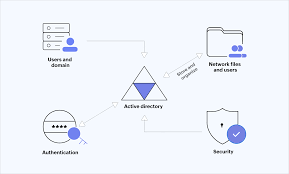
Active Directory is a crucial component of many organisations’ IT infrastructures, serving as the central hub for managing user accounts, permissions, and access to resources. With its pivotal role in network security and operations, it is essential for businesses to implement effective risk management strategies to safeguard their Active Directory environment.

Identifying Risks

One of the first steps in active directory risk management is identifying potential risks and vulnerabilities within the system. Common risks include unauthorised access to sensitive data, insider threats, misconfigurations, and outdated software. Conducting regular security assessments and audits can help pinpoint these risks before they escalate into serious security incidents.

Implementing Security Controls

Once risks are identified, it is crucial to implement appropriate security controls to mitigate them. This may involve enforcing strong password policies, limiting user privileges based on the principle of least privilege, implementing multi-factor authentication, and regularly monitoring and reviewing access rights. By establishing robust security controls, organisations can reduce the likelihood of security breaches and data leaks.

Monitoring and Detection

Continuous monitoring of Active Directory activity is essential for detecting suspicious behaviour or unauthorised access in real-time. Implementing automated monitoring tools can help organisations track changes made to user accounts, group memberships, or permissions within the directory. Timely detection of anomalies allows for swift response and containment of potential security threats.

Incident Response Planning

In the event of a security incident or breach involving Active Directory, having a well-defined incident response plan is critical. Organisations should outline clear procedures for containing the incident, investigating its root cause, remediating vulnerabilities, and restoring normal operations. Regularly testing and updating the incident response plan ensures that teams are prepared to handle security incidents effectively.

Compliance and Auditing

Compliance with industry regulations such as GDPR, HIPAA, or PCI DSS requires maintaining a secure Active Directory environment. Regular audits help ensure that security controls are functioning as intended and that any deviations from compliance standards are promptly addressed. Auditing also provides valuable insights into user behaviour patterns and helps identify areas for improvement in risk management practices.

Conclusion

In today’s digital landscape where cyber threats are constantly evolving, proactive active directory risk management is essential for protecting sensitive data and maintaining operational continuity. By identifying risks, implementing robust security controls, monitoring activity closely, planning for incidents, and ensuring compliance with regulations through regular auditing practices, organisations can strengthen their defences against potential security threats in their Active Directory environment.


Five Essential Tips for Managing Active Directory Risks Effectively

  1. Regularly review and update user permissions to ensure least privilege access.
  2. Implement multi-factor authentication to enhance security for user accounts.
  3. Monitor Active Directory logs for any suspicious activities or unauthorized access.
  4. Regularly backup Active Directory data to prevent loss in case of system failures or cyber attacks.
  5. Train employees on best practices for password management and security awareness.

Regularly review and update user permissions to ensure least privilege access.

Regularly reviewing and updating user permissions is a crucial aspect of active directory risk management. By adhering to the principle of least privilege access, organisations can minimise the potential impact of security breaches and insider threats. Ensuring that users only have access to the resources necessary for their roles helps prevent unauthorised activities and reduces the risk of data exposure. Continuous monitoring and adjustment of user permissions align with best practices in maintaining a secure Active Directory environment, promoting data integrity and enhancing overall network security.

Implement multi-factor authentication to enhance security for user accounts.

Implementing multi-factor authentication is a highly effective tip for enhancing security in Active Directory risk management. By requiring users to provide additional verification beyond just a password, such as a code sent to their mobile device or biometric data, organisations can significantly reduce the risk of unauthorised access to user accounts. Multi-factor authentication adds an extra layer of protection, making it more challenging for malicious actors to compromise user credentials and ensuring a higher level of security for sensitive data stored within the Active Directory environment.

Monitor Active Directory logs for any suspicious activities or unauthorized access.

Monitoring Active Directory logs for any suspicious activities or unauthorized access is a critical tip in active directory risk management. By regularly reviewing log data, organisations can proactively identify potential security threats, such as unusual login attempts, changes to user permissions, or suspicious account behaviour. Detecting these anomalies early on allows for prompt investigation and mitigation of security risks, helping to safeguard the integrity of the Active Directory environment and prevent potential data breaches.

Regularly backup Active Directory data to prevent loss in case of system failures or cyber attacks.

Regularly backing up Active Directory data is a crucial aspect of effective risk management. By creating and maintaining backups of critical information, organisations can mitigate the impact of system failures or cyber attacks that may compromise their Active Directory environment. In the event of data loss or corruption, having up-to-date backups ensures that businesses can quickly restore their directory services and resume normal operations, minimising downtime and potential disruptions to business continuity.

Train employees on best practices for password management and security awareness.

Training employees on best practices for password management and security awareness is a crucial aspect of active directory risk management. By educating staff on creating strong, unique passwords, avoiding phishing scams, and recognising suspicious activities, organisations can significantly reduce the risk of unauthorised access to their Active Directory. Empowering employees with the knowledge and skills to protect their accounts not only enhances the overall security posture of the organisation but also fosters a culture of cybersecurity awareness and responsibility among staff members.

Article: Active Directory Reporting Utilities

The Importance of Active Directory Reporting Utilities

Active Directory is a crucial component of many organisations’ IT infrastructure, serving as a centralised database for managing users, computers, and other resources. With the increasing complexity of IT environments and the growing importance of security and compliance, having effective reporting utilities for Active Directory is essential.

Understanding Active Directory Reporting

Active Directory reporting utilities provide administrators with valuable insights into the health and security of their directory services. These tools offer visibility into user activities, group memberships, permissions, and other critical aspects of the Active Directory environment.

The Benefits of Using Reporting Utilities

By utilising reporting utilities for Active Directory, organisations can:

  • Monitor user access and permissions to prevent unauthorised activities.
  • Detect security vulnerabilities and potential threats proactively.
  • Generate compliance reports to meet regulatory requirements.
  • Analyse historical data to identify trends and patterns for better decision-making.
  • Audit changes made to the directory structure for accountability and troubleshooting purposes.

Choosing the Right Reporting Utility

When selecting an Active Directory reporting utility, it’s essential to consider factors such as:

  • User-friendliness and ease of use for administrators.
  • The depth and breadth of reporting capabilities offered by the tool.
  • Integration with other IT management systems for seamless operation.
  • Customisation options to tailor reports to specific organisational needs.
  • Ongoing support and updates from the software vendor.

In Conclusion

Active Directory reporting utilities play a vital role in maintaining a secure, compliant, and efficient IT environment. By investing in the right tools and leveraging their capabilities effectively, organisations can enhance their overall cybersecurity posture and streamline administrative tasks related to directory management. Stay informed, stay secure!


Eight Essential Tips for Effective Active Directory Reporting and Monitoring

  1. Use built-in tools like Active Directory Users and Computers for basic reporting.
  2. Consider using PowerShell scripts to generate custom reports from Active Directory.
  3. Explore third-party reporting tools for more advanced and detailed insights.
  4. Regularly audit user accounts, group memberships, and permissions for security purposes.
  5. Monitor account lockouts and failed login attempts to detect potential security threats.
  6. Track changes in group memberships and permissions to ensure compliance with policies.
  7. Generate reports on inactive or unused accounts to clean up your Active Directory environment.
  8. Backup your Active Directory data regularly to prevent data loss and ensure quick recovery.

Use built-in tools like Active Directory Users and Computers for basic reporting.

When it comes to managing Active Directory, utilising built-in tools like Active Directory Users and Computers can be a practical choice for basic reporting needs. This tool provides a user-friendly interface that allows administrators to access essential information about users, groups, and other directory objects. While it may not offer advanced reporting capabilities compared to dedicated utilities, leveraging these built-in features can still provide valuable insights and help streamline day-to-day administrative tasks within the Active Directory environment.

Consider using PowerShell scripts to generate custom reports from Active Directory.

When exploring ways to enhance reporting capabilities within Active Directory, one valuable tip is to leverage PowerShell scripts for generating customised reports. By utilising PowerShell, administrators can tailor reports to specific organisational requirements, extracting precise data points and insights that may not be readily available through standard reporting tools. This approach allows for greater flexibility and control in analysing and presenting information from Active Directory, empowering administrators to make informed decisions and address unique business needs effectively.

Explore third-party reporting tools for more advanced and detailed insights.

To enhance your Active Directory reporting capabilities, consider exploring third-party reporting tools that offer more advanced and detailed insights. Third-party tools often provide additional features and functionalities that can help you gain deeper visibility into your Active Directory environment. By leveraging these tools, you can uncover valuable information, detect potential security risks, and streamline your reporting processes for better overall management of your directory services.

Regularly audit user accounts, group memberships, and permissions for security purposes.

Regularly auditing user accounts, group memberships, and permissions within Active Directory is a fundamental security practice that helps organisations maintain a robust defence against potential threats. By conducting routine audits, administrators can identify and address any discrepancies or unauthorised access promptly, ensuring that only authorised users have the necessary permissions to access sensitive data and resources. This proactive approach not only enhances security but also helps in compliance efforts by demonstrating a commitment to maintaining a secure IT environment.

Monitor account lockouts and failed login attempts to detect potential security threats.

Monitoring account lockouts and failed login attempts is a crucial tip when it comes to utilising Active Directory reporting utilities effectively. By keeping a close eye on these activities, administrators can quickly detect potential security threats such as brute force attacks or unauthorised access attempts. This proactive approach not only helps in identifying suspicious behaviour but also allows for timely intervention to strengthen the overall security posture of the Active Directory environment. Stay vigilant and proactive in monitoring account lockouts and failed login attempts to safeguard your organisation’s sensitive data and resources.

Track changes in group memberships and permissions to ensure compliance with policies.

Tracking changes in group memberships and permissions is a crucial tip when utilising Active Directory reporting utilities. By monitoring these changes, organisations can ensure compliance with internal policies and regulatory requirements. Keeping a close eye on who has access to what resources helps in maintaining data security and preventing unauthorised access. With the ability to track and audit changes effectively, administrators can promptly identify any discrepancies or potential security risks, allowing for timely intervention and enforcement of access controls.

Generate reports on inactive or unused accounts to clean up your Active Directory environment.

Generating reports on inactive or unused accounts is a valuable tip for maintaining a healthy Active Directory environment. By identifying and cleaning up these accounts, organisations can enhance security, reduce clutter, and improve overall system performance. Removing redundant accounts not only minimises the risk of unauthorised access but also streamlines user management processes. Regularly generating such reports ensures that the Active Directory remains efficient, secure, and well-organised, contributing to a more robust IT infrastructure.

Backup your Active Directory data regularly to prevent data loss and ensure quick recovery.

Regularly backing up your Active Directory data is a crucial practice to prevent potential data loss and ensure rapid recovery in case of unforeseen incidents. By maintaining up-to-date backups of your directory services, you can safeguard against accidental deletions, system failures, or security breaches that may compromise your data integrity. In the event of a disaster, having reliable backups in place allows you to restore your Active Directory efficiently and minimise downtime, enabling your organisation to resume normal operations swiftly. Remember, proactive backup strategies are key to maintaining the resilience and continuity of your IT infrastructure.

Article: Network Access Auditing

The Importance of Network Access Auditing

Network access auditing is a critical aspect of maintaining a secure and efficient IT infrastructure. In today’s interconnected world, where data breaches and cyber threats are on the rise, monitoring and controlling who has access to your network resources is paramount.

What is Network Access Auditing?

Network access auditing involves tracking and recording all activities related to user authentication, authorisation, and permissions within a network environment. By implementing robust auditing mechanisms, organisations can ensure that only authorised users have access to specific resources, detect any unauthorised attempts to access sensitive data, and maintain compliance with regulatory requirements.

The Benefits of Network Access Auditing

Enhanced Security: By monitoring network access activities, organisations can identify potential security threats in real-time and take proactive measures to mitigate risks before they escalate.

Compliance: Many industries have strict regulations regarding data privacy and security. Network access auditing helps organisations demonstrate compliance with these regulations by providing detailed logs of user activities.

Improved Operational Efficiency: Understanding who has access to what resources allows IT administrators to streamline user permissions, reduce the risk of data leaks or insider threats, and optimise network performance.

Best Practices for Network Access Auditing

To effectively audit network access, organisations should consider the following best practices:

  • Implement Role-Based Access Control (RBAC) to assign permissions based on job roles.
  • Regularly review user accounts and permissions to ensure they align with business needs.
  • Utilise automated tools for real-time monitoring and alerting of suspicious activities.
  • Maintain detailed audit logs that capture user login/logout events, resource accesses, and permission changes.
  • Educate employees on best practices for secure network access and password management.

Conclusion

In conclusion, network access auditing plays a crucial role in safeguarding sensitive data, preventing security breaches, and maintaining regulatory compliance. By implementing robust auditing processes and adhering to best practices, organisations can strengthen their cybersecurity posture and protect their valuable assets from potential threats.


Essential Insights into Network Access Auditing: Understanding Its Importance, Benefits, Challenges, and Tools

  1. What is network access auditing?
  2. Why is network access auditing important for organisations?
  3. How does network access auditing help improve cybersecurity?
  4. What are the key benefits of implementing network access auditing?
  5. What are the common challenges faced in network access auditing?
  6. What tools and technologies can be used for effective network access auditing?

What is network access auditing?

Network access auditing refers to the process of monitoring and recording all activities related to user authentication, authorisation, and permissions within a network environment. It involves tracking who has access to specific resources, when they accessed them, and what actions they performed. By implementing network access auditing, organisations can enhance their security posture by detecting unauthorised access attempts, identifying potential security threats in real-time, and ensuring compliance with regulatory requirements. This proactive approach allows businesses to maintain control over their network resources, mitigate risks effectively, and protect sensitive data from cyber threats.

Why is network access auditing important for organisations?

Network access auditing is vital for organisations due to its role in enhancing security, ensuring compliance, and improving operational efficiency. By monitoring and recording user activities within the network environment, organisations can proactively detect and respond to potential security threats, safeguarding sensitive data from unauthorised access. Moreover, network access auditing helps organisations demonstrate adherence to regulatory requirements by maintaining detailed logs of user permissions and activities. This practice also enables IT administrators to streamline user permissions, reduce the risk of insider threats, and optimise network performance, ultimately contributing to a more secure and efficient IT infrastructure.

How does network access auditing help improve cybersecurity?

Network access auditing plays a pivotal role in enhancing cybersecurity by providing organisations with critical insights into who accesses their network resources and how those resources are being utilised. By monitoring user activities, permissions, and authentication processes, network access auditing can swiftly detect any suspicious behaviour or unauthorised access attempts. This proactive approach enables IT teams to respond promptly to potential security threats, mitigate risks, and prevent data breaches. Additionally, the detailed audit logs generated through network access auditing help in identifying vulnerabilities, enforcing compliance with security policies, and continuously improving the overall security posture of the network infrastructure.

What are the key benefits of implementing network access auditing?

When considering the implementation of network access auditing, it is essential to understand the key benefits it offers. By implementing network access auditing, organisations can enhance their overall security posture by proactively monitoring and identifying potential security threats in real-time. Additionally, network access auditing aids in maintaining regulatory compliance by providing detailed logs of user activities, ensuring transparency and accountability within the network environment. Furthermore, this practice can lead to improved operational efficiency through streamlined user permissions, reduced risks of data breaches or insider threats, and optimised network performance. Overall, the key benefits of implementing network access auditing include enhanced security measures, compliance adherence, and operational effectiveness within an organisation’s IT infrastructure.

What are the common challenges faced in network access auditing?

When it comes to network access auditing, organisations often encounter several common challenges. One prevalent issue is the complexity of managing and monitoring a large number of user accounts and permissions across multiple systems and applications. Ensuring consistency in access control policies and keeping track of changes made to user privileges can be daunting tasks. Additionally, distinguishing between legitimate access attempts and potential security threats requires advanced monitoring capabilities and real-time alerting mechanisms. Moreover, maintaining audit logs that are both comprehensive and easily accessible for compliance purposes can pose a significant challenge. Addressing these challenges effectively is crucial for organisations to enhance their network security posture and mitigate risks associated with unauthorised access.

What tools and technologies can be used for effective network access auditing?

When it comes to effective network access auditing, a variety of tools and technologies can be utilised to enhance security and compliance measures. Commonly used tools include network monitoring software, intrusion detection systems (IDS), security information and event management (SIEM) solutions, and identity and access management (IAM) platforms. These tools enable organisations to track user activities, monitor network traffic, detect anomalies or suspicious behaviour, and manage user permissions effectively. By leveraging a combination of these technologies, businesses can establish a robust network access auditing framework that helps identify potential security risks and ensure the integrity of their IT infrastructure.

The Importance of IT Governance Tools in Modern Businesses

As businesses rely more and more on technology for their operations, the need for robust IT governance tools has become increasingly crucial. IT governance refers to the framework of policies, procedures, and processes that ensure the effective and efficient use of IT resources to achieve business objectives. Implementing the right IT governance tools can help organisations mitigate risks, enhance decision-making processes, and improve overall performance.

Benefits of IT Governance Tools

Risk Management: One of the primary benefits of implementing IT governance tools is better risk management. By having clear policies and controls in place, organisations can identify potential risks proactively and take steps to mitigate them before they escalate into major issues.

Compliance: Compliance with industry regulations and standards is essential for businesses today. IT governance tools help ensure that organisations meet regulatory requirements, such as GDPR or PCI DSS, by providing mechanisms for monitoring and reporting on compliance activities.

Resource Optimization: Effective IT governance tools enable businesses to optimise their use of resources. By aligning IT initiatives with business goals, organisations can avoid unnecessary spending on projects that do not contribute to strategic objectives.

Decision-making: With the help of IT governance tools, businesses can make informed decisions based on accurate data and insights. These tools provide visibility into key performance indicators and metrics that allow stakeholders to assess the impact of IT investments on business outcomes.

Popular IT Governance Tools

ITIL (Information Technology Infrastructure Library): A widely adopted framework for IT service management, ITIL provides best practices for aligning IT services with business needs. Organisations use ITIL tools to improve service delivery, customer satisfaction, and overall efficiency.

COBIT (Control Objectives for Information and Related Technologies): COBIT is a framework developed by ISACA that helps organisations govern and manage their information technology assets effectively. COBIT tools assist in establishing controls, measuring performance, and ensuring compliance with regulations.

GRC (Governance, Risk Management, and Compliance) Platforms: GRC platforms integrate governance, risk management, and compliance activities into a unified solution. These tools streamline processes related to risk assessment, policy management, audit tracking, and regulatory compliance reporting.

In Conclusion

IT governance tools play a vital role in helping businesses navigate the complex landscape of technology while ensuring alignment with strategic objectives. By investing in these tools, organisations can enhance their operational efficiency, manage risks effectively, and maintain compliance with regulatory requirements. As technology continues to evolve rapidly, having robust IT governance frameworks in place will be essential for sustaining business success in the digital age.


Essential Insights into IT Governance Tools: Definitions, Varieties, Optimal Frameworks, and Practical Applications

  1. What is a governance tool?
  2. What are the 5 types of IT governance?
  3. What is the best framework for IT governance?
  4. What are IT governance tools?

What is a governance tool?

A governance tool is a software solution or platform designed to facilitate the implementation of governance frameworks and processes within an organisation’s IT infrastructure. These tools help businesses establish and enforce policies, procedures, and controls to ensure that IT resources are used effectively and in alignment with business objectives. By providing features such as monitoring, reporting, and automation capabilities, governance tools enable organisations to manage risks, improve decision-making, and maintain compliance with regulatory requirements. In essence, a governance tool acts as a centralised mechanism for overseeing and optimising IT operations to support the overall success of the business.

What are the 5 types of IT governance?

In the realm of IT governance, there are five primary types that organisations commonly utilise to manage their IT resources effectively. These include strategic alignment, value delivery, risk management, resource management, and performance measurement. Strategic alignment focuses on aligning IT objectives with business goals, while value delivery ensures that IT investments yield tangible benefits. Risk management involves identifying and mitigating potential risks to IT systems and data. Resource management pertains to optimising IT resources to support business operations efficiently. Lastly, performance measurement involves tracking key metrics to evaluate the effectiveness of IT initiatives in achieving organisational objectives. By understanding and implementing these five types of IT governance, businesses can enhance their overall performance and achieve greater success in the digital landscape.

What is the best framework for IT governance?

When it comes to selecting the best framework for IT governance, there isn’t a one-size-fits-all answer. Different organisations have unique needs and priorities, which can influence the choice of framework that aligns best with their goals. Some popular frameworks for IT governance include ITIL (Information Technology Infrastructure Library), COBIT (Control Objectives for Information and Related Technologies), and ISO/IEC 27001. Each of these frameworks offers distinct advantages and focuses on specific aspects of governance, risk management, and compliance. It is essential for organisations to evaluate their requirements carefully and consider factors such as industry standards, regulatory obligations, and organisational objectives when determining the most suitable framework for their IT governance needs.

What are IT governance tools?

IT governance tools encompass a set of software solutions, frameworks, and methodologies designed to facilitate the effective management and oversight of IT resources within an organisation. These tools are instrumental in ensuring that IT initiatives align with business objectives, comply with regulatory requirements, and mitigate risks effectively. By providing mechanisms for monitoring performance, enforcing policies, and facilitating decision-making processes, IT governance tools play a crucial role in enhancing operational efficiency and driving strategic value from technology investments. In essence, IT governance tools serve as the foundation for establishing a structured approach to managing IT assets and operations in a manner that supports organisational goals and fosters sustainable growth.

The Importance of IT Compliance in Today’s Business Environment

The Importance of IT Compliance in Today’s Business Environment

In today’s digital age, businesses rely heavily on technology to operate efficiently and effectively. With the increasing amount of sensitive data being stored and processed electronically, ensuring compliance with IT regulations has become a critical aspect of business operations. IT compliance refers to the adherence to laws, regulations, and standards that govern the use and management of information technology within an organisation.

Why is IT Compliance Important?

Compliance with IT regulations is essential for several reasons:

  • Data Security: Compliance helps protect sensitive data from breaches and cyber-attacks by implementing security measures and best practices.
  • Legal Requirements: Failure to comply with IT regulations can result in legal consequences, fines, and damage to a company’s reputation.
  • Risk Management: Compliance helps organisations identify and mitigate risks associated with data breaches, system failures, or non-compliance.
  • Business Continuity: By ensuring compliance with IT standards, businesses can maintain operational continuity and prevent disruptions that could impact productivity.

Challenges of IT Compliance

While the benefits of IT compliance are clear, many organisations face challenges in maintaining compliance due to factors such as:

  • Complexity: The constantly evolving regulatory landscape makes it challenging for businesses to keep up with changing requirements.
  • Resource Constraints: Limited resources, including budget and expertise, can hinder efforts to implement robust compliance measures.
  • Data Protection: Ensuring the security and privacy of data while complying with regulations poses a significant challenge for many organisations.

Best Practices for Achieving IT Compliance

To overcome these challenges and achieve effective IT compliance, organisations can adopt the following best practices:

  1. Risk Assessment: Conduct regular risk assessments to identify potential vulnerabilities and threats to data security.
  2. Policies and Procedures: Establish clear policies and procedures that outline how data should be handled, stored, and protected.
  3. Training and Awareness: Provide ongoing training to employees on data security best practices and their role in maintaining compliance.
  4. Audit and Monitoring: Implement regular audits and monitoring processes to ensure compliance with regulations and identify any non-compliance issues promptly.

In Conclusion

In conclusion, IT compliance is crucial for businesses looking to safeguard their data, mitigate risks, and maintain operational continuity. By prioritising compliance efforts through effective policies, training, monitoring, and auditing practices, organisations can enhance their cybersecurity posture and build trust with customers. In today’s increasingly regulated business environment, investing in IT compliance is not just a legal requirement but a strategic imperative for long-term success.


Understanding IT Compliance: Fundamentals, Examples, Definitions, and Roles

  1. What are the basics of IT compliance?
  2. What is an example of IT compliance?
  3. What is the meaning of IT compliance?
  4. What is the role of IT compliance?

What are the basics of IT compliance?

Understanding the basics of IT compliance is essential for any organisation looking to secure its digital assets and adhere to regulatory standards. At its core, IT compliance involves aligning IT practices with relevant laws, regulations, and industry standards to protect data integrity, confidentiality, and availability. Key elements of IT compliance include implementing robust security measures, conducting regular risk assessments, maintaining detailed documentation of IT processes, and ensuring that employees are well-trained in data security protocols. By establishing a solid foundation in these fundamental aspects of IT compliance, businesses can enhance their cybersecurity posture and demonstrate a commitment to safeguarding sensitive information.

What is an example of IT compliance?

An example of IT compliance is the implementation of the General Data Protection Regulation (GDPR) within an organisation. GDPR is a set of regulations that govern how businesses handle and protect personal data of individuals within the European Union. To achieve compliance with GDPR, organisations must ensure that they have proper data protection measures in place, obtain explicit consent for data processing, appoint a Data Protection Officer (DPO), and report data breaches within a specified timeframe. By adhering to GDPR requirements, businesses demonstrate their commitment to protecting customer data and complying with legal standards regarding privacy and security.

What is the meaning of IT compliance?

IT compliance refers to the adherence to laws, regulations, and standards that govern the use and management of information technology within an organisation. It encompasses ensuring that IT systems, processes, and practices meet the necessary requirements set forth by regulatory bodies to protect data security, maintain operational integrity, and mitigate risks. Essentially, IT compliance is about aligning IT practices with legal mandates and industry best practices to safeguard sensitive information, uphold business ethics, and demonstrate a commitment to responsible data management.

What is the role of IT compliance?

The role of IT compliance is to ensure that organisations adhere to laws, regulations, and industry standards governing the use and management of information technology. By following IT compliance guidelines, businesses can protect sensitive data, mitigate risks, and maintain operational continuity. IT compliance helps establish a framework for data security, privacy protection, and risk management within an organisation. It also plays a crucial role in building trust with customers, avoiding legal consequences, and demonstrating a commitment to best practices in IT governance. Overall, the role of IT compliance is fundamental in safeguarding data integrity and fostering a secure and compliant business environment.

The Importance of IT Infrastructure Audit Software

As businesses increasingly rely on technology to drive their operations, the need for robust IT infrastructure audit software has become more critical than ever. IT infrastructure audit software plays a crucial role in ensuring the security, efficiency, and compliance of an organisation’s IT systems.

Security

One of the primary functions of IT infrastructure audit software is to enhance security measures within an organisation’s network. By conducting regular audits, the software can identify vulnerabilities, detect potential threats, and prevent security breaches before they occur. This proactive approach to security helps safeguard sensitive data and protects the organisation from cyber attacks.

Efficiency

IT infrastructure audit software also plays a key role in improving the efficiency of an organisation’s IT systems. By monitoring and analysing network performance, the software can identify bottlenecks, inefficiencies, and areas for improvement. This information allows IT teams to make informed decisions about optimising resources, enhancing productivity, and streamlining processes.

Compliance

In today’s regulatory environment, compliance with industry standards and data protection regulations is non-negotiable. IT infrastructure audit software helps organisations maintain compliance by providing detailed reports on system configurations, user activities, and access controls. These reports ensure that the organisation meets regulatory requirements and can demonstrate adherence to best practices.

Benefits of IT Infrastructure Audit Software

  • Proactive Security: Identify and address security risks before they escalate.
  • Improved Efficiency: Optimise system performance and resource allocation.
  • Regulatory Compliance: Ensure adherence to industry standards and data protection regulations.
  • Data Protection: Safeguard sensitive information from unauthorised access or breaches.
  • Audit Trail: Maintain a comprehensive record of system changes and user activities for accountability.

Conclusion

In conclusion, investing in quality IT infrastructure audit software is essential for any organisation looking to secure its systems, improve operational efficiency, and maintain regulatory compliance. By leveraging the capabilities of such software, businesses can stay ahead of potential threats, optimise their IT resources, and demonstrate a commitment to data protection. The benefits of IT infrastructure audit software extend far beyond simple monitoring – they are integral to the success and resilience of modern organisations in an increasingly digital world.


  • “Identifying Top-Tier Auditing Software for Enhanced IT Infrastructure Analysis”
  • “Demystifying IT Infrastructure Audits: A Comprehensive Overview”
  • “Essential Tools for IT Auditors: Streamlining the Audit Process”
  • 4

    1. What is the best auditing software?
    2. What is an IT infrastructure audit?
    3. What tools do IT auditors use?
    4. What is an IT audit program?

    What is the best auditing software?

    When it comes to determining the best auditing software for IT infrastructure, the answer is not one-size-fits-all. The choice of auditing software depends on various factors such as the specific needs of the organisation, the complexity of its IT environment, budget constraints, and regulatory requirements. It is essential to conduct a thorough assessment of different auditing software options, considering their features, scalability, ease of use, and compatibility with existing systems. Ultimately, the best auditing software is one that aligns closely with the organisation’s goals and objectives, enhances security measures, improves operational efficiency, and ensures compliance with industry standards.

    What is an IT infrastructure audit?

    An IT infrastructure audit is a comprehensive evaluation of an organisation’s entire IT ecosystem, including hardware, software, networks, data centres, and security protocols. This process involves assessing the current state of the IT infrastructure to identify strengths, weaknesses, vulnerabilities, and areas for improvement. Through meticulous examination and analysis, an IT infrastructure audit aims to ensure that the organisation’s technology systems are secure, efficient, and compliant with industry standards and regulations. By conducting regular audits, businesses can proactively address potential risks, enhance operational performance, and maintain the integrity of their IT environment.

    What tools do IT auditors use?

    IT auditors utilise a variety of tools to conduct comprehensive audits of an organisation’s IT infrastructure. These tools are essential for assessing the security, performance, and compliance of IT systems. Commonly used tools by IT auditors include network scanners for identifying vulnerabilities, configuration management tools for monitoring system settings, log analysis tools for tracking user activities, and compliance management software for ensuring adherence to regulations. Additionally, data analytics tools are employed to extract valuable insights from large datasets, while forensic software helps in investigating security incidents. By leveraging a combination of these tools, IT auditors can effectively evaluate the health and integrity of an organisation’s IT environment.

    What is an IT audit program?

    An IT audit program refers to a structured and systematic approach used to assess and evaluate an organisation’s information technology systems, processes, and controls. It involves a comprehensive review of IT infrastructure, security measures, data management practices, and compliance with regulations and industry standards. The primary goal of an IT audit program is to identify potential risks, vulnerabilities, and areas for improvement within the IT environment. By conducting regular audits as part of the program, organisations can enhance security, ensure operational efficiency, and demonstrate adherence to best practices in managing their IT assets.

    The Importance of IT Security Assessment Tools

    As organisations increasingly rely on digital technologies to conduct business operations, the need for robust IT security measures has never been more critical. One essential component of maintaining a secure IT environment is the use of comprehensive security assessment tools. These tools play a vital role in identifying vulnerabilities, assessing risks, and implementing necessary safeguards to protect sensitive data and infrastructure.

    Identifying Vulnerabilities

    IT security assessment tools are designed to scan networks, systems, and applications to identify potential vulnerabilities that could be exploited by malicious actors. By conducting regular scans and assessments, organisations can proactively address weaknesses in their IT infrastructure before they are exploited by cyber threats.

    Assessing Risks

    Once vulnerabilities are identified, IT security assessment tools help organisations assess the level of risk associated with each vulnerability. By prioritising risks based on severity and potential impact, organisations can allocate resources effectively to mitigate the most critical threats first.

    Implementing Safeguards

    IT security assessment tools not only identify vulnerabilities and assess risks but also provide recommendations for implementing safeguards and security controls. These tools help organisations strengthen their defences by recommending best practices, configuration changes, and software updates to enhance overall security posture.

    Ensuring Compliance

    For many industries, regulatory compliance is a crucial aspect of maintaining data security. IT security assessment tools help organisations ensure compliance with industry-specific regulations by identifying gaps in security controls and providing guidance on how to achieve compliance requirements.

    Continuous Monitoring

    Effective IT security is not a one-time effort but an ongoing process. Security assessment tools enable organisations to continuously monitor their IT environment for new vulnerabilities, emerging threats, and changes in risk factors. By regularly assessing and monitoring their systems, organisations can stay ahead of potential security incidents.

    Conclusion

    In today’s digital landscape, the threat of cyber attacks is ever-present, making robust IT security measures essential for protecting sensitive data and ensuring business continuity. IT security assessment tools play a crucial role in helping organisations identify vulnerabilities, assess risks, implement safeguards, ensure compliance, and maintain continuous monitoring of their IT infrastructure. By investing in comprehensive security assessment tools, organisations can strengthen their defences against cyber threats and safeguard their valuable assets.


    Five Essential Considerations for Selecting IT Security Assessment Tools in the UK

    1. Ensure the security assessment tool is regularly updated to detect and protect against the latest threats.
    2. Choose a tool that provides comprehensive reports detailing vulnerabilities and recommended actions for mitigation.
    3. Verify that the security assessment tool supports compliance with relevant regulations and standards in your industry.
    4. Consider the scalability of the tool to accommodate your organisation’s growth and evolving IT infrastructure.
    5. Prioritize tools that offer robust encryption capabilities to safeguard sensitive data during assessments.

    Ensure the security assessment tool is regularly updated to detect and protect against the latest threats.

    To maximise the effectiveness of IT security assessment tools, it is crucial to ensure that the tool is regularly updated to detect and protect against the latest threats. By keeping the security assessment tool up-to-date with the most recent threat intelligence and vulnerability databases, organisations can strengthen their defences and stay ahead of evolving cyber threats. Regular updates enable the tool to identify new vulnerabilities, malware signatures, and attack vectors, providing a proactive approach to mitigating potential risks and enhancing overall IT security posture.

    When selecting an IT security assessment tool, it is advisable to opt for a solution that offers comprehensive reports that not only pinpoint vulnerabilities within your IT infrastructure but also provide detailed recommendations for mitigating these risks. By choosing a tool that delivers in-depth insights and actionable steps for enhancing security, organisations can effectively prioritise their response efforts and strengthen their defences against potential cyber threats. Comprehensive reports play a crucial role in guiding proactive risk management strategies and ensuring the overall security resilience of an organisation’s IT environment.

    Verify that the security assessment tool supports compliance with relevant regulations and standards in your industry.

    It is essential to verify that the security assessment tool you choose supports compliance with relevant regulations and standards in your industry. Ensuring that the tool aligns with specific regulatory requirements and industry standards will help your organisation maintain a secure and compliant IT environment. By selecting a tool that can assist in meeting regulatory obligations, you can streamline the compliance process and enhance your overall security posture, giving you peace of mind knowing that your IT infrastructure meets the necessary standards for data protection and risk management.

    Consider the scalability of the tool to accommodate your organisation’s growth and evolving IT infrastructure.

    When selecting IT security assessment tools, it is crucial to consider the scalability of the tool to align with your organisation’s growth and evolving IT infrastructure. A scalable tool can adapt to the changing needs of your organisation as it expands and upgrades its IT environment. By choosing a tool that can grow alongside your business, you can ensure long-term effectiveness in identifying vulnerabilities, assessing risks, and implementing security measures that align with your evolving infrastructure requirements.

    Prioritize tools that offer robust encryption capabilities to safeguard sensitive data during assessments.

    When selecting IT security assessment tools, it is crucial to prioritise those that provide robust encryption capabilities to protect sensitive data throughout the assessment process. Encryption plays a vital role in ensuring that confidential information remains secure and inaccessible to unauthorised individuals. By choosing tools with strong encryption features, organisations can effectively safeguard their sensitive data from potential breaches or leaks, enhancing the overall security of their IT environment.

    Protecting Your IT Infrastructure: The Importance of IT Infrastructure Protection Services

    Protecting Your IT Infrastructure: The Importance of IT Infrastructure Protection Services

    In today’s digital age, businesses rely heavily on their IT infrastructure to operate efficiently and securely. With the increasing frequency and sophistication of cyber threats, protecting your IT infrastructure has never been more critical. This is where IT infrastructure protection services come into play.

    What Are IT Infrastructure Protection Services?

    IT infrastructure protection services encompass a range of solutions and practices designed to safeguard your organisation’s technology assets. These services focus on preventing, detecting, and responding to cyber threats that could compromise the integrity, confidentiality, and availability of your data and systems.

    The Importance of IT Infrastructure Protection

    Effective IT infrastructure protection is essential for several reasons:

    • Security: Protecting your IT infrastructure helps prevent unauthorised access, data breaches, and malware infections that can disrupt operations and compromise sensitive information.
    • Compliance: Many industries have strict regulatory requirements regarding data security. Implementing robust protection measures ensures that your organisation remains compliant with relevant laws and standards.
    • Business Continuity: A secure IT infrastructure minimises the risk of downtime due to cyber incidents, ensuring that your business can continue operating without major disruptions.
    • Reputation: A data breach or cyber attack can damage your organisation’s reputation and erode customer trust. By investing in IT infrastructure protection services, you demonstrate a commitment to safeguarding sensitive information.

    Common Components of IT Infrastructure Protection Services

    IT infrastructure protection services typically include:

    • Firewalls: Network firewalls help monitor and control incoming and outgoing network traffic to block malicious activity.
    • Antivirus Software: Antivirus programs detect and remove malware from devices to prevent infections.
    • Intrusion Detection Systems (IDS) and Intrusion Prevention Systems (IPS): IDS/IPS solutions monitor network traffic for suspicious activity and take action to block potential threats.
    • Data Encryption: Encrypting sensitive data protects it from unauthorised access even if it is intercepted during transmission or storage.
    • Vulnerability Scanning: Regular vulnerability scans identify weaknesses in your systems that could be exploited by attackers.

    In Conclusion

    Investing in comprehensive IT infrastructure protection services is crucial for safeguarding your organisation’s digital assets and maintaining a secure operational environment. By implementing robust security measures and staying vigilant against emerging threats, you can protect your business from potential cyber risks and ensure continuity in an increasingly interconnected world.


    Identifying Common Threats: The Need for IT Infrastructure Protection Services

    3. Preventative Measures: The Role of IT Infrastructure Protection Services in Thwarting Cyber Attacks

    1. What is IT infrastructure protection and why is it important?
    2. What are the common threats to IT infrastructure that require protection services?
    3. How do IT infrastructure protection services help in preventing cyber attacks?
    4. What are the key components of a comprehensive IT infrastructure protection strategy?
    5. How can businesses ensure compliance with data security regulations through IT infrastructure protection?

    What is IT infrastructure protection and why is it important?

    IT infrastructure protection refers to the comprehensive measures and practices implemented to safeguard an organisation’s technology assets, including hardware, software, networks, and data, from cyber threats and security breaches. It is crucial for businesses to prioritise IT infrastructure protection due to the escalating risks posed by cyber attacks in today’s digital landscape. By investing in robust protection mechanisms such as firewalls, antivirus software, encryption, and intrusion detection systems, organisations can mitigate the potential impact of data breaches, ensure regulatory compliance, maintain business continuity, and preserve their reputation. Effective IT infrastructure protection is essential for safeguarding sensitive information, preventing disruptions to operations, and demonstrating a commitment to maintaining a secure operational environment in the face of evolving cyber threats.

    What are the common threats to IT infrastructure that require protection services?

    In the realm of IT infrastructure protection services, understanding the common threats that pose risks to organisational systems is paramount. Various threats necessitate robust protection measures, including malware attacks that can infect systems and compromise data integrity, phishing schemes aimed at stealing sensitive information through deceptive emails or websites, DDoS (Distributed Denial of Service) attacks that disrupt network operations by overwhelming servers with traffic, insider threats from employees or contractors with malicious intent, and vulnerabilities in software or hardware that could be exploited by cybercriminals. By recognising and addressing these prevalent threats proactively, organisations can fortify their IT infrastructure against potential security breaches and operational disruptions.

    How do IT infrastructure protection services help in preventing cyber attacks?

    IT infrastructure protection services play a crucial role in preventing cyber attacks by implementing a multi-layered approach to security. These services utilise a combination of tools and practices such as firewalls, antivirus software, intrusion detection systems, data encryption, and vulnerability scanning to create a robust defence against potential threats. By continuously monitoring network traffic, detecting and mitigating suspicious activities, and proactively addressing vulnerabilities, IT infrastructure protection services significantly reduce the likelihood of successful cyber attacks. Additionally, these services help organisations stay compliant with regulations, maintain business continuity, and safeguard their reputation by demonstrating a commitment to protecting sensitive data from malicious actors.

    What are the key components of a comprehensive IT infrastructure protection strategy?

    A comprehensive IT infrastructure protection strategy encompasses several key components that work together to safeguard an organisation’s digital assets. These components typically include robust network firewalls to monitor and control traffic, antivirus software to detect and remove malware, intrusion detection and prevention systems to identify and block suspicious activity, data encryption to protect sensitive information, and regular vulnerability scanning to proactively address weaknesses. By integrating these essential elements into a cohesive strategy, businesses can enhance their security posture and mitigate the risks posed by cyber threats effectively.

    How can businesses ensure compliance with data security regulations through IT infrastructure protection?

    Ensuring compliance with data security regulations through IT infrastructure protection is a critical priority for businesses operating in today’s digital landscape. By implementing robust security measures such as encryption, access controls, and monitoring tools, businesses can safeguard sensitive data and prevent unauthorised access. Regular audits and vulnerability assessments help identify potential gaps in security that may lead to non-compliance. Additionally, maintaining detailed documentation of security policies and procedures demonstrates a commitment to data protection regulations. By investing in IT infrastructure protection services that align with regulatory requirements, businesses can mitigate risks, protect their reputation, and build trust with customers and stakeholders.

    The Importance of Identity and Access Management Systems

    The Importance of Identity and Access Management Systems

    Identity and Access Management (IAM) systems play a crucial role in today’s digital landscape, where data security is paramount. These systems are designed to ensure that the right individuals have the appropriate access to resources within an organisation while preventing unauthorised users from gaining entry.

    Enhanced Security

    One of the primary benefits of IAM systems is enhanced security. By implementing robust authentication and authorisation mechanisms, organisations can significantly reduce the risk of data breaches and insider threats. IAM solutions help in verifying the identity of users and granting access based on predefined roles and permissions.

    Improved Compliance

    Compliance with regulations such as GDPR, HIPAA, or PCI DSS is a critical concern for businesses across various industries. IAM systems assist in maintaining compliance by enforcing security policies, tracking user activities, and providing audit trails for regulatory purposes. This ensures that organisations meet legal requirements regarding data protection and privacy.

    Efficient User Management

    IAM systems streamline user management processes by centralising user accounts, roles, and permissions. Administrators can easily create, modify, or revoke access rights for employees, contractors, or partners from a single interface. This simplifies the onboarding and offboarding procedures while reducing the risk of orphaned accounts.

    Enhanced User Experience

    Implementing IAM systems can also lead to an improved user experience. Users can access resources seamlessly without having to remember multiple passwords or go through cumbersome authentication processes repeatedly. Single sign-on (SSO) capabilities offered by IAM solutions enhance convenience while maintaining security.

    Scalability and Flexibility

    IAM systems are designed to scale with the growing needs of an organisation. Whether it’s adding new users, integrating with cloud services, or expanding operations globally, IAM solutions provide flexibility to adapt to changing business requirements without compromising security standards.

    Conclusion

    In conclusion, identity and access management systems are essential components of modern cybersecurity strategies. By implementing robust IAM solutions, organisations can strengthen their security posture, achieve regulatory compliance, streamline user management processes, enhance user experience, and adapt to evolving business needs effectively.


    Seven Key Strategies for Strengthening Your Identity and Access Management System

    1. Implement strong password policies to enhance security.
    2. Use multi-factor authentication for an extra layer of protection.
    3. Regularly review and update user access permissions to minimise risks.
    4. Monitor user activities and set up alerts for suspicious behaviour.
    5. Encrypt sensitive data to prevent unauthorised access.
    6. Provide training to employees on best practices for identity protection.
    7. Integrate identity management systems with other security tools for comprehensive protection.

    Implement strong password policies to enhance security.

    Implementing strong password policies is a fundamental aspect of enhancing security within identity and access management systems. By enforcing complex password requirements, such as minimum length, special characters, and regular expiration intervals, organisations can significantly reduce the risk of unauthorised access. Strong passwords act as a crucial barrier against cyber threats and ensure that only authenticated users with secure credentials can access sensitive data and resources. Additionally, educating users on the importance of creating unique and robust passwords further strengthens the overall security posture of an organisation’s IAM framework.

    Use multi-factor authentication for an extra layer of protection.

    Utilising multi-factor authentication (MFA) is a highly recommended practice when it comes to enhancing security within identity and access management systems. By requiring users to provide multiple forms of verification, such as passwords, biometrics, or one-time codes, MFA adds an extra layer of protection against unauthorised access. This additional step significantly reduces the risk of credential theft and strengthens the overall security posture of an organisation’s digital assets. Implementing MFA demonstrates a proactive approach to safeguarding sensitive information and mitigating potential security threats effectively.

    Regularly review and update user access permissions to minimise risks.

    Regularly reviewing and updating user access permissions is a crucial practice in identity and access management systems to mitigate risks effectively. By conducting routine audits of user permissions, organisations can ensure that individuals only have access to the resources necessary for their roles, reducing the likelihood of unauthorised access or data breaches. Keeping access permissions up to date also helps in aligning security measures with business requirements and regulatory standards, enhancing overall data protection and compliance efforts. By proactively managing user access, organisations can strengthen their security posture and safeguard sensitive information from potential threats.

    Monitor user activities and set up alerts for suspicious behaviour.

    Monitoring user activities and setting up alerts for suspicious behaviour are crucial aspects of effective identity and access management systems. By keeping a close eye on user actions within the network, organisations can detect anomalies or potential security threats promptly. Setting up alerts for unusual login patterns, access to sensitive data outside regular working hours, or repeated failed login attempts can help in identifying and mitigating risks before they escalate. Proactive monitoring and alerting mechanisms not only enhance the overall security posture but also enable swift responses to potential security incidents, safeguarding critical assets and maintaining data integrity.

    Encrypt sensitive data to prevent unauthorised access.

    Encrypting sensitive data is a vital practice in identity and access management systems to thwart unauthorised access. By encrypting data, organisations can ensure that even if unauthorised users manage to breach security measures, the information remains protected and unreadable. This additional layer of security not only safeguards sensitive data from potential threats but also aligns with regulatory requirements for data protection and privacy. Encrypting sensitive data serves as a fundamental safeguard in maintaining the integrity and confidentiality of critical information within an organisation’s digital ecosystem.

    Provide training to employees on best practices for identity protection.

    To bolster the effectiveness of identity and access management systems, it is imperative for organisations to provide comprehensive training to employees on best practices for identity protection. By educating staff members on the importance of safeguarding their credentials, recognising phishing attempts, and adhering to secure authentication methods, companies can significantly reduce the risk of data breaches and unauthorised access. Training sessions that focus on creating strong passwords, avoiding sharing sensitive information, and staying vigilant against social engineering tactics empower employees to become proactive defenders of their own and the organisation’s digital identities.

    Integrate identity management systems with other security tools for comprehensive protection.

    Integrating identity management systems with other security tools is a crucial tip for achieving comprehensive protection in today’s cyber landscape. By connecting identity management solutions with technologies such as intrusion detection systems, security information and event management (SIEM) platforms, and endpoint protection tools, organisations can establish a layered defence strategy that enhances threat detection and response capabilities. This integration enables a more holistic approach to security, allowing for real-time monitoring, correlation of security events, and swift remediation actions to mitigate risks effectively. By aligning identity management with other security tools, businesses can fortify their defences and safeguard critical assets against evolving cyber threats.