The Importance of Implementing a Comprehensive Security Solution

The Importance of Implementing a Comprehensive Security Solution

In today’s digital age, where cyber threats are becoming increasingly sophisticated and prevalent, the need for a robust security solution has never been more critical. Organisations across all industries are constantly at risk of cyberattacks that can compromise sensitive data, disrupt operations, and damage reputation.

A comprehensive security solution encompasses a multi-layered approach to safeguarding an organisation’s IT infrastructure and data assets. It involves implementing a combination of technologies, policies, procedures, and practices to mitigate risks and protect against various types of cyber threats.

Key Components of a Comprehensive Security Solution:

  • Firewalls: Firewalls act as the first line of defence by monitoring and controlling incoming and outgoing network traffic based on predetermined security rules.
  • Antivirus Software: Antivirus software helps detect and remove malicious software such as viruses, worms, and Trojans that can infect systems and compromise data.
  • Encryption: Encryption technology ensures that sensitive data is securely transmitted and stored by converting it into an unreadable format that can only be deciphered with the appropriate decryption key.
  • Intrusion Detection Systems (IDS) and Intrusion Prevention Systems (IPS): IDS and IPS monitor network traffic for suspicious activity or known attack patterns to identify and respond to potential security breaches in real-time.
  • Access Control: Access control mechanisms restrict user privileges based on roles or permissions to prevent unauthorised access to sensitive information.
  • Security Awareness Training: Educating employees about cybersecurity best practices is essential in creating a culture of security awareness within an organisation to reduce human error-related risks.

By implementing a comprehensive security solution tailored to their specific needs, organisations can enhance their resilience against cyber threats, maintain regulatory compliance, safeguard their reputation, and build trust with customers and stakeholders. Investing in proactive cybersecurity measures is not only a wise business decision but also a fundamental requirement in today’s interconnected digital landscape.


The Anatomy of a Comprehensive Security Solution: Key Components Explained

Cyber Threat Protection: The Role of Security Solutions in Safeguarding Data

4. Selecting the Right Security

  1. What is a security solution and why is it important?
  2. What are the key components of a comprehensive security solution?
  3. How can a security solution help protect against cyber threats?
  4. What factors should organisations consider when choosing a security solution?
  5. Are there different types of security solutions available for businesses?
  6. How can employees be trained to effectively use and support a security solution?

What is a security solution and why is it important?

A security solution refers to a comprehensive set of tools, technologies, and practices designed to protect an organisation’s IT infrastructure, data assets, and network from cyber threats. It encompasses various components such as firewalls, antivirus software, encryption, intrusion detection systems, access control mechanisms, and security awareness training. The importance of a security solution lies in its ability to proactively identify and mitigate potential risks posed by cyberattacks, data breaches, and malicious activities. By implementing a robust security solution, organisations can enhance their cybersecurity posture, safeguard sensitive information, maintain regulatory compliance, and build trust with stakeholders. In today’s digital landscape where cyber threats are constantly evolving, having an effective security solution is crucial to ensuring the resilience and integrity of an organisation’s digital assets.

What are the key components of a comprehensive security solution?

A comprehensive security solution comprises several key components that work together to protect an organisation’s IT infrastructure and data assets from cyber threats. These components include firewalls, which serve as the first line of defence by monitoring and controlling network traffic; antivirus software to detect and remove malicious programs; encryption technology to secure data in transit and at rest; intrusion detection and prevention systems to identify and respond to potential breaches; access control mechanisms to limit user privileges; and security awareness training to educate employees on cybersecurity best practices. By integrating these components into a cohesive strategy, organisations can enhance their security posture and mitigate the risks posed by evolving cyber threats.

How can a security solution help protect against cyber threats?

A robust security solution plays a crucial role in safeguarding against cyber threats by employing a range of proactive measures to detect, prevent, and respond to potential security breaches. By utilising technologies such as firewalls, antivirus software, encryption, and intrusion detection systems, a security solution creates multiple layers of defence to fortify an organisation’s IT infrastructure. These tools work together to monitor network traffic, identify malicious activities, and block unauthorised access attempts. Additionally, security solutions often include access control mechanisms and security awareness training to mitigate human error risks. By implementing a comprehensive security solution, organisations can significantly reduce their vulnerability to cyber threats and enhance their overall cybersecurity posture.

What factors should organisations consider when choosing a security solution?

When selecting a security solution for their organisation, several critical factors should be taken into consideration to ensure comprehensive protection against cyber threats. Firstly, organisations need to assess their specific security requirements and potential vulnerabilities to determine the most suitable solution. Factors such as scalability, compatibility with existing systems, ease of implementation and management, as well as regulatory compliance should also be evaluated. Additionally, considering the reputation and track record of the security solution provider, level of customer support offered, and cost-effectiveness are essential aspects to weigh when making an informed decision. By carefully evaluating these factors, organisations can choose a security solution that meets their unique needs and provides robust defence against evolving cyber risks.

Are there different types of security solutions available for businesses?

In the realm of cybersecurity, businesses have access to a diverse array of security solutions tailored to address various threats and vulnerabilities. These solutions encompass a wide range of technologies and tools designed to protect against different types of cyber risks, such as malware, phishing attacks, data breaches, and insider threats. Common types of security solutions for businesses include firewalls, antivirus software, intrusion detection systems, encryption tools, access control mechanisms, security information and event management (SIEM) systems, and endpoint security solutions. Each type of security solution serves a specific purpose in fortifying an organisation’s defences and mitigating potential security incidents. By leveraging a combination of these diverse security solutions, businesses can establish a robust cybersecurity posture that safeguards their valuable assets and ensures operational continuity.

How can employees be trained to effectively use and support a security solution?

Training employees to effectively use and support a security solution is crucial in ensuring the overall success of an organisation’s cybersecurity efforts. To achieve this, organisations can implement comprehensive security awareness training programmes that educate employees on the importance of cybersecurity, best practices for using security solutions, and how to identify and respond to potential threats. These training sessions should be engaging, interactive, and regularly updated to keep pace with evolving cyber threats. Encouraging a culture of security consciousness among employees through ongoing education and reinforcement can empower them to play an active role in protecting the organisation’s sensitive data and assets, ultimately contributing to a more secure and resilient cybersecurity posture.


The Evolution and Impact of Software Applications

In the digital era, software applications have become an integral part of both personal and professional spheres. From the early days of simple calculators and word processors to today’s advanced cloud-based solutions, software applications have undergone a remarkable transformation.

What Are Software Applications?

Software applications, often simply referred to as ‘apps’, are computer programs designed to carry out specific tasks for users. These tasks can range from editing documents to managing business operations. Applications are built on a set of coded instructions that tell the hardware of a device how to operate.

The Early Days

The inception of software applications dates back to the creation of computers themselves. Early software was developed primarily for large organisations with complex computational needs. These were custom-built and ran on mainframe computers, which were expensive and required specialised knowledge to operate.

The Personal Computer Revolution

The launch of personal computers (PCs) in the 1970s marked a significant shift in software development. As PCs became more affordable, there was a surge in demand for user-friendly applications that could be used by individuals without technical expertise. This led to the creation of iconic software like Microsoft Word and Excel, which revolutionised how people worked.

From Desktops to Mobile Devices

With the advent of the internet and mobile technology, software applications took on new forms. Web-based apps allowed users to perform tasks online without downloading software locally, while mobile apps brought about unprecedented convenience by making services available at one’s fingertips.

Impact on Business

Software applications have had a profound impact on businesses by streamlining operations, improving customer engagement, and enabling remote work. Enterprise Resource Planning (ERP) systems and Customer Relationship Management (CRM) tools are just two examples that have transformed business processes.

Impact on Society

Social media platforms like Facebook and Twitter are powerful examples of how software applications can influence society by connecting people worldwide and facilitating real-time communication.

The Future: AI and Machine Learning

The future trajectory of software applications is closely tied with advancements in artificial intelligence (AI) and machine learning (ML). These technologies allow apps to learn from user interactions, predict needs, automate tasks, and provide personalised experiences.

Privacy Concerns

As software applications continue to evolve, privacy remains a paramount concern. With apps collecting vast amounts of data, developers and regulators must work together to protect user information from misuse.

Sustainability

Another consideration is sustainability; as digital solutions become more prevalent, their environmental impact cannot be ignored. Developers are now focusing on creating energy-efficient apps that minimise carbon footprints.

Conclusion

In conclusion, software applications have come a long way since their inception. They’ve evolved from niche computational tools into ubiquitous elements that shape our daily lives. As they continue to advance with new technologies like AI and ML, it is crucial for developers, users, businesses, and regulators alike to navigate these changes responsibly—balancing innovation with ethical considerations such as privacy protection and environmental sustainability.


Five Essential Tips for Optimal Software Application Use and Security

  1. Ensure regular software updates to benefit from the latest features and security patches.
  2. Back up your data regularly to prevent loss in case of system failures or errors.
  3. Choose software applications that are user-friendly and intuitive for improved efficiency.
  4. Protect your software with strong passwords and consider enabling two-factor authentication for added security.
  5. Explore online tutorials and resources to enhance your knowledge and skills in using different software applications.

Ensure regular software updates to benefit from the latest features and security patches.

To maximise the efficiency and security of your software applications, it is essential to prioritise regular updates. By staying current with the latest updates, you not only gain access to new features and enhancements but also ensure that your applications are fortified with the latest security patches. This proactive approach helps to safeguard your systems against potential vulnerabilities and cyber threats, providing a more robust and reliable user experience.

Back up your data regularly to prevent loss in case of system failures or errors.

It is crucial to regularly back up your data to safeguard against potential loss due to system failures or errors. By creating routine backups of your important files and information, you can ensure that even in the event of a technical issue, such as hardware malfunctions or software errors, your data remains safe and accessible. Implementing a robust backup strategy not only provides peace of mind but also serves as a proactive measure to protect your valuable digital assets from unforeseen circumstances.

Choose software applications that are user-friendly and intuitive for improved efficiency.

Selecting software applications that prioritise user-friendliness and intuitive design can significantly enhance operational efficiency. When users can navigate and utilise an application with ease, they are more likely to complete tasks efficiently and accurately. Intuitive software reduces the learning curve, minimises errors, and boosts productivity by allowing users to focus on their work rather than struggling with complex interfaces. By choosing applications that are user-friendly, organisations can empower their employees to work more effectively and achieve better results in less time.

Protect your software with strong passwords and consider enabling two-factor authentication for added security.

To enhance the security of your software application, it is crucial to safeguard access with robust passwords and consider implementing two-factor authentication for an additional layer of protection. Strong passwords that are unique and complex can significantly reduce the risk of unauthorised access to your application. Two-factor authentication adds an extra level of security by requiring users to provide a second form of verification, such as a code sent to their mobile device, in addition to their password. By incorporating these security measures, you can better protect your software application from potential threats and ensure the confidentiality and integrity of your data.

Explore online tutorials and resources to enhance your knowledge and skills in using different software applications.

To enhance your knowledge and proficiency in using various software applications, consider exploring online tutorials and resources. These valuable tools offer step-by-step guidance, tips, and tricks to help you navigate through different features and functionalities effectively. By dedicating time to learning from online resources, you can expand your skill set, boost productivity, and stay updated on the latest trends in software applications. Whether you are a beginner or an experienced user, continuous learning through online tutorials can empower you to maximise the potential of software applications in your personal and professional endeavours.

Article: Breaches

The Impact of Data Breaches on Businesses

Data breaches have become a prevalent threat in today’s digital age, affecting businesses of all sizes across various industries. A data breach occurs when sensitive information is accessed, disclosed, or used by unauthorized individuals. The consequences of a data breach can be severe and far-reaching, impacting not only the affected organisation but also its customers and partners.

Financial Losses

One of the most immediate impacts of a data breach is financial loss. Businesses may incur significant expenses in investigating the breach, notifying affected parties, and implementing security measures to prevent future incidents. Moreover, the loss of customer trust and potential legal fines can further exacerbate financial repercussions.

Reputational Damage

A data breach can tarnish a company’s reputation that has taken years to build. Customers may lose confidence in the organisation’s ability to protect their data, leading to decreased loyalty and potential loss of business. Rebuilding trust after a breach can be a challenging and lengthy process for businesses.

Regulatory Compliance Issues

Businesses that experience a data breach may face regulatory compliance issues, especially if personal or sensitive information is compromised. Data protection regulations such as GDPR impose strict requirements on organisations to safeguard customer data. Failure to comply with these regulations can result in hefty fines and legal consequences.

Cybersecurity Vulnerabilities

Data breaches often expose cybersecurity vulnerabilities within an organisation’s infrastructure. Weaknesses in security protocols or outdated systems can be exploited by cybercriminals to gain unauthorized access to sensitive information. Identifying and addressing these vulnerabilities is crucial in preventing future breaches.

Preventative Measures

Businesses can take proactive steps to mitigate the risks associated with data breaches. Implementing robust cybersecurity measures, conducting regular security audits, educating employees on best practices, and investing in advanced threat detection technologies are essential strategies for safeguarding against potential breaches.

In Conclusion

Data breaches pose significant challenges for businesses in today’s interconnected world. By understanding the impact of breaches and taking proactive steps to enhance cybersecurity resilience, organisations can better protect themselves and their stakeholders from the detrimental effects of data compromise.


Understanding Data Breaches: Key Questions Addressed for Individuals and Businesses

  1. What is a data breach?
  2. How do data breaches occur?
  3. What are the common types of data breaches?
  4. What information is typically targeted in a data breach?
  5. What are the consequences of a data breach for businesses?
  6. How can businesses detect a data breach?
  7. What should individuals do if their personal information is compromised in a data breach?
  8. How can businesses prevent data breaches from occurring?
  9. What are the legal implications of a data breach?

What is a data breach?

A data breach refers to the unauthorized access, disclosure, or use of sensitive information by individuals or entities without proper authorization. This breach can occur through various means, such as cyberattacks, insider threats, or accidental exposure of data. When a data breach occurs, confidential information like personal details, financial records, or intellectual property may be compromised, leading to potential harm for individuals and organisations. It is crucial for businesses to understand the implications of a data breach and implement robust security measures to prevent such incidents and safeguard the integrity of their data assets.

How do data breaches occur?

Data breaches can occur through various methods, often exploiting vulnerabilities in an organisation’s cybersecurity defences. Common causes of data breaches include phishing attacks, where malicious actors trick individuals into revealing sensitive information, and malware infections that compromise systems and steal data. Weak passwords, unsecured networks, and outdated software are also common entry points for cybercriminals seeking to gain unauthorized access to data. Additionally, human error, such as accidental disclosure of information or improper handling of data, can also lead to breaches. Understanding these potential pathways for data breaches is crucial for organisations to implement effective security measures and protect their valuable information from cyber threats.

What are the common types of data breaches?

Data breaches can take various forms, each presenting unique challenges and risks to businesses and individuals alike. Some common types of data breaches include phishing attacks, where cybercriminals use deceptive emails or messages to trick recipients into disclosing sensitive information; malware infections, which involve malicious software infiltrating systems to steal data or disrupt operations; insider threats, where employees or trusted individuals intentionally or unintentionally compromise data security from within the organisation; and third-party breaches, which occur when external vendors or partners experience a security incident that impacts shared data. Understanding these common types of data breaches is crucial for implementing effective cybersecurity measures to protect against potential threats.

What information is typically targeted in a data breach?

In a data breach, cybercriminals typically target a wide range of sensitive information that holds significant value. This includes personal data such as names, addresses, email addresses, and phone numbers, which can be exploited for identity theft and phishing scams. Financial information like credit card details and bank account numbers are also prime targets for cybercriminals seeking monetary gain. Additionally, intellectual property, trade secrets, and confidential business data may be targeted to gain a competitive advantage or disrupt operations. It is crucial for organisations to secure all forms of sensitive information to mitigate the risks associated with data breaches and protect the privacy and security of individuals and businesses alike.

What are the consequences of a data breach for businesses?

Data breaches can have profound consequences for businesses across various aspects. Financially, the costs of investigating the breach, notifying affected parties, and implementing security measures can be substantial. Moreover, the loss of customer trust and potential legal fines can further impact a company’s bottom line. Reputational damage is another significant consequence, as customers may lose confidence in the organisation’s ability to protect their data, leading to decreased loyalty and potential loss of business. Regulatory compliance issues also arise, with data protection regulations imposing strict requirements on organisations to safeguard customer data. Addressing cybersecurity vulnerabilities exposed by breaches becomes imperative to prevent future incidents and maintain business resilience in an increasingly digitised world.

How can businesses detect a data breach?

Detecting a data breach is a critical concern for businesses seeking to safeguard their sensitive information and protect against cyber threats. To identify a potential breach, businesses can implement robust monitoring systems that track unusual activities or access patterns within their network. Utilising intrusion detection tools, conducting regular security audits, and implementing anomaly detection algorithms can help businesses detect unauthorized access or data exfiltration. Additionally, establishing clear incident response protocols and training employees to recognise signs of a breach are essential steps in promptly identifying and mitigating the impact of a data breach on business operations.

What should individuals do if their personal information is compromised in a data breach?

In the event that an individual’s personal information is compromised in a data breach, it is crucial to take immediate action to mitigate potential risks. Firstly, individuals should contact the affected organisation to notify them of the breach and inquire about the steps being taken to secure their data. It is advisable to change passwords for any accounts associated with the compromised information and enable two-factor authentication where possible. Monitoring financial statements and credit reports for any suspicious activity is essential to detect any fraudulent transactions promptly. Additionally, individuals should consider placing a fraud alert or credit freeze with relevant credit bureaus to prevent identity theft. Seeking guidance from cybersecurity professionals or legal advisors can also provide valuable assistance in navigating the aftermath of a data breach and safeguarding personal information from further harm.

How can businesses prevent data breaches from occurring?

To prevent data breaches from occurring, businesses must implement a comprehensive cybersecurity strategy that addresses potential vulnerabilities within their systems. This includes investing in robust security measures such as encryption, firewalls, and multi-factor authentication to safeguard sensitive data. Regular employee training on cybersecurity best practices and maintaining up-to-date software patches are also crucial in preventing breaches. Conducting thorough risk assessments, implementing access controls, and monitoring network activity for suspicious behaviour can further enhance a company’s ability to detect and respond to potential threats proactively. By prioritising cybersecurity and adopting a proactive approach to data protection, businesses can significantly reduce the risk of experiencing damaging data breaches.

Data breaches can have significant legal implications for organisations that fail to protect sensitive data adequately. In the event of a data breach, businesses may be subject to various legal obligations, including notifying affected individuals and regulatory authorities within specified timeframes. Failure to comply with data protection laws, such as the GDPR, can result in severe penalties and fines. Additionally, affected individuals may have the right to seek compensation for damages resulting from the breach. It is essential for businesses to understand and address the legal implications of data breaches promptly to mitigate potential risks and liabilities.

The Importance of Software in Today’s Digital World

Software plays a crucial role in shaping our modern society, driving innovation, and revolutionising the way we live and work. From the applications on our smartphones to the complex systems running our businesses, software has become an indispensable part of our daily lives.

One of the key benefits of software is its ability to automate tasks and streamline processes. Whether it’s managing finances, communicating with others, or analysing data, software enables us to perform tasks more efficiently and accurately than ever before. This increased efficiency not only saves time but also enhances productivity across various industries.

Furthermore, software has facilitated global connectivity by enabling instant communication and collaboration regardless of geographical boundaries. Platforms like social media, messaging apps, and video conferencing software have transformed the way we interact with one another, making the world a smaller and more interconnected place.

In addition to improving efficiency and connectivity, software has also paved the way for innovation in fields such as healthcare, education, transportation, and entertainment. Advanced software solutions have revolutionised medical diagnostics, personalised learning experiences, autonomous vehicles, and immersive gaming experiences.

Moreover, software plays a critical role in data management and analysis. With the exponential growth of data in today’s digital age, organisations rely on sophisticated software tools to gather insights, make informed decisions, and drive business strategies. Data analytics software helps businesses uncover trends, patterns, and correlations that can lead to competitive advantages.

As technology continues to evolve at a rapid pace, the importance of software will only increase. From artificial intelligence and machine learning to blockchain technology and virtual reality applications, new innovations are constantly reshaping our world. Software developers play a vital role in driving these advancements by creating cutting-edge solutions that address complex challenges and improve quality of life.

In conclusion, software is not just a tool but a catalyst for progress in today’s digital world. Its impact spans across all aspects of society – from enhancing communication and collaboration to driving innovation and improving efficiency. As we embrace the power of software-driven solutions, we pave the way for a more connected, efficient, and innovative future.


Nine Key Advantages of Software: Boosting Productivity, Connectivity, and Innovation in Business

  1. Enhances productivity by automating tasks
  2. Facilitates global connectivity and communication
  3. Drives innovation across various industries
  4. Improves efficiency in business operations
  5. Enables data management and analysis for informed decision-making
  6. Enhances user experiences through intuitive interfaces
  7. Provides scalability to adapt to changing needs
  8. Increases competitiveness through technological advancements
  9. Empowers creativity and problem-solving


Seven Key Drawbacks of Software: From Vulnerabilities to Dependency

  1. 1. Vulnerabilities
  2. 2. Compatibility Issues
  3. 3. Complexity
  4. 4. Cost
  5. 5. Maintenance Requirements
  6. 6. Privacy Concerns
  7. 7. Dependency

Enhances productivity by automating tasks

Software significantly enhances productivity by automating repetitive tasks and streamlining processes. By leveraging automation, individuals and organisations can save time and effort on manual activities, allowing them to focus on more strategic and value-added work. Whether it’s scheduling appointments, generating reports, or processing data, automated software solutions not only increase efficiency but also reduce the risk of human error. This pro of software empowers users to accomplish more in less time, ultimately boosting overall productivity and driving better outcomes.

Facilitates global connectivity and communication

Software serves as a powerful tool in facilitating global connectivity and communication, breaking down barriers and enabling seamless interaction across borders. Through platforms such as social media, messaging apps, and video conferencing software, individuals and businesses can connect instantaneously, share ideas, collaborate on projects, and build relationships regardless of geographical distance. This pro of software not only fosters a more interconnected world but also opens up endless opportunities for cross-cultural exchange, knowledge sharing, and collaboration on a global scale.

Drives innovation across various industries

Software serves as a catalyst for innovation across diverse industries by enabling organisations to push the boundaries of what is possible. From developing cutting-edge technologies to streamlining processes and enhancing customer experiences, software empowers businesses to think creatively and adapt to changing market demands. By leveraging innovative software solutions, companies can stay ahead of the curve, drive efficiency, and unlock new opportunities for growth and success in an ever-evolving digital landscape.

Improves efficiency in business operations

Software plays a pivotal role in enhancing efficiency in business operations by automating tasks, streamlining processes, and centralising data management. With the right software solutions in place, organisations can eliminate manual errors, reduce time-consuming manual tasks, and improve overall productivity. By enabling seamless communication, real-time collaboration, and data analysis, software empowers businesses to operate more smoothly and effectively, ultimately leading to cost savings and competitive advantages in today’s fast-paced global marketplace.

Enables data management and analysis for informed decision-making

Software plays a pivotal role in enabling effective data management and analysis, empowering organisations to make informed decisions based on valuable insights. By leveraging sophisticated software tools for data processing and interpretation, businesses can extract meaningful patterns, trends, and correlations from vast amounts of information. This capability not only enhances decision-making processes but also allows companies to stay agile and competitive in today’s data-driven landscape. Effective data management and analysis facilitated by software are essential components for driving strategic initiatives and achieving sustainable growth.

Enhances user experiences through intuitive interfaces

Software enhances user experiences through intuitive interfaces by providing users with a seamless and user-friendly interaction with digital tools and applications. Intuitive interfaces simplify complex tasks, reduce the learning curve for new users, and improve overall usability. By incorporating intuitive design principles, software developers create interfaces that anticipate user needs, guide them through processes effortlessly, and ensure a positive and engaging user experience. This pro of software not only increases user satisfaction but also boosts productivity and efficiency in various domains, ultimately leading to better outcomes for both individuals and businesses.

Provides scalability to adapt to changing needs

Software offers a significant advantage by providing scalability to adapt to changing needs. This flexibility allows businesses to expand or downsize their operations seamlessly, adjusting their software systems to accommodate growth or fluctuations in demand. Whether it’s upgrading to support increased user traffic or scaling back during quieter periods, the ability to easily adjust software resources ensures that organisations can remain agile and responsive in a dynamic environment. This scalability feature not only enhances operational efficiency but also enables businesses to optimise their resources effectively, aligning their technology infrastructure with evolving requirements.

Increases competitiveness through technological advancements

One significant advantage of software is its ability to enhance competitiveness through technological advancements. By leveraging innovative software solutions, businesses can streamline operations, improve efficiency, and stay ahead of the curve in a rapidly evolving market. From implementing automation tools to adopting data analytics platforms, organisations can leverage technology to gain insights, make data-driven decisions, and differentiate themselves from competitors. Embracing cutting-edge software not only boosts productivity and agility but also positions companies as industry leaders capable of adapting to changing trends and customer demands.

Empowers creativity and problem-solving

Software empowers creativity and problem-solving by providing individuals with the tools and resources to bring their ideas to life and overcome challenges in innovative ways. From graphic design software that allows artists to create stunning visuals to programming languages that enable developers to build complex applications, software opens up a world of possibilities for creative expression and problem-solving. By offering a platform for experimentation, collaboration, and iteration, software encourages individuals to think outside the box, explore new solutions, and push the boundaries of what is possible. Ultimately, software serves as a catalyst for unleashing creativity and fostering critical thinking skills in individuals across various disciplines.

1. Vulnerabilities

Software vulnerabilities pose a significant threat in today’s digital landscape, as they can be exploited by malicious actors to compromise the security of systems and access confidential information. Hackers often target these weaknesses in software to launch cyber attacks, such as data breaches or system intrusions, putting organisations and individuals at risk of financial loss and reputational damage. It is essential for software developers and users to remain vigilant, promptly address vulnerabilities through patches and updates, and implement robust security measures to mitigate the potential risks associated with software vulnerabilities.

2. Compatibility Issues

Compatibility issues pose a significant con of software usage as different applications may not seamlessly work together, resulting in integration challenges and potential performance issues. When software programs are not compatible, it can hinder the smooth flow of data and operations within an organisation, leading to inefficiencies and delays in tasks. These compatibility issues can also result in additional costs and resources being allocated to resolve integration challenges, impacting overall productivity and creating frustrations for users who rely on interconnected systems to perform their daily tasks effectively.

3. Complexity

Some software poses a significant challenge due to its complexity, demanding extensive training and technical expertise for effective operation. Users may find themselves overwhelmed by intricate interfaces and convoluted functionalities, leading to frustration and inefficiency. The steep learning curve associated with such software can deter users from fully utilising its capabilities, resulting in underutilisation of valuable features. This complexity not only hinders productivity but also incurs additional costs for specialised training and support, creating barriers to widespread adoption and accessibility.

4. Cost

One significant drawback of software is its cost, particularly when it comes to high-quality solutions. Many advanced software products and services are accompanied by a substantial price tag, which can be prohibitive for small businesses or individuals with limited budgets. The expense of acquiring and maintaining such software can pose a financial challenge, potentially restricting access to essential tools and technologies that could otherwise enhance productivity and competitiveness in the marketplace. As a result, the high cost of quality software may create barriers to entry for smaller entities looking to leverage technological advancements for their growth and success.

5. Maintenance Requirements

One significant drawback of software is the maintenance requirements it entails. Regular updates and maintenance are essential to keep software running smoothly and securely. However, this process can be time-consuming and costly for both individuals and businesses. Constantly monitoring for updates, applying patches, and troubleshooting issues can divert valuable resources away from core tasks. Moreover, the cost of licensing fees, technical support, and hiring IT professionals to manage software maintenance adds up over time, impacting the overall budget allocation. The ongoing maintenance demands of software can pose a challenge for users seeking to balance performance optimisation with operational efficiency.

6. Privacy Concerns

Privacy concerns related to software pose a significant con that cannot be overlooked. In some cases, software may surreptitiously gather user data without explicit consent, leading to apprehensions about the handling and dissemination of personal information. This lack of transparency raises valid questions about data privacy and the extent to which individuals have control over their own information when using certain software applications. Such practices undermine trust between users and software developers, highlighting the importance of robust data protection regulations and ethical guidelines in the digital age.

7. Dependency

Dependency on software for critical tasks poses a significant con due to the potential repercussions of system failures or bugs on operations and productivity. When organisations heavily rely on software to perform essential functions, any unexpected glitches or malfunctions can disrupt workflows, leading to downtime, delays, and potential financial losses. The interconnected nature of modern systems means that a failure in one software component can have cascading effects across an entire network, highlighting the importance of robust testing, maintenance, and contingency plans to mitigate the risks associated with software dependency.

Cyber Attacks: Understanding the Threat Landscape

Cyber Attacks: Understanding the Threat Landscape

In today’s interconnected digital world, cyber attacks have become a significant threat to individuals, businesses, and governments alike. These malicious activities target computer systems, networks, and data with the intent to disrupt operations, steal sensitive information, or cause financial harm. Understanding the different types of cyber attacks is crucial in developing effective security measures to mitigate risks.

Common Types of Cyber Attacks

Phishing: Phishing attacks involve sending deceptive emails or messages to trick recipients into revealing personal information such as passwords or credit card details. These emails often appear legitimate and may contain links to fake websites designed to steal sensitive data.

Malware: Malware is malicious software designed to infiltrate and damage computer systems. This includes viruses, ransomware, spyware, and trojans that can compromise data integrity and disrupt normal operations.

DDoS Attacks: Distributed Denial of Service (DDoS) attacks overwhelm a target system with a flood of traffic from multiple sources, causing it to become unresponsive and inaccessible to legitimate users. This can lead to significant downtime and financial losses.

The Impact of Cyber Attacks

Cyber attacks can have devastating consequences for individuals and organisations. They can result in financial losses due to theft of funds or intellectual property, reputational damage from data breaches, and legal liabilities for failing to protect sensitive information. Moreover, cyber attacks can disrupt critical services such as healthcare systems or power grids, posing risks to public safety.

Protecting Against Cyber Attacks

To defend against cyber attacks, individuals and organisations must implement robust cybersecurity measures. This includes using strong passwords, keeping software up-to-date with security patches, encrypting sensitive data, educating employees about potential threats through training programmes, and deploying advanced security solutions such as firewalls and intrusion detection systems.

By staying vigilant and proactive in addressing cybersecurity risks, we can collectively reduce the impact of cyber attacks and create a safer digital environment for all users.


“Exploring Cyber Attacks: Definitions and Varieties”

“The Five Main Categories of Cyber Attacks: A Breakdown”

4. “An Overview of Cyber Attacks: Nature and

  1. What causes cyber attacks?
  2. What is cyber attack and its types?
  3. What are the 5 types of cyber attacks?
  4. What is cyber attack?

What causes cyber attacks?

Cyber attacks can be caused by a variety of factors, ranging from human error and negligence to sophisticated hacking techniques employed by cybercriminals. Weaknesses in software or hardware systems, such as unpatched vulnerabilities or misconfigured settings, can create entry points for attackers to exploit. Additionally, the proliferation of phishing emails and social engineering tactics prey on unsuspecting individuals, tricking them into divulging sensitive information or clicking on malicious links. Lack of cybersecurity awareness and inadequate training within organisations can also contribute to the success of cyber attacks. Ultimately, a combination of technical vulnerabilities, human fallibility, and malicious intent form the complex landscape that leads to cyber attacks.

What is cyber attack and its types?

A cyber attack is a malicious attempt to disrupt, damage, or gain unauthorised access to computer systems, networks, or data. There are various types of cyber attacks that pose significant threats to individuals and organisations. Common types include phishing, where deceptive emails are used to trick recipients into revealing sensitive information; malware attacks that involve malicious software infecting systems to steal data or cause harm; and Distributed Denial of Service (DDoS) attacks that overwhelm target systems with excessive traffic, rendering them inaccessible. Understanding these different types of cyber attacks is essential for implementing effective security measures to safeguard against potential threats in the digital landscape.

What are the 5 types of cyber attacks?

When it comes to cyber attacks, one frequently asked question is, “What are the 5 types of cyber attacks?” Understanding the various forms of cyber threats is essential for individuals and organisations to bolster their defences against malicious activities. The five common types of cyber attacks include phishing, malware, DDoS attacks, ransomware, and insider threats. Each of these attack vectors poses unique risks to cybersecurity and can have detrimental impacts on data security, operational continuity, and financial stability. By familiarising themselves with these types of cyber attacks, individuals and businesses can better prepare themselves to mitigate risks and respond effectively to potential security breaches.

What is cyber attack?

A cyber attack refers to a malicious attempt to compromise computer systems, networks, or data for various nefarious purposes. These attacks can take many forms, such as phishing scams, malware infections, denial-of-service attacks, or data breaches. The primary goal of a cyber attack is often to disrupt operations, steal sensitive information, extort money, or cause damage to digital assets. Understanding the nature of cyber attacks is essential in implementing effective cybersecurity measures to safeguard against potential threats and mitigate risks in today’s interconnected digital landscape.

The Power of Cisco SSL VPN

The Power of Cisco SSL VPN

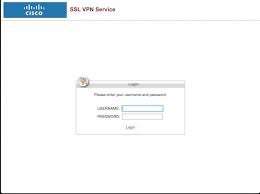
Cisco SSL VPN (Secure Sockets Layer Virtual Private Network) is a powerful technology that enables secure remote access to corporate networks. It provides a secure encrypted connection over the internet, allowing users to access resources and applications from anywhere, at any time.

One of the key advantages of Cisco SSL VPN is its ease of use. With a simple web browser, users can securely log in and access internal resources without the need for additional software installations. This makes it convenient for employees working remotely or on-the-go.

Security is paramount in today’s digital landscape, and Cisco SSL VPN offers robust encryption and authentication mechanisms to protect data in transit. By establishing a secure tunnel between the user’s device and the corporate network, sensitive information remains confidential and shielded from potential threats.

Furthermore, Cisco SSL VPN provides granular access control capabilities, allowing administrators to define policies based on user roles or device types. This ensures that only authorised users with the appropriate permissions can access specific resources, enhancing security posture and reducing the risk of data breaches.

Another benefit of Cisco SSL VPN is its scalability. Whether your organisation has a handful of remote users or a large distributed workforce, Cisco’s solution can accommodate varying needs and grow alongside your business requirements. This scalability ensures seamless connectivity for all users without compromising performance or security.

In conclusion, Cisco SSL VPN is a versatile and reliable solution for enabling secure remote access to corporate networks. With its user-friendly interface, robust security features, granular access controls, and scalability, it empowers organisations to embrace flexible work arrangements while maintaining a strong security posture.


Six Essential Tips for Securing Your Cisco SSL VPN: Configuration, Updates, and Best Practices

  1. Ensure your SSL VPN is properly configured with strong encryption protocols to enhance security.
  2. Regularly update your SSL VPN software to patch any vulnerabilities and ensure optimal performance.
  3. Implement multi-factor authentication for an added layer of security when accessing the VPN.
  4. Monitor and log SSL VPN activity to detect any suspicious behaviour or unauthorized access attempts.
  5. Provide thorough training for users on how to securely connect to the SSL VPN and handle sensitive data.
  6. Establish clear policies regarding acceptable use, data protection, and incident response for your SSL VPN.

Ensure your SSL VPN is properly configured with strong encryption protocols to enhance security.

To maximise security when utilising Cisco SSL VPN, it is crucial to ensure that your VPN is configured correctly with robust encryption protocols. By implementing strong encryption standards, such as AES (Advanced Encryption Standard), you can significantly enhance the protection of data transmitted between remote users and the corporate network. This proactive measure not only safeguards sensitive information from potential threats but also reinforces the overall security posture of your organisation’s remote access infrastructure.

Regularly update your SSL VPN software to patch any vulnerabilities and ensure optimal performance.

It is crucial to regularly update your Cisco SSL VPN software to address any potential vulnerabilities and maintain optimal performance. By applying software patches and updates promptly, you can enhance the security of your VPN connection and protect against emerging threats. Additionally, keeping your SSL VPN software up to date ensures that you benefit from the latest features, improvements, and bug fixes provided by Cisco, helping to streamline operations and maintain a reliable remote access solution for your organisation.

Implement multi-factor authentication for an added layer of security when accessing the VPN.

Implementing multi-factor authentication (MFA) is a highly recommended tip for enhancing security when utilising Cisco SSL VPN. By requiring users to provide multiple forms of verification, such as a password and a unique code sent to their mobile device, MFA adds an extra layer of protection against unauthorised access. This additional security measure significantly reduces the risk of cyber threats and ensures that only authenticated users with the correct credentials can access the VPN, thereby safeguarding sensitive data and bolstering overall network security.

Monitor and log SSL VPN activity to detect any suspicious behaviour or unauthorized access attempts.

Monitoring and logging SSL VPN activity is a crucial tip in maintaining the security of a Cisco SSL VPN implementation. By actively tracking and recording user interactions, administrators can swiftly detect any anomalous behaviour or unauthorised access attempts within the network. This proactive approach allows for timely intervention and mitigation of potential security threats, ensuring the integrity and confidentiality of sensitive data transmitted through the VPN connection. Regularly reviewing these logs can provide valuable insights into network activity, enabling organisations to stay vigilant and respond effectively to any suspicious incidents that may compromise the security of their infrastructure.

Provide thorough training for users on how to securely connect to the SSL VPN and handle sensitive data.

It is crucial to provide comprehensive training for users on securely connecting to the Cisco SSL VPN and handling sensitive data. By educating users on best practices, such as creating strong passwords, recognising phishing attempts, and safeguarding confidential information, organisations can enhance security awareness and mitigate potential risks. Training sessions should cover topics like secure login procedures, data encryption protocols, and the importance of adhering to company policies when accessing resources via the SSL VPN. Empowering users with the knowledge and skills to navigate the VPN securely not only protects sensitive data but also strengthens the overall cybersecurity posture of the organisation.

Establish clear policies regarding acceptable use, data protection, and incident response for your SSL VPN.

To maximise the effectiveness of your Cisco SSL VPN deployment, it is crucial to establish clear policies regarding acceptable use, data protection, and incident response. By defining guidelines on how employees should utilise the SSL VPN, outlining measures to safeguard sensitive data during remote access, and detailing procedures for responding to security incidents, organisations can ensure a secure and compliant remote access environment. These policies not only help mitigate risks but also promote a culture of security awareness among users, reinforcing the overall integrity of the network infrastructure.

The Importance of Company VPN for Secure Remote Access

The Importance of Company VPN for Secure Remote Access

In today’s digital age, where remote work is becoming increasingly common, the use of a Virtual Private Network (VPN) by companies has become essential for ensuring secure remote access to corporate networks.

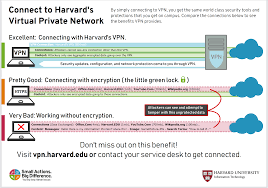
A company VPN establishes a secure and encrypted connection between an employee’s device and the company’s internal network. This encryption helps protect sensitive data from being intercepted by cybercriminals or malicious actors while in transit over the internet.

One of the key benefits of using a company VPN is that it allows employees to access company resources securely from anywhere in the world. Whether working from home, on a business trip, or in a public place with unsecured Wi-Fi, employees can connect to the company network with confidence, knowing that their data is protected.

Furthermore, a company VPN helps maintain privacy and confidentiality by masking the user’s IP address and location. This added layer of anonymity ensures that sensitive business communications and information remain private and secure.

From a cybersecurity perspective, implementing a company VPN can help prevent data breaches and cyberattacks. By encrypting data transmissions and securing connections, VPNs reduce the risk of unauthorised access to confidential company information.

Overall, investing in a reliable company VPN is crucial for safeguarding sensitive data, protecting against cyber threats, and enabling secure remote access for employees. As remote work continues to grow in popularity, companies must prioritise cybersecurity measures such as VPNs to ensure the integrity of their networks and data.


“Understanding the Basics of a Company VPN”

“Selecting the Best VPN Solution for Your Business Needs”

4. “Evaluating Whether a VPN is Necessary for Your

  1. Can VPN be tracked by company?
  2. What is company VPN?
  3. Which VPN is best for company?
  4. Should my company use a VPN?

Can VPN be tracked by company?

When it comes to the question of whether a VPN can be tracked by a company, it’s important to understand that while a VPN provides encryption and anonymity for users, the network administrator of a company may still have the ability to monitor VPN usage within their network. Companies often implement monitoring tools and policies to ensure compliance with security protocols and to prevent misuse of resources. Therefore, it is advisable for employees to adhere to company guidelines regarding VPN usage and be aware that their activity may be subject to monitoring by the company’s IT department. Transparency and communication between employees and employers regarding VPN usage can help maintain a secure and productive work environment.

What is company VPN?

A company VPN, short for Virtual Private Network, is a secure and encrypted connection that allows employees to access their company’s internal network remotely. This technology enables users to connect to the corporate network from various locations while ensuring that data transmitted over the internet remains protected from potential cyber threats. By utilising a company VPN, employees can securely access company resources, such as files, applications, and databases, with the assurance that their connections are private and encrypted. This added layer of security helps safeguard sensitive information and maintains the integrity of corporate communications in an increasingly remote work environment.

Which VPN is best for company?

When considering which VPN is best for a company, it is essential to evaluate several factors to determine the most suitable option. The ideal VPN for a company should offer robust security features, such as encryption protocols and secure tunneling, to protect sensitive data during remote access. Additionally, scalability, reliability, and ease of management are crucial considerations to ensure seamless integration with existing IT infrastructure and efficient deployment across the organisation. It is advisable to choose a reputable VPN provider with a proven track record in serving enterprise clients and offering dedicated support services tailored to corporate needs. Conducting thorough research and consulting with IT professionals can help identify the best VPN solution that aligns with the company’s security requirements and operational objectives.

Should my company use a VPN?

When considering whether your company should use a VPN, it is important to weigh the benefits of enhanced security and privacy against the potential risks of operating without one. A company VPN offers a secure and encrypted connection for remote access to corporate networks, protecting sensitive data from cyber threats. By implementing a VPN, your company can ensure that employees can securely access company resources from anywhere, maintaining confidentiality and reducing the risk of data breaches. In today’s digital landscape where remote work is prevalent, using a VPN is a proactive measure to safeguard your company’s information and maintain a secure network environment.

The Impact of Online Advertising: A Closer Look at Ads

Advertising has been a fundamental aspect of marketing for centuries, but with the rise of the internet, ads have taken on a whole new level of significance. Online advertising, commonly referred to as ads, has become a powerful tool for businesses to reach their target audiences and promote their products or services. In this digital age, ads play a crucial role in shaping consumer behaviour and driving revenue for companies across the globe.

The Evolution of Ads

Gone are the days of traditional print and broadcast advertising as the primary means of reaching consumers. Online advertising has revolutionised the way businesses connect with their customers. With the ability to target specific demographics, track performance metrics in real-time, and personalise content based on user preferences, ads have become more effective and efficient than ever before.

The Power of Targeted Advertising

One of the key advantages of online ads is their ability to target specific audiences with precision. Through data analytics and user profiling, advertisers can tailor their messages to resonate with individuals who are most likely to be interested in their offerings. This targeted approach not only increases the likelihood of conversion but also enhances the overall user experience by delivering relevant content to consumers.

The Challenges of Ad Fraud

While online advertising offers numerous benefits, it also comes with its challenges. Ad fraud, which refers to deceptive practices that aim to generate illegitimate clicks or impressions, remains a significant concern for advertisers. Fraudulent activities such as click farms and bot traffic can distort performance metrics and waste advertising budgets. As a result, advertisers must implement robust strategies to combat ad fraud and ensure that their campaigns are reaching genuine audiences.

The Future of Ads

As technology continues to advance, so too will the landscape of online advertising. Innovations such as artificial intelligence, augmented reality, and interactive ad formats are reshaping the way brands engage with consumers. The future of ads lies in creating immersive experiences that captivate audiences and drive meaningful interactions.

In Conclusion

Ads have become an indispensable tool for businesses looking to promote their products or services in today’s digital world. With targeted advertising capabilities and innovative technologies at their disposal, advertisers have unprecedented opportunities to connect with consumers on a personal level. While challenges such as ad fraud persist, proactive measures can help safeguard the integrity of online advertising campaigns.

Ultimately, ads will continue to play a vital role in shaping consumer perceptions and driving business growth in an increasingly interconnected world.


Seven Essential Tips for Crafting Effective Advertisements: A Guide to Engaging Your Audience and Maximising Impact

  1. 1. Clearly define your target audience to ensure your ads reach the right people.
  2. 2. Use compelling visuals and concise, impactful copy to grab attention quickly.
  3. 3. A/B test different ad variations to determine what resonates best with your audience.
  4. 4. Include a strong call-to-action to encourage viewers to take the next step.
  5. 5. Monitor and analyse ad performance regularly to make data-driven decisions for improvements.
  6. 6. Consider using remarketing strategies to re-engage users who have previously interacted with your ads.
  7. 7. Stay up-to-date with advertising trends and platforms to keep your campaigns fresh and effective.

1. Clearly define your target audience to ensure your ads reach the right people.

To maximise the effectiveness of your advertising campaigns, it is crucial to clearly define your target audience. By understanding the demographics, interests, and behaviours of your ideal customers, you can tailor your ads to resonate with the right people. This targeted approach not only increases the chances of engaging potential customers but also enhances the overall return on investment for your advertising efforts. Defining your target audience ensures that your ads reach those most likely to be interested in your products or services, leading to higher conversion rates and improved campaign performance.

2. Use compelling visuals and concise, impactful copy to grab attention quickly.

When creating online ads, it is essential to utilise compelling visuals and concise, impactful copy to capture the audience’s attention swiftly. Engaging imagery paired with succinct and powerful messaging can make a significant difference in attracting viewers and conveying your message effectively. By combining visually appealing elements with compelling language, advertisers can create a memorable and engaging experience that resonates with their target audience, ultimately driving higher engagement and conversion rates.

3. A/B test different ad variations to determine what resonates best with your audience.

A/B testing different ad variations is a valuable strategy to identify the most effective messaging that resonates with your target audience. By comparing two or more versions of an ad with subtle differences, such as varying headlines, images, or calls-to-action, you can gather valuable insights into what drives engagement and conversion rates. This data-driven approach allows advertisers to refine their advertising campaigns based on real-time feedback, ultimately optimising their efforts to deliver content that truly connects with their audience.

4. Include a strong call-to-action to encourage viewers to take the next step.

When creating online ads, it is essential to include a strong call-to-action to prompt viewers to take the next step. A compelling call-to-action serves as a clear directive for the audience, encouraging them to engage with the ad further by clicking a link, making a purchase, or signing up for a service. By incorporating a persuasive and actionable message, advertisers can guide viewers towards desired outcomes and maximise the effectiveness of their campaigns.

5. Monitor and analyse ad performance regularly to make data-driven decisions for improvements.

Monitoring and analysing ad performance regularly is a crucial practice for businesses looking to maximise the effectiveness of their online advertising campaigns. By tracking key metrics such as click-through rates, conversion rates, and return on investment, advertisers can gain valuable insights into the success of their ads and identify areas for improvement. Making data-driven decisions based on this analysis allows businesses to refine their targeting strategies, optimise ad creatives, and allocate budget more effectively. Ultimately, regular performance monitoring empowers advertisers to enhance the overall impact of their ads and achieve better results in reaching their target audience.

6. Consider using remarketing strategies to re-engage users who have previously interacted with your ads.

Consider incorporating remarketing strategies into your advertising campaigns to reconnect with users who have previously engaged with your ads. By targeting this audience segment, you can reinforce your brand message, nurture leads, and encourage conversions. Remarketing allows you to stay top of mind with potential customers and provide them with tailored content based on their past interactions, increasing the likelihood of driving valuable actions. This approach can enhance the effectiveness of your ad campaigns and maximise the return on your advertising investment.

Staying up-to-date with advertising trends and platforms is crucial for maintaining the freshness and effectiveness of your campaigns. By remaining informed about the latest developments in the advertising landscape, you can adapt your strategies to resonate with evolving consumer preferences and behaviours. Whether it’s leveraging new social media platforms, exploring innovative ad formats, or incorporating data-driven insights, staying current with trends ensures that your campaigns remain relevant and impactful in reaching your target audience.

The Role of VPN in Network Security

Virtual Private Networks (VPNs) play a crucial role in enhancing network security for individuals and organisations alike. In today’s digital age, where cyber threats are prevalent, implementing a VPN is considered a fundamental measure to safeguard sensitive data and ensure secure communication over the internet.

What is a VPN?

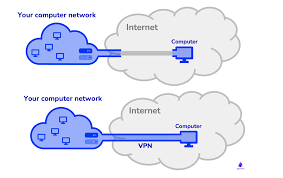
A VPN creates a secure and encrypted connection between a user’s device and the internet. By routing your internet traffic through an encrypted tunnel, VPNs protect your data from potential eavesdroppers, hackers, or other malicious entities who may be trying to intercept it.

Enhanced Privacy and Anonymity

One of the primary benefits of using a VPN is the enhanced privacy and anonymity it provides. By masking your IP address and encrypting your online activities, VPNs prevent third parties from tracking your browsing behaviour or identifying your physical location. This is particularly important when accessing public Wi-Fi networks or when travelling abroad.

Securing Remote Access

For businesses with remote employees or multiple office locations, VPNs offer a secure way to connect to the corporate network from any location. Through encrypted connections, employees can access company resources, files, and applications without compromising sensitive information. This ensures that data transmitted between remote devices and the corporate network remains protected from potential cyber threats.

Bypassing Geographical Restrictions

VPNs also enable users to bypass geographical restrictions imposed by content providers or governments. By connecting to servers in different locations around the world, users can access region-locked content such as streaming services or websites that may be restricted in their own country.

Choosing the Right VPN

When selecting a VPN provider, it is essential to consider factors such as encryption protocols used, server locations available, logging policies, and speed performance. Opting for reputable VPN services with strong encryption standards and a strict no-logs policy can help ensure maximum security and privacy for your online activities.

In Conclusion

In conclusion, VPNs are invaluable tools for enhancing network security by encrypting data transmissions, protecting privacy, securing remote access, and bypassing geographical restrictions. Whether you are an individual looking to safeguard personal information or a business aiming to secure sensitive data transmissions, incorporating a VPN into your network security strategy is essential in today’s interconnected digital landscape.


Understanding VPNs in Network Security: Definitions, Examples, Applications, and Security Benefits

  1. What’s VPN mean?
  2. What is VPN and example?
  3. Why do we use VPN?
  4. What is VPN use for security?

What’s VPN mean?

Virtual Private Network (VPN) is a technology that establishes a secure and encrypted connection between a user’s device and the internet. By creating a private tunnel through which data is transmitted, VPNs ensure that sensitive information remains protected from potential threats such as hackers or eavesdroppers. Essentially, VPNs serve as a shield for online activities, safeguarding privacy, enhancing security, and providing anonymity by masking the user’s IP address. In essence, VPNs play a critical role in network security by ensuring secure communication over public networks and offering users peace of mind when accessing the internet.

What is VPN and example?

A VPN, or Virtual Private Network, is a technology that creates a secure and encrypted connection over the internet, allowing users to protect their data and online activities from potential threats. An example of a VPN in action would be a remote worker accessing their company’s internal network securely from a public Wi-Fi hotspot. By using a VPN, all data transmitted between the remote worker’s device and the corporate network is encrypted, ensuring that sensitive information remains secure even when connected to untrusted networks. VPNs are essential tools for enhancing network security and ensuring privacy in an increasingly interconnected digital environment.

Why do we use VPN?

The use of Virtual Private Networks (VPNs) in network security is essential for several reasons. VPNs provide a secure and encrypted connection that protects sensitive data from potential threats such as hackers, eavesdroppers, and cybercriminals. By masking IP addresses and encrypting online activities, VPNs enhance privacy and anonymity, ensuring that users can browse the internet securely without the risk of their data being intercepted. Additionally, VPNs enable secure remote access to corporate networks for employees working from various locations, safeguarding data transmissions and maintaining confidentiality. Overall, the primary purpose of using VPNs is to establish a secure communication channel that protects information integrity and confidentiality in an increasingly interconnected digital environment.

What is VPN use for security?

Virtual Private Networks (VPNs) are utilised for security purposes to establish a secure and encrypted connection between a user’s device and the internet. By creating a virtual tunnel that encrypts data traffic, VPNs protect sensitive information from potential threats, such as hackers or eavesdroppers, ensuring that data remains confidential and secure during transmission. VPNs play a crucial role in safeguarding privacy, anonymising online activities, securing remote access to corporate networks, and bypassing geographical restrictions, making them an essential tool for enhancing network security in today’s digital landscape.

Article: AD Solutions

The Importance of Active Directory Solutions in Modern IT Environments

In today’s digital age, businesses rely heavily on their IT infrastructure to operate efficiently and securely. One crucial component of this infrastructure is Active Directory (AD), a directory service developed by Microsoft for Windows domain networks. AD plays a central role in managing user accounts, permissions, and access to network resources.

As organisations grow and evolve, the complexity of managing AD also increases. This is where AD solutions come into play. These solutions are designed to streamline the management of AD environments, enhance security, and improve overall operational efficiency.

Key Benefits of AD Solutions:

  • Centralised Management: AD solutions provide a centralised platform for managing user accounts, groups, and resources across the network. This simplifies administrative tasks and ensures consistency in user permissions.
  • Security Enhancements: By implementing AD solutions, organisations can enforce security policies, monitor user activities, and detect potential security threats in real-time. This proactive approach helps prevent data breaches and unauthorised access.
  • Auditing and Compliance: AD solutions offer auditing capabilities that track changes made to the directory service, providing a detailed audit trail for compliance purposes. This is essential for meeting regulatory requirements and internal security policies.
  • Automation and Scalability: With automation features built into AD solutions, routine tasks such as user provisioning and deprovisioning can be automated, saving time and reducing human errors. Additionally, these solutions are scalable to accommodate the growing needs of an organisation.

Choosing the Right AD Solution:

When selecting an AD solution for your organisation, it’s essential to consider factors such as scalability, integration capabilities with existing systems, ease of use, security features, and vendor support. Conducting a thorough evaluation of your requirements will help you choose a solution that aligns with your business goals and IT strategy.

In conclusion, investing in AD solutions is crucial for maintaining a secure and well-managed IT environment. By leveraging these tools effectively, organisations can streamline operations, strengthen security posture, and ensure compliance with industry regulations.


Seven Key Strategies for Enhancing Your Advertising Campaigns: A Guide to Targeted and Effective Ad Solutions

  1. Understand your target audience to create relevant ads
  2. Use compelling visuals and concise copy to grab attention
  3. Test different ad formats to see what works best for your campaign
  4. Monitor and analyse ad performance regularly to make data-driven decisions
  5. Consider using retargeting strategies to reach users who have shown interest in your products or services
  6. Optimise your landing pages to ensure a seamless user experience from ad click to conversion
  7. Stay updated on industry trends and changes in advertising platforms for better results

Understand your target audience to create relevant ads

Understanding your target audience is a fundamental aspect of creating effective ad solutions. By gaining insights into the demographics, interests, and behaviour of your audience, you can tailor your ads to resonate with their preferences and needs. This targeted approach increases the likelihood of capturing their attention and driving engagement. By crafting relevant ads that speak directly to your audience, you can enhance the effectiveness of your advertising campaigns and ultimately achieve better results in reaching and converting potential customers.

Use compelling visuals and concise copy to grab attention

In the realm of Active Directory solutions, employing captivating visuals alongside concise copy can be a game-changer in capturing the audience’s attention. Visual elements such as infographics, diagrams, and charts not only enhance the aesthetic appeal of your content but also aid in conveying complex information quickly and effectively. When paired with succinct and impactful copy, these visuals can create a powerful narrative that resonates with viewers, driving engagement and facilitating a deeper understanding of the benefits of AD solutions. By harnessing the power of compelling visuals and concise messaging, organisations can effectively communicate their value proposition and differentiate themselves in a crowded marketplace.

Test different ad formats to see what works best for your campaign

When implementing ad solutions, it is advisable to experiment with various ad formats to determine the most effective approach for your campaign. Testing different formats allows you to gauge audience response, engagement levels, and conversion rates, helping you identify the formats that resonate best with your target demographic. By conducting such tests, you can refine your advertising strategy and optimise your campaign for maximum impact and return on investment.

Monitor and analyse ad performance regularly to make data-driven decisions

Monitoring and analysing Active Directory (AD) performance regularly is a crucial tip for organisations seeking to make data-driven decisions. By keeping a close eye on how AD is functioning, including user authentication, access controls, and resource usage, businesses can gather valuable insights into the efficiency and security of their IT environment. This proactive approach allows for the identification of potential issues or bottlenecks before they escalate, enabling informed decision-making based on real-time data analysis. Regular performance monitoring not only enhances the overall stability of AD but also empowers organisations to optimise their systems and processes for maximum productivity and security.

Consider using retargeting strategies to reach users who have shown interest in your products or services

When implementing AD solutions, it is advisable to consider employing retargeting strategies to engage with users who have previously demonstrated interest in your products or services. By utilising retargeting techniques, such as displaying targeted ads to users who have visited your website or interacted with your content, you can effectively re-engage with potential customers and encourage them to convert. This personalised approach can help enhance brand visibility, drive conversions, and maximise the effectiveness of your advertising campaigns within the Active Directory environment.

Optimise your landing pages to ensure a seamless user experience from ad click to conversion

To maximise the effectiveness of your ad campaigns, it is essential to optimise your landing pages for a seamless user experience. By aligning the content and design of your landing pages with the ad messaging, you can create a cohesive journey for users from ad click to conversion. Ensuring that landing pages load quickly, are mobile-responsive, and feature clear calls-to-action can significantly improve user engagement and conversion rates. Remember, a well-optimised landing page not only enhances user experience but also reinforces the credibility of your brand and increases the likelihood of converting ad clicks into valuable actions.

To maximise the effectiveness of your AD solutions, it is essential to stay informed about industry trends and advancements in advertising platforms. By keeping abreast of the latest developments, you can adapt your strategies to align with emerging technologies and best practices. This proactive approach not only enhances the performance of your AD campaigns but also ensures that you remain competitive in a dynamic digital landscape. Stay updated to achieve better results and drive success in your advertising efforts.