Unlocking Efficiency and Success with Management Services

Unlocking Efficiency and Success with Management Services

In today’s fast-paced business world, organisations are constantly seeking ways to streamline operations, enhance productivity, and drive growth. This is where management services play a crucial role in helping businesses achieve their goals efficiently and effectively.

What Are Management Services?

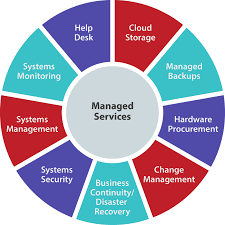
Management services encompass a wide range of professional services designed to assist businesses in managing various aspects of their operations. These services can include project management, human resources management, financial management, IT management, and more. By outsourcing these functions to experts in the field, organisations can focus on their core competencies while benefiting from specialised knowledge and experience.

The Benefits of Management Services

One of the key advantages of utilising management services is the access to specialised expertise. Service providers bring a wealth of knowledge and skills to the table, enabling businesses to leverage best practices and industry insights for optimal performance. Additionally, management services can help improve efficiency by streamlining processes, reducing costs, and enhancing overall operational effectiveness.

Types of Management Services

There are various types of management services available to cater to different business needs:

  • Project Management: Ensuring projects are completed on time, within budget, and according to specifications.
  • Human Resources Management: Handling recruitment, training, performance evaluation, and employee relations.
  • Financial Management: Managing financial planning, budgeting, accounting, and reporting.
  • IT Management: Overseeing IT infrastructure, security measures, software development, and system maintenance.
  • Operations Management: Optimising day-to-day operations for maximum efficiency and productivity.

The Future of Management Services

As technology continues to advance and business landscapes evolve rapidly, the demand for innovative management services is also on the rise. Companies are increasingly turning to service providers that offer cutting-edge solutions tailored to their specific needs. The future of management services lies in harnessing data analytics, automation technologies, and AI-driven insights to drive smarter decision-making and deliver unparalleled results.

In conclusion, management services play a vital role in helping businesses navigate complex challenges and achieve sustainable growth. By embracing these services as strategic partners in their journey towards success, organisations can unlock new opportunities for innovation, efficiency gains, and competitive advantage in today’s dynamic market environment.


8 Essential Tips for Effective Management Services

  1. Establish clear goals and objectives for the team.
  2. Communicate effectively with team members to ensure understanding and alignment.
  3. Delegate tasks appropriately to empower team members and improve efficiency.
  4. Provide regular feedback and recognition to motivate and engage employees.
  5. Develop strong leadership skills to guide and support your team effectively.
  6. Encourage collaboration and teamwork among team members to enhance productivity.
  7. Stay organized and prioritize tasks to meet deadlines and achieve goals efficiently.
  8. Continuously seek opportunities for learning and improvement in management practices.

Establish clear goals and objectives for the team.

To maximise the effectiveness of management services, it is essential to establish clear goals and objectives for the team. By defining specific targets and outlining a strategic direction, teams can align their efforts towards a common purpose, fostering collaboration and enhancing productivity. Clear goals provide a roadmap for success, guiding decision-making processes and ensuring that everyone is working towards the same end goal. Additionally, well-defined objectives enable teams to measure progress, identify areas for improvement, and celebrate achievements along the way. Ultimately, setting clear goals and objectives is key to driving performance, motivation, and success within any management service framework.

Communicate effectively with team members to ensure understanding and alignment.

Effective communication with team members is essential when utilising management services to ensure understanding and alignment. Clear and concise communication fosters collaboration, prevents misunderstandings, and promotes a shared vision among team members. By maintaining open lines of communication, managers can keep their teams informed, engaged, and motivated towards common goals. This proactive approach not only enhances productivity but also strengthens relationships within the team, leading to improved performance and overall success in leveraging management services effectively.

Delegate tasks appropriately to empower team members and improve efficiency.

Effective delegation is a cornerstone of successful management services. By assigning tasks to team members based on their skills and capabilities, managers can empower their employees to take ownership of their work and contribute meaningfully to the team’s goals. Delegating tasks appropriately not only improves efficiency by distributing workload effectively but also fosters a sense of trust and accountability within the team. This approach allows team members to develop new skills, gain valuable experience, and ultimately enhances overall productivity and performance in the workplace.

Provide regular feedback and recognition to motivate and engage employees.

Providing regular feedback and recognition to employees is a fundamental tip in effective management services. By acknowledging and appreciating the efforts and achievements of team members, managers can boost morale, motivation, and engagement within the workforce. Constructive feedback helps employees understand their strengths and areas for improvement, fostering a culture of continuous learning and growth. Recognition for a job well done not only reinforces positive behaviour but also instils a sense of value and belonging, ultimately leading to increased productivity and job satisfaction among employees.

Develop strong leadership skills to guide and support your team effectively.

Developing strong leadership skills is paramount when it comes to effectively guiding and supporting your team within the realm of management services. A skilled leader not only sets a clear vision and direction for the team but also inspires and motivates members to achieve their best performance. By fostering open communication, providing mentorship, and leading by example, a strong leader can cultivate a positive work culture that encourages collaboration, innovation, and continuous growth. Ultimately, mastering leadership skills is essential for maximising team productivity, enhancing employee satisfaction, and driving overall success in the management services domain.

Encourage collaboration and teamwork among team members to enhance productivity.

Encouraging collaboration and fostering teamwork among team members is a fundamental tip in maximising productivity through management services. By promoting a culture of cooperation and shared goals, organisations can harness the collective strengths and expertise of their workforce to drive innovation, efficiency, and overall performance. Effective collaboration not only improves communication and problem-solving but also cultivates a sense of unity and mutual support within the team, leading to increased motivation and success in achieving common objectives.

Stay organized and prioritize tasks to meet deadlines and achieve goals efficiently.

To maximise the effectiveness of management services, it is essential to maintain a high level of organisation and prioritisation. By staying organised and strategically prioritising tasks, businesses can ensure that deadlines are met consistently and goals are achieved efficiently. This approach not only helps in managing resources effectively but also enables teams to focus on critical objectives, leading to improved productivity and overall success in the long run.

Continuously seek opportunities for learning and improvement in management practices.

In the realm of management services, a valuable tip to uphold is the commitment to continuously seek opportunities for learning and improvement in management practices. By fostering a culture of ongoing education and development, organisations can stay ahead of industry trends, adapt to changing landscapes, and enhance their operational efficiency. Embracing a mindset of continuous improvement not only empowers managers to refine their skills and knowledge but also fosters innovation and resilience within the organisation. This proactive approach ensures that management practices remain relevant, effective, and aligned with the evolving needs of the business environment.


The Importance of a Comprehensive Management Program

The Importance of a Comprehensive Management Program

In today’s fast-paced and complex business environment, the role of effective management cannot be overstated. A well-designed management program is essential for organisations to achieve their goals, maximise efficiency, and adapt to changing circumstances.

Key Components of a Management Program

A comprehensive management program typically includes elements such as:

  • Strategic Planning: Setting clear goals and objectives for the organisation.
  • Organisational Structure: Defining roles, responsibilities, and reporting relationships.
  • Resource Allocation: Managing financial and human resources effectively.
  • Performance Monitoring: Tracking progress towards goals and making adjustments as needed.
  • Risk Management: Identifying potential risks and developing strategies to mitigate them.
  • Communication: Ensuring clear and open communication channels within the organisation.

The Benefits of a Management Program

An effective management program brings numerous benefits to an organisation, including:

  • Improved Efficiency: Clear processes and accountability lead to increased productivity.
  • Better Decision-Making: Data-driven insights help managers make informed decisions.
  • Enhanced Employee Engagement: Clearly defined roles and goals boost employee morale and motivation.
  • Risk Mitigation: Proactive risk management minimises potential threats to the organisation.
  • Growth Opportunities: Strategic planning paves the way for sustainable growth and expansion.

In Conclusion

A well-crafted management program is a cornerstone of organisational success. By implementing robust management practices, businesses can navigate challenges, seize opportunities, and achieve long-term sustainability. Investing in a comprehensive management program is an investment in the future success of your organisation.


8 Essential Tips for Effective Management Programme Success

  1. Clearly define goals and objectives for the program.
  2. Communicate effectively with all stakeholders involved.
  3. Delegate tasks and responsibilities appropriately.
  4. Provide necessary training and support to team members.
  5. Monitor progress regularly and make adjustments as needed.
  6. Encourage collaboration and teamwork among participants.
  7. Celebrate achievements and milestones to boost morale.
  8. Seek feedback from participants for continuous improvement.

Clearly define goals and objectives for the program.

It is crucial to clearly define goals and objectives for a management program to ensure its effectiveness and success. By establishing specific and measurable targets, organisations can provide a clear direction for their teams, align efforts towards common outcomes, and track progress accurately. Clear goals help in prioritising tasks, making informed decisions, and fostering accountability among team members. When goals and objectives are well-defined, it becomes easier to evaluate the program’s performance, identify areas for improvement, and celebrate achievements along the way. Clarity in defining goals is key to driving motivation, focus, and overall success in implementing a management program.

Communicate effectively with all stakeholders involved.

Effective communication with all stakeholders involved is a crucial tip for a successful management program. Clear and open communication ensures that everyone is aligned with the organisation’s goals, understands their roles and responsibilities, and stays informed about key developments. By fostering transparent communication channels, managers can build trust, resolve conflicts efficiently, and create a collaborative environment where ideas can be shared openly. Engaging with stakeholders through effective communication not only enhances decision-making processes but also strengthens relationships and promotes a culture of accountability within the organisation.

Delegate tasks and responsibilities appropriately.

Effective delegation is a crucial aspect of a successful management program. By delegating tasks and responsibilities appropriately, managers can empower their team members, promote skill development, and improve overall efficiency. Delegating allows managers to focus on strategic priorities while ensuring that work is distributed effectively among team members based on their strengths and expertise. Clear communication and setting expectations are key to successful delegation, enabling team members to take ownership of their tasks and contribute to the organisation’s success.

Provide necessary training and support to team members.

It is crucial for a successful management program to provide necessary training and support to team members. By investing in continuous learning opportunities and offering the right resources, organisations empower their employees to develop new skills, enhance their performance, and contribute effectively to the team’s goals. Adequate training not only boosts individual capabilities but also fosters a culture of growth and innovation within the workforce. Additionally, offering ongoing support ensures that team members feel valued, motivated, and equipped to tackle challenges with confidence.

Monitor progress regularly and make adjustments as needed.

Monitoring progress regularly and making necessary adjustments is a fundamental tip in effective management programs. By keeping a close eye on the progress of projects, tasks, and goals, managers can identify potential issues early on and take corrective actions promptly. This proactive approach not only ensures that objectives are met efficiently but also allows for adaptability in the face of changing circumstances. Regular monitoring and adjustment are key elements in maintaining momentum towards success and fostering a culture of continuous improvement within an organisation.

Encourage collaboration and teamwork among participants.

Encouraging collaboration and teamwork among participants is a key tip in a successful management program. By fostering a culture of collaboration, organisations can harness the diverse skills and perspectives of their team members to achieve common goals more effectively. When individuals work together towards a shared objective, they not only enhance productivity but also cultivate a sense of unity and mutual support within the team. Collaboration promotes innovation, creativity, and problem-solving capabilities, ultimately leading to improved outcomes and overall success in the management program.

Celebrate achievements and milestones to boost morale.

Recognising and celebrating achievements and milestones within a management program is a powerful tool to boost morale and motivation among team members. By acknowledging the hard work and successes of individuals or the team as a whole, managers can create a positive work environment that fosters a sense of accomplishment and appreciation. Celebrating milestones not only reinforces the value of the team’s efforts but also encourages continued dedication and engagement towards achieving future goals. This practice not only boosts morale but also strengthens team cohesion, ultimately contributing to the overall success of the organisation.

Seek feedback from participants for continuous improvement.

Seeking feedback from participants is a crucial aspect of a successful management program. By actively listening to the insights and suggestions provided by those involved, organisations can identify areas for improvement and implement necessary changes to enhance the effectiveness of their management strategies. Continuous feedback not only fosters a culture of open communication and collaboration but also demonstrates a commitment to ongoing improvement and development within the organisation. Embracing feedback from participants ensures that the management program remains responsive to evolving needs and challenges, ultimately leading to better outcomes and increased overall success.

Article: Managing

The Art of Managing: Key Principles for Success

Effective management is crucial in any organisation, regardless of its size or industry. The ability to lead, organise, and motivate a team towards a common goal is a skill that can make or break a business. Here are some key principles to keep in mind when it comes to managing:

Clear Communication

Communication is the cornerstone of good management. Clearly articulating goals, expectations, and feedback to your team members fosters understanding and alignment. Encourage open dialogue and active listening to ensure that everyone is on the same page.

Delegation

Effective managers understand the importance of delegation. Trusting your team members with tasks that match their skills and providing them with the necessary resources empowers them to take ownership and excel in their roles. Delegating responsibilities also frees up time for you to focus on strategic decision-making.

Time Management

Prioritising tasks, setting deadlines, and managing your time efficiently are essential aspects of effective management. By staying organised and focused on high-priority activities, you can maximise productivity and ensure that projects are completed on time.

Adaptability

In today’s fast-paced business environment, adaptability is key to successful management. Being able to respond quickly to changes in market conditions, technology advancements, or internal dynamics is crucial for staying ahead of the curve. Embrace innovation and encourage a culture of continuous improvement.

Team Development

A strong manager invests in the development of their team members. Providing opportunities for training, mentorship, and career growth not only enhances individual performance but also contributes to overall team success. Recognise achievements and offer constructive feedback to foster a culture of learning and development.

In conclusion, effective management requires a combination of leadership skills, strategic thinking, and people management abilities. By embodying these key principles – clear communication, delegation, time management, adaptability, and team development – you can cultivate a high-performing team that drives success for your organisation.


Essential Tips for Effective Management: Enhancing Team Performance and Well-being

  1. Set clear goals and priorities
  2. Communicate effectively with your team
  3. Delegate tasks appropriately
  4. Provide constructive feedback
  5. Encourage teamwork and collaboration
  6. Adapt to changes in the work environment
  7. Take care of your own well-being

Set clear goals and priorities

Setting clear goals and priorities is a fundamental aspect of effective management. By defining specific objectives and outlining key priorities, managers provide their team with a clear direction and focus. Clear goals help align individual efforts towards a common purpose, while established priorities ensure that resources are allocated efficiently to achieve desired outcomes. When everyone understands what needs to be accomplished and the order of importance, productivity increases, decision-making becomes more streamlined, and progress can be measured effectively. Clarity in goals and priorities not only enhances team performance but also contributes to overall organisational success.

Communicate effectively with your team

Effective communication is a fundamental aspect of successful management. By ensuring clear and open lines of communication with your team, you can provide guidance, set expectations, and address any issues promptly. Encouraging feedback and active listening fosters a collaborative environment where ideas can be shared and understood. Effective communication not only helps in aligning everyone towards common goals but also boosts morale and productivity within the team.

Delegate tasks appropriately

Delegating tasks appropriately is a fundamental aspect of effective management. By assigning responsibilities to team members based on their skills and strengths, managers not only empower their employees but also enhance overall productivity. Delegation allows individuals to take ownership of their work, fostering a sense of accountability and motivation. It also frees up valuable time for managers to focus on strategic decision-making and high-priority tasks. When done correctly, delegation can lead to a more efficient and cohesive team dynamic, ultimately driving success within the organisation.

Provide constructive feedback

Providing constructive feedback is a fundamental aspect of effective management. When offering feedback to team members, it is essential to focus on specific behaviours or actions, highlighting both strengths and areas for improvement. Constructive feedback should be delivered in a supportive and encouraging manner, with the aim of helping individuals grow and develop professionally. By offering actionable suggestions for enhancement and recognising achievements, managers can foster a culture of continuous learning and improvement within their teams.

Encourage teamwork and collaboration

Encouraging teamwork and collaboration is a fundamental tip in effective management. By fostering a culture where team members work together towards common goals, managers can harness the collective skills and expertise of their employees. Teamwork not only promotes creativity and innovation but also enhances communication and trust within the team. Collaboration allows individuals to leverage each other’s strengths, leading to improved problem-solving and overall performance. Emphasising teamwork creates a supportive work environment where everyone feels valued and motivated to contribute their best towards shared objectives.

Adapt to changes in the work environment

Adapting to changes in the work environment is a critical skill for effective management. In today’s dynamic business landscape, being flexible and responsive to shifts in technology, market trends, and organisational needs is essential for success. Managers who embrace change with a proactive mindset can lead their teams through transitions smoothly and seize new opportunities for growth. By fostering a culture of adaptability within the team, managers can instil resilience and innovation, ensuring that the organisation remains competitive and agile in the face of evolving challenges.

Take care of your own well-being

Taking care of your own well-being is a crucial aspect of effective management. As a manager, prioritising self-care ensures that you are equipped to handle the demands of leadership with clarity and resilience. By maintaining a healthy work-life balance, practising self-care routines, and seeking support when needed, you not only safeguard your physical and mental health but also set a positive example for your team. Remember, investing in your well-being is not only beneficial for yourself but also enhances your ability to lead and inspire others towards success.

The Role of an Auditor in Ensuring Financial Integrity

The Role of an Auditor in Ensuring Financial Integrity

When it comes to maintaining the financial integrity of businesses and organisations, auditors play a crucial role. An auditor is a professional who is responsible for examining and verifying financial records to ensure accuracy, compliance with regulations, and the prevention of fraud.

One of the primary functions of an auditor is to conduct audits, which involve reviewing financial statements, accounts, and internal controls of an entity. By performing these audits, auditors can provide assurance to stakeholders that the financial information presented is reliable and free from material misstatements.

Auditors also play a significant role in detecting and preventing fraud within an organisation. Through their detailed examination of financial records and transactions, auditors can identify irregularities or inconsistencies that may indicate fraudulent activities. By uncovering such issues, auditors help safeguard the assets and reputation of the business.

Furthermore, auditors are essential in ensuring compliance with relevant laws and regulations governing financial reporting. They help organisations adhere to accounting standards and regulatory requirements, thereby promoting transparency and accountability in financial practices.

In addition to their auditing responsibilities, auditors often provide valuable insights and recommendations to improve internal controls and operational efficiencies. By offering expert advice based on their audit findings, auditors enable businesses to enhance their financial management processes and mitigate risks effectively.

In conclusion, auditors play a vital role in upholding the financial integrity of businesses by conducting thorough audits, detecting fraud, ensuring compliance with regulations, and providing valuable recommendations for improvement. Their expertise and diligence contribute significantly to maintaining trust among stakeholders and safeguarding the financial well-being of organisations.


The 9 Key Benefits of Auditors in Ensuring Financial Integrity and Efficiency

  1. Auditors ensure the accuracy and reliability of financial information.
  2. They help detect and prevent fraud within organisations.
  3. Auditors provide assurance to stakeholders regarding financial integrity.
  4. They promote transparency and accountability in financial reporting.
  5. Auditors assist in compliance with laws and regulations governing finances.
  6. They offer valuable recommendations to improve internal controls.
  7. Auditors help businesses enhance operational efficiencies through their expertise.
  8. They play a crucial role in safeguarding assets and reputation from risks.
  9. Auditors contribute to maintaining trust among stakeholders.


Challenges Faced by Auditors in Ensuring Comprehensive and Efficient Audits

  1. Auditors may face challenges in detecting sophisticated forms of fraud that are designed to evade traditional audit procedures.
  2. Audits can be time-consuming and resource-intensive, leading to high costs for organisations, especially smaller businesses.
  3. There is a risk of auditors overlooking certain material misstatements or errors due to limitations in the scope of the audit or human error.
  4. Auditors may encounter resistance from management or staff members who are reluctant to provide full cooperation during the auditing process.

Auditors ensure the accuracy and reliability of financial information.

Auditors play a crucial role in ensuring the accuracy and reliability of financial information within businesses and organisations. By meticulously examining financial records, transactions, and internal controls, auditors provide assurance to stakeholders that the financial information presented is trustworthy and free from material misstatements. Their expertise in identifying discrepancies and inconsistencies helps maintain the integrity of financial reporting, enabling businesses to make informed decisions based on reliable data. Auditors’ dedication to upholding high standards of accuracy not only enhances transparency but also fosters trust among investors, regulators, and other key stakeholders in the financial integrity of an entity.

They help detect and prevent fraud within organisations.

Auditors serve a critical role in organisations by aiding in the detection and prevention of fraud. Through their meticulous examination of financial records and transactions, auditors can uncover irregularities or discrepancies that may indicate fraudulent activities taking place within the organisation. By identifying such red flags early on, auditors help mitigate the risk of financial loss and reputational damage caused by fraudulent behaviour. Their expertise in fraud detection not only safeguards the assets of the business but also reinforces transparency and integrity in financial practices, fostering a culture of trust and accountability within the organisation.

Auditors provide assurance to stakeholders regarding financial integrity.

Auditors serve a crucial role in providing assurance to stakeholders regarding the financial integrity of businesses and organisations. By conducting thorough audits and meticulously examining financial records, auditors offer a level of confidence and transparency that stakeholders rely on. Their expertise in verifying the accuracy of financial information helps instil trust among investors, creditors, and other interested parties, ensuring that the financial statements presented are reliable and free from material misstatements. Ultimately, auditors play a key role in upholding accountability and maintaining the credibility of financial reporting within the business environment.

They promote transparency and accountability in financial reporting.

Auditors serve a crucial role in promoting transparency and accountability in financial reporting. By meticulously examining financial records and transactions, auditors ensure that businesses adhere to accounting standards and regulatory requirements. Through their independent verification processes, auditors provide stakeholders with assurance that the financial information presented is accurate and free from material misstatements. This commitment to upholding transparency not only fosters trust among investors, creditors, and the public but also reinforces the integrity of the financial reporting system as a whole.

Auditors assist in compliance with laws and regulations governing finances.

Auditors play a crucial role in assisting organisations with compliance with laws and regulations that govern finances. By meticulously examining financial records and transactions, auditors ensure that entities adhere to accounting standards and regulatory requirements. Their expertise helps businesses navigate complex legal frameworks, promoting transparency and accountability in financial reporting. Through their thorough assessments, auditors enable organisations to operate within the boundaries of the law, reducing the risk of non-compliance and potential penalties.

They offer valuable recommendations to improve internal controls.

Auditors provide invaluable recommendations to enhance internal controls within organisations. By conducting thorough audits and scrutinising financial records, auditors can identify weaknesses or inefficiencies in existing control systems. Their expert insights and suggestions help businesses strengthen their internal processes, mitigate risks, and ensure compliance with regulations. These recommendations not only improve the overall effectiveness of internal controls but also contribute to enhancing operational efficiency and safeguarding assets against potential threats. Ultimately, the proactive guidance offered by auditors plays a crucial role in optimising organisational performance and promoting financial integrity.

Auditors help businesses enhance operational efficiencies through their expertise.

Auditors play a crucial role in assisting businesses to improve operational efficiencies through their specialised expertise. By thoroughly examining financial records and internal controls, auditors can identify areas where processes can be streamlined, risks mitigated, and resources optimised. Their valuable insights and recommendations enable organisations to implement best practices that enhance productivity and effectiveness across various operational functions. With their keen eye for detail and in-depth understanding of business processes, auditors contribute significantly to driving efficiency improvements that ultimately lead to better performance and profitability for businesses.

They play a crucial role in safeguarding assets and reputation from risks.

Auditors play a critical role in safeguarding assets and reputation from risks by conducting thorough examinations of financial records and internal controls. Through their meticulous analysis, auditors can identify potential vulnerabilities and irregularities that may pose risks to an organisation’s assets or reputation. By detecting and addressing these risks proactively, auditors help businesses protect their valuable resources and maintain a positive image in the eyes of stakeholders. Their expertise in risk assessment and mitigation ensures that companies can navigate challenges effectively and uphold their financial integrity with confidence.

Auditors contribute to maintaining trust among stakeholders.

Auditors play a crucial role in maintaining trust among stakeholders by providing independent and objective assessments of an organisation’s financial information. Through their thorough audits and evaluations, auditors help ensure the accuracy and reliability of financial reports, giving stakeholders confidence in the transparency and integrity of the business operations. By verifying that financial statements are free from material misstatements and fraud, auditors help build credibility and trust with investors, creditors, regulators, and other key stakeholders. Their commitment to upholding ethical standards and delivering reliable audit results is essential in fostering trust and confidence in the financial health of an organisation.

Auditors may face challenges in detecting sophisticated forms of fraud that are designed to evade traditional audit procedures.

Auditors may encounter difficulties in identifying intricate forms of fraud that are specifically crafted to circumvent conventional audit methods. As fraudulent activities evolve and become more sophisticated, auditors may struggle to detect these intricate schemes using traditional auditing procedures. Such challenges highlight the need for auditors to continually enhance their skills, adopt advanced technological tools, and remain vigilant in order to effectively uncover and address complex fraudulent practices that pose a threat to the financial integrity of organisations.

Audits can be time-consuming and resource-intensive, leading to high costs for organisations, especially smaller businesses.

Audits, while crucial for ensuring financial integrity and compliance, can present a significant challenge in terms of time and resources. The thorough examination of financial records and internal controls can be a time-consuming process, requiring dedicated effort from both auditors and the organisation being audited. For smaller businesses with limited resources, the costs associated with audits can be burdensome, potentially straining their financial capabilities. Balancing the need for comprehensive auditing with cost-effectiveness is a delicate task that organisations must navigate to ensure regulatory compliance without compromising their financial sustainability.

There is a risk of auditors overlooking certain material misstatements or errors due to limitations in the scope of the audit or human error.

There is a notable con associated with auditors, which involves the potential risk of overlooking certain material misstatements or errors. This issue can arise due to limitations in the scope of the audit, where certain areas or transactions may not receive sufficient scrutiny. Additionally, human error on the part of auditors can also contribute to inaccuracies in the audit process. These limitations and errors highlight a challenge for auditors in ensuring comprehensive and accurate assessments of financial records, underscoring the importance of thoroughness and attention to detail in their work to minimise such risks.

Auditors may encounter resistance from management or staff members who are reluctant to provide full cooperation during the auditing process.

Auditors may face challenges when encountering resistance from management or staff members who are hesitant to offer full cooperation during the auditing process. This reluctance can hinder the auditor’s ability to gather necessary information, conduct thorough examinations, and ultimately affect the accuracy and effectiveness of the audit. Without full cooperation, auditors may struggle to identify potential risks, detect fraud, or provide comprehensive recommendations for improving internal controls. Overcoming resistance requires effective communication, building trust with stakeholders, and emphasising the importance of transparency and collaboration in ensuring the integrity of financial reporting processes.

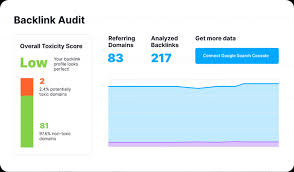
The Importance of Backlink Audit in SEO Strategy

The Importance of Backlink Audit in SEO Strategy

Backlinks play a crucial role in the search engine optimisation (SEO) strategy of any website. They are essentially links from external websites that point back to your site. While backlinks can significantly boost your website’s authority and visibility in search engine results, it is essential to conduct regular backlink audits to ensure their quality and relevance.

Why Conduct a Backlink Audit?

Performing a backlink audit involves analysing all the inbound links pointing to your website. This process is vital for several reasons:

  • Identifying Toxic Links: Some backlinks may come from spammy or low-quality websites, which can harm your site’s SEO performance. By conducting an audit, you can identify and disavow these toxic links to prevent any negative impact on your rankings.
  • Evaluating Link Quality: Not all backlinks are created equal. A backlink audit allows you to assess the quality of each link based on factors such as domain authority, relevance, and anchor text. This helps you focus on building high-quality links that benefit your SEO efforts.
  • Ensuring Compliance: Search engines like Google have strict guidelines regarding link schemes and manipulative practices. By auditing your backlinks regularly, you can ensure that your link profile complies with these guidelines and avoid penalties.
  • Improving Performance: By removing harmful links and acquiring relevant, high-quality backlinks, you can improve your website’s overall performance in search engine results pages (SERPs). A clean and authoritative link profile is key to achieving higher rankings and organic traffic.

How to Conduct a Backlink Audit

When performing a backlink audit, consider the following steps:

  1. Gather Your Backlink Data: Use tools like Google Search Console, SEMrush, or Ahrefs to compile a list of all the backlinks pointing to your site.
  2. Analyse Each Link: Evaluate the quality of each link based on relevance, authority, anchor text usage, and spam score.
  3. Disavow Toxic Links: For any harmful or irrelevant links identified during the audit, create a disavow file and submit it to Google’s Disavow Tool to instruct search engines not to consider those links when assessing your site.
  4. Create a Link Building Strategy: Based on the audit findings, develop a proactive link building strategy focused on acquiring high-quality backlinks from authoritative sources within your niche.

In conclusion, conducting regular backlink audits is essential for maintaining a healthy and effective SEO strategy. By assessing the quality of your backlinks, removing toxic links, and building relevant connections, you can enhance your website’s visibility and credibility in the competitive online landscape.


9 Essential Tips for Conducting a Comprehensive Backlink Audit

  1. Regularly monitor your backlink profile to identify any low-quality or toxic links.
  2. Focus on acquiring high-quality backlinks from authoritative and relevant websites.
  3. Use tools like Ahrefs, SEMrush, or Moz to conduct a comprehensive backlink audit.
  4. Disavow any harmful or spammy backlinks through Google’s Disavow Tool if necessary.
  5. Check the anchor text distribution of your backlinks for natural variation and avoid over-optimisation.
  6. Analyse the domain authority of linking sites to gauge the quality of your backlink profile.
  7. Look out for any sudden drops or spikes in your backlink count, which could indicate issues.
  8. Ensure that all your backlinks are from diverse sources and not just concentrated on a few domains.
  9. Consider conducting regular link reclamation campaigns to recover lost or broken backlinks.

Regularly monitoring your backlink profile is a crucial tip in maintaining a healthy SEO strategy. By keeping a close eye on your backlinks, you can swiftly identify any low-quality or toxic links that may be harming your website’s ranking and reputation. Addressing these issues promptly through regular audits allows you to maintain a clean and authoritative link profile, ultimately improving your site’s visibility and credibility in search engine results.

To enhance the effectiveness of your backlink audit, it is crucial to concentrate on acquiring high-quality backlinks from authoritative and relevant websites. By prioritising links from reputable sources within your industry or niche, you can significantly boost your website’s credibility and visibility in search engine results. These quality backlinks not only improve your site’s authority but also signal to search engines that your content is valuable and trustworthy. By focusing on building a strong network of relevant and authoritative links, you can elevate your SEO strategy and establish a solid foundation for long-term success online.

To conduct a thorough backlink audit, it is recommended to utilise tools such as Ahrefs, SEMrush, or Moz. These powerful SEO tools provide detailed insights into your website’s backlink profile, allowing you to analyse the quality and relevance of each link. By leveraging the features offered by these platforms, you can identify toxic links, assess link authority, and uncover opportunities for building high-quality backlinks. Incorporating these tools into your backlink audit process ensures a comprehensive evaluation of your link profile and empowers you to make informed decisions to enhance your website’s SEO performance.

It is crucial to disavow any harmful or spammy backlinks through Google’s Disavow Tool if necessary. By identifying and disavowing such links, you can prevent them from negatively impacting your website’s SEO performance. Google’s Disavow Tool allows you to notify the search engine not to consider these undesirable backlinks when evaluating your site’s authority and relevance. This proactive approach helps maintain a clean and reputable link profile, ultimately contributing to improved rankings and organic traffic for your website.

When conducting a backlink audit, it is crucial to check the anchor text distribution of your backlinks to ensure natural variation and avoid over-optimisation. Anchor text is the clickable text in a hyperlink, and search engines use it to understand the context and relevance of the linked page. By maintaining a diverse range of anchor texts that reflect the content of your website, you can signal to search engines that your backlink profile is organic and not manipulated for SEO purposes. Over-optimising anchor text by using exact match keywords excessively can raise red flags with search engines and potentially lead to penalties. Therefore, monitoring and adjusting your anchor text distribution as part of your backlink audit strategy is essential for maintaining a healthy link profile and improving your site’s SEO performance in a sustainable manner.

Analysing the domain authority of linking sites is a crucial tip in conducting a backlink audit to assess the quality of your backlink profile. Domain authority serves as a measure of a website’s credibility and influence in the online domain. By evaluating the domain authority of sites linking back to your website, you can gauge the strength and relevance of those backlinks. High domain authority links from reputable sources are more likely to positively impact your SEO efforts and contribute to improving your website’s search engine rankings. Therefore, prioritising links from websites with high domain authority can enhance the overall quality and effectiveness of your backlink profile.

Monitoring your backlink profile regularly is crucial in maintaining a healthy SEO strategy. One important tip to keep in mind during a backlink audit is to pay close attention to any sudden drops or spikes in your backlink count. These fluctuations could signal potential issues such as lost or gained links from authoritative sites, changes in search engine algorithms, or even malicious activities like negative SEO attacks. By identifying and addressing these anomalies promptly, you can safeguard the integrity of your link profile and ensure that your website’s SEO performance remains strong and stable.

It is crucial to ensure that your backlink profile consists of a diverse range of sources rather than being concentrated on just a few domains. Having backlinks from a variety of websites signals to search engines that your site is reputable and relevant across different platforms. Diversifying your backlink sources not only enhances the credibility of your website but also reduces the risk of overreliance on a single domain, making your link profile more robust and resilient to algorithm changes. By seeking backlinks from diverse sources, you can strengthen the overall authority of your site and improve its visibility in search engine results.

Consider conducting regular link reclamation campaigns as part of your backlink audit strategy to recover lost or broken backlinks. Link reclamation involves identifying and reaching out to websites that used to link to your site but have since removed or broken those links. By proactively reclaiming these lost backlinks, you can not only restore valuable connections to your website but also improve your SEO performance by maintaining a strong and authoritative link profile. Regularly monitoring and reclaiming lost links can help you maximise the impact of your backlink building efforts and ensure that your website continues to rank well in search engine results.

The Importance of Using an Audit Tool for Your Business

The Importance of Using an Audit Tool for Your Business

Running a successful business involves more than just providing excellent products or services. It also requires careful monitoring and management of various aspects of your operations, including finances, compliance, and security. One essential tool that can significantly benefit your business is an audit tool.

What is an Audit Tool?

An audit tool is a software application designed to help businesses assess, evaluate, and improve their processes, procedures, and controls. It enables organisations to conduct systematic examinations of their operations to identify potential risks, inefficiencies, or non-compliance issues.

The Benefits of Using an Audit Tool

Implementing an audit tool in your business can offer several advantages:

  • Enhanced Compliance: Audit tools can help ensure that your business adheres to relevant laws, regulations, and industry standards by identifying areas where compliance may be lacking.
  • Risk Mitigation: By conducting regular audits with the help of an audit tool, you can proactively identify and address potential risks before they escalate into significant problems.
  • Improved Efficiency: Audit tools streamline the auditing process by automating repetitive tasks, allowing you to focus on analysing results and making informed decisions.
  • Data Security: With data breaches becoming increasingly common, audit tools provide insights into the security of your systems and help you implement measures to protect sensitive information.
  • Better Decision-Making: The data generated by audit tools can provide valuable insights that enable informed decision-making and strategic planning for your business.

Choosing the Right Audit Tool

When selecting an audit tool for your business, consider factors such as ease of use, scalability, reporting capabilities, and integration with existing systems. It’s essential to choose a tool that aligns with your specific auditing needs and supports your overall business objectives.

In conclusion, incorporating an audit tool into your business processes can help you achieve greater transparency, efficiency, and compliance while mitigating risks and enhancing security. By leveraging the capabilities of an audit tool effectively, you can drive continuous improvement and long-term success for your organisation.


8 Essential Tips for Optimising Your Audit Tool

  1. Ensure the audit tool is user-friendly for easy navigation.
  2. Customise the audit tool to align with your specific audit requirements.
  3. Regularly update the audit tool to incorporate any changes in regulations or standards.
  4. Implement security measures to protect sensitive audit data stored in the tool.
  5. Provide adequate training to users on how to effectively use the audit tool.
  6. Utilise features such as automated reminders and notifications for timely audits.
  7. Conduct periodic reviews of the audit tool’s performance and make necessary improvements.
  8. Encourage feedback from users to enhance the functionality and efficiency of the audit tool.

Ensure the audit tool is user-friendly for easy navigation.

It is crucial to ensure that the audit tool you choose is user-friendly to facilitate easy navigation and usage. A user-friendly interface can streamline the auditing process, allowing users to access features efficiently and navigate through the tool with ease. By prioritising usability in your audit tool selection, you can enhance productivity, reduce training time for staff, and ultimately maximise the benefits of implementing such a tool in your business operations.

Customise the audit tool to align with your specific audit requirements.

To maximise the effectiveness of your audit processes, it is crucial to customise the audit tool to align with your specific audit requirements. By tailoring the settings and configurations of the tool to match the unique needs of your business, you can ensure that it captures relevant data, identifies key risks, and generates insights that are directly applicable to your operations. Customisation allows you to focus on areas of priority, streamline the auditing process, and ultimately enhance the value derived from using the audit tool within your organisation.

Regularly update the audit tool to incorporate any changes in regulations or standards.

It is crucial to regularly update the audit tool to ensure that it reflects any changes in regulations or standards. By staying current with updates, businesses can maintain compliance with evolving requirements and enhance the effectiveness of their auditing processes. Updating the audit tool enables organisations to adapt to new regulatory frameworks, address emerging risks, and align their practices with industry best practices. This proactive approach not only safeguards against potential non-compliance issues but also demonstrates a commitment to upholding the highest standards of governance and accountability within the business environment.

Implement security measures to protect sensitive audit data stored in the tool.

It is crucial to implement robust security measures to safeguard sensitive audit data stored within the audit tool. By ensuring that the data is protected through encryption, access controls, and regular monitoring, businesses can mitigate the risk of unauthorised access or data breaches. Taking proactive steps to secure this information not only helps maintain compliance with data protection regulations but also instils trust among stakeholders regarding the confidentiality and integrity of the audit process.

Provide adequate training to users on how to effectively use the audit tool.

It is crucial to provide adequate training to users on how to effectively utilise the audit tool. By offering comprehensive training sessions, users can gain a clear understanding of the tool’s functionalities and maximise its potential in conducting thorough audits. Proper training ensures that users can navigate the tool efficiently, interpret results accurately, and implement necessary actions based on audit findings. Investing in user training not only enhances the tool’s effectiveness but also empowers users to contribute significantly to the overall success of auditing processes within the organisation.

Utilise features such as automated reminders and notifications for timely audits.

To maximise the effectiveness of your audit tool, make use of features like automated reminders and notifications to ensure timely audits. By setting up automated alerts, you can stay on top of your audit schedule and avoid missing critical deadlines. These reminders can help you proactively plan and execute audits, enabling you to maintain compliance, identify risks promptly, and make informed decisions based on up-to-date information. Embracing these features enhances the efficiency of your auditing process and contributes to a more robust overall risk management strategy for your business.

Conduct periodic reviews of the audit tool’s performance and make necessary improvements.

To ensure the effectiveness of an audit tool, it is crucial to conduct regular reviews of its performance and make any necessary improvements. By periodically evaluating how the audit tool is functioning in practice, businesses can identify areas for enhancement or optimisation. This proactive approach allows organisations to stay ahead of potential issues, maintain the tool’s relevance to evolving business needs, and maximise its value in supporting efficient auditing processes. Regular performance reviews help ensure that the audit tool remains a valuable asset in promoting compliance, risk management, and operational excellence within the business environment.

Encourage feedback from users to enhance the functionality and efficiency of the audit tool.

Encouraging feedback from users is a valuable practice to enhance the functionality and efficiency of an audit tool. By actively seeking input from those who interact with the tool on a regular basis, businesses can gain insights into user experiences, identify areas for improvement, and implement changes that align more closely with user needs. User feedback not only helps to fine-tune the features and usability of the audit tool but also fosters a collaborative environment where users feel valued and engaged in the continuous enhancement of the tool. Ultimately, incorporating user feedback can lead to a more effective and user-friendly audit tool that better serves the organisation’s auditing objectives.

Article: Management Solutions

The Importance of Effective Management Solutions

In today’s fast-paced and dynamic business environment, the need for efficient management solutions has never been more critical. Organisations across various industries are constantly seeking ways to streamline their operations, improve productivity, and stay ahead of the competition. This is where effective management solutions play a crucial role.

Enhancing Operational Efficiency

Management solutions encompass a wide range of tools and strategies aimed at optimising processes and workflows within an organisation. By implementing the right management solutions, businesses can automate repetitive tasks, eliminate bottlenecks, and enhance overall operational efficiency. This not only saves time and resources but also allows employees to focus on more strategic initiatives that drive growth.

Improving Decision-Making

Another key benefit of management solutions is their ability to provide valuable insights through data analysis and reporting. By collecting and analysing relevant data, decision-makers can gain a better understanding of their business performance, customer behaviour, market trends, and more. This enables informed decision-making based on real-time information rather than intuition or guesswork.

Empowering Collaboration

Effective management solutions often include collaboration tools that facilitate communication and teamwork among employees. Whether it’s project management software, cloud-based platforms, or virtual meeting tools, these solutions enable seamless collaboration regardless of physical location or time zone. This fosters a culture of teamwork, innovation, and knowledge sharing within the organisation.

Ensuring Compliance and Security

In an increasingly regulated business landscape, compliance with industry standards and data security regulations is non-negotiable. Management solutions help organisations maintain compliance by automating regulatory processes, ensuring data integrity, and implementing robust security measures. This not only protects sensitive information but also builds trust with customers and stakeholders.

Conclusion

Effective management solutions are essential for modern businesses looking to thrive in a competitive market environment. By investing in the right tools and strategies, organisations can streamline their operations, make informed decisions, foster collaboration among teams, and ensure compliance with regulations. As technology continues to evolve, embracing innovative management solutions will be key to staying agile and resilient in the face of change.


Top 9 Frequently Asked Questions About Management Solutions and Their Benefits

  1. What are management solutions and why are they important?
  2. How can management solutions help improve operational efficiency?
  3. What types of tools are included in management solutions?
  4. Do management solutions provide insights for decision-making?
  5. How do management solutions facilitate collaboration within an organisation?
  6. What role do management solutions play in ensuring compliance with regulations?
  7. Are there specific security features offered by management solutions?
  8. Can management solutions be customised to suit the needs of different industries?
  9. What are the key considerations when selecting a management solution for a business?

What are management solutions and why are they important?

Management solutions encompass a diverse set of tools and strategies designed to streamline operations, enhance productivity, and drive organisational success. These solutions play a crucial role in modern businesses by automating tasks, providing valuable insights through data analysis, fostering collaboration among teams, and ensuring compliance with regulations. They are important because they enable businesses to operate more efficiently, make informed decisions based on data-driven insights, empower employees to work together effectively, and maintain security and regulatory compliance in an ever-changing business landscape. In essence, management solutions are the backbone of a well-structured and successful organisation.

How can management solutions help improve operational efficiency?

Management solutions play a pivotal role in enhancing operational efficiency by streamlining processes, automating tasks, and providing valuable insights for informed decision-making. By implementing management solutions, organisations can eliminate manual inefficiencies, reduce errors, and optimise workflows to ensure smooth operations. These solutions enable businesses to centralise data, track performance metrics, and identify areas for improvement, ultimately leading to increased productivity and cost savings. With the ability to automate routine tasks and provide real-time visibility into operations, management solutions empower businesses to operate more efficiently and effectively in today’s competitive landscape.

What types of tools are included in management solutions?

Management solutions encompass a diverse array of tools designed to streamline operations, enhance productivity, and drive business growth. These tools may include project management software for efficient task allocation and tracking, customer relationship management (CRM) systems for maintaining client interactions, analytics platforms for data-driven decision-making, communication tools for seamless collaboration, and security solutions to safeguard sensitive information. By integrating these various tools into a unified management solution, organisations can effectively manage their resources, optimise processes, and achieve their strategic objectives with greater efficiency and effectiveness.

Do management solutions provide insights for decision-making?

Management solutions play a crucial role in providing valuable insights for decision-making within organisations. By leveraging data analysis and reporting capabilities, management solutions offer a comprehensive view of business performance, customer behaviour, market trends, and other key metrics. These insights empower decision-makers to make informed choices based on real-time information rather than relying on intuition alone. With the ability to access timely and accurate data, management solutions enable businesses to adapt quickly to changing circumstances, identify opportunities for growth, and mitigate risks effectively.

How do management solutions facilitate collaboration within an organisation?

Management solutions play a crucial role in facilitating collaboration within an organisation by providing tools and platforms that enable seamless communication and teamwork among employees. By integrating features such as project management software, cloud-based collaboration platforms, and virtual meeting tools, management solutions allow team members to share information, coordinate tasks, and work together on projects regardless of their physical location. These solutions promote transparency, efficiency, and real-time interaction, fostering a culture of collaboration that enhances productivity and innovation across the organisation.

What role do management solutions play in ensuring compliance with regulations?

Management solutions play a crucial role in ensuring compliance with regulations by providing organisations with the tools and capabilities to automate regulatory processes, monitor adherence to standards, and enforce security protocols. These solutions help businesses stay up-to-date with evolving regulatory requirements, conduct regular audits to identify non-compliance issues, and generate reports for regulatory authorities. By centralising compliance management through management solutions, organisations can mitigate risks, avoid costly penalties, and build a reputation for trustworthiness and integrity in their respective industries.

Are there specific security features offered by management solutions?

When it comes to management solutions, security features are a crucial aspect that organisations consider. Many management solutions offer specific security features to safeguard sensitive data and protect against cyber threats. These features may include encryption capabilities, access control mechanisms, audit trails for monitoring user activities, and integration with security protocols such as multi-factor authentication. By incorporating robust security measures into their management solutions, businesses can enhance data protection, mitigate risks, and ensure compliance with industry regulations.

Can management solutions be customised to suit the needs of different industries?

When it comes to management solutions, a common question often asked is whether they can be customised to suit the specific needs of different industries. The answer is a resounding yes. Management solutions are designed to be flexible and adaptable, allowing for customisation to align with the unique requirements of various industries. Whether it’s tailoring reporting features, integrating industry-specific modules, or adjusting workflows to meet regulatory standards, management solutions can be customised to enhance efficiency and effectiveness within different sectors. This versatility ensures that organisations can leverage management solutions that are tailored to their industry nuances, ultimately maximising their operational performance and competitiveness.

What are the key considerations when selecting a management solution for a business?

When selecting a management solution for a business, several key considerations should be taken into account to ensure optimal effectiveness and suitability. Firstly, it is essential to assess the specific needs and objectives of the organisation to identify the areas where management solutions can add the most value. Additionally, evaluating the scalability and flexibility of the solution is crucial to accommodate future growth and changing business requirements. Integration capabilities with existing systems and ease of implementation are also important factors to consider to minimise disruptions and maximise efficiency. Furthermore, security features, compliance with industry regulations, ongoing support services, and cost-effectiveness play significant roles in determining the most suitable management solution for a business’s unique operations.

The Importance of a Management System

The Importance of a Management System

A management system is a structured framework used by organisations to manage their processes, procedures, and resources effectively. It provides a systematic approach to achieving the organisation’s objectives and ensuring continuous improvement.

Benefits of a Management System

Implementing a management system offers numerous benefits:

  • Efficiency: By defining processes and responsibilities, a management system helps streamline operations and reduce waste.
  • Consistency: Standardised procedures ensure consistency in product or service quality.
  • Risk Management: Identifying and addressing risks proactively minimises potential disruptions to the organisation.
  • Compliance: Meeting regulatory requirements and industry standards becomes more manageable with a well-implemented management system.
  • Customer Satisfaction: Consistently delivering high-quality products or services enhances customer satisfaction and loyalty.
  • Continuous Improvement: Regular monitoring and evaluation lead to ongoing improvements in processes and performance.

Types of Management Systems

There are various types of management systems tailored to different aspects of an organisation, such as:

  • Quality Management System (QMS): Focuses on meeting customer requirements and enhancing product/service quality.
  • Environmental Management System (EMS): Addresses environmental impact mitigation and sustainability practices.
  • Health and Safety Management System (HSMS): Ensures workplace safety compliance and employee well-being.

Implementing a Management System

To implement an effective management system, organisations should follow these key steps:

  1. Evaluate Needs: Identify the specific requirements, objectives, and scope of the management system.
  2. Create Documentation: Develop clear policies, procedures, and guidelines for consistent implementation.


Key Benefits of Implementing a Management System

  1. Enhances operational efficiency
  2. Promotes consistency in processes
  3. Facilitates better decision-making
  4. Improves risk management practices
  5. Increases employee accountability
  6. Enhances customer satisfaction
  7. Ensures regulatory compliance
  8. Drives continuous improvement


Challenges of Management Systems: Complexity, Cost, Resistance to Change, and Over-Standardisation

  1. Complexity
  2. Cost
  3. Resistance to Change
  4. Over-Standardisation

Enhances operational efficiency

Enhancing operational efficiency is a key advantage of implementing a management system within an organisation. By defining clear processes, roles, and responsibilities, a management system streamlines operations and minimises inefficiencies. With improved coordination and communication, tasks are executed more effectively, leading to increased productivity and reduced waste. This boost in operational efficiency not only saves time and resources but also allows the organisation to deliver products or services more promptly and consistently to meet customer demands. Ultimately, a well-implemented management system contributes to overall organisational success by optimising performance and maximising output.

Promotes consistency in processes

Promoting consistency in processes is a significant advantage of implementing a management system within an organisation. By establishing standardised procedures and guidelines, a management system ensures that tasks are carried out in a uniform manner across departments and teams. This consistency not only enhances the quality of products or services delivered but also fosters clarity and efficiency in operations. Employees can rely on established processes to achieve reliable outcomes, leading to increased productivity and customer satisfaction. Overall, the promotion of consistency through a management system contributes to the overall stability and effectiveness of an organisation’s functioning.

Facilitates better decision-making

A key advantage of a management system is its ability to facilitate better decision-making within an organisation. By providing structured processes, data-driven insights, and clear performance indicators, a well-implemented management system empowers decision-makers to make informed and strategic choices. This enables leaders to assess risks, identify opportunities, and align decisions with the organisation’s goals more effectively. Ultimately, the facilitation of better decision-making through a management system contributes to improved outcomes and long-term success for the organisation.

Improves risk management practices

Implementing a management system significantly enhances risk management practices within an organisation. By systematically identifying, assessing, and addressing risks, a well-structured management system enables proactive mitigation strategies to be implemented. This approach not only helps in minimising potential disruptions and losses but also fosters a culture of risk awareness and preparedness across all levels of the organisation. Ultimately, improved risk management practices contribute to greater operational resilience and long-term sustainability.

Increases employee accountability

One significant advantage of a management system is its ability to increase employee accountability within an organisation. By clearly defining roles, responsibilities, and expectations, a well-implemented management system ensures that employees understand their individual contributions to the overall goals of the company. This clarity fosters a sense of ownership and accountability among employees, encouraging them to take pride in their work and deliver results in a timely and efficient manner. As a result, increased employee accountability not only enhances productivity but also promotes a culture of transparency and trust within the workplace.

Enhances customer satisfaction

Implementing a management system can significantly enhance customer satisfaction by ensuring consistent quality in products or services. By establishing standardised procedures and processes, organisations can meet and even exceed customer expectations. A well-implemented management system enables businesses to deliver reliable and high-quality outputs, leading to increased trust, loyalty, and positive feedback from customers. Ultimately, enhancing customer satisfaction through a robust management system can contribute to long-term relationships with clients and sustainable business growth.

Ensures regulatory compliance

Ensuring regulatory compliance is a crucial benefit of implementing a management system within an organisation. By adhering to relevant laws, regulations, and industry standards, a management system helps mitigate legal risks and potential penalties. It provides a structured approach to monitoring and maintaining compliance, ensuring that the organisation operates ethically and within the boundaries set by authorities. Additionally, demonstrating regulatory compliance enhances the organisation’s reputation and trustworthiness among stakeholders, fostering long-term sustainability and growth.

Drives continuous improvement

A significant advantage of a management system is its ability to drive continuous improvement within an organisation. By establishing processes for regular evaluation, feedback, and adjustment, a management system creates a culture of ongoing enhancement. This focus on continuous improvement encourages employees to identify areas for development, implement changes, and monitor the outcomes. As a result, organisations can adapt to evolving challenges, enhance efficiency, and strive for excellence in their operations and outcomes.

Complexity

Implementing and maintaining a management system can present a significant challenge due to its inherent complexity. The process often demands meticulous planning, thorough documentation, and ongoing monitoring to ensure effectiveness. Organisations may find themselves allocating substantial time and resources to navigate the intricacies of the system, from initial implementation to continuous upkeep. The need for dedicated personnel and expertise adds another layer of complexity, making it essential for businesses to carefully consider the investment of time and resources required for successful management system integration.

Cost

Setting up a management system can present a notable challenge in terms of cost. The initial investment required for training personnel, acquiring specialised software, and conducting thorough audits can be substantial. These expenses may pose a barrier for some organisations looking to implement a management system, especially for smaller businesses with limited budgets. The financial outlay involved in establishing and maintaining the system can be a deterrent, impacting the willingness of organisations to commit to the necessary resources for effective implementation.

Resistance to Change

Resistance to Change is a significant con associated with management systems. When organisations implement new processes or procedures through a management system, employees may exhibit resistance to these changes. This resistance can stem from various factors such as fear of the unknown, reluctance to abandon familiar methods, or concerns about increased workload. As a result, overcoming this resistance and ensuring successful adoption of the new practices becomes a challenge for management. Effective communication, training, and involvement of employees in the change process are crucial in addressing this con and fostering a smoother transition towards improved processes and outcomes.

Over-Standardisation

Excessive standardisation within a management system can hinder organisational growth by stifling creativity and innovation. When processes are overly rigid and uniform, employees may feel constrained in their ability to think outside the box and propose new ideas. This lack of flexibility can lead to a stagnant work environment where innovative solutions are overlooked in favour of adherence to strict standards. Embracing some level of flexibility within the management system is crucial to fostering a culture of creativity and encouraging employees to explore new approaches that can drive progress and success for the organisation.

The Art of Effective Management

The Art of Effective Management

Management is a crucial skill that plays a significant role in the success of any organisation. Whether it’s overseeing a team, a project, or an entire company, effective management is essential for achieving goals and driving growth.

Key Elements of Management

Effective management involves a combination of leadership, communication, decision-making, and problem-solving skills. A good manager not only sets clear objectives but also motivates and guides their team towards achieving them.

Importance of Time Management

Time management is another critical aspect of effective management. Prioritising tasks, setting deadlines, and delegating responsibilities are key components of managing time efficiently. By optimising time management, managers can increase productivity and meet deadlines effectively.

Building Strong Teams

A successful manager understands the importance of building strong teams. This involves hiring the right people, fostering collaboration, providing feedback and support, and recognising individual strengths within the team. A cohesive team can achieve more together than individuals working in isolation.

Adapting to Change

In today’s fast-paced business environment, adaptability is crucial for effective management. Managers need to be flexible and open to change, able to pivot strategies when needed and navigate uncertainty with confidence. Adapting to change requires strong leadership skills and the ability to inspire trust in times of transition.

Continuous Improvement

Effective managers are committed to continuous improvement. They seek feedback from their team members, evaluate performance metrics, identify areas for growth, and implement strategies for ongoing development. By constantly striving for improvement, managers can lead their teams to greater success.


9 Essential Tips for Effective Management and Productivity

  1. Set clear goals and priorities.
  2. Create a schedule or to-do list.
  3. Delegate tasks when possible.
  4. Stay organised and tidy.
  5. Communicate effectively with your team.
  6. Take regular breaks to avoid burnout.
  7. Adapt to changes and be flexible.
  8. Seek feedback for continuous improvement.
  9. Celebrate achievements, both big and small.

Set clear goals and priorities.

Setting clear goals and priorities is a fundamental tip in effective management. By defining specific objectives and outlining key priorities, managers provide direction for their team members and ensure alignment towards common goals. Clear goals help in focusing efforts, making informed decisions, and tracking progress effectively. Prioritising tasks based on their importance and urgency allows managers to allocate resources efficiently and maximise productivity. When everyone understands the overarching goals and priorities, it fosters a cohesive work environment where individuals can work collaboratively towards shared success.

Create a schedule or to-do list.

Creating a schedule or to-do list is a valuable tip for effective management. By organising tasks and setting priorities, managers can ensure that important responsibilities are completed in a timely manner. A well-planned schedule helps in allocating time efficiently, avoiding procrastination, and reducing stress. With a clear outline of daily tasks, managers can stay focused, track progress, and maintain productivity levels. Additionally, a to-do list serves as a visual reminder of pending tasks, enabling managers to stay on top of their workload and achieve their objectives effectively.

Delegate tasks when possible.

Delegating tasks when possible is a key strategy in effective management. By assigning responsibilities to team members based on their strengths and skills, managers can not only lighten their own workload but also empower their team members to take ownership of their work. Delegation fosters a sense of trust and accountability within the team, allowing individuals to develop new skills and grow professionally. It also ensures that tasks are completed efficiently and effectively, leading to improved productivity and overall success for the organisation.

Stay organised and tidy.

Staying organised and tidy is a fundamental tip in effective management. By maintaining a clutter-free and structured workspace, managers can enhance productivity, focus, and efficiency. A tidy environment not only promotes a sense of professionalism but also allows for quick access to essential tools and resources when needed. Being organised helps managers stay on top of their tasks, deadlines, and priorities, enabling them to lead their teams effectively and achieve desired outcomes with ease.

Communicate effectively with your team.

Effective communication is a cornerstone of successful management. When you communicate clearly and openly with your team, you foster trust, collaboration, and understanding. By sharing information, providing feedback, and actively listening to your team members, you create a supportive environment where everyone feels valued and heard. Effective communication ensures that goals are clearly understood, expectations are transparent, and challenges are addressed promptly. It is through open communication that a manager can build strong relationships with their team and lead them towards achieving shared objectives.

Take regular breaks to avoid burnout.

Taking regular breaks is a crucial aspect of effective management to prevent burnout. In the fast-paced world of leadership and decision-making, it’s easy to become overwhelmed by constant demands and responsibilities. By incorporating short breaks into your work routine, you give yourself the opportunity to recharge, refocus, and maintain a healthy work-life balance. These brief moments of rest not only boost productivity but also enhance mental clarity and overall well-being, allowing you to approach challenges with renewed energy and resilience. Remember, prioritising self-care through regular breaks is not a sign of weakness but a smart strategy for long-term success in managing both yourself and your team effectively.

Adapt to changes and be flexible.

Adapting to changes and being flexible are essential qualities in effective management. In today’s dynamic and ever-evolving business landscape, managers must be ready to adjust strategies, processes, and priorities as circumstances shift. By embracing flexibility, managers can navigate challenges with resilience and lead their teams through transitions smoothly. Being adaptable allows managers to stay agile, respond to new opportunities swiftly, and foster a culture of innovation within their organisation.

Seek feedback for continuous improvement.

Seeking feedback for continuous improvement is a fundamental aspect of effective management. By actively soliciting input from team members, managers can gain valuable insights into areas that require enhancement and identify opportunities for growth. Feedback provides a platform for open communication, fosters a culture of collaboration, and demonstrates a manager’s commitment to ongoing development. Embracing feedback not only empowers individuals within the team but also contributes to the overall success and productivity of the organisation.

Celebrate achievements, both big and small.

Recognising and celebrating achievements, no matter how big or small, is a key aspect of effective management. By acknowledging the efforts and successes of individuals within a team, managers can boost morale, motivation, and overall team spirit. Celebrating achievements creates a positive work culture where employees feel valued and appreciated for their contributions, ultimately leading to increased engagement and productivity. It also fosters a sense of accomplishment and encourages continuous improvement as team members strive towards reaching new goals.

The Importance of Change Management in Business

The Importance of Change Management in Business

Change is inevitable in any organisation, and how well a business manages change can determine its success or failure. Change management is a structured approach to transitioning individuals, teams, and organisations from their current state to a desired future state effectively.

Why is Change Management Important?

Change management helps mitigate risks that come with any change initiative. It ensures that changes are implemented smoothly with minimal disruption to the business operations. By having a structured approach to change, organisations can increase the likelihood of project success and employee acceptance.

Key Elements of Change Management

  • Communication: Clear and consistent communication is essential to keep all stakeholders informed about the upcoming changes, the reasons behind them, and how it will impact them.
  • Employee Involvement: Involving employees in the change process can increase their commitment and reduce resistance to change. Employees should feel empowered to provide feedback and be part of the decision-making process.
  • Training and Support: Providing adequate training and support for employees during a change initiative can help them adapt to new processes or systems more effectively.
  • Leadership Support: Strong leadership support is crucial for driving change within an organisation. Leaders should champion the change, set an example, and address any concerns or resistance that may arise.
  • Monitoring and Evaluation: Continuous monitoring of the change process allows organisations to identify any issues early on and make necessary adjustments. Evaluation helps measure the effectiveness of the change initiative against set goals.

The Benefits of Effective Change Management

An effective change management strategy can lead to increased employee morale, improved productivity, enhanced customer satisfaction, and overall organisational resilience. By embracing change management practices, businesses can adapt more quickly to market trends, technological advancements, and other external factors that impact their operations.

In conclusion, change management plays a vital role in helping businesses navigate through periods of transition successfully. By prioritising effective communication, employee involvement, training, leadership support, and monitoring processes during times of change, organisations can achieve their desired outcomes while minimising potential disruptions.


Seven Key Advantages of Effective Change Management: Boosting Agility, Morale, and Success in Organisations

  1. Enhances organisational agility and adaptability to market changes.
  2. Improves employee morale and reduces resistance to change.
  3. Increases the likelihood of project success and goal achievement.
  4. Facilitates smoother transitions during periods of organisational change.
  5. Enhances communication and collaboration among team members.
  6. Helps identify and mitigate risks associated with change initiatives.
  7. Promotes a culture of continuous improvement and innovation within the organisation.


Six Drawbacks of Change Management: Employee Resistance, Costly Implementation, Productivity Challenges, Unplanned Delays, Communication Breakdowns, and Priority Imbalance

  1. Resistance from employees who are comfortable with the current processes and reluctant to change.
  2. Implementation costs can be high, especially when training, support, and new systems are required.
  3. Change management may lead to temporary productivity dips as employees adjust to new ways of working.
  4. Unforeseen delays in the change process can disrupt business operations and impact timelines.
  5. Ineffective communication about changes can cause confusion and uncertainty among employees.
  6. Overemphasis on change management may divert attention from other critical business priorities.

Enhances organisational agility and adaptability to market changes.

One significant benefit of change management is its ability to enhance organisational agility and adaptability to market changes. By implementing effective change management practices, businesses can respond swiftly and efficiently to evolving market trends, customer demands, and competitive landscapes. This agility allows organisations to stay ahead of the curve, seize new opportunities, and navigate challenges with greater flexibility and resilience. Ultimately, by embracing change management, businesses can position themselves as dynamic and adaptive entities that are well-equipped to thrive in today’s fast-paced business environment.

Improves employee morale and reduces resistance to change.

One significant benefit of change management is its ability to improve employee morale and reduce resistance to change within an organisation. By involving employees in the change process, providing clear communication, and offering support and training, employees feel empowered and more willing to embrace the changes. When employees are engaged and understand the reasons behind the changes, they are more likely to adapt positively, leading to higher morale levels and a smoother transition overall. This proactive approach helps create a supportive environment where employees feel valued and motivated, ultimately contributing to the success of the change initiative.

Increases the likelihood of project success and goal achievement.

Implementing change management in an organisation significantly enhances the likelihood of project success and goal achievement. By following a structured approach to transitioning individuals, teams, and processes from the current state to the desired future state, change management helps align efforts towards common objectives. Clear communication, employee involvement, and effective leadership support foster a conducive environment for project success by ensuring that all stakeholders are on board and working towards the same goals. This proactive approach minimises resistance to change and maximises the chances of achieving desired outcomes within set timelines.

Facilitates smoother transitions during periods of organisational change.

Change management plays a crucial role in facilitating smoother transitions during periods of organisational change. By implementing structured change management processes, businesses can effectively navigate through transitions with minimal disruption to their operations. Clear communication, employee engagement, and proper training all contribute to easing the transition process for individuals and teams within the organisation. This proactive approach helps employees understand the reasons behind the changes, aligns them with the new direction, and equips them with the necessary skills to adapt smoothly to the evolving environment. Ultimately, by embracing change management practices, organisations can ensure that transitions are managed efficiently and successfully, leading to improved outcomes and increased resilience in the face of change.

Enhances communication and collaboration among team members.

One significant benefit of change management is its ability to enhance communication and collaboration among team members. By implementing structured change processes, organisations create opportunities for open dialogue, sharing of ideas, and collective problem-solving. Clear communication channels foster a sense of unity and transparency within teams, leading to improved collaboration and synergy. When team members feel heard and valued during times of change, they are more likely to work together towards common goals, driving innovation and productivity across the organisation.

Helps identify and mitigate risks associated with change initiatives.

Change management plays a crucial role in helping organisations identify and mitigate risks associated with change initiatives. By implementing a structured approach to change, businesses can proactively assess potential risks, such as resistance from employees, operational disruptions, or financial impacts. Through careful planning, communication, and stakeholder engagement, change management enables businesses to anticipate challenges and implement strategies to address them effectively. By addressing risks early on in the change process, organisations can increase the likelihood of successful outcomes and minimise negative impacts on their operations.

Promotes a culture of continuous improvement and innovation within the organisation.

Change management promotes a culture of continuous improvement and innovation within the organisation by encouraging employees to embrace change as an opportunity for growth and development. By implementing structured change processes, organisations create a supportive environment where new ideas are welcomed, and creativity is nurtured. This fosters a mindset of innovation, where employees are motivated to seek better ways of working and actively contribute to the organisation’s success through ongoing improvements. Ultimately, a culture of continuous improvement and innovation leads to increased efficiency, competitiveness, and adaptability in today’s dynamic business landscape.

Resistance from employees who are comfortable with the current processes and reluctant to change.

Resistance from employees who are comfortable with the current processes and reluctant to change is a significant con of change management. This resistance can stem from various factors, such as fear of the unknown, uncertainty about their roles post-change, or simply a preference for familiar routines. Managing this resistance requires careful communication, empathy, and involvement of employees in the change process. Ignoring or dismissing employees’ concerns can lead to prolonged resistance, decreased morale, and ultimately hinder the success of the change initiative. Addressing this con effectively is crucial for ensuring a smooth transition and gaining employee buy-in for the proposed changes.

Implementation costs can be high, especially when training, support, and new systems are required.

One significant drawback of change management is the potential for high implementation costs, particularly when extensive training, ongoing support, and the adoption of new systems are necessary. These expenses can place a financial strain on organisations, especially those with limited budgets or resources. Allocating funds for training programmes, hiring external consultants, or investing in new technology can be a considerable financial commitment that may not always yield immediate returns. Additionally, the cost of downtime during the transition period and the productivity loss as employees adjust to new processes can further exacerbate the financial burden of implementing change management initiatives.

Change management may lead to temporary productivity dips as employees adjust to new ways of working.

During change management initiatives, one significant drawback is the potential for temporary productivity dips as employees adapt to new ways of working. The learning curve associated with implementing changes can result in a period of adjustment where efficiency may temporarily decrease. Employees may need time to familiarise themselves with new processes, tools, or systems, which can impact productivity levels in the short term. However, with proper support, training, and communication throughout the transition period, organisations can help mitigate these productivity dips and ensure a smoother adjustment process for their employees.

Unforeseen delays in the change process can disrupt business operations and impact timelines.

Unforeseen delays in the change process pose a significant con of change management, as they have the potential to disrupt business operations and impact timelines adversely. These delays can result from various factors such as unexpected technical issues, resistance from employees, or inadequate planning. When changes do not progress as scheduled, it can lead to inefficiencies, increased costs, and missed opportunities for the organisation. Addressing and mitigating these unforeseen delays is crucial to ensure that change initiatives are implemented smoothly and effectively without causing undue disruptions to the business.

Ineffective communication about changes can cause confusion and uncertainty among employees.

Ineffective communication about changes within an organisation can lead to confusion and uncertainty among employees. When employees are not adequately informed about the reasons for change, how it will impact them, and what steps are being taken, they may feel anxious and resistant to the proposed changes. Uncertainty can breed rumours and misinformation, further exacerbating the lack of clarity. Without clear communication channels in place, employees may struggle to understand their roles in the change process, resulting in decreased morale, productivity, and overall engagement within the organisation.

Overemphasis on change management may divert attention from other critical business priorities.

An inherent con of change management is the risk of overemphasising its importance, which can potentially divert attention and resources away from other critical business priorities. While managing change is crucial for organisational growth and adaptation, focusing excessively on change initiatives may lead to neglecting essential aspects of business operations such as customer service, product development, or financial stability. It is essential for businesses to strike a balance between implementing effective change management strategies and maintaining a holistic approach to address all facets of their operations to ensure long-term success and sustainability.