The Essential Role of Tools in Everyday Life

The Essential Role of Tools in Everyday Life

Tools have been an integral part of human civilisation since the dawn of time. From the simplest hand-held implements to complex machinery, tools have played a crucial role in shaping our world and enhancing our capabilities. Whether it’s a hammer and nails for construction, a pen and paper for communication, or a computer for information processing, tools enable us to accomplish tasks efficiently and effectively.

Types of Tools

Tools come in various forms and serve different purposes. Hand tools such as screwdrivers, wrenches, and pliers are essential for everyday repairs and maintenance. Power tools like drills, saws, and sanders provide additional power and precision for more demanding tasks. In the digital age, software tools have become indispensable for tasks ranging from graphic design to data analysis.

The Importance of Tools

Tools not only make tasks easier but also enable us to achieve results that would be impossible otherwise. They increase efficiency by reducing manual effort and saving time. Additionally, tools improve precision and accuracy, leading to better quality outcomes. Without the right tools, many tasks would be arduous or even impossible to complete.

Evolution of Tools

Over time, tools have evolved in response to changing needs and technological advancements. The Industrial Revolution brought about mechanised tools that revolutionised manufacturing processes. In recent years, digital tools have transformed how we work, communicate, and access information. The constant innovation in tool development continues to push the boundaries of what is possible.

Choosing the Right Tool

With a plethora of tools available today, choosing the right one for the job is essential. Factors such as functionality, quality, durability, and ease of use should be considered when selecting a tool. Investing in high-quality tools not only improves performance but also ensures safety and longevity.

The Future of Tools

As technology advances at an unprecedented pace, the future of tools looks promising. Robotics, artificial intelligence, and automation are reshaping industries and creating new possibilities for tool development. Smart tools that can learn from user behaviour and adapt to changing conditions are becoming increasingly common. The integration of IoT (Internet of Things) technology into tools is opening up new avenues for connectivity and efficiency.

In conclusion, tools are indispensable companions in our daily lives, enabling us to achieve remarkable feats with precision and efficiency. As we embrace innovation and harness technology’s potential, the role of tools will continue to evolve, empowering us to tackle challenges old and new with confidence.


Top 5 Essential Tips for Effective Tool Usage and Maintenance

  1. Always use the right tool for the job to ensure safety and efficiency.
  2. Regularly maintain and clean your tools to prolong their lifespan.
  3. Invest in high-quality tools as they are more durable and reliable in the long run.
  4. Store your tools properly to prevent damage and make them easily accessible when needed.
  5. Take time to learn how to use new tools correctly through manuals, tutorials, or guidance from experienced users.

Always use the right tool for the job to ensure safety and efficiency.

Using the appropriate tool for a specific task is essential to guarantee both safety and efficiency. By selecting the right tool for the job, individuals can minimise the risk of accidents and errors, as each tool is designed to perform its intended function optimally. Not only does this practice enhance safety by reducing potential hazards, but it also improves efficiency by streamlining processes and achieving better results in less time. Adhering to this principle ensures that tasks are completed effectively and with the utmost care, highlighting the importance of choosing the correct tool for any given job.

Regularly maintain and clean your tools to prolong their lifespan.

Regularly maintaining and cleaning your tools is essential to prolonging their lifespan and ensuring optimal performance. By keeping your tools free from dirt, rust, and debris, you prevent unnecessary wear and tear that can lead to malfunctions or breakages. Regular maintenance, such as oiling moving parts and sharpening blades, not only extends the longevity of your tools but also enhances their efficiency and effectiveness. Taking the time to care for your tools not only saves you money in the long run by reducing the need for replacements but also allows you to work more safely and efficiently.

Invest in high-quality tools as they are more durable and reliable in the long run.

When it comes to selecting tools for your projects, investing in high-quality options is paramount. High-quality tools not only offer superior performance but also boast durability and reliability that can stand the test of time. By choosing tools known for their craftsmanship and longevity, you can ensure that they will remain dependable assets in your toolkit for years to come. The initial investment in quality tools pays off in the long run, saving you time and money by avoiding frequent replacements and repairs.

Store your tools properly to prevent damage and make them easily accessible when needed.

Properly storing your tools is essential to prevent damage and ensure they are easily accessible when needed. By organising your tools in a designated space, such as a toolbox or pegboard, you can protect them from wear and tear, rust, or misplacement. Keeping your tools neatly arranged not only prolongs their lifespan but also saves you time searching for the right tool when undertaking a task. Invest in storage solutions that suit the size and type of your tools to maintain their functionality and efficiency over time.

Take time to learn how to use new tools correctly through manuals, tutorials, or guidance from experienced users.

It is essential to dedicate time to learning how to use new tools correctly by referring to manuals, tutorials, or seeking guidance from experienced users. Understanding the proper usage of a tool not only ensures its optimal performance but also enhances safety and efficiency in completing tasks. By familiarising oneself with the instructions and best practices recommended for a specific tool, individuals can maximise its potential and avoid potential errors or accidents. Seeking advice from those with expertise in using the tool can provide valuable insights and tips for utilising it effectively. Investing time in learning the correct usage of new tools is a worthwhile effort that pays off in improved productivity and successful outcomes.

The Importance of Using the Right Tools in Every Task

The Importance of Using the Right Tools in Every Task

Tools are essential instruments that aid us in performing tasks efficiently and effectively. Whether it’s a simple screwdriver or a complex software program, having the right tool for the job can make a significant difference in the outcome.

Using the appropriate tool not only saves time but also ensures that the task is completed with precision. Imagine trying to drive a nail into a piece of wood with a wrench instead of a hammer – not only would it be challenging, but the result would likely be subpar.

Tools come in various forms and serve different purposes. From physical tools like hammers, saws, and drills to digital tools such as software applications and online resources, each tool is designed to address specific needs and requirements.

When it comes to professional environments, using the right tools is crucial for productivity and quality output. For example, graphic designers rely on design software like Adobe Photoshop or Illustrator to create stunning visuals, while engineers utilise specialised tools for precise measurements and calculations.

Moreover, choosing the right tool can also enhance safety and reduce risks in certain tasks. Construction workers use protective gear and equipment to ensure their well-being on-site, while healthcare professionals rely on sterilised instruments to perform medical procedures safely.

In today’s digital age, technology has revolutionised the way we work by providing advanced tools that streamline processes and increase efficiency. Project management tools help teams collaborate seamlessly, data analysis software simplifies complex information, and communication platforms facilitate global connectivity.

Ultimately, whether you’re a DIY enthusiast tackling home improvement projects or a professional navigating complex tasks at work, selecting the appropriate tools is fundamental to achieving success. So next time you embark on a task, remember – choose your tools wisely!


Understanding Tool: Name Origins, Genre, Uses, and Popularity Explained

  1. Why is Tool named Tool?
  2. Is Tool a rock or metal?
  3. Is Instagram a Tool?
  4. What are the uses of tools?
  5. What was Tools biggest hit?
  6. Why is Tool so famous?

Why is Tool named Tool?

The band Tool chose their name as a reflection of their artistic philosophy and approach to music. The term “tool” can signify an instrument or device used to create or manipulate something, aligning with the band’s view of themselves as tools for expressing their creativity and emotions through their music. By adopting a simple yet powerful name like Tool, the band encapsulates the idea that they are the conduit through which their artistry and message are conveyed, much like how a physical tool is utilised to bring ideas into reality.

Is Tool a rock or metal?

The term “tool” in this context does not refer to a rock or metal genre of music, but rather to an instrument or device used to carry out a specific task. Tools can vary widely in form and function, ranging from simple handheld implements like hammers and screwdrivers to complex machinery and software applications. It is important to clarify the intended meaning of “tool” based on the context in which it is being discussed to avoid any confusion between its usage as a musical reference and its practical application in everyday tasks.

Is Instagram a Tool?

When considering the question, “Is Instagram a tool?” it’s important to understand that Instagram can indeed be viewed as a tool in various contexts. Primarily known as a social media platform for sharing photos and videos, Instagram serves as a tool for communication, self-expression, and networking. Users utilise its features to connect with friends, family, and followers, showcase their creativity or businesses, and engage with a global audience. From a marketing perspective, businesses leverage Instagram as a powerful tool for brand promotion and customer engagement. Therefore, while Instagram may not fit the traditional definition of a physical tool, its digital capabilities make it a versatile and impactful tool in today’s interconnected world.

What are the uses of tools?

Tools serve a multitude of purposes across various domains, playing a fundamental role in simplifying tasks, enhancing productivity, and achieving precision. In construction and engineering, tools are utilised for cutting, shaping, fastening, and measuring materials with accuracy. In the healthcare industry, specialised tools are essential for diagnosing illnesses, performing surgeries, and administering treatments effectively. Moreover, in everyday life, tools aid in household repairs, gardening activities, cooking preparations, and artistic creations. Whether it’s a simple hand tool or a sophisticated digital application, the uses of tools are diverse and indispensable in enabling individuals to accomplish tasks efficiently and proficiently.

What was Tools biggest hit?

One of Tool’s biggest hits is undoubtedly “Stinkfist,” a powerful and intense track that showcases the band’s signature blend of intricate instrumentals, haunting vocals, and thought-provoking lyrics. Released as a single from their album “Ænima,” “Stinkfist” captivated audiences with its raw energy and emotional depth, solidifying Tool’s reputation as pioneers of progressive rock and alternative metal. The song’s dynamic composition and intense delivery have made it a standout favourite among fans and a defining piece in Tool’s impressive discography.

Why is Tool so famous?

Tool has garnered widespread fame and acclaim for its innovative approach to music, pushing boundaries and defying traditional genre constraints. Known for their complex compositions, intricate instrumentals, and thought-provoking lyrics, Tool has cultivated a dedicated fan base that appreciates their unique sound and artistic integrity. The band’s meticulous attention to detail, powerful live performances, and enigmatic visual aesthetics have contributed to their iconic status in the music industry. Tool’s ability to evoke deep emotions and provoke introspection through their music has solidified their reputation as one of the most influential and revered bands of our time.

The Power of Advertisements: How Ads Shape Our World

The Power of Advertisements: How Ads Shape Our World

Advertisements, commonly known as ads, play a significant role in our daily lives. From the moment we wake up to the time we go to bed, we are constantly exposed to various forms of advertising that influence our choices, perceptions, and behaviours.

Informing and Persuading

Ads serve as a means of informing consumers about products, services, and events. They provide essential information such as features, benefits, pricing, and availability. Moreover, ads are designed to persuade and influence consumer behaviour by creating desire and showcasing the value of what is being promoted.

Brand Awareness and Image Building

Advertising helps build brand awareness and shape brand image. Through consistent messaging and creative visuals, companies can establish a strong presence in the market and differentiate themselves from competitors. Effective ads can evoke emotions, create memorable experiences, and foster brand loyalty among consumers.

Economic Impact

Ads drive economic activity by stimulating demand for products and services. They create jobs in marketing, design, media planning, and other related fields. Advertising also fuels innovation as companies strive to develop unique selling propositions that resonate with their target audience.

Social Influence

Advertisements have the power to shape societal norms and values. They reflect cultural trends, promote diversity and inclusion, raise awareness about social issues, and drive positive change. Ad campaigns can spark conversations, challenge stereotypes, and inspire action on important causes.

The Digital Age of Advertising

In today’s digital age, online advertising has revolutionised the way brands connect with consumers. Social media platforms, search engines, websites, and mobile apps offer targeted advertising opportunities that reach specific audiences based on demographics, interests, and behaviours. The rise of influencer marketing has also transformed how products are promoted through trusted individuals with large followings.

In Conclusion

Advertisements are a powerful force that shapes our world in profound ways. Whether it’s promoting products or services, building brands or influencing social change; ads have a lasting impact on our society. As consumers, being aware of the persuasive nature of advertising helps us make informed decisions while appreciating the creativity and innovation that goes into crafting compelling ad campaigns.


Understanding Advertisements: Purpose, Influence, and Economic Impact

  1. What is the purpose of advertisements?
  2. How do advertisements influence consumer behaviour?
  3. Why is brand awareness important in advertising?
  4. What economic impact do advertisements have?
  5. How do digital ads differ from traditional advertising methods?

What is the purpose of advertisements?

The purpose of advertisements is multifaceted, serving as a crucial tool for businesses to inform, persuade, and engage with consumers. At its core, advertising aims to communicate the value proposition of products or services, highlighting their features and benefits to attract potential customers. Moreover, ads play a vital role in building brand awareness and shaping brand perception in the minds of consumers. By creating compelling narratives, visuals, and messages, advertisements seek to evoke emotions, trigger desires, and ultimately drive consumer behaviour towards making a purchase. Additionally, advertising contributes to economic growth by stimulating demand, fostering competition, and supporting industries involved in marketing and media. Overall, the primary goal of advertisements is to connect businesses with their target audience effectively while influencing consumer attitudes and behaviours in a competitive marketplace.

How do advertisements influence consumer behaviour?

Advertisements have a profound influence on consumer behaviour through various persuasive techniques and messaging strategies. By appealing to emotions, desires, and aspirations, ads create a connection between consumers and products or services, influencing their purchasing decisions. Through repetition and consistent branding, advertisements build familiarity and trust with consumers, shaping their perceptions and preferences. Moreover, by highlighting the benefits, features, and unique selling points of a product, ads can trigger a sense of urgency or desire to act, ultimately driving consumers to make informed choices based on the information presented in the advertisement.

Why is brand awareness important in advertising?

Brand awareness is crucial in advertising as it lays the foundation for a successful marketing strategy. By enhancing brand recognition among consumers, companies can establish trust, credibility, and loyalty. Increased brand awareness not only attracts new customers but also reinforces relationships with existing ones. It helps differentiate a brand from competitors, fosters positive associations, and ensures that the brand remains top-of-mind when consumers are making purchasing decisions. Ultimately, strong brand awareness leads to increased sales, market share growth, and long-term business success.

What economic impact do advertisements have?

Advertisements have a significant economic impact, playing a crucial role in driving consumer demand and shaping market dynamics. By promoting products and services, ads stimulate purchasing behaviour, contributing to revenue generation for businesses across various industries. Moreover, advertising fuels competition and innovation as companies strive to differentiate themselves and attract customers. The advertising industry itself creates employment opportunities in marketing, design, media planning, and related sectors, further bolstering economic growth. Overall, advertisements are not only powerful tools for brand promotion but also key drivers of economic activity on both a local and global scale.

How do digital ads differ from traditional advertising methods?

Digital ads differ from traditional advertising methods in several key ways. Unlike traditional ads, which are often static and one-way, digital ads are interactive and dynamic, allowing for real-time engagement with the audience. Digital ads can be targeted more precisely based on demographics, interests, and online behaviour, whereas traditional ads have a broader reach but may lack the same level of personalisation. Additionally, digital ads offer measurable results through analytics and data tracking, providing insights into campaign performance and ROI that are not easily achievable with traditional advertising methods. The ability to adjust and optimise digital ads in real-time based on performance metrics makes them a more flexible and cost-effective option for reaching and engaging target audiences in today’s digital landscape.

The Importance of Auditing in Business

The Importance of Auditing in Business

Auditing is a crucial process that plays a significant role in ensuring the financial integrity and transparency of businesses. It involves the systematic examination and verification of financial records, transactions, processes, and procedures to provide assurance that they are accurate and comply with relevant regulations.

One of the key benefits of auditing is that it helps detect errors, fraud, and irregularities within an organisation. By conducting regular audits, businesses can identify potential risks and weaknesses in their financial systems, allowing them to take corrective actions promptly.

Moreover, auditing provides stakeholders, such as investors, creditors, and regulators, with confidence in the reliability of the financial information presented by a company. It enhances transparency and accountability, which are essential for maintaining trust and credibility in the business world.

Another important aspect of auditing is compliance with legal requirements and industry standards. Many businesses are subject to various regulations that mandate regular audits to ensure adherence to specific guidelines. Failure to comply with these regulations can result in penalties or legal consequences.

Furthermore, auditing can help improve operational efficiency by identifying inefficiencies and areas for improvement within an organisation. By evaluating internal controls and processes through audits, businesses can streamline their operations and enhance overall performance.

In conclusion, auditing is a vital function that contributes to the success and sustainability of businesses. It provides assurance on the accuracy of financial information, detects risks and frauds, ensures compliance with regulations, enhances transparency, and improves operational efficiency. Therefore, investing in robust auditing practices is essential for any business looking to thrive in today’s competitive market.


Top 6 Essential Tips for Effective Auditing Practices

  1. Ensure compliance with relevant laws and regulations.
  2. Maintain independence and objectivity throughout the audit process.
  3. Thoroughly document all audit procedures and findings.
  4. Use analytical tools to improve audit efficiency and effectiveness.
  5. Communicate clearly with clients or stakeholders about audit results and recommendations.
  6. Continuously update skills and knowledge to stay current with auditing standards.

Ensure compliance with relevant laws and regulations.

It is imperative for businesses to ensure compliance with relevant laws and regulations when conducting audits. Adhering to legal requirements not only demonstrates a commitment to ethical practices but also helps mitigate risks associated with non-compliance. By staying up-to-date with the latest regulations and incorporating them into audit processes, organisations can operate within the boundaries of the law and maintain trust with stakeholders. Compliance serves as a foundation for sound governance and reinforces the integrity of audit findings, ultimately contributing to the overall credibility and sustainability of the business.

Maintain independence and objectivity throughout the audit process.

It is crucial to maintain independence and objectivity throughout the audit process to ensure the integrity and credibility of the findings. By staying independent, auditors can conduct their assessments without bias or influence, providing an unbiased evaluation of the financial records and processes. Objectivity allows auditors to remain impartial and focus on facts and evidence, leading to more accurate conclusions and recommendations. This commitment to independence and objectivity enhances the trustworthiness of the audit results and reinforces the value of the auditing process in upholding transparency and accountability within organisations.

Thoroughly document all audit procedures and findings.

It is imperative to thoroughly document all audit procedures and findings to ensure a comprehensive and transparent auditing process. By documenting each step taken during an audit, including the methods used, data analysed, and conclusions drawn, auditors can provide a clear record of their work. This documentation not only helps in verifying the accuracy and reliability of the audit but also serves as a valuable reference for future audits or reviews. Additionally, detailed documentation of findings allows stakeholders to understand the rationale behind audit recommendations and facilitates effective decision-making based on the audit results.

Use analytical tools to improve audit efficiency and effectiveness.

Utilising analytical tools is a valuable strategy to enhance the efficiency and effectiveness of audits. By harnessing the power of data analysis software and technologies, auditors can gain deeper insights into financial records, transactions, and processes. These tools enable auditors to identify patterns, anomalies, and trends more quickly and accurately, allowing for a more targeted and thorough audit approach. By leveraging analytical tools, auditors can streamline the audit process, improve decision-making based on data-driven findings, and ultimately enhance the overall quality of audits conducted.

Communicate clearly with clients or stakeholders about audit results and recommendations.

Clear communication with clients or stakeholders regarding audit results and recommendations is essential in ensuring transparency and understanding. By articulating findings in a concise and accessible manner, businesses can facilitate informed decision-making and prompt actions to address any identified issues. Effective communication fosters trust and confidence, demonstrating a commitment to accountability and continuous improvement. It also allows for open dialogue, enabling stakeholders to provide valuable feedback and collaborate on implementing necessary changes for the betterment of the organisation.

Continuously update skills and knowledge to stay current with auditing standards.

It is essential for auditing professionals to continuously update their skills and knowledge to remain current with auditing standards. By staying abreast of the latest developments in the field, auditors can ensure that they are equipped to effectively assess financial records, identify risks, and provide accurate and reliable insights to stakeholders. Ongoing education and training help auditors adapt to evolving regulatory requirements and industry best practices, ultimately enhancing the quality and effectiveness of their auditing processes.

The Importance of Conducting a Backlink Audit with SEMrush

Backlinks play a crucial role in determining the authority and visibility of a website on search engines. While having a strong backlink profile can boost your SEO efforts, it is equally important to regularly audit your backlinks to ensure they are high-quality and relevant. One powerful tool that can assist you in this process is SEMrush.

What is a Backlink Audit?

A backlink audit involves reviewing all the incoming links to your website to assess their quality and relevance. This process helps you identify any toxic or spammy links that could harm your site’s SEO performance. By conducting a thorough backlink audit, you can pinpoint areas for improvement and take necessary actions to enhance your link profile.

Why Use SEMrush for Backlink Audits?

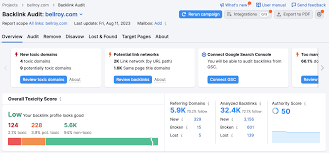
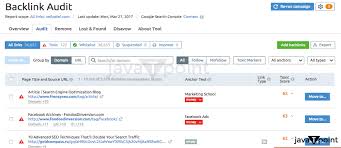
SEMrush is a comprehensive SEO tool that offers a dedicated Backlink Audit feature. With SEMrush, you can easily analyse your backlink profile, identify toxic links, and monitor the health of your link building efforts. The platform provides detailed insights into each backlink, including metrics such as domain authority, anchor text distribution, and referring domains.

The Benefits of Using SEMrush for Backlink Audits

  • Identify Toxic Links: SEMrush’s Backlink Audit tool helps you identify toxic or harmful links that could be impacting your site’s SEO performance.
  • Monitor Link Quality: With regular audits using SEMrush, you can monitor the quality of your backlinks over time and track improvements in your link profile.
  • Competitor Analysis: SEMrush allows you to compare your backlink profile with that of your competitors, giving you valuable insights into their linking strategies.
  • Actionable Recommendations: Based on the audit results, SEMrush provides actionable recommendations on how to improve your backlink profile and enhance your SEO efforts.

In Conclusion

A backlink audit with SEMrush is an essential part of maintaining a healthy and effective link profile for your website. By leveraging the powerful features of SEMrush’s Backlink Audit tool, you can gain valuable insights into your link building strategy, identify areas for improvement, and ultimately boost your site’s visibility on search engines.

Take control of your backlink profile today with SEMrush and ensure that your website remains competitive in the ever-evolving landscape of SEO.


Frequently Asked Questions About Conducting a Backlink Audit Using SEMrush

  1. How do I check my backlinks on SEMrush?
  2. How do you do a Semrush backlink in auditing?
  3. How long does SEMrush backlink audit take?
  4. How do you audit backlinks?
  5. Why do we audit backlinks?
  6. What is backlink in auditing?
  7. How do I remove a backlink audit from SEMrush?
  8. How long does a backlink audit take?
  9. How do you do a backlink audit in SEMrush?
  10. How do I check my SEMrush backlinks?
  11. What is back link audit?
  12. How do you audit a backlink?
  13. How do I find my Semrush toxic score?
  14. What is backlink audit in SEO?
  15. What does a backlink audit do?
  16. How often should you perform a link audit?
  17. How do I check if my backlinks are bad on SEMrush?
  18. How do you do a backlink analysis in Semrush?

To check your backlinks on SEMrush, simply log in to your SEMrush account and navigate to the Backlink Audit tool. Within the tool, you can enter your domain name or specific URL to initiate the backlink analysis process. SEMrush will then provide you with a comprehensive overview of your backlink profile, including metrics such as referring domains, anchor text distribution, and the authority of linking websites. You can further explore individual backlinks for detailed insights and take necessary actions to improve the quality and relevance of your link profile. Conducting regular backlink audits with SEMrush is crucial in ensuring the health and effectiveness of your website’s SEO strategy.

When conducting a backlink audit with SEMrush, the process typically involves accessing the Backlink Audit tool within the SEMrush platform. To begin, you would enter your domain or specific URL that you want to analyse for backlinks. SEMrush then scans and compiles a comprehensive report of your backlink profile, highlighting key metrics such as referring domains, anchor text distribution, and the authority of linking websites. The tool also identifies potentially toxic or low-quality links that may be harming your SEO performance. By utilising SEMrush for backlink auditing, you can gain valuable insights into the health of your link profile and take necessary actions to improve its quality and relevance.

When it comes to the duration of a SEMrush backlink audit, the time taken can vary depending on the size and complexity of your website’s backlink profile. Generally, SEMrush’s backlink audit feature works efficiently to analyse and provide insights into your backlinks in a timely manner. Smaller websites with simpler link profiles may see results within a shorter timeframe, while larger websites with extensive backlink networks may require more time for a comprehensive audit. It is recommended to allow sufficient time for SEMrush to thoroughly scan and evaluate your backlinks to ensure accurate results that can help you make informed decisions about your link building strategy.

Auditing backlinks is a critical process in maintaining a healthy and effective link profile for your website. With SEMrush’s Backlink Audit tool, you can easily conduct a comprehensive analysis of your backlink profile. To audit backlinks effectively, start by importing your website’s backlink data into SEMrush. The tool will then evaluate each link based on various metrics such as domain authority, anchor text distribution, and referring domains. Identify toxic or spammy links that could harm your site’s SEO performance and take necessary actions to disavow or remove them. Regularly monitoring and auditing your backlinks with SEMrush ensures that your link profile remains strong and contributes positively to your overall SEO efforts.

Auditing backlinks is a critical practice in maintaining a healthy and effective SEO strategy. By conducting regular backlink audits, we can assess the quality and relevance of the incoming links to our website. This process helps us identify any toxic or spammy links that could potentially harm our site’s search engine rankings. By ensuring that our backlink profile is clean and authoritative, we improve our website’s credibility and visibility online. Additionally, auditing backlinks allows us to monitor the effectiveness of our link building efforts, identify areas for improvement, and stay ahead of potential algorithm updates that could impact our SEO performance.

In the context of auditing, a backlink refers to a hyperlink that directs users from one website to another. When conducting a backlink audit using SEMrush or similar tools, the focus is on analysing the quality and relevance of these incoming links to a website. By examining the backlink profile, auditors can assess the authority and credibility of the linking domains, identify any potentially harmful or low-quality links that may negatively impact SEO performance, and make informed decisions on improving the overall health of the website’s link profile. Conducting regular backlink audits is crucial for maintaining a strong online presence and ensuring that websites adhere to best practices in search engine optimisation.

When it comes to removing a backlink audit from SEMrush, the process is straightforward and can be done with ease. To remove a backlink audit, simply access your SEMrush account and navigate to the Backlink Audit tool. From there, locate the specific backlink or domain you wish to remove from the audit report. SEMrush provides options to disavow or ignore certain backlinks, allowing you to exclude them from future analyses. By utilising these features effectively, you can ensure that your backlink audit accurately reflects your desired link profile and helps you make informed decisions for your SEO strategy.

The duration of a backlink audit using SEMrush can vary depending on the size of your website and the complexity of your backlink profile. Typically, conducting a thorough backlink audit with SEMrush can take anywhere from a few hours to several days. Factors such as the number of backlinks to be analysed, the level of detail required in the audit, and any specific issues that need to be addressed can all impact the time needed to complete the process. It is important to allocate sufficient time for a comprehensive backlink audit to ensure that all aspects of your link profile are thoroughly reviewed and any potential issues are addressed effectively.

To conduct a backlink audit in SEMrush, start by logging into your SEMrush account and navigating to the Backlink Audit tool. Enter the domain you want to audit and let SEMrush analyse your backlink profile. The tool will provide you with a comprehensive overview of your backlinks, including metrics such as domain authority, anchor text distribution, and referring domains. Identify any toxic or low-quality links that could be harming your site’s SEO performance and take necessary actions to disavow or remove them. SEMrush also offers actionable recommendations on how to improve your backlink profile and enhance your overall SEO strategy based on the audit results. Regularly monitoring and auditing your backlinks with SEMrush is essential for maintaining a healthy link profile and boosting your website’s visibility on search engines.

To check your SEMrush backlinks, simply navigate to the Backlink Audit tool within the SEMrush platform. Once you access the tool, you can enter your domain or specific URL to initiate the backlink analysis process. SEMrush will then generate a comprehensive report detailing all the backlinks pointing to your website, along with important metrics such as domain authority, anchor text distribution, and referring domains. You can use this information to evaluate the quality of your backlink profile, identify any toxic links that may be harming your SEO efforts, and make informed decisions to improve your link building strategy. Regularly checking your SEMrush backlinks is essential for maintaining a healthy and effective link profile that contributes to your website’s search engine visibility and authority.

A backlink audit is a comprehensive review of all the incoming links pointing to a website. It involves assessing the quality, relevance, and authority of these backlinks to determine their impact on the site’s SEO performance. By conducting a backlink audit with SEMrush, website owners can identify and address any toxic or spammy links that may be harming their search engine rankings. This process allows for a thorough analysis of the link profile, helping to improve overall SEO health and ensure that the website maintains a strong online presence.

Auditing backlinks is a crucial step in maintaining a healthy and effective link profile for your website. When conducting a backlink audit with SEMrush, start by accessing the Backlink Audit tool within the platform. This tool will provide you with a comprehensive overview of your backlink profile, including key metrics such as domain authority, anchor text distribution, and referring domains. Analyse each backlink individually to assess its quality and relevance to your site. Look out for any toxic or spammy links that could potentially harm your SEO efforts. By identifying and addressing problematic links, you can improve the overall health of your link profile and enhance your website’s visibility on search engines.

How do I find my Semrush toxic score?

When it comes to determining your Semrush toxic score, the process is straightforward with the Backlink Audit feature. By using Semrush’s Backlink Audit tool, you can easily access a detailed analysis of your backlink profile, including the identification of toxic links. The tool assigns a toxic score to each backlink based on various factors such as domain authority and spam signals. By reviewing the toxic score associated with your backlinks, you can prioritise the removal or disavowal of harmful links to improve your site’s overall SEO health and performance.

A backlink audit in SEO refers to the process of evaluating and analysing the incoming links pointing to a website to assess their quality, relevance, and impact on search engine rankings. By conducting a backlink audit, website owners can identify toxic or spammy links that may be harming their SEO performance and take corrective actions to improve their link profile. The goal of a backlink audit is to ensure that a website’s backlinks are from reputable sources, relevant to the site’s content, and contribute positively to its search engine visibility. Tools like SEMrush offer features specifically designed for conducting thorough backlink audits, providing valuable insights and recommendations for enhancing a website’s link building strategy.

A backlink audit serves the crucial purpose of evaluating and scrutinising the quality and relevance of the inbound links pointing to a website. By conducting a backlink audit with SEMrush, website owners can gain valuable insights into the health of their link profile. This process involves identifying toxic or spammy links that could potentially harm the site’s SEO performance, as well as assessing the overall strength and authority of the backlink profile. Through a comprehensive analysis provided by SEMrush’s Backlink Audit tool, users can make informed decisions on improving their link building strategy, enhancing their site’s credibility, and ultimately boosting their search engine visibility.

Performing a link audit is a critical aspect of maintaining a healthy and effective backlink profile for your website. The frequency at which you should conduct a link audit depends on various factors, including the size of your website, the pace of your link building activities, and the competitiveness of your industry. As a general guideline, it is recommended to perform a comprehensive link audit at least once every six months to ensure that your backlink profile remains clean and free from toxic or low-quality links. However, if you are actively engaged in aggressive link building campaigns or notice sudden drops in search engine rankings, more frequent audits may be necessary to promptly address any issues and safeguard your site’s SEO performance. Regular monitoring and maintenance of your backlink profile with tools like SEMrush can help you stay ahead of potential problems and maintain a strong online presence.

To check if your backlinks are bad on SEMrush, you can utilise the Backlink Audit feature to conduct a comprehensive analysis of your link profile. Start by accessing the Backlink Audit tool within SEMrush and inputting your domain or specific URL for evaluation. SEMrush will then generate a detailed report highlighting any toxic or harmful backlinks that may be negatively impacting your site’s SEO performance. By reviewing the audit results, you can identify and address any problematic links, ensuring that your backlink profile remains healthy and contributes positively to your website’s search engine visibility.

To conduct a backlink analysis in SEMrush, start by logging into your SEMrush account and navigating to the Backlink Audit tool. Enter your domain or the specific URL you want to analyse. SEMrush will then generate a comprehensive report detailing all the backlinks pointing to your site, including key metrics such as domain authority, anchor text distribution, and referring domains. You can further filter the results to focus on toxic links or specific types of backlinks. By utilising SEMrush’s intuitive interface and detailed insights, you can effectively evaluate the quality of your backlink profile and make informed decisions to improve your site’s SEO performance.

Understanding SEMrush Backlink Audit

Understanding SEMrush Backlink Audit

SEMrush is a powerful tool that offers a wide range of features to help website owners improve their online presence. One essential feature provided by SEMrush is the Backlink Audit tool. In this article, we will delve into what the SEMrush Backlink Audit tool is and how it can benefit your website.

What is SEMrush Backlink Audit?

The SEMrush Backlink Audit tool is designed to analyse the backlink profile of a website and identify potentially harmful backlinks that could negatively impact its search engine rankings. It helps website owners to monitor and manage their backlinks effectively, ensuring that only high-quality and relevant links are pointing to their site.

Key Features of SEMrush Backlink Audit

The key features of the SEMrush Backlink Audit tool include:

  • Backlink Analysis: The tool provides a comprehensive analysis of your website’s backlink profile, highlighting both good and bad links.
  • Toxic Link Detection: It identifies toxic or spammy backlinks that could harm your site’s SEO performance.

  • Disavow Tool Integration: SEMrush allows you to easily export a list of toxic links for disavowal in Google Search Console.
  • Competitor Analysis: You can compare your backlink profile with that of your competitors to gain insights and competitive advantage.

Benefits of Using SEMrush Backlink Audit

The benefits of using the SEMrush Backlink Audit tool include:

  • Improved SEO Performance: By identifying and removing harmful backlinks, you can enhance your site’s SEO performance and rankings.
  • Better Link Building Strategy: The tool helps you focus on building quality links that positively impact your site’s authority and credibility.
  • Risk Mitigation: By proactively monitoring your backlinks, you reduce the risk of being penalised by search engines for having low-quality links.

In Conclusion

The SEMrush Backlink Audit tool is an invaluable asset for any website owner looking to maintain a healthy backlink profile and improve their SEO performance. By leveraging this tool, you can ensure that your website remains competitive in search engine results and attracts valuable organic traffic.


Top 5 Tips for Enhancing Your SEO with SEMrush Backlink Audit

  1. Regularly monitor your backlink profile using SEMrush Backlink Audit to identify and disavow toxic links.
  2. Focus on acquiring high-quality backlinks from authoritative websites to improve your website’s SEO performance.
  3. Utilize the anchor text analysis feature in SEMrush Backlink Audit to optimize your link building strategy.
  4. Take advantage of the historical data provided by SEMrush Backlink Audit to track changes in your backlink profile over time.
  5. Collaborate with other website owners to gain relevant and natural backlinks that can positively impact your site’s ranking.

Regularly monitoring your website’s backlink profile using the SEMrush Backlink Audit tool is crucial for maintaining a healthy SEO strategy. By consistently analysing your backlinks, you can promptly identify any toxic or spammy links that may harm your site’s search engine rankings. Utilising the disavow feature within SEMrush allows you to take proactive steps in removing these harmful links, thus safeguarding your website’s credibility and ensuring that only high-quality backlinks contribute positively to your online presence.

To enhance your website’s SEO performance using SEMrush Backlink Audit, it is crucial to concentrate on acquiring high-quality backlinks from authoritative websites. By prioritising links from reputable sources, you not only boost your site’s credibility and authority in the eyes of search engines but also increase the likelihood of ranking higher in search results. SEMrush Backlink Audit can assist you in identifying and targeting these valuable backlinks, ultimately leading to improved organic traffic and better overall SEO outcomes for your website.

By utilising the anchor text analysis feature in SEMrush Backlink Audit, website owners can gain valuable insights to optimise their link building strategy. This feature allows users to analyse the anchor text used in their backlinks, helping them understand how their site is being linked to and identify opportunities for improving keyword relevance and diversity. By leveraging this information, website owners can tailor their anchor text strategy to enhance the authority and relevance of their site, ultimately boosting their SEO performance and driving organic traffic.

By utilising the historical data offered by SEMrush Backlink Audit, you can effectively monitor and track alterations in your backlink profile across different time periods. This feature allows you to observe trends, identify patterns, and assess the impact of your link-building efforts over time. By analysing historical data, you can make informed decisions to enhance the quality and relevance of your backlinks, ultimately improving your website’s SEO performance and online visibility.

Collaborating with other website owners to acquire relevant and natural backlinks is a strategic tip that can significantly enhance your site’s ranking through SEMrush Backlink Audit. By establishing partnerships with reputable websites in your industry, you can not only expand your online presence but also build a network of high-quality backlinks that signal credibility to search engines. This approach fosters organic link building, which is favoured by search algorithms and can contribute to improved SEO performance over time. Leveraging SEMrush Backlink Audit to monitor the quality of these collaborative links ensures that your backlink profile remains strong and positively influences your site’s visibility in search results.

The Importance of Efficient Work Processes

The Importance of Efficient Work Processes

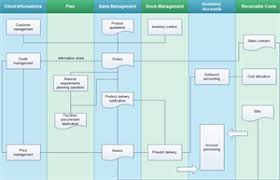
Work processes are the backbone of any successful organisation. They define how tasks are accomplished, how decisions are made, and how resources are allocated. Efficient work processes can streamline operations, increase productivity, and improve overall performance.

Benefits of Well-Defined Work Processes

Increased Productivity: Clear work processes eliminate confusion and reduce time wasted on figuring out how to complete tasks. Employees can focus on their work without unnecessary interruptions.

Consistency: Standardised processes ensure that tasks are performed the same way each time, leading to consistent results and quality output.

Improved Communication: Well-defined processes clarify roles and responsibilities within a team or organisation, promoting better communication and collaboration.

Cost Efficiency: Streamlined processes reduce inefficiencies and redundancies, ultimately saving time and resources.

Tips for Optimising Work Processes

  • Document Processes: Create detailed process documentation that outlines step-by-step instructions for completing tasks.
  • Solicit Feedback: Encourage employees to provide feedback on existing processes to identify areas for improvement.
  • Automate Tasks: Use technology to automate repetitive tasks, freeing up time for more strategic activities.
  • Regular Review: Continuously review and update work processes to adapt to changing business needs and industry trends.

In Conclusion

An organisation with efficient work processes is better positioned to achieve its goals and maintain a competitive edge in today’s fast-paced business environment. By prioritising process optimisation and continuous improvement, businesses can enhance operational efficiency, employee satisfaction, and overall success.


7 Essential Tips for Optimising Your Work Processes

  1. Create a daily to-do list to stay organised and focused.
  2. Prioritise tasks based on deadlines and importance.
  3. Break down complex projects into smaller, manageable tasks.
  4. Take regular breaks to prevent burnout and maintain productivity.
  5. Communicate clearly with colleagues to avoid misunderstandings.
  6. Use technology tools like project management software to streamline work processes.
  7. Review your work regularly to identify areas for improvement.

Create a daily to-do list to stay organised and focused.

Creating a daily to-do list is a simple yet powerful strategy to enhance productivity and focus in work processes. By outlining tasks and priorities for the day, individuals can better organise their time, set clear goals, and maintain a sense of direction throughout their workday. A well-structured to-do list not only helps in staying organised but also boosts motivation as tasks are completed and checked off the list, providing a sense of accomplishment and progress.

Prioritise tasks based on deadlines and importance.

In the realm of work processes, a crucial tip is to prioritise tasks based on their deadlines and importance. By assigning priority levels to tasks according to their urgency and significance, individuals and teams can effectively manage their workload and ensure that critical deadlines are met. This approach not only helps in maintaining focus and productivity but also enables resources to be allocated efficiently towards high-impact activities, ultimately contributing to the overall success of projects and organisational goals.

Break down complex projects into smaller, manageable tasks.

Breaking down complex projects into smaller, manageable tasks is a crucial strategy for enhancing work processes. By dividing a large project into smaller components, employees can focus on one task at a time, leading to increased clarity and productivity. This approach not only makes the project more manageable but also allows for better tracking of progress and easier identification of potential bottlenecks. Ultimately, breaking down complex projects into smaller tasks promotes efficiency and helps teams achieve their objectives more effectively.

Take regular breaks to prevent burnout and maintain productivity.

Taking regular breaks is a crucial aspect of maintaining productivity and preventing burnout in the workplace. By stepping away from work at intervals, employees can recharge their energy levels, regain focus, and avoid mental fatigue. Breaks provide an opportunity to relax, clear the mind, and return to tasks with renewed vigour and creativity. Incorporating short breaks into the workday not only enhances productivity but also promotes overall well-being and work-life balance. Remember, a well-rested mind is a productive mind.

Communicate clearly with colleagues to avoid misunderstandings.

Clear communication with colleagues is essential to prevent misunderstandings and promote effective collaboration in the workplace. By articulating ideas, expectations, and feedback concisely and openly, team members can ensure that everyone is on the same page and working towards common goals. When communication is transparent and precise, it fosters a positive working environment where tasks are completed efficiently, conflicts are minimised, and productivity is maximised.

Use technology tools like project management software to streamline work processes.

By utilising technology tools such as project management software, organisations can significantly streamline their work processes. These tools offer features that facilitate task assignment, progress tracking, collaboration, and communication within teams. By centralising project-related information and automating routine tasks, project management software enhances efficiency, reduces errors, and promotes transparency in workflow management. Implementing such tools can lead to improved productivity and overall effectiveness in achieving project goals.

Review your work regularly to identify areas for improvement.

Regularly reviewing your work processes is a crucial step in maintaining efficiency and effectiveness within your organisation. By consistently evaluating how tasks are carried out and identifying areas for improvement, you can ensure that your operations remain streamlined and productive. This practice allows you to adapt to changing circumstances, address inefficiencies, and implement enhancements that drive continuous progress and success. Embracing a culture of regular review fosters a proactive approach to problem-solving and empowers your team to strive for excellence in all aspects of their work.

The Importance of Monitoring Software in Today’s Digital World

The Importance of Monitoring Software in Today’s Digital World

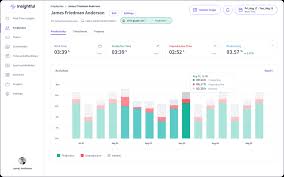
Monitoring software plays a crucial role in the ever-evolving landscape of technology and cybersecurity. As organisations rely more on digital infrastructure to conduct their operations, the need for robust monitoring tools becomes increasingly evident. Whether it’s tracking network performance, ensuring data security, or monitoring user activity, monitoring software provides essential insights that help maintain the integrity and efficiency of IT systems.

Network Performance Monitoring

One of the key functions of monitoring software is to track network performance metrics. By continuously monitoring factors such as bandwidth usage, latency, and packet loss, organisations can identify potential bottlenecks or issues that may impact the overall performance of their networks. This proactive approach allows IT teams to address problems swiftly and optimise network resources to ensure smooth operations.

Data Security and Compliance

Monitoring software also plays a vital role in safeguarding sensitive data and ensuring compliance with regulations. By tracking access logs, file modifications, and user activities, organisations can detect suspicious behaviour or unauthorised access attempts promptly. This level of visibility not only helps prevent security breaches but also assists in meeting regulatory requirements related to data protection and privacy.

User Activity Monitoring

Understanding how employees interact with IT systems is essential for maintaining productivity and security within an organisation. Monitoring software allows administrators to track user activity across applications, devices, and networks. By analysing this data, organisations can identify trends, enforce usage policies, and detect any anomalies that may indicate insider threats or policy violations.

Conclusion

In conclusion, monitoring software is a critical component of modern IT infrastructure management. From enhancing network performance to strengthening data security and ensuring compliance with regulations, monitoring tools provide valuable insights that empower organisations to proactively manage their digital environments. By investing in robust monitoring solutions, businesses can stay ahead of potential threats, optimise their operations, and maintain a secure and efficient IT ecosystem.


Effective Strategies for Optimising Monitoring Software Usage

  1. Regularly review and analyse monitoring data to identify trends and potential issues.
  2. Set up alerts for critical events or performance thresholds to ensure timely response.
  3. Ensure monitoring software is configured correctly to capture relevant metrics and data.
  4. Regularly update monitoring tools to take advantage of new features and security patches.
  5. Train staff on how to interpret monitoring data effectively and respond appropriately.

Regularly reviewing and analysing monitoring data is a fundamental tip in maximising the effectiveness of monitoring software. By consistently examining the data collected, organisations can uncover valuable insights into their IT environment, identify emerging trends, and proactively address potential issues before they escalate. This practice not only helps in maintaining optimal performance and security but also enables businesses to make informed decisions based on real-time information, ultimately enhancing their overall operational efficiency and resilience against evolving threats.

Set up alerts for critical events or performance thresholds to ensure timely response.

Setting up alerts for critical events or performance thresholds is a key tip in effectively utilising monitoring software. By configuring alerts to notify IT teams or administrators when predefined thresholds are breached or when critical events occur, organisations can ensure a timely response to potential issues. This proactive approach allows for swift intervention, minimising downtime and mitigating risks before they escalate. By receiving real-time notifications, teams can address issues promptly, maintain system stability, and uphold the overall health of their IT infrastructure.

Ensure monitoring software is configured correctly to capture relevant metrics and data.

It is essential to ensure that monitoring software is configured correctly to capture relevant metrics and data effectively. Proper configuration plays a crucial role in the accuracy and usefulness of the information gathered by the software. By setting up monitoring tools to focus on specific metrics that align with organisational goals and objectives, businesses can gain valuable insights into their IT infrastructure’s performance, security, and user activities. This proactive approach not only enhances the effectiveness of monitoring efforts but also enables organisations to make informed decisions based on reliable data, ultimately improving overall operational efficiency and security posture.

Regularly update monitoring tools to take advantage of new features and security patches.

To ensure the effectiveness of monitoring software, it is essential to regularly update the tools to leverage new features and security patches. By staying current with updates, organisations can benefit from enhanced functionality, improved performance, and increased protection against emerging threats. Updating monitoring tools not only optimises their capabilities but also strengthens the overall security posture of IT systems by addressing vulnerabilities and ensuring that the software remains resilient in the face of evolving cybersecurity challenges.

Train staff on how to interpret monitoring data effectively and respond appropriately.

Training staff on how to interpret monitoring data effectively and respond appropriately is a crucial tip when implementing monitoring software within an organisation. By providing employees with the necessary knowledge and skills to understand the data generated by monitoring tools, organisations can empower their teams to identify potential issues, anomalies, or security threats promptly. Effective interpretation of monitoring data enables staff to take proactive measures, address problems in a timely manner, and make informed decisions to enhance network performance, ensure data security, and maintain compliance with regulations. Investing in training programmes that focus on data interpretation not only strengthens the organisation’s overall cybersecurity posture but also fosters a culture of vigilance and accountability among employees.

The Importance of a Comprehensive Management Solution

The Importance of a Comprehensive Management Solution

In today’s fast-paced business environment, having an effective management solution is crucial for the success and growth of any organisation. A comprehensive management solution encompasses a range of tools, processes, and strategies that help streamline operations, improve efficiency, and drive productivity.

Enhanced Organisational Efficiency

A robust management solution provides organisations with the tools they need to automate tasks, track performance metrics, and monitor progress towards goals. By centralising data and processes, managers can make informed decisions quickly and effectively, leading to enhanced organisational efficiency.

Improved Communication and Collaboration

A management solution facilitates better communication and collaboration among team members by providing a platform for sharing information, assigning tasks, and tracking progress. This fosters teamwork, reduces misunderstandings, and ensures that everyone is aligned towards common objectives.

Strategic Decision-Making

With access to real-time data and analytics, managers can make more strategic decisions that are based on accurate information rather than guesswork. A comprehensive management solution enables leaders to identify trends, anticipate challenges, and seize opportunities for growth.

Compliance and Risk Management

Organisations operating in regulated industries must adhere to strict compliance standards to avoid penalties and reputational damage. A management solution with built-in compliance features helps ensure that processes are aligned with regulations and that risks are identified and mitigated proactively.

Scalability and Adaptability

As businesses evolve and grow, their management needs also change. A comprehensive management solution should be scalable and adaptable to accommodate expansion or changes in business requirements. This flexibility ensures that the organisation can continue to operate efficiently regardless of its size or complexity.

Conclusion

In conclusion, investing in a comprehensive management solution is essential for organisations looking to stay competitive in today’s dynamic business landscape. By leveraging the right tools and strategies, businesses can streamline operations, improve decision-making, enhance collaboration, mitigate risks, and drive sustainable growth.


Frequently Asked Questions about Management Solutions: History, Expertise, and Definitions

  1. When was Management Solutions founded?
  2. What is management solutions known for?
  3. What is business management solution?
  4. What is a management solution?

When was Management Solutions founded?

Management Solutions was founded in 1999 by a group of experienced professionals with a vision to provide innovative and effective management solutions to businesses worldwide. With a strong commitment to excellence and a deep understanding of industry needs, Management Solutions has since established itself as a trusted partner for organisations seeking to optimise their operations, drive growth, and achieve sustainable success.

What is management solutions known for?

Management solutions are known for their ability to streamline operations, enhance efficiency, and drive productivity within organisations. By providing a range of tools, processes, and strategies, management solutions help businesses automate tasks, improve communication and collaboration among team members, make strategic decisions based on real-time data, ensure compliance with regulations, manage risks effectively, and adapt to changing business needs. Overall, management solutions are recognised for their role in optimising organisational performance and fostering growth in a competitive business environment.

What is business management solution?

A business management solution refers to a comprehensive set of tools, processes, and strategies designed to streamline operations, enhance efficiency, and drive productivity within an organisation. It encompasses software systems that help businesses manage various aspects of their operations, such as project management, resource allocation, financial planning, and customer relationship management. By providing a centralised platform for data integration and analysis, a business management solution enables decision-makers to make informed choices based on real-time information, leading to improved performance and strategic growth opportunities.

What is a management solution?

A management solution refers to a comprehensive set of tools, processes, and strategies designed to streamline operations, enhance efficiency, and drive productivity within an organisation. It serves as a centralised platform that enables managers to automate tasks, monitor performance metrics, facilitate communication and collaboration among team members, make informed strategic decisions based on real-time data and analytics, ensure compliance with regulations, manage risks proactively, and adapt to the evolving needs of the business. In essence, a management solution acts as a critical framework that empowers businesses to optimise their operations and achieve their objectives effectively in today’s competitive business environment.

The Importance of Management Systems in Modern Business

The Importance of Management Systems in Modern Business

Management systems play a crucial role in the success and efficiency of modern businesses. These systems encompass a set of processes, policies, and procedures designed to streamline operations, enhance productivity, and ensure compliance with industry standards and regulations.

Efficient Resource Allocation

Effective management systems help organisations allocate resources optimally. By establishing clear guidelines for resource allocation, businesses can minimise waste and maximise productivity. Whether it’s human resources, financial assets, or time management, a well-implemented management system ensures that resources are utilised efficiently to achieve business objectives.

Enhanced Communication and Collaboration

Management systems facilitate communication and collaboration among team members. Through defined roles and responsibilities, as well as streamlined processes for information sharing, employees can work together more effectively towards common goals. Clear communication channels within a management system promote transparency and accountability across all levels of an organisation.

Risk Mitigation and Compliance

Modern businesses operate in complex regulatory environments where non-compliance can lead to severe consequences. Management systems help mitigate risks by establishing protocols for risk assessment, mitigation strategies, and compliance monitoring. By adhering to industry standards and regulations, businesses can avoid legal issues and reputational damage.

Continuous Improvement

A key aspect of management systems is their focus on continuous improvement. By collecting data, analysing performance metrics, and identifying areas for enhancement, organisations can adapt to changing market conditions and customer demands. Continuous improvement fosters innovation and ensures that businesses remain competitive in dynamic industries.

Conclusion

In conclusion, management systems are essential tools for modern businesses seeking to achieve operational excellence and sustainable growth. By implementing robust management systems that address resource allocation, communication, risk mitigation, compliance, and continuous improvement, organisations can navigate challenges effectively and seize opportunities for success.


Top 7 Tips for Optimising Your Management System

  1. Clearly define roles and responsibilities within the management system.
  2. Establish effective communication channels to ensure information flows smoothly.
  3. Set clear goals and objectives to provide direction for the team.
  4. Regularly review and evaluate the performance of the management system.
  5. Ensure that all employees are properly trained on using the management system.
  6. Encourage collaboration and teamwork among staff members within the system.
  7. Continuously seek feedback from stakeholders to improve the management system.

Clearly define roles and responsibilities within the management system.

In the realm of management systems, a crucial tip for enhancing organisational efficiency is to clearly define roles and responsibilities. By establishing distinct roles and outlining specific responsibilities within the management framework, businesses can promote accountability, streamline decision-making processes, and foster effective communication among team members. Clarity in role definition not only reduces confusion and conflicts but also empowers employees to understand their contributions towards achieving shared objectives, ultimately leading to a more cohesive and productive work environment.

Establish effective communication channels to ensure information flows smoothly.

Establishing effective communication channels is a fundamental tip in implementing successful management systems within organisations. By creating clear pathways for information to flow smoothly, businesses can enhance collaboration, decision-making, and overall efficiency. Transparent communication channels help ensure that key stakeholders are informed, engaged, and aligned with the organisation’s goals and objectives. This leads to improved coordination among team members, minimises misunderstandings, and fosters a culture of openness and accountability within the workplace.

Set clear goals and objectives to provide direction for the team.

Setting clear goals and objectives is a fundamental tip in effective management systems as it provides essential direction for the team. By establishing specific and measurable goals, team members are able to align their efforts towards achieving common objectives. Clear goals not only clarify expectations but also motivate employees by giving them a sense of purpose and accomplishment. When everyone understands what they are working towards, collaboration becomes more focused, decision-making becomes more strategic, and overall performance improves. In essence, setting clear goals and objectives is a cornerstone of successful management systems that drive productivity and success within organisations.

Regularly review and evaluate the performance of the management system.

Regularly reviewing and evaluating the performance of a management system is crucial for ensuring its effectiveness and relevance in meeting organisational goals. By conducting periodic assessments, businesses can identify strengths, weaknesses, and areas for improvement within the system. This proactive approach allows management to make informed decisions based on data-driven insights, leading to continuous refinement and enhancement of processes. Regular reviews also help in adapting the management system to changing business environments and emerging challenges, ultimately fostering a culture of continuous improvement and driving long-term success.

Ensure that all employees are properly trained on using the management system.

To maximise the effectiveness of a management system, it is crucial to ensure that all employees receive proper training on its usage. By providing comprehensive training sessions, businesses can empower their staff to navigate the system efficiently and leverage its capabilities to streamline operations and enhance productivity. Well-trained employees are better equipped to adhere to established processes, communicate effectively within the system, and contribute towards achieving organisational goals. Investing in employee training not only promotes system proficiency but also fosters a culture of continuous improvement and innovation within the workplace.

Encourage collaboration and teamwork among staff members within the system.

Encouraging collaboration and teamwork among staff members within a management system is essential for fostering a cohesive and productive work environment. By promoting open communication, sharing of ideas, and mutual support, organisations can harness the collective expertise and creativity of their teams to achieve common goals. When employees collaborate effectively within the system, they can leverage each other’s strengths, address challenges collectively, and drive innovation. This collaborative approach not only enhances job satisfaction and morale but also leads to improved decision-making processes and overall business performance.

Continuously seek feedback from stakeholders to improve the management system.

Continuous feedback from stakeholders is a valuable practice in enhancing the effectiveness of a management system. By actively seeking input from individuals who are directly impacted by the system, organisations can gain valuable insights into areas for improvement and identify potential issues before they escalate. Stakeholder feedback not only fosters a sense of inclusivity and collaboration but also ensures that the management system remains relevant and aligned with the evolving needs of the business and its stakeholders.