Azure Active Directory Access Control

Azure Active Directory Access Control

Azure Active Directory (Azure AD) is Microsoft’s cloud-based identity and access management service that helps your employees sign in and access resources securely. One crucial aspect of Azure AD is access control, which plays a vital role in ensuring that only authorised users can access specific resources within your organisation.

Role-Based Access Control (RBAC)

Azure AD offers Role-Based Access Control (RBAC), a method of managing access to resources based on the roles assigned to users. With RBAC, you can define roles with specific permissions and assign those roles to users or groups. This approach simplifies access management by granting permissions at a role level rather than individual user level.

Conditional Access Policies

Conditional Access Policies in Azure AD enable you to enforce additional security measures based on specific conditions. For example, you can require multi-factor authentication for users attempting to access sensitive data outside the corporate network or prompt for device compliance checks before granting access. These policies help strengthen security without compromising user experience.

Privileged Identity Management (PIM)

Azure AD Privileged Identity Management (PIM) provides oversight and control over privileged roles within your organisation. PIM allows you to monitor and manage who has access to privileged roles, require approval for elevation of privileges, and enforce just-in-time access for critical tasks. By implementing PIM, you can reduce the risk of misuse of privileged accounts.

Access Reviews

To maintain a secure environment, regular access reviews are essential. Azure AD offers automated access reviews that enable administrators to periodically review user access rights and ensure that permissions are up-to-date and aligned with business requirements. By conducting these reviews, you can mitigate the risk of excessive or inappropriate access.

Conclusion

Azure Active Directory provides robust access control capabilities that empower organisations to secure their resources effectively. By leveraging features such as RBAC, Conditional Access Policies, Privileged Identity Management, and Access Reviews, organisations can establish a strong security posture while enabling seamless collaboration and productivity for their users.


Essential Tips for Enhancing Access Control with Azure Active Directory

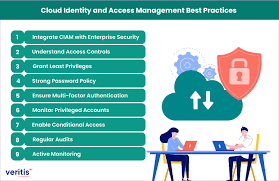
  1. Use Azure AD roles to assign permissions to users and groups.
  2. Implement conditional access policies to control access based on conditions.
  3. Enable multi-factor authentication for added security.
  4. Regularly review and audit user access rights in Azure AD.
  5. Utilise Privileged Identity Management for managing admin roles effectively.
  6. Set up role-based access control (RBAC) to restrict access based on job roles.
  7. Integrate with Azure AD Connect to synchronise on-premises directories with Azure AD.
  8. Monitor sign-ins and security alerts in Azure AD for potential threats.

Use Azure AD roles to assign permissions to users and groups.

When implementing access control in Azure Active Directory, a valuable tip is to utilise Azure AD roles to assign permissions to users and groups. By defining roles with specific sets of permissions and then assigning those roles to users or groups, organisations can streamline access management processes. This approach simplifies the task of granting and revoking permissions, as administrators can manage access at a role level rather than dealing with individual user permissions. Utilising Azure AD roles enhances security, ensures consistency in access control, and facilitates efficient administration of resources within the Azure environment.

Implement conditional access policies to control access based on conditions.

By implementing conditional access policies in Azure Active Directory, organisations can exert granular control over user access based on specific conditions. This powerful feature allows administrators to set rules that dictate when and how users can access resources, adding an extra layer of security to the authentication process. By defining conditions such as location, device compliance, or user risk level, organisations can tailor access controls to match their security requirements, thereby enhancing overall data protection and reducing the risk of unauthorised access.

Enable multi-factor authentication for added security.

Enabling multi-factor authentication in Azure Active Directory is a highly recommended practice to enhance security. By requiring users to provide an additional verification method beyond just a password, such as a code sent to their mobile device or biometric authentication, organisations can significantly reduce the risk of unauthorised access. Multi-factor authentication adds an extra layer of protection that strengthens the overall security posture of the environment, safeguarding sensitive data and resources from potential threats.

Regularly review and audit user access rights in Azure AD.

Regularly reviewing and auditing user access rights in Azure Active Directory is a critical practice to ensure the security and integrity of your organisation’s resources. By conducting periodic assessments of user permissions, you can identify and rectify any discrepancies or unauthorised access promptly. This proactive approach not only helps prevent potential security breaches but also ensures that users have the appropriate level of access required for their roles. Regular reviews and audits of user access rights in Azure AD are essential steps towards maintaining a robust security posture and safeguarding sensitive data within your environment.

Utilise Privileged Identity Management for managing admin roles effectively.

By utilising Privileged Identity Management within Azure Active Directory, organisations can effectively manage admin roles and enhance security measures. Privileged Identity Management offers oversight and control over privileged roles, allowing administrators to monitor and regulate access to critical resources. By implementing PIM, organisations can enforce just-in-time access, require approval for privilege elevation, and reduce the risk of unauthorised access or misuse of privileged accounts. This proactive approach ensures that only authorised personnel have elevated permissions when necessary, strengthening overall security posture within the Azure environment.

Set up role-based access control (RBAC) to restrict access based on job roles.

Setting up Role-Based Access Control (RBAC) in Azure Active Directory is a powerful way to manage access and enhance security within an organisation. By assigning specific roles with predefined permissions to users based on their job functions, administrators can effectively restrict access to resources and data. This approach not only simplifies access management but also ensures that individuals have the necessary level of access required to perform their duties, reducing the risk of unauthorised actions and enhancing overall security posture.

Integrate with Azure AD Connect to synchronise on-premises directories with Azure AD.

Integrating with Azure AD Connect allows organisations to synchronise their on-premises directories with Azure AD seamlessly. By establishing this connection, user accounts, groups, and attributes can be synchronised between on-premises environments and the cloud, ensuring a consistent identity management experience. This integration streamlines user provisioning and access control processes, enabling administrators to manage user identities centrally while leveraging the security features of Azure AD across both on-premises and cloud resources.

Monitor sign-ins and security alerts in Azure AD for potential threats.

Monitoring sign-ins and security alerts in Azure Active Directory is a crucial tip for maintaining a secure environment. By actively monitoring user sign-ins and staying vigilant for security alerts, organisations can swiftly identify and respond to potential threats. Keeping a close eye on user activity allows for early detection of suspicious behaviour, such as unusual sign-in locations or multiple failed login attempts, enabling proactive measures to mitigate security risks. By leveraging the monitoring capabilities of Azure AD, organisations can stay ahead of potential threats and safeguard their resources effectively.

The Importance of Cyber Network Security

The Importance of Cyber Network Security

In today’s digital age, where businesses and individuals rely heavily on interconnected networks for communication, transactions, and data storage, cyber network security has become more critical than ever before. Cyber threats are constantly evolving and becoming more sophisticated, posing significant risks to the integrity and confidentiality of sensitive information.

Effective cyber network security involves implementing robust measures to protect networks, systems, and data from cyber attacks. This includes deploying firewalls, intrusion detection systems, encryption protocols, access controls, and regular security audits to identify vulnerabilities and mitigate risks.

One of the primary reasons why cyber network security is essential is to safeguard the confidentiality of data. Businesses store vast amounts of sensitive information, such as customer details, financial records, and intellectual property, which can be targeted by cybercriminals for malicious purposes. A breach in network security can lead to data theft, financial losses, reputational damage, and legal consequences.

Furthermore, ensuring strong cyber network security is crucial for maintaining the availability and reliability of services. Downtime caused by cyber attacks can disrupt operations, result in financial losses due to service unavailability or downtime penalties.

Protecting the integrity of data is another key aspect of cyber network security. Cyber attacks aimed at altering or destroying data can have severe consequences for businesses and individuals alike. By implementing measures such as data backups and integrity checks, organisations can minimise the impact of such attacks.

In conclusion, investing in robust cyber network security measures is imperative for safeguarding sensitive information, maintaining operational continuity, and protecting against potential cyber threats. By staying vigilant and proactive in addressing cybersecurity risks, businesses can mitigate vulnerabilities and enhance their resilience in the face of evolving cyber threats.


Top 8 Frequently Asked Questions About Cyber and Network Security

  1. What is cyber and network security?
  2. Is cybersecurity a good career?
  3. What is cyber security?
  4. What is that cyber security?
  5. What is cyber networking?
  6. What are the five types of network security?
  7. What are the five types of cyber security?
  8. What are the 5 types of cyber security?

What is cyber and network security?

Cyber and network security refer to the practices and technologies implemented to protect computer systems, networks, and data from cyber threats. Cybersecurity focuses on safeguarding digital information against unauthorised access, data breaches, malware attacks, and other cyber risks. Network security, on the other hand, specifically addresses the protection of network infrastructure, including routers, switches, firewalls, and servers, to ensure secure data transmission and communication. Together, cyber and network security measures aim to establish a secure environment that defends against potential cyber attacks and maintains the confidentiality, integrity, and availability of sensitive information within an organisation’s IT infrastructure.

Is cybersecurity a good career?

In the realm of cyber network security, the question frequently asked is, “Is cybersecurity a good career?” The answer to this query is a resounding yes. Cybersecurity has emerged as a dynamic and high-demand field offering diverse opportunities for professionals seeking a rewarding career path. With the increasing prevalence of cyber threats and data breaches across industries, the demand for skilled cybersecurity experts continues to rise. A career in cybersecurity not only provides job security but also offers the chance to make a significant impact in safeguarding sensitive information and combating cyber threats. As technology evolves, so do the challenges in cybersecurity, making it an exciting and ever-evolving field for individuals passionate about protecting digital assets and ensuring online safety.

What is cyber security?

Cyber security encompasses a set of practices, technologies, and processes designed to protect networks, systems, and data from cyber threats. It involves safeguarding digital assets against unauthorised access, data breaches, malware infections, and other malicious activities carried out by cybercriminals. Cyber security aims to ensure the confidentiality, integrity, and availability of information stored and transmitted across digital networks. By implementing robust security measures such as encryption, access controls, firewalls, and regular monitoring, organisations can mitigate risks and strengthen their defences against evolving cyber threats in today’s interconnected world.

What is that cyber security?

Cyber security encompasses a range of practices, technologies, and processes designed to protect networks, systems, and data from cyber threats. It involves safeguarding digital assets from unauthorised access, use, disclosure, disruption, modification, or destruction. Cyber security measures include implementing firewalls, encryption protocols, access controls, and regular security audits to identify vulnerabilities and mitigate risks. By prioritising cyber security, individuals and organisations can enhance their resilience against cyber attacks and safeguard the confidentiality, integrity, and availability of sensitive information in today’s interconnected digital landscape.

What is cyber networking?

Cyber networking refers to the interconnected systems and devices that enable communication and data exchange over digital networks. It encompasses the infrastructure, protocols, and technologies used to facilitate the transfer of information between computers and other electronic devices. Cyber networking plays a crucial role in enabling individuals, businesses, and organisations to connect globally, share resources, access online services, and collaborate effectively. However, with the convenience of cyber networking comes the inherent risks of cyber threats, such as hacking, malware, phishing attacks, and data breaches. Implementing robust cyber network security measures is essential to protect against these risks and ensure the confidentiality, integrity, and availability of data transmitted over digital networks.

What are the five types of network security?

Network security encompasses various measures and strategies to protect networks from cyber threats. When considering the types of network security, five key categories stand out: 1) Access control, which regulates who can access the network and its resources; 2) Firewalls, acting as a barrier between internal and external networks to monitor and block potentially harmful traffic; 3) Intrusion Detection Systems (IDS) and Intrusion Prevention Systems (IPS), which detect and respond to suspicious activities or attacks in real-time; 4) Virtual Private Networks (VPNs), providing secure remote access for users connecting to the network from external locations; and 5) Encryption, ensuring that data transmitted across the network is securely encoded to prevent unauthorised interception. These types of network security measures work together to create a multi-layered defence system against cyber threats, safeguarding the integrity, confidentiality, and availability of network resources.

What are the five types of cyber security?

In the realm of cyber network security, understanding the five key types of cybersecurity is crucial for safeguarding digital assets against a myriad of threats. These types include network security, which focuses on protecting networks from unauthorised access and cyber attacks; application security, which involves securing software and applications from vulnerabilities that could be exploited by hackers; information security, which centres on safeguarding data integrity, confidentiality, and availability; endpoint security, which aims to protect individual devices like computers and mobile devices from cyber threats; and cloud security, which focuses on securing data stored in cloud environments to prevent data breaches and ensure secure access. By comprehensively addressing these various types of cybersecurity, organisations can fortify their defences and enhance their overall cyber resilience.

What are the 5 types of cyber security?

When considering the question “What are the 5 types of cyber security?”, it is important to understand the diverse approaches and strategies employed in safeguarding digital assets. The five primary types of cyber security encompass network security, which focuses on protecting networks from unauthorised access and cyber attacks; application security, which involves securing software and applications from vulnerabilities; information security, which entails safeguarding data integrity and confidentiality; endpoint security, which aims to secure individual devices like computers and mobile devices; and cloud security, which focuses on protecting data stored in cloud environments. Each type plays a crucial role in fortifying overall cyber defences and mitigating potential risks in the ever-evolving digital landscape.

Cybersecurity as a Service: Protecting Your Business in the Digital Age

The Rise of Cybersecurity as a Service

In today’s interconnected world, where businesses rely heavily on digital technologies, cybersecurity has become a top priority. With the increasing frequency and sophistication of cyber threats, organisations are seeking innovative solutions to protect their sensitive data and systems.

One such solution that has gained traction in recent years is Cybersecurity as a Service (CaaS). This model offers businesses the opportunity to outsource their cybersecurity needs to specialised providers who offer a range of security services on a subscription basis.

Benefits of Cybersecurity as a Service

There are several benefits to adopting CaaS for your organisation:

  • Cost-Effectiveness: By opting for CaaS, businesses can access high-quality cybersecurity services without the need to invest in expensive infrastructure or hire dedicated security professionals.
  • Scalability: CaaS providers offer flexible solutions that can scale according to the changing needs of your business, ensuring that you always have the right level of protection.
  • Expertise: CaaS providers are staffed with experienced cybersecurity professionals who stay abreast of the latest threats and best practices, giving you access to top-tier expertise.
  • 24/7 Monitoring: Many CaaS providers offer round-the-clock monitoring of your systems, enabling quick detection and response to any security incidents.
  • Compliance Assistance: CaaS offerings often include tools and services that help businesses comply with industry regulations and standards, reducing the risk of non-compliance penalties.

The Future of Cybersecurity as a Service

As cyber threats continue to evolve, the demand for robust cybersecurity solutions will only increase. Cybersecurity as a Service is poised to play a crucial role in helping businesses navigate this complex landscape by providing cost-effective, scalable, and expert-driven security services.

By partnering with a reputable CaaS provider, organisations can focus on their core operations while having peace of mind knowing that their digital assets are protected by industry-leading security measures. In an age where data breaches and cyber attacks are becoming more prevalent, investing in Cybersecurity as a Service is not just an option – it’s a necessity for safeguarding your business’s future.


Understanding Cybersecurity as a Service: Key Questions Answered

  1. What is the concept of security as a service?
  2. What is cyber security as a service?
  3. Is cybersecurity software as a service?
  4. What does DaaS mean in cybersecurity?
  5. What value does cybersecurity as a service provide organizations?
  6. Is cyber security a product or service?
  7. What is an example of security as a service?
  8. What are the benefits of cybersecurity as a service?

What is the concept of security as a service?

The concept of security as a service revolves around the idea of outsourcing cybersecurity functions to third-party providers who offer a range of security services on a subscription basis. This approach allows businesses to access expert security solutions without the need for in-house resources or infrastructure. Security as a service encompasses various offerings such as threat detection, incident response, compliance management, and 24/7 monitoring, providing organisations with scalable and cost-effective ways to enhance their security posture in an increasingly digital and interconnected world. By leveraging security as a service, businesses can benefit from specialised expertise and advanced technologies to protect their data, systems, and networks against evolving cyber threats.

What is cyber security as a service?

Cybersecurity as a Service (CaaS) is a comprehensive security solution offered by specialised providers to help businesses protect their digital assets and sensitive information from cyber threats. In essence, CaaS involves outsourcing various cybersecurity functions to experts who deliver services on a subscription basis. These services can include real-time monitoring, threat detection, incident response, compliance management, and security consulting. By leveraging CaaS, organisations can benefit from cost-effective, scalable, and expert-driven cybersecurity measures without the need for heavy investments in infrastructure or dedicated security teams. It provides businesses with access to top-tier security expertise and technologies to proactively defend against evolving cyber threats in today’s interconnected digital landscape.

Is cybersecurity software as a service?

In the realm of cybersecurity, the concept of Software as a Service (SaaS) has become increasingly prevalent. When it comes to cybersecurity solutions, many providers offer their services through a SaaS model, where users can access and utilise security software over the internet on a subscription basis. This approach allows businesses to benefit from advanced cybersecurity tools without the need for complex installations or maintenance. By leveraging cybersecurity software as a service, organisations can enhance their security posture, streamline operations, and stay protected against evolving cyber threats in a cost-effective and efficient manner.

What does DaaS mean in cybersecurity?

In the realm of cybersecurity, DaaS stands for “Detection as a Service,” a concept that has gained prominence in the ongoing battle against cyber threats. DaaS involves outsourcing the detection of security incidents and anomalies to specialised service providers who utilise advanced technologies and expertise to monitor networks, systems, and data for any signs of malicious activity. By leveraging DaaS solutions, organisations can enhance their threat detection capabilities, receive real-time alerts on potential security breaches, and proactively defend against cyber attacks. This proactive approach to cybersecurity empowers businesses to stay ahead of evolving threats and safeguard their digital assets effectively.

What value does cybersecurity as a service provide organizations?

Cybersecurity as a service offers organisations a multitude of value-added benefits. By opting for CaaS, businesses can access expert cybersecurity services without the need for extensive in-house resources or expertise. This model provides cost-effective solutions that scale according to the organisation’s needs, ensuring that they always have the right level of protection against evolving cyber threats. Additionally, CaaS providers offer 24/7 monitoring and rapid incident response capabilities, enhancing the overall security posture of the organisation. Furthermore, by leveraging CaaS offerings, organisations can streamline compliance with industry regulations and standards, reducing potential risks and liabilities associated with non-compliance. Overall, cybersecurity as a service empowers organisations to focus on their core operations while having peace of mind knowing that their digital assets are safeguarded by cutting-edge security measures and expert guidance.

Is cyber security a product or service?

In the realm of cybersecurity, the distinction between a product and a service is crucial but often blurred. While cybersecurity products encompass tangible tools such as firewalls, antivirus software, and encryption solutions that help fortify digital defences, cybersecurity as a service (CaaS) shifts the focus towards outsourced security offerings delivered by specialised providers on a subscription basis. CaaS extends beyond mere products by providing ongoing monitoring, threat detection, incident response, and expert guidance to bolster an organisation’s security posture. Therefore, while cybersecurity products offer essential protective measures, cybersecurity as a service offers a comprehensive approach that combines technology with proactive support and expertise to safeguard against evolving cyber threats effectively.

What is an example of security as a service?

Security as a Service encompasses a wide range of offerings aimed at enhancing the cybersecurity posture of businesses. One prominent example of Security as a Service is Managed Detection and Response (MDR) services. MDR providers offer continuous monitoring of an organisation’s network, endpoints, and cloud environments to detect and respond to security incidents in real-time. By leveraging advanced threat detection technologies and expert analysts, MDR services provide proactive threat hunting, incident response, and remediation support, helping businesses stay ahead of cyber threats and mitigate potential risks effectively.

What are the benefits of cybersecurity as a service?

When considering the benefits of cybersecurity as a service, businesses can expect cost-effectiveness, scalability, expertise, 24/7 monitoring, and compliance assistance. By opting for cybersecurity as a service, organisations gain access to high-quality security solutions without the need for significant upfront investments in infrastructure or dedicated security personnel. The scalable nature of these services ensures that businesses can adjust their level of protection according to their evolving needs. Moreover, the expertise provided by cybersecurity professionals at service providers guarantees access to up-to-date knowledge on emerging threats and best practices. With round-the-clock monitoring capabilities, businesses can swiftly detect and respond to security incidents. Additionally, many cybersecurity as a service offerings include tools and services to aid in compliance with industry regulations, reducing the risk of non-compliance penalties.

The Importance of Directory Services in Modern IT Infrastructure

In the realm of modern IT infrastructure, directory services play a crucial role in managing and organising information about users, resources, and networked devices. A directory service acts as a centralised database that stores and provides access to this information, enabling efficient authentication, authorisation, and management of resources across an organisation’s network.

What is a Directory Service?

A directory service is a specialised database that stores data in a hierarchical structure. It contains information such as user profiles, group memberships, access permissions, and network resources. One of the key functions of a directory service is to provide a single point of access for users and administrators to locate and manage this data.

The Role of Directory Services

Directory services are essential for maintaining security and efficiency within an organisation’s IT environment. They enable seamless authentication processes by verifying the identity of users and granting appropriate access rights based on predefined policies. Additionally, directory services facilitate centralised management of user accounts, ensuring consistency and control over user privileges.

Moreover, directory services play a vital role in simplifying resource management. By categorising and organising information in a structured manner, they allow administrators to easily locate and allocate network resources to users or groups. This streamlined approach enhances operational efficiency and reduces the risk of errors or inconsistencies.

Popular Directory Service Solutions

There are several prominent directory service solutions available in the market today. Microsoft Active Directory is one of the most widely used directory services for Windows-based networks, offering robust features for user authentication, access control, and group policy management. Other notable solutions include OpenLDAP for open-source environments and Azure Active Directory for cloud-based identity management.

The Future of Directory Services

As organisations continue to embrace digital transformation initiatives and adopt cloud technologies, the role of directory services is evolving to meet new challenges. The integration of artificial intelligence (AI) capabilities into directory services is enabling predictive analytics for security threat detection and automated user provisioning processes.

In conclusion, directory services form the backbone of modern IT infrastructure by providing centralised data management capabilities that enhance security, efficiency, and scalability. As technology advances, organisations must leverage innovative directory service solutions to adapt to changing business needs and ensure optimal performance across their networks.


Top 9 Benefits of Directory Services for Modern IT Management

  1. Centralised data management for easy access and organisation.
  2. Enhanced security through user authentication and access control.
  3. Efficient resource allocation and management for improved productivity.
  4. Simplified user account administration for streamlined operations.
  5. Scalability to accommodate growing numbers of users and network resources.
  6. Consistent enforcement of access policies across the IT environment.
  7. Integration with various applications and services for seamless interoperability.
  8. Automated provisioning of user privileges to reduce manual intervention.
  9. Support for cloud-based identity management solutions for flexibility and agility.


Challenges and Drawbacks of Implementing Directory Services

  1. Complexity in initial setup and configuration can be challenging for inexperienced users.
  2. Maintenance of directory services requires dedicated resources and expertise, adding to operational costs.
  3. Potential security vulnerabilities may arise if proper access controls and authentication mechanisms are not implemented effectively.
  4. Scaling a directory service to accommodate a growing user base or expanding network infrastructure can be complex and time-consuming.
  5. Integration with third-party applications or services may require custom development efforts, leading to compatibility issues.
  6. Downtime or disruptions in the directory service can impact user productivity and business operations significantly.
  7. Lack of standardisation across different directory service solutions can create interoperability issues in heterogeneous IT environments.

Centralised data management for easy access and organisation.

One of the key advantages of directory services is their ability to provide centralised data management, facilitating easy access and organisation of information within an organisation’s IT environment. By storing user profiles, group memberships, access permissions, and network resources in a structured hierarchical database, directory services enable administrators to efficiently locate and manage data from a single point of access. This centralisation not only streamlines authentication processes and user account management but also enhances overall operational efficiency by simplifying resource allocation and ensuring consistency in data organisation. Ultimately, centralised data management offered by directory services plays a critical role in optimising productivity and maintaining a well-organised IT infrastructure.

Enhanced security through user authentication and access control.

Enhanced security through user authentication and access control is a significant advantage of directory services. By centralising user authentication processes and access control mechanisms, directory services ensure that only authorised users can access specific resources within the network. This proactive approach helps prevent unauthorised access, data breaches, and potential security threats. Additionally, directory services enable administrators to implement granular access controls based on user roles and permissions, enhancing overall security posture and compliance with regulatory requirements. Overall, the robust user authentication and access control features offered by directory services contribute to a more secure IT environment for organisations of all sizes.

Efficient resource allocation and management for improved productivity.

Directory services offer efficient resource allocation and management, leading to improved productivity within an organisation. By centralising information about users, groups, and network resources in a structured database, directory services streamline the process of assigning and managing resources. This enables administrators to allocate access rights and permissions swiftly, ensuring that users have the necessary tools and data at their fingertips to perform their tasks efficiently. With simplified resource management through directory services, organisations can enhance productivity levels by reducing time spent on manual allocation processes and minimising the risk of errors or inconsistencies in resource access.

Simplified user account administration for streamlined operations.

Directory services offer the significant advantage of simplified user account administration, leading to streamlined operations within an organisation. By centralising user account management in a directory service, administrators can efficiently create, modify, and delete user accounts from a single interface. This centralised approach not only saves time and effort but also ensures consistency and accuracy in user account settings across the network. With streamlined user account administration, organisations can enhance operational efficiency, reduce the risk of errors, and improve overall security by maintaining tight control over user access rights and permissions.

Scalability to accommodate growing numbers of users and network resources.

Directory services offer the significant advantage of scalability, allowing organisations to effortlessly accommodate expanding numbers of users and network resources as their business grows. By providing a centralised database structure that can easily scale up to support a larger volume of data and access requests, directory services ensure that the IT infrastructure remains agile and responsive to changing demands. This scalability feature not only enhances operational efficiency but also future-proofs the organisation’s ability to manage a dynamic and evolving network environment without compromising performance or security.

Consistent enforcement of access policies across the IT environment.

One of the key advantages of directory services is their ability to ensure consistent enforcement of access policies across the entire IT environment. By centralising user authentication and authorisation processes, directory services enable organisations to establish and enforce uniform access control policies. This consistency not only enhances security by preventing unauthorised access to sensitive resources but also simplifies management tasks for IT administrators. With directory services in place, access policies can be applied consistently across all systems, applications, and network resources, promoting a secure and compliant IT environment.

Integration with various applications and services for seamless interoperability.

Directory services offer a significant advantage in their ability to seamlessly integrate with a wide range of applications and services, ensuring smooth interoperability within an organisation’s IT ecosystem. By providing a centralised repository of user information and access controls, directory services enable different applications to authenticate users and access resources efficiently. This integration streamlines processes, reduces redundancies, and enhances overall productivity by allowing various systems to work together harmoniously without the need for separate authentication mechanisms. Ultimately, the seamless interoperability facilitated by directory services enhances collaboration, simplifies management tasks, and improves the overall user experience within an organisation’s IT environment.

Automated provisioning of user privileges to reduce manual intervention.

Automated provisioning of user privileges is a significant advantage of directory services as it minimises the need for manual intervention in managing user access rights. By leveraging automation capabilities within directory services, organisations can streamline the process of granting and revoking user permissions based on predefined policies and roles. This not only enhances operational efficiency but also reduces the risk of human errors and ensures consistent application of security policies across the network. Automated provisioning enables IT administrators to allocate user privileges promptly, adapt to changing access requirements swiftly, and maintain a secure and compliant IT environment without the need for tedious manual interventions.

Support for cloud-based identity management solutions for flexibility and agility.

Directory services offer invaluable support for cloud-based identity management solutions, providing organisations with the flexibility and agility needed to adapt to modern IT environments. By seamlessly integrating with cloud services, directory services enable businesses to centralise user authentication and access control across on-premises and cloud resources. This unified approach not only enhances security by enforcing consistent identity policies but also empowers organisations to scale their operations efficiently in response to changing business requirements. Cloud-based identity management solutions supported by directory services pave the way for increased flexibility and agility in managing user identities and access rights across diverse IT infrastructures.

Complexity in initial setup and configuration can be challenging for inexperienced users.

The complexity in the initial setup and configuration of directory services can present a significant challenge for inexperienced users. Setting up a directory service requires a deep understanding of network architecture, security protocols, and user management principles, which can be daunting for those without prior experience. The intricate configuration settings and technical requirements involved in establishing a directory service may lead to potential errors or misconfigurations that could compromise the security and functionality of the system. Inexperienced users may find themselves overwhelmed by the complexity of the setup process, highlighting the need for comprehensive training and support to navigate these challenges effectively.

Maintenance of directory services requires dedicated resources and expertise, adding to operational costs.

The maintenance of directory services poses a significant con as it demands dedicated resources and specialised expertise, ultimately contributing to increased operational costs for organisations. Managing a directory service effectively requires continuous monitoring, updates, troubleshooting, and security measures to ensure optimal performance and data integrity. This ongoing maintenance necessitates skilled IT professionals who are well-versed in directory service technologies, adding to the complexity and expenses associated with maintaining a robust and secure directory environment. The investment in resources and expertise required for directory service upkeep can strain organisational budgets and divert valuable resources from other critical IT initiatives.

Potential security vulnerabilities may arise if proper access controls and authentication mechanisms are not implemented effectively.

Potential security vulnerabilities may arise within directory services if proper access controls and authentication mechanisms are not implemented effectively. Without robust security measures in place, unauthorised users may gain access to sensitive information or resources, leading to data breaches or system compromises. Weak authentication practices can leave the door open for malicious actors to exploit vulnerabilities and compromise the integrity of the directory service, posing a significant risk to the overall security of an organisation’s IT infrastructure. It is essential for organisations to prioritise the implementation of stringent access controls and authentication protocols to mitigate these security risks and safeguard their directory service from potential threats.

Scaling a directory service to accommodate a growing user base or expanding network infrastructure can be complex and time-consuming.

Scaling a directory service to accommodate a growing user base or expanding network infrastructure can present a significant challenge due to its complexity and time-consuming nature. As the number of users and network resources increases, the directory service must be optimised and configured to handle the additional load effectively. This process often involves intricate planning, testing, and potential system upgrades to ensure seamless scalability without compromising performance or security. Additionally, expanding a directory service may require significant resource allocation and expertise to navigate potential issues that arise during the scaling process, making it a daunting task for IT administrators seeking to support a rapidly growing organisation.

Integration with third-party applications or services may require custom development efforts, leading to compatibility issues.

One significant drawback of directory services is the potential challenge associated with integrating them with third-party applications or services. This process often demands custom development efforts to establish compatibility, which can result in additional time and resources being allocated. The need for bespoke solutions may introduce complexities and dependencies that could hinder seamless integration and interoperability with external systems. Consequently, organisations may face obstacles in achieving a cohesive IT environment when incorporating third-party applications, highlighting the limitations of directory services in adapting to diverse technological landscapes.

Downtime or disruptions in the directory service can impact user productivity and business operations significantly.

Downtime or disruptions in the directory service can have a profound impact on user productivity and business operations. In the event of a service outage, users may be unable to access critical resources, log in to their accounts, or perform essential tasks, leading to a significant loss in productivity. Moreover, business operations that rely on authentication and authorisation processes controlled by the directory service may come to a halt, disrupting workflows and potentially causing financial losses. Ensuring high availability and implementing robust disaster recovery measures are essential to mitigate the risks associated with downtime in directory services and maintain seamless operations within an organisation.

Lack of standardisation across different directory service solutions can create interoperability issues in heterogeneous IT environments.

The lack of standardisation across different directory service solutions can pose a significant con in heterogeneous IT environments, leading to interoperability challenges. When organisations utilise multiple directory services that do not adhere to common standards, integrating and synchronising data between these systems becomes complex and error-prone. This can result in inconsistencies in user authentication, access control, and resource management, ultimately hindering the seamless operation of IT infrastructure. Without a unified approach to directory services, organisations may face increased maintenance efforts and compatibility issues when trying to ensure smooth communication and collaboration between disparate systems within their environment.

Article: Directory Services

The Importance of Directory Services in Modern IT Environments

In today’s interconnected digital world, the efficient management of user identities and resources is crucial for businesses of all sizes. This is where directory services play a vital role in ensuring security, accessibility, and scalability within IT infrastructures.

What are Directory Services?

Directory services are centralized databases that store and manage information about network resources, including users, devices, applications, and more. They provide a single point of access to this data, allowing administrators to control access rights, enforce security policies, and streamline user authentication.

The Benefits of Directory Services

Centralised Management: Directory services enable administrators to efficiently manage user accounts and permissions from a central location. This simplifies the process of adding or removing users, updating information, and enforcing security policies across the network.

Enhanced Security: By implementing directory services, organisations can strengthen their security posture by enforcing strong authentication mechanisms, implementing access controls based on user roles, and monitoring user activity for suspicious behaviour.

Increased Productivity: With directory services in place, users can easily access the resources they need without having to remember multiple passwords or credentials. This improves productivity by reducing time spent on authentication processes and minimising potential login errors.

Popular Directory Service Solutions

Active Directory: Developed by Microsoft, Active Directory is one of the most widely used directory services for Windows-based networks. It offers robust features for managing users, groups, computers, and other network resources.

LDAP (Lightweight Directory Access Protocol): LDAP is an open protocol used for accessing and maintaining directory information over a network. It provides a standardised way to interact with directory services across different platforms.

The Future of Directory Services

As technology continues to evolve rapidly, directory services are adapting to meet the changing needs of modern IT environments. Cloud-based directory solutions are gaining popularity due to their scalability, flexibility, and cost-effectiveness.

In conclusion, directory services play a critical role in ensuring the efficiency and security of IT operations within organisations. By leveraging these solutions effectively, businesses can streamline management processes, enhance data security, and empower users with seamless access to resources.


Top 7 Benefits of Directory Services for Centralised User and Resource Management

  1. Centralised management of user identities and resources
  2. Enhanced security through access controls and authentication mechanisms
  3. Streamlined user authentication processes
  4. Improved productivity by reducing login errors
  5. Efficient management of user permissions from a central location
  6. Simplified process of adding or removing users across the network
  7. Enforcement of security policies to protect network resources


Top 5 Drawbacks of Directory Services: Complexity, Cost, Dependency, Security Risks, and Scalability Challenges

  1. Complexity
  2. Cost
  3. Dependency
  4. Security Risks
  5. Scalability Challenges

Centralised management of user identities and resources

Centralised management of user identities and resources is a key advantage offered by directory services in modern IT environments. By maintaining a central database for user accounts, permissions, and network resources, administrators can efficiently oversee and control access rights across the entire infrastructure. This streamlined approach simplifies tasks such as adding or removing users, updating information, and enforcing consistent security policies, ultimately enhancing operational efficiency and reducing the complexity of managing diverse IT assets.

Enhanced security through access controls and authentication mechanisms

Enhanced security through access controls and authentication mechanisms is a key advantage of directory services in modern IT environments. By implementing granular access controls based on user roles and enforcing strong authentication protocols, organisations can significantly reduce the risk of unauthorised access to sensitive data and resources. This proactive approach to security helps in safeguarding against potential cyber threats, ensuring that only authorised users can access specific information or perform certain actions within the network. Directory services provide a robust framework for managing security policies effectively, thereby enhancing overall data protection and compliance with regulatory requirements.

Streamlined user authentication processes

Streamlined user authentication processes are a key advantage of directory services in modern IT environments. By centralising user authentication and access control, directory services simplify the login experience for users across various applications and systems. This efficiency not only saves time for users but also reduces the risk of human errors in managing multiple credentials. With streamlined authentication processes, organisations can enhance security, improve user experience, and boost overall productivity within their IT infrastructure.

Improved productivity by reducing login errors

Directory services offer a significant advantage in enhancing productivity by minimising login errors. With a centralised system managing user authentication and access control, users can seamlessly access resources without the burden of remembering multiple passwords or credentials. By reducing the likelihood of login errors, employees can focus on their tasks more efficiently, leading to a smoother workflow and improved overall productivity within the organisation.

Efficient management of user permissions from a central location

Directory services offer a significant advantage in the efficient management of user permissions from a central location. By centralising the control of user access rights, administrators can easily assign, modify, or revoke permissions across the network without the need to individually update each user account. This streamlined approach not only saves time and effort but also ensures consistency in security policies and access controls, ultimately enhancing overall system security and reducing the risk of human errors in permission management.

Simplified process of adding or removing users across the network

One of the key advantages of directory services is the simplified process of adding or removing users across the network. By centralising user account management, administrators can efficiently update user information, grant or revoke access rights, and enforce security policies from a single, unified platform. This streamlined approach not only saves time and resources but also ensures consistency and accuracy in user provisioning and deprovisioning activities throughout the network infrastructure.

Enforcement of security policies to protect network resources

One of the key advantages of directory services is their capability to enforce robust security policies that safeguard network resources from potential threats. By setting and implementing stringent security measures within the directory, such as access controls, authentication protocols, and user permissions, organisations can effectively control and monitor access to sensitive data and applications. This proactive approach helps mitigate risks, prevent unauthorised access, and maintain the integrity of network resources, ensuring a secure and resilient IT environment.

Complexity

Implementing and managing directory services can present a significant challenge due to the inherent complexity involved. Setting up and maintaining directory services often demands specialised knowledge and skills that may not be readily available within an organisation. The intricacies of configuring user permissions, defining access controls, and troubleshooting potential issues can be daunting tasks for IT teams. Without the necessary expertise, organisations may struggle to optimise their directory services effectively, leading to potential security vulnerabilities and operational inefficiencies.

Cost

Setting up and maintaining directory services can present a significant challenge in terms of cost. The initial investment required for infrastructure, software licenses, and skilled personnel can be substantial. Additionally, ongoing maintenance costs for upgrades, security patches, and troubleshooting further add to the financial burden. Organisations need to carefully consider these expenses and weigh them against the benefits of directory services to ensure a cost-effective implementation that aligns with their budget constraints.

Dependency

Organisations face a significant challenge with directory services in terms of dependency. Relying heavily on these centralised databases means that any downtime or issues can have severe repercussions on day-to-day operations. In the event of disruptions, such as system failures or network outages, the critical functions of user authentication, access control, and resource management can be severely impacted. This dependency underscores the importance of implementing robust backup and redundancy measures to mitigate risks and ensure continuity in the face of potential service interruptions.

Security Risks

Centralised storage of sensitive information in directory services poses significant security risks if not properly secured against cyber threats. Inadequate protection measures can make these repositories vulnerable to cyberattacks, potentially leading to data breaches, unauthorised access to critical information, and compromise of user identities. Organisations must implement robust security protocols, encryption mechanisms, access controls, and regular monitoring to mitigate the inherent security risks associated with centralised storage of sensitive data in directory services. Failure to address these vulnerabilities can expose businesses to severe consequences and reputational damage in the event of a security breach.

Scalability Challenges

Scalability challenges pose a significant con for directory services, especially when faced with the need to accommodate expanding user bases or growing networks. As the demand for resources increases, maintaining optimal performance and efficient management becomes increasingly complex. Ensuring that directory services can scale effectively to meet the evolving needs of an organisation without compromising performance or security is a critical concern that administrators must address proactively. Failure to manage scalability challenges can lead to bottlenecks, decreased system responsiveness, and potential security vulnerabilities within the network infrastructure.

The Importance of Active Directory Monitoring

The Importance of Active Directory Monitoring

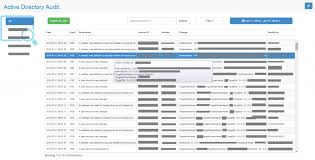
Active Directory (AD) monitoring is a crucial aspect of maintaining a secure and efficient IT environment for any organisation. AD serves as the central hub for managing user accounts, permissions, and access to resources within a network. Monitoring AD activities in real-time can help detect and prevent security breaches, ensure compliance with regulations, and optimise system performance.

Benefits of AD Monitoring:

  • Enhanced Security: By monitoring user logins, account creations, modifications, and access attempts, organisations can quickly identify suspicious activities that may indicate a security threat. Early detection allows for prompt action to mitigate risks and safeguard sensitive data.
  • Compliance Management: Many industries have strict regulatory requirements regarding data protection and privacy. AD monitoring helps organisations track changes to user permissions, audit trails, and configuration settings to ensure compliance with relevant standards such as GDPR or HIPAA.
  • Operational Efficiency: Monitoring AD can provide valuable insights into the performance of the network infrastructure. By analysing login patterns, resource usage, and system configurations, IT teams can identify bottlenecks, streamline processes, and optimise resource allocation for better overall efficiency.

Key Features of Effective AD Monitoring Tools:

When selecting an AD monitoring solution, consider the following key features:

  • Real-time Alerts: Instant notifications for critical events such as unauthorised access attempts or policy violations.
  • Detailed Reporting: Comprehensive reports on user activities, group memberships, and system changes for auditing purposes.
  • User Behaviour Analytics: Analysis of user behaviour patterns to detect anomalies or insider threats.
  • Audit Trail Tracking: Recording all changes made within the AD environment to maintain a complete history of actions taken.

In conclusion, active monitoring of Active Directory is essential for maintaining a secure and compliant IT infrastructure. By investing in robust monitoring tools and practices, organisations can proactively protect their assets, respond swiftly to incidents, and ensure the smooth operation of their networks.


Essential Tips for Effective Ad Monitoring and Optimisation

  1. Set clear objectives for your ad monitoring efforts.
  2. Monitor ad performance regularly to identify trends and make informed decisions.
  3. Track key metrics such as click-through rates, conversion rates, and ROI.
  4. Compare your ad performance against competitors to benchmark your success.
  5. Utilise tools like Google Analytics or social media insights for detailed data analysis.
  6. Implement A/B testing to optimise ad copy, visuals, and targeting strategies.
  7. Stay updated on industry trends and best practices in ad monitoring.
  8. Consider hiring a professional agency for advanced ad monitoring and optimisation.

Set clear objectives for your ad monitoring efforts.

Setting clear objectives for your Active Directory (AD) monitoring efforts is essential for achieving effective results and maximising the benefits of your monitoring activities. By defining specific goals such as improving security posture, ensuring compliance with regulations, or enhancing operational efficiency, you can focus your monitoring efforts on areas that align with your organisational priorities. Clear objectives also help in measuring the success of your monitoring initiatives and identifying areas for improvement, ultimately leading to a more targeted and impactful AD monitoring strategy.

Monitoring Active Directory (AD) performance regularly is a valuable practice that enables organisations to identify trends and make informed decisions regarding their IT infrastructure. By consistently tracking key metrics such as user logins, resource usage, and system response times, IT teams can gain insights into the overall health and efficiency of their AD environment. This data-driven approach allows for proactive problem-solving, capacity planning, and optimisation strategies to be implemented, ensuring that the network operates at its best and meets the evolving needs of the organisation.

Track key metrics such as click-through rates, conversion rates, and ROI.

To effectively monitor the performance of your Active Directory system, it is essential to track key metrics such as click-through rates, conversion rates, and return on investment (ROI). By analysing these metrics, organisations can gain valuable insights into user engagement, system efficiency, and the overall impact of their IT investments. Monitoring click-through rates helps evaluate user interaction with resources and applications within the network, while tracking conversion rates provides a measure of how effectively actions translate into desired outcomes. Calculating ROI allows organisations to assess the cost-effectiveness of their AD initiatives and make informed decisions for future improvements. Tracking these key metrics ensures that IT teams have a holistic view of their Active Directory environment’s performance and can implement targeted strategies for continuous enhancement.

Compare your ad performance against competitors to benchmark your success.

In the realm of Active Directory monitoring, a valuable tip is to compare your AD performance against that of your competitors as a benchmark for success. By analysing how your AD environment measures up to industry standards and the practices of other organisations, you can gain valuable insights into areas where improvements can be made. This comparative analysis not only helps in identifying potential gaps in security and efficiency but also serves as a strategic tool for enhancing your overall AD management strategy.

Utilise tools like Google Analytics or social media insights for detailed data analysis.

To enhance your Active Directory monitoring strategy, consider utilising tools like Google Analytics or social media insights for in-depth data analysis. By leveraging these powerful tools, you can gain valuable insights into user behaviour, access patterns, and system performance within your AD environment. With detailed data analysis from external platforms, you can complement your internal monitoring efforts and obtain a comprehensive view of activities to strengthen security measures and optimise operational efficiency.

Implement A/B testing to optimise ad copy, visuals, and targeting strategies.

Implementing A/B testing in Active Directory monitoring can be a valuable strategy to optimise ad copy, visuals, and targeting strategies. By comparing different versions of ads simultaneously, organisations can gather insights into which elements resonate best with their target audience. This approach allows for data-driven decision-making, enabling adjustments to be made based on real-time performance metrics. Through A/B testing, organisations can refine their ad content and targeting tactics to enhance effectiveness and maximise the impact of their advertising campaigns within the Active Directory environment.

Staying updated on industry trends and best practices in Active Directory (AD) monitoring is paramount to ensuring the effectiveness of your IT security measures. By keeping abreast of the latest developments, emerging threats, and recommended strategies in AD monitoring, organisations can proactively adapt their security protocols to mitigate risks and enhance their overall cybersecurity posture. Regularly incorporating new insights and innovations into your monitoring approach not only helps in staying ahead of potential security challenges but also enables you to leverage cutting-edge technologies for more robust protection of your network infrastructure.

Consider hiring a professional agency for advanced ad monitoring and optimisation.

When it comes to enhancing Active Directory (AD) monitoring and optimisation, considering the expertise of a professional agency can be a wise investment. By engaging a specialised agency with advanced knowledge and tools in AD monitoring, organisations can benefit from tailored solutions that address their specific security and performance needs. These professionals can offer in-depth analysis, real-time monitoring, and proactive measures to strengthen AD security, ensure regulatory compliance, and maximise operational efficiency. Outsourcing AD monitoring to a reputable agency allows businesses to focus on their core operations while gaining peace of mind knowing that their AD environment is in capable hands.

The Importance of Access Management in IT Security

The Importance of Access Management in IT Security

Access management is a critical component of maintaining a secure and efficient IT environment. In today’s digital age, where data breaches and cyber threats are prevalent, controlling who has access to what resources within an organisation is paramount to safeguarding sensitive information and preventing unauthorised activities.

What is Access Management?

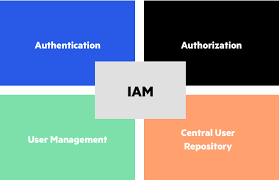
Access management refers to the process of granting or revoking permissions to users, allowing them to interact with specific systems, applications, or data. It involves defining user roles, setting access levels, enforcing security policies, and monitoring user activities to ensure compliance with organisational rules and regulations.

The Benefits of Effective Access Management

Implementing robust access management practices offers several benefits:

  • Enhanced Security: By restricting access to sensitive data only to authorised personnel, organisations can mitigate the risk of data breaches and insider threats.
  • Compliance: Access management helps organisations comply with industry regulations and standards by ensuring that only approved individuals can access confidential information.
  • Improved Productivity: Streamlining access permissions reduces the time spent on manual access requests and approvals, allowing employees to focus on their core tasks.
  • Audit Trails: Monitoring user activities through access management tools provides valuable insights into who accessed what information and when, aiding in forensic investigations and compliance audits.
  • Cross-Platform Integration: Access management solutions can be integrated across various platforms and applications, providing a seamless user experience while maintaining security controls.

Best Practices for Access Management

To ensure effective access management, organisations should consider the following best practices:

  1. User Authentication: Implement multi-factor authentication methods to verify users’ identities before granting access.
  2. User Provisioning: Automate the process of creating, modifying, and deleting user accounts based on predefined roles and responsibilities.
  3. Role-Based Access Control (RBAC): Assign permissions based on job roles rather than individual users to simplify access control.
  4. Regular Reviews: Conduct periodic reviews of user privileges to ensure that they align with current job requirements and responsibilities.
  5. Auditing and Monitoring: Monitor user activities in real-time and maintain audit logs for accountability and compliance purposes.

In conclusion, effective access management is essential for safeguarding sensitive information, ensuring regulatory compliance, enhancing productivity, and mitigating security risks. By implementing robust access control measures and adhering to best practices, organisations can fortify their IT security posture in an increasingly interconnected digital landscape.


Top 5 Benefits of Effective Access Management for Organisations

  1. Enhanced security by restricting access to sensitive data only to authorised personnel.
  2. Compliance with industry regulations and standards through controlled access to confidential information.
  3. Improved productivity by streamlining access permissions and reducing manual approval processes.
  4. Creation of audit trails for monitoring user activities and aiding in forensic investigations.
  5. Seamless integration across platforms and applications for a unified user experience with maintained security controls.


Challenges in Access Management: Navigating Complexity, User Resistance, Costs, Overhead, and Security Misconceptions

  1. Complexity
  2. User Resistance
  3. Cost
  4. Overhead
  5. False Sense of Security

Enhanced security by restricting access to sensitive data only to authorised personnel.

One of the key advantages of access management is the bolstering of security through the restriction of sensitive data access exclusively to authorised personnel. By implementing stringent access controls, organisations can significantly reduce the risk of data breaches and insider threats. This proactive approach ensures that confidential information remains protected from unauthorised access, enhancing overall data security and safeguarding critical assets from potential malicious activities.

Compliance with industry regulations and standards through controlled access to confidential information.

Ensuring compliance with industry regulations and standards is a crucial benefit of access management. By controlling access to confidential information and limiting it to authorised personnel only, organisations can adhere to regulatory requirements and uphold industry standards effectively. This proactive approach not only mitigates the risk of non-compliance penalties but also instils trust among stakeholders by demonstrating a commitment to data security and privacy. Access management plays a pivotal role in maintaining the integrity of sensitive information while aligning with the legal frameworks that govern data protection across various sectors.

Improved productivity by streamlining access permissions and reducing manual approval processes.

Improved productivity is a significant benefit of access management, achieved through the streamlining of access permissions and the reduction of manual approval processes. By implementing efficient access controls, organisations can empower employees to swiftly access the resources they need to perform their tasks without unnecessary delays or bureaucratic hurdles. This streamlined approach not only saves time but also enhances overall operational efficiency, allowing staff to focus on their core responsibilities and contribute more effectively to the organisation’s goals.

Creation of audit trails for monitoring user activities and aiding in forensic investigations.

The creation of audit trails through access management plays a crucial role in monitoring user activities and assisting in forensic investigations. By maintaining detailed records of who accessed what information and when, organisations can track user behaviour, detect anomalies, and investigate security incidents effectively. These audit trails not only provide transparency and accountability but also serve as valuable evidence in identifying the source of breaches or unauthorised access, helping organisations enhance their overall security posture and compliance efforts.

Seamless integration across platforms and applications for a unified user experience with maintained security controls.

Seamless integration across platforms and applications is a key advantage of access management, enabling organisations to provide a unified user experience while upholding stringent security controls. By implementing access management solutions that can span multiple systems and applications, businesses can streamline user interactions, simplify authentication processes, and ensure consistent security protocols across their entire IT infrastructure. This seamless integration not only enhances user productivity and satisfaction but also strengthens overall security measures by maintaining a cohesive approach to access control and data protection across diverse platforms.

Complexity

The complexity associated with implementing and managing access management systems poses a significant challenge for organisations. It demands a high level of expertise and dedicated resources to navigate the intricacies of setting up and maintaining effective access controls. From defining user roles and permissions to integrating access management across multiple platforms, the intricacy of these systems can lead to potential errors, delays, and increased operational costs. Balancing security requirements with user convenience while ensuring compliance further adds to the complexity, making it essential for organisations to invest in skilled professionals and robust resources to address this con effectively.

User Resistance

User resistance is a common con of access management within organisations. Employees may push back against access restrictions that impose limitations on their flexibility or convenience. When users feel that their ability to perform tasks efficiently is hindered by stringent access controls, they may become frustrated and less inclined to comply with security protocols. This resistance can create challenges for IT administrators in enforcing access policies and maintaining a secure environment, highlighting the importance of striking a balance between security measures and user convenience to ensure successful implementation of access management strategies.

Cost

One notable drawback of access management is the financial aspect, particularly the costs involved. Implementing access management solutions often requires a substantial initial investment in software, hardware, and implementation services. Additionally, ongoing maintenance expenses for updates, licensing fees, and staff training can further strain the budget. The financial burden of access management can be a deterrent for some organisations, especially smaller businesses with limited resources, making it challenging to fully embrace comprehensive access control measures despite their importance in enhancing security and compliance.

Overhead

One significant drawback of access management is the potential for increased administrative overhead. The process of maintaining access controls, including tasks like user provisioning and role management, can be time-consuming and resource-intensive for organisations. This administrative burden may lead to delays in granting access permissions, complexities in managing user roles, and challenges in keeping up with evolving security requirements. The overhead associated with access management can strain IT resources and impact operational efficiency, highlighting the need for streamlined processes and automation to alleviate this con.

False Sense of Security

Relying solely on access management measures can lead to a false sense of security within an organisation. While access controls are crucial in restricting user permissions and data access, they are not foolproof against all security threats. Overemphasis on access management may overshadow other potential vulnerabilities that could be exploited by malicious actors. It is essential for organisations to adopt a holistic approach to cybersecurity that addresses various layers of protection to effectively mitigate risks and safeguard sensitive information from evolving cyber threats.

The Importance of Audit Tools in Ensuring Cybersecurity

The Importance of Audit Tools in Ensuring Cybersecurity

In today’s digital age, where cyber threats are ever-present, organisations must be proactive in safeguarding their sensitive data and IT infrastructure. One crucial aspect of maintaining cybersecurity is the use of audit tools that help monitor, analyse, and secure systems effectively.

What are Audit Tools?

Audit tools are software applications designed to track and record activities within an information system or network. These tools provide valuable insights into user actions, system configurations, and potential security vulnerabilities. By conducting regular audits using these tools, organisations can identify weaknesses, enforce compliance with security policies, and detect suspicious behaviour.

The Benefits of Using Audit Tools

Enhanced Security: Audit tools enable organisations to detect unauthorised access attempts, unusual patterns of activity, and potential security breaches promptly. By monitoring system logs and user actions, these tools help prevent data breaches and mitigate risks effectively.

Compliance Management: Many industries have stringent regulatory requirements regarding data protection and privacy. Audit tools assist organisations in demonstrating compliance with regulations such as GDPR, HIPAA, or PCI DSS by providing detailed reports on security measures implemented and incidents detected.

Improved Operational Efficiency: By automating the auditing process, organisations can save time and resources that would otherwise be spent manually reviewing logs and monitoring systems. Audit tools streamline the identification of vulnerabilities and allow for timely remediation actions to be taken.

Popular Audit Tools

There is a wide range of audit tools available in the market catering to different aspects of cybersecurity auditing. Some popular audit tools include:

  • Nessus: A vulnerability scanner that helps identify weaknesses in networks and systems.
  • Splunk: A comprehensive platform for log management, analysis, and real-time monitoring.
  • Nmap: A network mapping tool that provides valuable insights into network topology and services running on devices.
  • SolarWinds Security Event Manager: An integrated solution for log management, threat detection, and compliance reporting.

In Conclusion

Audit tools play a critical role in maintaining a robust cybersecurity posture for organisations of all sizes. By leveraging these tools effectively, businesses can proactively identify vulnerabilities, respond to incidents swiftly, and demonstrate compliance with regulatory requirements. Investing in reliable audit tools is an essential step towards safeguarding sensitive data assets and ensuring business continuity in an increasingly digital world.


Essential FAQs on Audit Tools: Functionality, Benefits, and Best Practices for Organisations

  1. What are audit tools and how do they work?
  2. Why are audit tools important for cybersecurity?
  3. What are the key benefits of using audit tools in an organisation?
  4. How can audit tools help with compliance management?
  5. What features should I look for in choosing an audit tool for my organisation?
  6. Are there different types of audit tools available, and how do they differ?
  7. How often should audits be conducted using audit tools?
  8. Can audit tools integrate with other security solutions for a more comprehensive approach?

What are audit tools and how do they work?

Audit tools are software applications designed to monitor, analyse, and secure information systems and networks effectively. These tools work by tracking and recording user activities, system configurations, and security events within an organisation’s IT environment. By conducting regular audits using these tools, businesses can identify vulnerabilities, detect unauthorised access attempts, and ensure compliance with security policies and regulations. Audit tools provide valuable insights into the overall health of an organisation’s cybersecurity posture, enabling proactive risk management and incident response.

Why are audit tools important for cybersecurity?

Audit tools are essential for cybersecurity as they provide organisations with the means to proactively monitor, analyse, and secure their IT systems. By utilising audit tools, businesses can detect and respond to security threats in real-time, identify vulnerabilities before they are exploited by malicious actors, and ensure compliance with industry regulations. These tools offer valuable insights into user activities, system configurations, and potential risks, allowing organisations to strengthen their security posture and protect sensitive data from cyber attacks. In essence, audit tools serve as a crucial component of a comprehensive cybersecurity strategy by enabling continuous monitoring and assessment of an organisation’s digital environment.

What are the key benefits of using audit tools in an organisation?

Audit tools offer a multitude of key benefits to organisations seeking to enhance their cybersecurity measures. By utilising audit tools, businesses can effectively monitor and track user activities, system configurations, and potential security vulnerabilities. This proactive approach enables the timely detection of unauthorised access attempts, suspicious behaviour, and security breaches, thereby bolstering the overall security posture. Additionally, audit tools aid in ensuring compliance with regulatory requirements by providing detailed reports on security measures implemented and incidents identified. Furthermore, these tools contribute to improved operational efficiency by automating the auditing process, saving valuable time and resources while facilitating prompt remediation actions. Overall, the key benefits of using audit tools in an organisation include heightened security levels, enhanced compliance management, and streamlined operational processes.

How can audit tools help with compliance management?

Audit tools play a crucial role in compliance management by providing organisations with the necessary capabilities to demonstrate adherence to regulatory requirements and industry standards. These tools enable businesses to monitor and analyse their systems, user activities, and data access to ensure compliance with laws such as GDPR, HIPAA, or PCI DSS. By generating detailed reports, identifying security gaps, and automating audit processes, audit tools streamline the compliance monitoring process and help organisations avoid penalties for non-compliance. Overall, audit tools serve as essential instruments in maintaining a secure and compliant operational environment.

What features should I look for in choosing an audit tool for my organisation?

When selecting an audit tool for your organisation, it is essential to consider several key features to ensure it meets your specific needs effectively. Firstly, look for comprehensive monitoring capabilities that allow you to track user activities, system changes, and potential security threats in real-time. Secondly, prioritise audit tools with robust reporting functionalities that provide detailed insights into compliance status, security incidents, and trend analysis. Additionally, consider scalability and compatibility with your existing IT infrastructure to ensure seamless integration and efficient performance. Lastly, seek out audit tools that offer customisation options and automation features to streamline the auditing process and adapt to evolving cybersecurity requirements within your organisation. By prioritising these features, you can select an audit tool that enhances your cybersecurity posture and helps safeguard your critical data assets effectively.

Are there different types of audit tools available, and how do they differ?

When it comes to audit tools, there are various types available, each serving specific purposes and functionalities. The different types of audit tools can be categorised based on their focus areas, such as vulnerability assessment tools, log management tools, compliance auditing tools, and network scanning tools. Vulnerability assessment tools like Nessus are designed to identify weaknesses in systems and networks. Log management tools such as Splunk help in monitoring and analysing system logs for security incidents. Compliance auditing tools ensure adherence to regulatory requirements like GDPR or HIPAA. Network scanning tools like Nmap provide insights into network topology and services running on devices. Each type of audit tool plays a distinct role in enhancing cybersecurity measures by addressing specific aspects of auditing and monitoring processes effectively.

How often should audits be conducted using audit tools?

When it comes to conducting audits using audit tools, the frequency of these assessments is a common concern for organisations seeking to maintain robust cybersecurity practices. The ideal frequency of audits using audit tools depends on various factors, including the size of the organisation, the complexity of its IT infrastructure, industry regulations, and the level of security risks faced. In general, it is recommended that organisations conduct regular audits at least annually as a baseline measure. However, for high-risk environments or industries with strict compliance requirements, more frequent audits, such as quarterly or even monthly assessments, may be necessary to ensure timely detection and mitigation of security vulnerabilities. Ultimately, the frequency of audits using audit tools should be determined based on a thorough risk assessment and tailored to meet the specific needs and challenges faced by each organisation.

Can audit tools integrate with other security solutions for a more comprehensive approach?

When considering audit tools, a commonly asked question is whether they can integrate with other security solutions to provide a more comprehensive approach to cybersecurity. The ability of audit tools to seamlessly integrate with existing security systems and technologies is crucial in creating a unified defence strategy. By integrating audit tools with other security solutions such as SIEM platforms, vulnerability scanners, and endpoint protection systems, organisations can gain a holistic view of their IT environment, enhance threat detection capabilities, and streamline incident response processes. This integration not only improves the overall effectiveness of cybersecurity measures but also ensures that potential gaps in security defences are identified and addressed promptly.

The Importance of Using an Auditing Tool in Your Organisation

The Importance of Using an Auditing Tool in Your Organisation

As organisations strive to maintain the security and integrity of their data and systems, the role of auditing tools has become increasingly crucial. An auditing tool is a software application that helps in monitoring, tracking, and analysing various activities within an IT infrastructure. Whether it’s for compliance purposes, security monitoring, or performance optimization, auditing tools play a vital role in ensuring the smooth operation of an organisation.

Benefits of Using an Auditing Tool:

  • Enhanced Security: Auditing tools help in identifying and mitigating security threats by monitoring user activities, detecting anomalies, and alerting administrators to potential risks.
  • Compliance Management: Organisations are often required to comply with industry regulations and standards. Auditing tools provide detailed reports that help demonstrate compliance with these requirements.
  • Improved Performance: By tracking system performance metrics and analysing usage patterns, auditing tools can help identify areas for improvement and optimisation.
  • Audit Trail Creation: Auditing tools maintain a detailed audit trail of all activities within the system, which can be invaluable for forensic investigations or troubleshooting.
  • User Accountability: With auditing tools in place, users are held accountable for their actions as all their activities are logged and monitored.

Choosing the Right Auditing Tool:

When selecting an auditing tool for your organisation, consider factors such as scalability, ease of use, reporting capabilities, and integration with existing systems. It’s essential to choose a tool that aligns with your specific requirements and provides the features necessary to effectively monitor and secure your IT infrastructure.

In conclusion, investing in a reliable auditing tool is essential for any organisation looking to enhance its security posture, ensure regulatory compliance, and optimise performance. By leveraging the capabilities of auditing tools, organisations can proactively detect issues, prevent security breaches, and maintain a robust IT environment.


Top 5 Frequently Asked Questions About Auditing Tools

  1. What are the 3 types of auditing?
  2. What are the 3 types of audits?
  3. What are auditing tools in Excel?
  4. What is a software auditing tool?
  5. What is meant by audit tools?

What are the 3 types of auditing?

Auditing can be categorised into three main types: internal auditing, external auditing, and forensic auditing. Internal auditing involves assessing and improving the effectiveness of internal controls within an organisation to enhance operational efficiency and risk management. External auditing, on the other hand, is conducted by independent professionals to provide an objective evaluation of a company’s financial statements and compliance with regulations. Forensic auditing focuses on investigating financial discrepancies and potential fraud through detailed analysis and evidence gathering. Each type of auditing serves a specific purpose in ensuring transparency, accountability, and integrity in business operations.

What are the 3 types of audits?

In the realm of auditing, there are three primary types of audits that organisations commonly undertake: internal audits, external audits, and forensic audits. Internal audits are conducted by internal teams to evaluate and improve the effectiveness of internal controls and processes. External audits, on the other hand, are performed by independent third-party auditors to provide an objective assessment of an organisation’s financial statements or compliance with regulations. Forensic audits involve a detailed examination of financial records and transactions to uncover potential fraud or misconduct. Each type of audit serves a distinct purpose in ensuring transparency, accountability, and compliance within an organisation.

What are auditing tools in Excel?

Auditing tools in Excel refer to a set of features and functionalities that help users track, analyse, and review changes made to spreadsheets. These tools enable users to audit formulas, trace precedents and dependents, identify errors, and ensure the accuracy of calculations within Excel workbooks. By utilising auditing tools in Excel, users can easily navigate complex formulas, troubleshoot errors, and maintain data integrity. These features play a crucial role in enhancing the transparency and reliability of data analysis processes conducted using Excel spreadsheets.

What is a software auditing tool?

A software auditing tool is a specialised software application designed to monitor, track, and analyse various activities within an IT infrastructure. It provides organisations with the capability to oversee user actions, system changes, and network traffic to ensure compliance with regulations, enhance security measures, and optimise performance. By generating detailed reports and maintaining an audit trail of activities, a software auditing tool helps organisations maintain accountability, identify vulnerabilities, and address potential risks effectively.

What is meant by audit tools?

Audit tools refer to software applications or solutions designed to monitor, track, and analyse various activities within an IT infrastructure. These tools play a crucial role in enhancing security, ensuring compliance with regulations, and optimising performance within an organisation. By providing detailed insights into user activities, system performance metrics, and audit trails of events, audit tools help organisations maintain a secure and efficient IT environment. Essentially, audit tools serve as a proactive mechanism for identifying potential risks, maintaining accountability among users, and facilitating effective management of IT resources.