Exploring Specops Password Auditor: A Comprehensive Review

Exploring Specops Password Auditor: A Comprehensive Review

Specops Password Auditor is a powerful tool designed to enhance password security within organisations. In today’s digital landscape, where cyber threats are ever-evolving, ensuring robust password practices is crucial for safeguarding sensitive data. Let’s delve into the features and benefits of Specops Password Auditor:

Key Features:

  • Password Policy Assessment: Specops Password Auditor evaluates existing password policies to identify weaknesses and areas for improvement.
  • Password Strength Analysis: It analyses the strength of user passwords based on complexity, length, and patterns, providing insights into potential vulnerabilities.
  • Breach Detection: The tool checks user passwords against known breached passwords to prevent the use of compromised credentials.
  • Compliance Reporting: Specops Password Auditor generates detailed reports to help organisations meet compliance requirements such as GDPR and PCI DSS.
  • User-Friendly Interface: With an intuitive interface, users can easily navigate through reports and recommendations for effective password management.

Benefits of Specops Password Auditor:

By utilising Specops Password Auditor, organisations can proactively strengthen their security posture in the following ways:

  1. Risk Mitigation: Identifying weak passwords and enforcing stronger password policies reduces the risk of unauthorised access and data breaches.
  2. Compliance Adherence: Meeting regulatory requirements is simplified through compliance reports that highlight areas needing attention.
  3. User Education: Educating users on password best practices becomes more effective with actionable insights provided by the tool.
  4. Cyber Resilience: By addressing password vulnerabilities, organisations enhance their resilience against cyber threats and attacks.

In Conclusion

In conclusion, Specops Password Auditor offers a comprehensive solution for assessing and improving password security within organisations. By leveraging its advanced features and benefits, businesses can fortify their defences against cyber threats while promoting a culture of strong password hygiene. Embrace the power of Specops Password Auditor to bolster your security posture in an increasingly digital world.


Frequently Asked Questions About Specops Password Auditor: Sentinel Password, Password Check, Policy Auditor, and Pricing

  1. What is the Sentinel password in Specops?
  2. What is the Specops password check?
  3. What is the Specops password policy auditor?
  4. How much does Specops password auditor cost?

What is the Sentinel password in Specops?

The frequently asked question regarding Specops Password Auditor is: “What is the Sentinel password in Specops?” The Sentinel password in Specops refers to a unique feature that acts as a master password for accessing sensitive information within the Specops environment. This password serves as a critical security measure to protect confidential data and ensure that only authorised users can access and modify essential settings and configurations. By setting up and safeguarding the Sentinel password, organisations can enhance their overall security posture and prevent unauthorised access to critical resources within the Specops platform.

What is the Specops password check?

The Specops password check is a feature within Specops Password Auditor that allows users to assess the strength and security of their passwords. By utilising this tool, individuals and organisations can evaluate the complexity, length, and patterns of their passwords to determine if they meet recommended security standards. The Specops password check helps users identify weak or compromised passwords, enabling them to take proactive measures to enhance their overall password security and reduce the risk of potential cyber threats and data breaches.

What is the Specops password policy auditor?

The Specops Password Policy Auditor is a specialised tool designed to assess and enhance password security measures within organisations. This innovative solution evaluates existing password policies to identify any weaknesses or areas that require improvement. By analysing the strength of user passwords based on factors such as complexity, length, and patterns, the Specops Password Policy Auditor provides valuable insights into potential vulnerabilities that could compromise data security. Additionally, this tool helps in breach detection by cross-referencing user passwords against known breached credentials to prevent the use of compromised passwords. Overall, the Specops Password Policy Auditor plays a critical role in promoting robust password practices and bolstering overall cybersecurity resilience.

How much does Specops password auditor cost?

When considering Specops Password Auditor, one common query that arises is regarding its cost. The pricing of Specops Password Auditor may vary based on factors such as the size of the organisation, the specific features required, and any additional services or support packages chosen. To obtain accurate pricing information tailored to your unique needs, it is recommended to reach out directly to Specops or their authorised resellers. By engaging with their sales team, organisations can receive detailed quotes and explore licensing options that align with their budget and security requirements.

The Importance of Compliance Tools in Today’s Business Environment

The Importance of Compliance Tools in Today’s Business Environment

In today’s rapidly evolving business landscape, regulatory compliance has become a critical aspect of operations across industries. With the increasing number of regulations and data protection laws, organisations are under immense pressure to ensure that they adhere to these requirements to avoid hefty fines and reputational damage.

Compliance tools play a vital role in helping businesses navigate the complex web of regulations by automating processes, monitoring activities, and generating reports to demonstrate adherence to compliance standards. These tools are designed to streamline compliance efforts, mitigate risks, and enhance overall governance within an organisation.

Key Benefits of Compliance Tools:

  • Efficiency: Compliance tools automate manual tasks such as data collection, analysis, and reporting, saving time and resources for organisations.
  • Accuracy: By leveraging technology, compliance tools ensure accurate and consistent monitoring of regulatory requirements, reducing the likelihood of errors.
  • Visibility: These tools provide real-time visibility into compliance status, enabling proactive identification of non-compliance issues for timely resolution.
  • Audit Trail: Compliance tools maintain detailed audit trails of activities, changes, and access controls, facilitating audits and investigations.
  • Risk Mitigation: By identifying potential risks and vulnerabilities proactively, compliance tools help organisations strengthen their security posture and reduce exposure to threats.

Organisations that invest in robust compliance tools demonstrate a commitment to upholding ethical standards, protecting sensitive data, and building trust with stakeholders. Moreover, these tools enable businesses to adapt quickly to regulatory changes and stay ahead of compliance requirements in an ever-changing regulatory landscape.

In conclusion, compliance tools are indispensable assets for modern businesses seeking to navigate the complexities of regulatory compliance effectively. By leveraging technology-driven solutions, organisations can enhance their governance practices, mitigate risks, and uphold the integrity of their operations in today’s demanding business environment.


Top 5 Tips for Maximising the Effectiveness of Your Compliance Tools

  1. Regularly update your compliance tools to ensure they are effective and up-to-date with regulations.
  2. Customize your compliance tools to fit the specific needs and requirements of your organisation.
  3. Train your employees on how to properly use the compliance tools to maximize their effectiveness.
  4. Implement regular audits and checks to monitor the performance of your compliance tools.
  5. Stay informed about changes in regulations and adjust your compliance tools accordingly.

Regularly update your compliance tools to ensure they are effective and up-to-date with regulations.

It is essential to regularly update your compliance tools to maintain their effectiveness and alignment with current regulations. By staying up-to-date with software upgrades and regulatory changes, you can ensure that your tools continue to provide accurate monitoring, reporting, and analysis capabilities. Regular updates also help in addressing new compliance requirements promptly, enhancing your organisation’s ability to adapt to evolving regulatory landscapes and maintain a strong compliance posture.

Customize your compliance tools to fit the specific needs and requirements of your organisation.

To maximise the effectiveness of compliance tools, it is crucial to customise them to align with the unique needs and requirements of your organisation. By tailoring these tools to address specific challenges and regulations relevant to your business, you can enhance their utility and accuracy. Customisation allows for a more targeted approach in monitoring, reporting, and managing compliance activities, ensuring that your organisation remains proactive and agile in meeting regulatory obligations. Embracing a bespoke approach to compliance tools empowers your business to adapt swiftly to changing compliance landscapes and maintain a robust framework for governance and risk management.

Train your employees on how to properly use the compliance tools to maximize their effectiveness.

To maximise the effectiveness of compliance tools, it is essential to invest in training for employees on how to utilise them correctly. By providing comprehensive training sessions, organisations can ensure that their staff understand the functionalities and best practices associated with these tools. Equipping employees with the necessary knowledge and skills not only enhances their efficiency in using compliance tools but also strengthens overall compliance efforts within the organisation. Training empowers employees to leverage the full potential of these tools, enabling them to proactively monitor, report, and address compliance issues, ultimately contributing to a culture of compliance and risk mitigation across the business.

Implement regular audits and checks to monitor the performance of your compliance tools.

It is essential to implement regular audits and checks to monitor the performance of your compliance tools effectively. By conducting routine assessments, organisations can ensure that their compliance tools are operating optimally and meeting the required standards. Regular audits help identify any potential issues or gaps in compliance processes, allowing for timely corrective actions to be taken. Monitoring the performance of compliance tools through regular checks not only enhances overall efficiency but also strengthens the organisation’s ability to maintain regulatory compliance and mitigate risks effectively.

Stay informed about changes in regulations and adjust your compliance tools accordingly.

To ensure effective compliance management, it is essential to stay informed about changes in regulations and adjust your compliance tools accordingly. By keeping abreast of evolving regulatory requirements, organisations can proactively update their compliance tools to align with the latest standards and guidelines. This proactive approach not only helps mitigate compliance risks but also demonstrates a commitment to upholding regulatory obligations and safeguarding the integrity of business operations. Adapting compliance tools to reflect regulatory changes enables businesses to maintain a robust compliance framework that is responsive to the dynamic regulatory landscape, thereby enhancing overall governance and risk management practices.

Azure AD Privileged Identity Management: Enhancing Security in the Cloud

Azure AD Privileged Identity Management: Enhancing Security in the Cloud

In today’s digital landscape, securing privileged identities is crucial for safeguarding sensitive data and preventing cyber threats. Azure Active Directory (Azure AD) Privileged Identity Management (PIM) is a powerful tool that helps organisations manage, control, and monitor access to critical resources within their Azure environment.

What is Azure AD Privileged Identity Management?

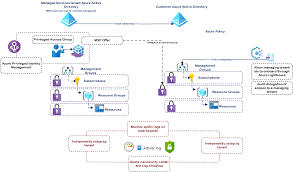
Azure AD PIM enables organisations to manage and monitor access to privileged roles in Azure AD, Azure resources, and other Microsoft Online Services. By using Azure AD PIM, administrators can enforce just-in-time access, multi-factor authentication, and approval workflows for users requesting elevated permissions.

Key Features of Azure AD PIM:

  • Just-In-Time Access: Users can request privileged roles for a limited duration, reducing the risk of long-term exposure.
  • Multi-Factor Authentication: Additional layer of security to verify the identity of users accessing privileged roles.
  • Approval Workflows: Requests for elevated permissions can be routed to designated approvers for review and authorisation.
  • Audit Logs: Detailed logs capture all changes made by users with privileged access, aiding in compliance and security investigations.
  • Schedule Reviews: Regular reviews of privileged roles ensure that only authorised users have access to critical resources.

The Benefits of Using Azure AD PIM:

Azure AD PIM offers several benefits to organisations looking to enhance their security posture:

  • Reduced Exposure: Just-in-time access minimises the risk of prolonged exposure to elevated permissions.
  • Improved Compliance: Audit logs and role reviews help organisations meet regulatory requirements and internal policies.
  • Elevated Security: Multi-factor authentication adds an extra layer of protection against unauthorised access.
  • Easier Monitoring: Centralised dashboard provides visibility into who has access to what resources and when.

In Conclusion

Azure AD Privileged Identity Management is a valuable tool for organisations seeking to strengthen their security posture in the cloud. By implementing just-in-time access, multi-factor authentication, approval workflows, and audit capabilities, organisations can effectively manage and monitor privileged identities within their Azure environment. With Azure AD PIM, businesses can reduce risks associated with elevated permissions while maintaining compliance with industry regulations.


Top 8 Benefits of Azure AD Privileged Identity Management for Enhanced Security and Compliance

  1. Enhances security by enforcing just-in-time access to privileged roles.
  2. Reduces the risk of prolonged exposure to elevated permissions.
  3. Provides multi-factor authentication for added security.
  4. Offers approval workflows for reviewing and authorising access requests.
  5. Facilitates regular reviews of privileged roles to ensure compliance.
  6. Generates detailed audit logs for tracking changes made by users with privileged access.
  7. Centralised dashboard provides visibility into who has access to critical resources.
  8. Helps organisations meet regulatory requirements and internal security policies.


Challenges of Azure AD Privileged Identity Management: Configuration, Costs, Adoption, and Customisation

  1. Complex Configuration
  2. Cost Consideration
  3. User Adoption Challenges
  4. Limited Customisation

Enhances security by enforcing just-in-time access to privileged roles.

Azure AD Privileged Identity Management enhances security by enforcing just-in-time access to privileged roles. This proactive approach ensures that users only have temporary access to elevated permissions when needed, reducing the risk of prolonged exposure and potential misuse of privileges. By granting access on a temporary basis, organisations can effectively limit the window of vulnerability, enhancing overall security posture and mitigating the threat of unauthorised access to critical resources within their Azure environment.

Reduces the risk of prolonged exposure to elevated permissions.

Azure AD Privileged Identity Management’s capability to reduce the risk of prolonged exposure to elevated permissions is a significant advantage for organisations aiming to enhance their security posture. By implementing just-in-time access controls, users are granted temporary privileged roles only when needed, minimising the window of vulnerability. This proactive approach helps mitigate the chances of unauthorised access or misuse of elevated permissions over an extended period, thereby bolstering overall security and reducing potential threats within the Azure environment.

Provides multi-factor authentication for added security.

Azure AD Privileged Identity Management offers a significant advantage by providing multi-factor authentication for enhanced security. This feature adds an extra layer of protection to verify the identity of users accessing privileged roles within the Azure environment. By requiring multiple forms of verification, such as passwords, biometrics, or security tokens, organisations can significantly reduce the risk of unauthorised access to critical resources. Multi-factor authentication is a powerful tool in mitigating cybersecurity threats and ensuring that only authorised personnel can utilise elevated permissions, thereby bolstering overall security measures in the cloud environment.

Offers approval workflows for reviewing and authorising access requests.

Azure AD Privileged Identity Management provides a valuable feature by offering approval workflows for reviewing and authorising access requests. This capability ensures that requests for elevated permissions undergo a structured review process, where designated approvers can assess the necessity and legitimacy of the access before granting it. By incorporating approval workflows, organisations can enforce a layer of accountability and oversight in managing privileged identities, enhancing security measures and compliance with regulatory standards.

Facilitates regular reviews of privileged roles to ensure compliance.

Azure AD Privileged Identity Management facilitates regular reviews of privileged roles to ensure compliance with regulatory requirements and internal policies. By enabling organisations to schedule periodic reviews of who has access to elevated permissions, Azure AD PIM helps maintain a secure and accountable environment. These regular audits not only enhance security by identifying and addressing any unnecessary or outdated privileges but also demonstrate a commitment to governance and data protection standards. Regular role reviews are essential in mitigating risks associated with privileged access and ensuring that access rights align with business needs and security best practices.

Generates detailed audit logs for tracking changes made by users with privileged access.

Azure AD Privileged Identity Management offers the valuable benefit of generating detailed audit logs that track changes made by users with privileged access. These logs provide organisations with a comprehensive record of activities, allowing them to monitor and analyse any modifications made to critical resources. By maintaining a clear trail of actions taken by privileged users, Azure AD PIM enhances transparency, accountability, and security within the Azure environment. Organizations can leverage these audit logs to investigate incidents, ensure compliance with regulations, and proactively detect any unauthorised or suspicious activities, ultimately strengthening their overall cybersecurity posture.

Centralised dashboard provides visibility into who has access to critical resources.

The centralised dashboard feature of Azure AD Privileged Identity Management offers a significant advantage by providing clear visibility into the individuals who have access to critical resources within an organisation’s Azure environment. This functionality allows administrators to easily monitor and track privileged access, ensuring that only authorised users are granted permissions to sensitive data and resources. By having a comprehensive overview of access rights through the centralised dashboard, organisations can effectively manage security risks, detect any anomalies, and maintain a secure environment in line with best practices and compliance standards.

Helps organisations meet regulatory requirements and internal security policies.

Azure AD Privileged Identity Management plays a crucial role in helping organisations meet regulatory requirements and internal security policies. By providing detailed audit logs, role reviews, and just-in-time access controls, Azure AD PIM enables businesses to monitor and manage privileged identities effectively. This proactive approach not only enhances security measures but also ensures compliance with industry regulations and internal security protocols. Organizations can rest assured that their critical resources are accessed only by authorised personnel, reducing the risk of data breaches and maintaining a robust security posture in the cloud environment.

Complex Configuration

Setting up Azure AD Privileged Identity Management can present a significant challenge due to its complex configuration requirements. Implementing the necessary settings and policies may demand a considerable investment of time and expertise from IT administrators. The intricate nature of configuring Azure AD PIM can lead to potential delays in deployment and may require additional training to ensure proper setup and management. Organizations considering the adoption of Azure AD PIM should be prepared for the complexities involved in the initial configuration process to effectively leverage its security benefits in the long run.

Cost Consideration

Cost Consideration: One significant drawback of implementing Azure AD Privileged Identity Management is the potential increase in costs, particularly for organisations with a substantial number of users or resources. The additional expenses associated with licensing, user subscriptions, and potentially required infrastructure upgrades can pose a financial challenge for some businesses. It is essential for organisations to carefully assess and plan for these costs before deciding to adopt Azure AD PIM to ensure that the benefits outweigh the financial implications.

User Adoption Challenges

User Adoption Challenges can pose a significant con when implementing Azure AD Privileged Identity Management. Users may encounter difficulties in adjusting to the new access management procedures introduced by Azure AD PIM, resulting in resistance or confusion. This resistance can hinder the smooth transition to more secure access practices and potentially delay the full realisation of the benefits that Azure AD PIM offers. Effective communication, training, and support are essential to address these challenges and ensure successful user adoption of the new privileged identity management processes.

Limited Customisation

Some organisations may encounter a drawback of Azure AD Privileged Identity Management in its limited customisation capabilities. While the tool offers robust security features, some businesses with unique security needs may find that the level of customisation options provided by Azure AD PIM is insufficient to address their specific requirements. This limitation could potentially hinder organisations that require highly tailored security configurations to align with their internal policies or industry regulations. In such cases, organisations may need to explore additional solutions or workarounds to complement Azure AD PIM and achieve a more bespoke security setup.

The Backbone of Modern Business: Understanding IT Infrastructure

Information Technology (IT) infrastructure serves as the foundation for the digital operations of businesses worldwide. From small startups to large corporations, the efficiency and security of IT infrastructure play a crucial role in driving productivity, innovation, and growth. Let’s delve into what IT infrastructure entails and why it is essential in today’s interconnected world.

Components of IT Infrastructure

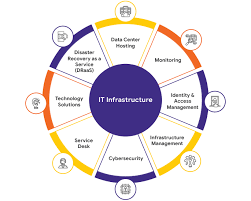
IT infrastructure encompasses a broad range of components that work together to support the flow and processing of data within an organisation. These components include:

  • Hardware: This includes servers, computers, networking devices, storage devices, and other physical equipment that form the backbone of an organisation’s IT operations.
  • Software: Operating systems, applications, databases, and other software solutions are essential for managing data, facilitating communication, and enabling various business processes.
  • Networking: Routers, switches, firewalls, and other networking devices establish connections between different parts of the infrastructure and enable communication both internally and externally.
  • Data Centres: These facilities house servers, storage devices, and networking equipment that store and process vast amounts of data critical to business operations.
  • Cloud Services: Cloud computing services provide scalable resources such as storage, processing power, and applications over the internet without the need for on-premises hardware.

The Importance of Reliable IT Infrastructure

A robust IT infrastructure is vital for businesses to operate efficiently in today’s digital landscape. Here are some key reasons why investing in reliable IT infrastructure is crucial:

  • Enhanced Productivity: A well-designed IT infrastructure streamlines processes, automates tasks, and enables employees to collaborate seamlessly – ultimately boosting productivity across all departments.
  • Data Security: Protecting sensitive data from cyber threats is paramount. A secure IT infrastructure with robust security measures helps safeguard valuable information from breaches or unauthorised access.
  • Scalability: As businesses grow or adapt to changing market demands, their IT infrastructure must be scalable to accommodate increased workloads or new technologies without compromising performance.
  • Business Continuity: In the event of disruptions such as natural disasters or system failures, a resilient IT infrastructure ensures that critical systems remain operational and data remains accessible to minimise downtime.

The Future of IT Infrastructure

The evolution of technology continues to shape the future of IT infrastructure. Trends such as edge computing, artificial intelligence (AI), Internet of Things (IoT), and hybrid cloud environments are influencing how organisations design their infrastructures to meet growing demands for speed, agility, and innovation.

In conclusion,a solid understanding of IT infrastructure is essential for businesses looking to thrive in a digital-first world. By investing in reliable hardware,

software,

networking solutions,

data centres,

and cloud services,

organisations can build a resilient foundation that supports growth,

security,

and innovation.

Stay tuned for more insights on how technology continues to transform the way we do business!


Essential Tips for Robust IT Infrastructure Management

  1. Regularly update software and security patches to protect against cyber threats.
  2. Implement strong password policies and consider multi-factor authentication for enhanced security.
  3. Backup data regularly to prevent loss in case of system failures or cyber attacks.
  4. Monitor network traffic and system logs for early detection of any unusual activities or breaches.
  5. Ensure hardware components are properly maintained and replaced when necessary to avoid downtime.
  6. Consider cloud services for scalability, flexibility, and improved disaster recovery capabilities.

Regularly update software and security patches to protect against cyber threats.

To safeguard your IT infrastructure against cyber threats, it is crucial to regularly update software and security patches. By staying current with updates, you ensure that your systems are equipped with the latest protections against vulnerabilities that could be exploited by malicious actors. These updates not only enhance the overall security of your infrastructure but also help to mitigate the risk of potential breaches and data compromises. Prioritising software and security patch updates is a proactive measure that can significantly bolster your defences and contribute to a more secure digital environment for your business operations.

Implement strong password policies and consider multi-factor authentication for enhanced security.

To bolster the security of your IT infrastructure, it is advisable to implement stringent password policies and explore the adoption of multi-factor authentication. Strong password policies, such as requiring complex passwords and regular password changes, can significantly reduce the risk of unauthorised access to sensitive data. Additionally, integrating multi-factor authentication adds an extra layer of security by verifying users’ identities through multiple methods, such as passwords, biometrics, or security tokens. By combining these measures, organisations can enhance their security posture and mitigate potential cybersecurity threats effectively.

Backup data regularly to prevent loss in case of system failures or cyber attacks.

Regularly backing up data is a fundamental practice in safeguarding against potential data loss due to system failures or cyber attacks. By creating and maintaining backups of critical information, organisations can mitigate the impact of unforeseen events and ensure that valuable data remains accessible and secure. In the event of a disaster or security breach, having up-to-date backups enables swift recovery and minimises downtime, allowing businesses to resume operations with minimal disruption.

Monitor network traffic and system logs for early detection of any unusual activities or breaches.

Monitoring network traffic and system logs is a critical tip in IT infrastructure management. By regularly monitoring these elements, organisations can proactively detect any unusual activities or potential security breaches. Early detection allows for swift response and mitigation of threats, helping to safeguard sensitive data and maintain the integrity of the IT environment. Continuous monitoring not only enhances security but also provides valuable insights into network performance, helping businesses ensure smooth operations and optimal efficiency.

Ensure hardware components are properly maintained and replaced when necessary to avoid downtime.

To maintain a reliable IT infrastructure, it is crucial to ensure that hardware components are adequately maintained and replaced when needed to prevent downtime. Regular maintenance, such as cleaning, updating firmware, and monitoring performance, can help identify issues before they escalate. By proactively replacing ageing or faulty hardware components, businesses can minimise the risk of unexpected failures that could disrupt operations. Investing in the timely replacement of hardware not only enhances system reliability but also contributes to a smoother and more efficient IT environment overall.

Consider cloud services for scalability, flexibility, and improved disaster recovery capabilities.

When evaluating options to enhance IT infrastructure, it is advisable to consider incorporating cloud services for their scalability, flexibility, and improved disaster recovery capabilities. Cloud services offer the ability to scale resources up or down based on demand, providing businesses with the flexibility to adapt to changing needs efficiently. Additionally, leveraging cloud solutions can enhance disaster recovery strategies by enabling data backups and redundancy in geographically diverse locations, ensuring business continuity in the face of unforeseen disruptions. By embracing cloud services, organisations can achieve greater agility and resilience in their IT infrastructure while optimising operational efficiency.

The Importance of Privileged Identity Management Solutions

The Importance of Privileged Identity Management Solutions

Privileged Identity Management (PIM) solutions play a crucial role in enhancing the security posture of organisations by effectively managing and monitoring access to sensitive systems and data. In today’s digital landscape, where cyber threats are becoming more sophisticated, protecting privileged accounts is paramount to prevent data breaches and maintain compliance with regulations.

What is Privileged Identity Management?

Privileged Identity Management involves the management of accounts with elevated permissions within an organisation’s IT infrastructure. These accounts, often referred to as privileged accounts or superuser accounts, have extensive access rights that, if compromised, can result in severe consequences for the organisation.

The Benefits of PIM Solutions

Implementing a robust Privileged Identity Management solution offers several key benefits:

  • Enhanced Security: PIM solutions help prevent unauthorised access to critical systems and data by enforcing strict access controls and monitoring privileged account activities in real-time.
  • Risk Mitigation: By proactively identifying and addressing security vulnerabilities related to privileged accounts, organisations can reduce the risk of insider threats and external cyber attacks.
  • Compliance Adherence: PIM solutions assist organisations in meeting regulatory requirements related to data protection and access control by providing detailed audit trails and reports on privileged account usage.
  • Operational Efficiency: Centralised management of privileged identities streamlines administrative tasks, improves visibility into user activities, and simplifies the process of granting or revoking access privileges.

Choosing the Right PIM Solution

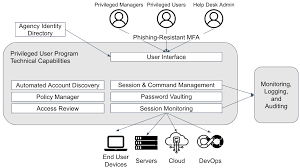
When selecting a Privileged Identity Management solution for your organisation, consider factors such as scalability, integration capabilities with existing security tools, ease of deployment and use, as well as vendor reputation for reliability and customer support. A comprehensive PIM solution should offer advanced features such as session monitoring, password vaulting, role-based access control, and automated privilege elevation.

In Conclusion

In conclusion, investing in a robust Privileged Identity Management solution is essential for safeguarding sensitive assets, maintaining regulatory compliance, and strengthening overall cybersecurity defences. By implementing effective PIM practices, organisations can mitigate risks associated with privileged access while ensuring operational efficiency and data protection in an increasingly interconnected digital environment.


8 Essential Tips for Effective Privileged Identity Management Solutions

  1. Implement role-based access control to restrict privileges based on job functions.
  2. Regularly review and update user permissions to ensure least privilege access.
  3. Enable multi-factor authentication for added security when accessing privileged accounts.
  4. Monitor and log all privileged account activities for auditing and accountability.
  5. Automate password management processes to reduce human error and enhance security.
  6. Implement session recording to track actions taken during privileged sessions.
  7. Establish a process for emergency access that requires approval and monitoring.
  8. Regularly conduct training sessions for users on best practices in privileged identity management.

Implement role-based access control to restrict privileges based on job functions.

Implementing role-based access control (RBAC) is a fundamental tip in enhancing privileged identity management solutions. By assigning access rights and permissions based on specific job functions, organisations can effectively restrict privileges to only those necessary for employees to perform their roles. This approach not only minimises the risk of unauthorised access to sensitive systems and data but also streamlines the management of privileged accounts by ensuring that users have the appropriate level of access required for their responsibilities. RBAC helps enforce the principle of least privilege, reducing the attack surface and enhancing overall security posture within an organisation’s IT infrastructure.

Regularly review and update user permissions to ensure least privilege access.

Regularly reviewing and updating user permissions is a fundamental practice in Privileged Identity Management solutions to enforce the principle of least privilege access. By conducting periodic audits of user permissions, organisations can ensure that individuals only have access to the resources necessary for their roles, reducing the risk of unauthorised activities and potential security breaches. This proactive approach not only enhances security but also promotes compliance with regulatory requirements by maintaining a tight control over privileged access within the IT environment.

Enable multi-factor authentication for added security when accessing privileged accounts.

Enabling multi-factor authentication for accessing privileged accounts is a crucial tip in enhancing security within a Privileged Identity Management solution. By requiring an additional layer of verification beyond passwords, such as a code sent to a mobile device or biometric authentication, multi-factor authentication significantly reduces the risk of unauthorised access to sensitive systems and data. This added security measure helps safeguard privileged accounts against cyber threats and ensures that only authorised users with verified identities can access critical resources, strengthening overall security posture and mitigating the potential impact of security breaches.

Monitor and log all privileged account activities for auditing and accountability.

Monitoring and logging all privileged account activities is a critical tip in Privileged Identity Management solutions. By tracking and recording every action taken by privileged users, organisations can establish a comprehensive audit trail that enhances accountability and transparency. This practice not only aids in detecting suspicious or unauthorised activities but also ensures compliance with regulatory requirements by providing detailed insights into who accessed what information and when. Ultimately, monitoring and logging privileged account activities are essential steps towards strengthening security measures and mitigating the risks associated with elevated access rights within an organisation’s IT infrastructure.

Automate password management processes to reduce human error and enhance security.

Automating password management processes is a valuable tip when implementing a Privileged Identity Management solution. By automating these tasks, organisations can significantly reduce the potential for human error in handling sensitive passwords, thereby enhancing overall security. Automated password management not only streamlines the process of updating and rotating passwords but also minimises the risk of unauthorised access to privileged accounts. This proactive approach ensures that passwords are changed regularly and in a secure manner, contributing to a more robust security posture and mitigating the likelihood of security breaches due to weak or compromised credentials.

Implement session recording to track actions taken during privileged sessions.

Implementing session recording as part of a Privileged Identity Management solution is a critical step towards enhancing security and accountability within an organisation’s IT infrastructure. By enabling session recording, organisations can track and monitor all actions taken during privileged sessions, providing a detailed audit trail of activities for compliance purposes and forensic analysis. This feature not only strengthens security by detecting any suspicious or unauthorised behaviour but also ensures transparency and oversight in the use of privileged accounts, ultimately reducing the risk of data breaches and insider threats.

Establish a process for emergency access that requires approval and monitoring.

Establishing a process for emergency access that necessitates approval and monitoring is a crucial aspect of effective Privileged Identity Management. By implementing a structured procedure for granting emergency access privileges, organisations can ensure that such access is only granted when absolutely necessary and with appropriate authorisation. Monitoring the usage of emergency access helps in maintaining accountability and oversight, allowing for prompt detection of any unauthorised activities or potential security breaches. This proactive approach not only enhances security measures but also reinforces compliance with regulatory requirements, ultimately strengthening the overall security posture of the organisation.

Regularly conduct training sessions for users on best practices in privileged identity management.

Regularly conducting training sessions for users on best practices in privileged identity management is essential for promoting a culture of security awareness within an organisation. By educating users on the importance of safeguarding privileged accounts and following established protocols, employees can become proactive participants in maintaining a secure IT environment. Through training, users can learn how to identify potential security risks, adhere to access control policies, and recognise the significance of their role in protecting sensitive data. Ultimately, ongoing training empowers users to make informed decisions that contribute to the overall effectiveness of the privileged identity management solution and enhance the organisation’s cybersecurity posture.

The Importance of Auditing Active Directory for Enhanced Security

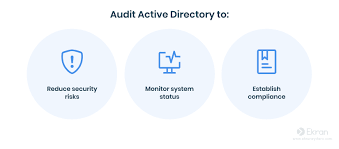
In today’s digital age, where cyber threats are ever-evolving and becoming more sophisticated, the need for robust security measures within organisations is paramount. One crucial aspect of maintaining a secure IT infrastructure is auditing Active Directory, a vital component in most corporate networks.

Active Directory serves as the centralised hub for managing users, computers, and resources within a network environment. It plays a critical role in controlling access to sensitive data, enforcing security policies, and ensuring smooth operations across various IT systems. However, without proper monitoring and auditing in place, organisations are left vulnerable to potential security breaches and compliance issues.

Why Audit Active Directory?

Auditing Active Directory involves tracking and recording all user activities, changes to configurations, and access permissions within the directory. By conducting regular audits, organisations can achieve the following benefits:

  • Enhanced Security: Auditing helps identify suspicious activities, unauthorized access attempts, and potential security gaps that could compromise the integrity of the network.
  • Compliance Adherence: Many regulatory standards require organisations to maintain detailed logs of user actions and system changes. Auditing Active Directory ensures compliance with data protection laws and industry regulations.
  • Insightful Reporting: Auditing generates comprehensive reports that provide valuable insights into user behaviour, system performance, and adherence to security policies. This information can be used to improve security measures and streamline IT operations.
  • Incident Response: In the event of a security incident or data breach, audit logs play a crucial role in investigating the root cause, identifying affected systems, and implementing remediation measures swiftly.

Best Practices for Auditing Active Directory

To maximise the effectiveness of auditing Active Directory, organisations should consider implementing the following best practices:

  1. Enable Audit Policies: Configure audit policies within Active Directory to track critical events such as logon attempts, account modifications, and group policy changes.
  2. Regular Review of Audit Logs: Monitor audit logs regularly to detect anomalies or suspicious activities that may indicate a security threat.
  3. Implement Real-time Monitoring: Utilise tools that offer real-time monitoring capabilities to promptly identify and respond to security incidents as they occur.
  4. Automate Audit Processes: Automate audit processes where possible to reduce manual effort and ensure consistent monitoring across all systems.

In conclusion, auditing Active Directory is an essential practice for maintaining a secure IT environment and safeguarding sensitive data from potential threats. By proactively monitoring user activities and system changes within Active Directory, organisations can strengthen their cybersecurity posture, achieve regulatory compliance, and mitigate risks effectively.

Contact us today to learn more about how our advanced audit solutions can help enhance the security of your Active Directory environment.


Top 5 Essential Tips for Auditing Active Directory Security

  1. Regularly review user accounts to ensure only authorised personnel have access
  2. Monitor and log changes made to group memberships and permissions
  3. Perform regular security assessments to identify vulnerabilities in Active Directory
  4. Enforce strong password policies and multi-factor authentication for added security
  5. Keep Active Directory servers updated with the latest security patches

Regularly review user accounts to ensure only authorised personnel have access

Regularly reviewing user accounts within Active Directory is a crucial step in maintaining a secure IT environment. By conducting routine audits of user accounts, organisations can ensure that only authorised personnel have access to sensitive data and resources. This practice helps identify and remove inactive or outdated accounts, detect any unauthorised access attempts, and prevent potential security breaches. By staying vigilant and verifying user permissions on a regular basis, organisations can strengthen their security posture and reduce the risk of insider threats or unauthorised access to critical systems.

Monitor and log changes made to group memberships and permissions

Monitoring and logging changes made to group memberships and permissions within Active Directory is a critical aspect of maintaining a secure and compliant IT environment. By tracking these modifications, organisations can effectively manage access control, detect unauthorised changes, and ensure that users have the appropriate level of permissions. Detailed audit logs provide valuable insights into who made the changes, when they were made, and what specific modifications were implemented, enabling swift identification and response to potential security threats or compliance issues. Implementing robust monitoring practices for group memberships and permissions is essential for enhancing overall security posture and safeguarding sensitive data within the network.

Perform regular security assessments to identify vulnerabilities in Active Directory

Performing regular security assessments is a critical step in ensuring the robustness of your Active Directory environment. By conducting thorough evaluations, organisations can proactively identify vulnerabilities and weaknesses that could potentially be exploited by malicious actors. These assessments help in fortifying security measures, implementing necessary patches or updates, and strengthening overall resilience against cyber threats. Regular security assessments not only enhance the protection of sensitive data within Active Directory but also demonstrate a commitment to maintaining a secure IT infrastructure in line with best practices and compliance standards.

Enforce strong password policies and multi-factor authentication for added security

To enhance the security of your Active Directory environment, it is crucial to enforce strong password policies and implement multi-factor authentication. By requiring users to create complex passwords that include a combination of letters, numbers, and special characters, you can significantly reduce the risk of unauthorized access through password guessing or brute-force attacks. Additionally, implementing multi-factor authentication adds an extra layer of security by requiring users to verify their identity through a secondary method, such as a code sent to their mobile device. These measures help fortify your network against potential security threats and enhance overall data protection.

Keep Active Directory servers updated with the latest security patches

Ensuring that Active Directory servers are regularly updated with the latest security patches is a critical aspect of maintaining a secure IT environment. By promptly applying security patches released by software vendors, organisations can address known vulnerabilities and strengthen the overall resilience of their Active Directory infrastructure against potential cyber threats. Failing to keep servers updated exposes them to exploitation by malicious actors, putting sensitive data and network integrity at risk. Therefore, prioritising the timely installation of security patches is essential in safeguarding the confidentiality, integrity, and availability of Active Directory services.

The Power of Backlink Tools in SEO

The Power of Backlink Tools in SEO

Backlinks play a crucial role in search engine optimisation (SEO) by influencing a website’s authority and rankings. They are essentially links from external websites that point back to your site, signalling to search engines that your content is valuable and trustworthy. However, managing and monitoring backlinks can be a daunting task without the right tools.

What are Backlink Tools?

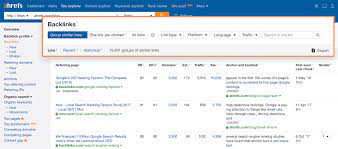
Backlink tools are software or online services designed to help website owners track, analyse, and manage their backlink profiles. These tools provide valuable insights into the quality and quantity of backlinks pointing to a site, helping users make informed decisions to improve their SEO strategies.

The Benefits of Using Backlink Tools

  • Monitoring Backlink Quality: Backlink tools allow users to assess the quality of backlinks by evaluating factors such as domain authority, anchor text relevance, and spam score. This helps in identifying and disavowing toxic links that could harm a site’s SEO performance.
  • Competitor Analysis: By analysing competitors’ backlink profiles, website owners can gain insights into successful link-building strategies and identify potential link opportunities for their own sites.
  • Tracking Progress: Backlink tools provide detailed reports on new backlinks acquired, lost links, anchor text distribution, and overall link growth over time. This data helps in measuring the effectiveness of SEO efforts and adjusting strategies accordingly.
  • Enhancing Link Building: With backlink tools, users can discover relevant websites for link building outreach, monitor outreach campaigns, and track responses from potential link partners. This streamlines the link-building process and improves efficiency.

Popular Backlink Tools

There are several reputable backlink tools available in the market today, each offering unique features to cater to different user needs. Some popular choices include Ahrefs, SEMrush, Moz Link Explorer, Majestic SEO, and Google Search Console.

In Conclusion

Backlink tools are indispensable assets for any website looking to enhance its SEO performance through effective link-building strategies. By leveraging these tools’ capabilities to monitor backlinks, analyse competitors’ strategies, track progress, and streamline link-building efforts, website owners can significantly boost their online visibility and organic search rankings.


Top 8 Tips for Choosing the Best Backlink Tools for Your SEO Strategy

  1. Choose a tool that offers comprehensive backlink analysis to understand your link profile better.
  2. Look for tools with real-time updates to ensure you have the most current data on your backlinks.
  3. Opt for tools that can identify toxic backlinks to help you maintain a healthy backlink profile.
  4. Select a tool with competitor analysis features to gain insights into their backlink strategies.
  5. Ensure the tool provides detailed reports and visualisations for easier interpretation of data.
  6. Check if the tool supports integration with other SEO software for streamlined workflow.
  7. Consider tools that offer historical data to track changes in your backlink profile over time.
  8. Evaluate the user interface and ease of use, as this will affect how efficiently you can utilise the tool’s features.

When selecting a backlink tool for your SEO strategy, it is essential to opt for a solution that provides comprehensive backlink analysis. By choosing a tool that offers in-depth insights into your link profile, you can gain a better understanding of the quality, quantity, and relevance of backlinks pointing to your website. This detailed analysis enables you to identify potential areas for improvement, such as disavowing toxic links or focusing on acquiring high-quality backlinks from authoritative sources. Ultimately, a tool with robust backlink analysis capabilities empowers you to make informed decisions and enhance the overall effectiveness of your link-building efforts.

When utilising backlink tools for SEO purposes, it is essential to prioritise platforms that offer real-time updates. By selecting tools that provide immediate data refreshment, you can ensure that you are working with the most up-to-date information regarding your backlinks. This feature enables you to promptly identify any changes in your backlink profile, allowing for timely adjustments to your SEO strategies and ensuring that you maintain a competitive edge in the ever-evolving online landscape.

When utilising backlink tools, it is advisable to select options that have the capability to detect toxic backlinks. By opting for tools that can identify harmful or spammy links pointing to your website, you can effectively manage and maintain a healthy backlink profile. Removing or disavowing toxic backlinks is essential in safeguarding your site’s SEO performance and reputation, ensuring that search engines view your website as trustworthy and authoritative. This proactive approach to managing backlinks can significantly contribute to the overall health and success of your SEO strategy.

When utilising backlink tools for SEO enhancement, it is advisable to choose a tool that includes competitor analysis features. By selecting a tool with this capability, website owners can gain valuable insights into their competitors’ backlink strategies. Understanding the link-building tactics of competitors allows users to identify potential opportunities for acquiring quality backlinks and improving their own SEO performance. Competitor analysis through backlink tools serves as a strategic advantage in developing effective link-building campaigns and staying ahead in the competitive online landscape.

Ensure the tool provides detailed reports and visualisations for easier interpretation of data.

When utilising backlink tools, it is essential to ensure that the chosen tool offers comprehensive reports and visualisations to facilitate the interpretation of data. Detailed reports and visual representations enable users to gain deeper insights into their backlink profiles, identify trends, and make informed decisions about their SEO strategies. By having access to clear and visually appealing data presentations, website owners can effectively analyse the performance of their backlinks, track progress over time, and optimise their link-building efforts for better results.

Check if the tool supports integration with other SEO software for streamlined workflow.

When exploring backlink tools, it is advisable to check if the tool supports integration with other SEO software for a streamlined workflow. Integration capabilities can significantly enhance efficiency by allowing seamless data sharing and collaboration between different tools. By integrating backlink tools with other SEO software, users can access a comprehensive set of features and insights, enabling them to optimise their SEO strategies more effectively and make informed decisions based on a holistic view of their website’s performance.

When utilising backlink tools for SEO purposes, it is advisable to consider options that provide historical data tracking capabilities. These tools enable website owners to monitor and analyse changes in their backlink profiles over time, offering valuable insights into the evolution of their link-building efforts. By accessing historical data, users can identify trends, measure progress, and make informed decisions to enhance their SEO strategies effectively. This feature empowers website owners to adapt and refine their link-building tactics based on past performance, ultimately improving their site’s authority and search engine rankings.

Evaluate the user interface and ease of use, as this will affect how efficiently you can utilise the tool’s features.

When considering backlink tools, it is essential to evaluate the user interface and ease of use. The usability of a tool directly impacts how efficiently you can leverage its features and functionalities. A user-friendly interface can streamline your workflow, making it easier to navigate through the tool’s capabilities and access the information you need. By prioritising tools with intuitive interfaces, you can enhance your productivity and maximise the benefits of monitoring and managing your backlink profile effectively.

The Importance of Using a Backlink Tool for SEO Success

Backlinks are a crucial factor in determining the authority and credibility of a website in the eyes of search engines. They play a significant role in boosting your website’s search engine rankings and driving organic traffic. However, managing and monitoring backlinks can be a challenging task without the right tools.

This is where a backlink tool comes into play. A backlink tool is a software or online service that helps website owners track, analyse, and manage their backlinks effectively. These tools provide valuable insights into your backlink profile, allowing you to identify high-quality links, detect toxic links, and monitor your overall link-building strategy.

One of the key benefits of using a backlink tool is the ability to track the performance of your backlinks over time. By monitoring factors such as link authority, anchor text diversity, and referring domains, you can make informed decisions about which links to keep, disavow, or pursue for future link-building efforts.

Furthermore, a backlink tool can help you stay ahead of your competitors by analysing their backlink profiles and identifying potential link-building opportunities. By understanding where your competitors are getting their backlinks from, you can develop strategies to acquire similar or better-quality links for your own website.

In addition to monitoring and analysing backlinks, some advanced backlink tools offer features such as automatic link discovery, broken link detection, and real-time alerts for new backlinks. These features can save you time and effort in managing your link-building efforts efficiently.

Overall, investing in a reliable backlink tool is essential for any website owner looking to improve their SEO performance. By leveraging the insights provided by these tools, you can enhance the quality of your backlink profile, increase your website’s visibility in search engine results pages, and ultimately drive more organic traffic to your site.

Take control of your website’s SEO success today with a powerful backlink tool that empowers you to make data-driven decisions and achieve long-term growth online.


7 Essential Tips for Maximising Your Backlink Strategy with the Right Tool

  1. Choose a backlink tool that provides accurate and up-to-date data.
  2. Regularly monitor your backlink profile to identify new links and disavow toxic ones.
  3. Analyse your competitors’ backlinks to discover potential linking opportunities.
  4. Focus on quality over quantity when building backlinks to your site.
  5. Diversify anchor text to avoid being penalised by search engines for over-optimisation.
  6. Track the impact of your backlink building efforts on search engine rankings and organic traffic.
  7. Stay updated with the latest SEO trends and algorithm changes to adapt your backlink strategy accordingly.

When selecting a backlink tool for your website, it is crucial to choose one that offers accurate and up-to-date data. Reliable and current information about your backlink profile is essential for making informed decisions regarding your SEO strategy. An accurate backlink tool ensures that you have a clear understanding of the quality and quantity of your backlinks, allowing you to identify opportunities for improvement and track the effectiveness of your link-building efforts. By opting for a tool that provides precise data, you can enhance your website’s search engine rankings and drive organic traffic more effectively.

Regularly monitoring your backlink profile is a critical aspect of maintaining a healthy and effective SEO strategy. By keeping a close eye on your backlinks, you can quickly identify any new links that have been acquired and assess their quality and relevance. Equally important is the ability to detect and disavow toxic or spammy links that could harm your website’s credibility and search engine rankings. By proactively managing your backlink profile with the help of a reliable backlink tool, you can ensure that your link-building efforts are contributing positively to your SEO performance and overall online presence.

By analysing your competitors’ backlinks using a backlink tool, you can uncover valuable insights and discover potential linking opportunities to enhance your own website’s SEO performance. Understanding where your competitors are gaining their backlinks from allows you to identify key websites and sources that could benefit your own link-building strategy. By leveraging this information, you can develop targeted approaches to acquire similar high-quality backlinks, improve your website’s authority, and stay competitive in search engine rankings.

When utilising a backlink tool for enhancing your website’s SEO performance, it is crucial to prioritise quality over quantity when acquiring backlinks. While having a large number of backlinks may seem beneficial, the focus should be on obtaining high-quality links from reputable and relevant sources. Quality backlinks from authoritative websites not only improve your site’s credibility in the eyes of search engines but also drive targeted traffic to your site. By emphasising quality over quantity in your link-building strategy, you can ensure long-term success and sustainable growth for your website’s SEO efforts.

Diversify anchor text to avoid being penalised by search engines for over-optimisation.

It is crucial to diversify anchor text when utilising a backlink tool to prevent potential penalties from search engines due to over-optimisation. By varying the anchor text used in your backlinks, you can create a more natural and organic link profile that appears genuine to search engines. Overusing exact match keywords or phrases as anchor text can raise red flags and may lead to penalties for manipulating search rankings. Therefore, by incorporating a mix of relevant and diverse anchor text variations, you can maintain a healthy backlink profile and improve the overall credibility and authority of your website in the eyes of search engines.

Tracking the impact of your backlink building efforts on search engine rankings and organic traffic is essential for evaluating the effectiveness of your SEO strategy. By using a backlink tool to monitor changes in your website’s rankings and traffic metrics after acquiring new backlinks, you can gain valuable insights into which links are contributing positively to your online visibility. This data allows you to refine your link-building tactics, focus on acquiring high-quality backlinks from authoritative sources, and ultimately improve your website’s performance in search engine results pages. Regularly analysing the correlation between your backlink profile and key SEO metrics enables you to make informed decisions that drive sustainable growth and success for your online presence.

Staying updated with the latest SEO trends and algorithm changes is crucial for adapting your backlink strategy effectively. Search engines continuously evolve their algorithms to provide users with the most relevant and high-quality search results. By keeping abreast of these changes, you can adjust your backlink strategy to align with current best practices and avoid any penalties that may arise from outdated tactics. Being proactive in monitoring SEO trends allows you to stay ahead of the curve, ensuring that your backlink profile remains strong and positively contributes to your website’s search engine rankings.

Article: Identity Management System

The Importance of Identity Management System in Today’s Digital World

In the rapidly evolving landscape of cybersecurity, the need for robust identity management systems has never been more critical. An identity management system (IDM) is a framework of policies and technologies that ensure only authorised individuals can access specific resources within an organisation’s IT infrastructure.

One of the core functions of an IDM system is to authenticate and authorise users. Authentication verifies a user’s identity through credentials such as passwords, biometric data, or security tokens. Authorisation determines the level of access rights a user has based on their authenticated identity.

Identity management systems play a crucial role in enhancing security measures within an organisation. By centralising user authentication and access control, IDM systems help prevent unauthorised access to sensitive data and applications. This is particularly important in industries handling confidential information, such as healthcare, finance, and government sectors.

Besides security benefits, IDM systems also streamline administrative tasks related to user provisioning and deprovisioning. Automated processes for creating, updating, and revoking user accounts reduce the risk of human errors and ensure compliance with regulatory requirements regarding data privacy and access control.

Furthermore, in today’s interconnected digital ecosystem where remote work is increasingly prevalent, identity management systems enable secure remote access to corporate resources. Through features like multi-factor authentication and single sign-on capabilities, organisations can maintain productivity without compromising on security.

As cyber threats continue to evolve in sophistication and frequency, investing in a robust identity management system is no longer optional but imperative for safeguarding sensitive information and maintaining operational continuity. Organisations that prioritise the implementation of IDM solutions demonstrate their commitment to protecting their assets and building trust with stakeholders.

In conclusion, the adoption of an effective identity management system is a strategic decision that not only strengthens cybersecurity defences but also enhances operational efficiency and regulatory compliance. By embracing IDM technologies proactively, organisations can navigate the complexities of modern digital environments with confidence and resilience.


Essential FAQs on Identity Management Systems and Their Impact on Cybersecurity and Efficiency

  1. What is an identity management system?
  2. Why is an identity management system important for cybersecurity?
  3. How does an identity management system enhance data security?
  4. What are the key features of a robust identity management system?
  5. How can an identity management system improve operational efficiency?
  6. What role does compliance play in implementing an identity management system?

What is an identity management system?

An identity management system, often referred to as an IDM system, is a comprehensive framework of policies and technologies designed to control and secure access to digital resources within an organisation’s IT infrastructure. At its core, an IDM system serves as a centralised platform for managing user identities, authentication processes, and access permissions. By verifying the identities of individuals through various authentication methods and assigning appropriate levels of access based on predefined policies, an identity management system plays a crucial role in enhancing cybersecurity measures and ensuring data privacy.

Why is an identity management system important for cybersecurity?

An identity management system is crucial for cybersecurity due to its role in controlling access to sensitive data and resources within an organisation’s IT infrastructure. By verifying the identities of users and assigning appropriate access privileges, an IDM system helps prevent unauthorised individuals from compromising security measures. This proactive approach reduces the risk of data breaches, insider threats, and other cyber attacks that exploit weak authentication mechanisms. Additionally, a robust identity management system streamlines user provisioning processes, enforces security policies consistently, and enhances visibility into user activities – all of which are essential components for maintaining a strong cybersecurity posture. Ultimately, investing in an IDM system is essential for safeguarding critical information assets, ensuring compliance with regulations, and fortifying overall cyber resilience in today’s digital landscape.

How does an identity management system enhance data security?

An identity management system enhances data security by providing a centralised framework for managing user identities and access rights within an organisation’s IT infrastructure. By implementing robust authentication mechanisms, such as multi-factor authentication and biometric verification, an IDM system ensures that only authorised users can access sensitive data and applications. This proactive approach reduces the risk of unauthorised access and data breaches. Additionally, identity management systems enable organisations to enforce granular access controls, assigning specific permissions based on users’ roles and responsibilities. By streamlining user provisioning and deprovisioning processes, IDM systems minimise the likelihood of orphaned accounts or insider threats. Overall, the comprehensive security measures implemented by an identity management system help safeguard valuable information assets and maintain data integrity across the enterprise.

What are the key features of a robust identity management system?

When considering the key features of a robust identity management system, several critical components come to the forefront. Firstly, strong authentication mechanisms, such as multi-factor authentication and biometric verification, play a pivotal role in ensuring only authorised individuals can access sensitive resources. Secondly, comprehensive user provisioning and deprovisioning capabilities streamline the management of user accounts throughout their lifecycle, enhancing operational efficiency and security. Additionally, granular access control policies enable organisations to assign specific permissions based on roles and responsibilities, reducing the risk of data breaches. Integration capabilities with existing IT systems and applications further enhance interoperability and facilitate seamless user experiences. Overall, a robust identity management system should encompass these essential features to fortify cybersecurity defences and safeguard valuable assets effectively.

How can an identity management system improve operational efficiency?

An identity management system can significantly enhance operational efficiency by streamlining user authentication processes and access controls. By centralising user identity information and access rights, organisations can automate user provisioning, deprovisioning, and role assignments. This automation reduces the administrative burden on IT teams, minimises the risk of errors, and ensures that users have timely access to the resources they need. Additionally, features such as single sign-on and self-service password reset empower users to manage their own credentials efficiently, further reducing support tickets and downtime. Overall, an identity management system optimises workflows, enhances productivity, and allows organisations to focus on core business activities while maintaining a secure IT environment.

What role does compliance play in implementing an identity management system?

Compliance plays a pivotal role in the successful implementation of an identity management system. Organisations must adhere to various regulatory requirements and industry standards related to data privacy and access control. By integrating compliance considerations into the design and deployment of an IDM system, businesses can ensure that user identities are managed in accordance with legal mandates and best practices. Compliance not only helps mitigate the risk of data breaches and regulatory penalties but also fosters trust among customers and stakeholders. A well-aligned identity management system that meets compliance standards demonstrates an organisation’s commitment to safeguarding sensitive information and upholding ethical business practices in today’s digital landscape.

The Importance of Privileged Identity Management Systems

The Importance of Privileged Identity Management Systems

In today’s digital landscape, where data breaches and cyber threats are on the rise, protecting sensitive information and critical systems is paramount. One crucial aspect of cybersecurity is managing privileged identities effectively. Privileged accounts have elevated access rights within an organisation’s IT infrastructure, making them prime targets for cyber attackers.

A Privileged Identity Management (PIM) system is a comprehensive solution designed to safeguard privileged accounts and mitigate the risks associated with their misuse. These systems provide centralised control over access rights, monitoring of privileged activities, and enforcement of security policies to prevent unauthorised access.

Key Benefits of Privileged Identity Management Systems:

  • Enhanced Security: PIM systems help prevent insider threats and external attacks by limiting access to sensitive data and critical systems only to authorised personnel.
  • Compliance: Organisations can meet regulatory requirements and industry standards by implementing robust privileged identity management controls.
  • Improved Operational Efficiency: By automating privilege provisioning and deprovisioning processes, PIM systems streamline administrative tasks and reduce the risk of human error.
  • Auditing and Monitoring: Detailed logging and real-time monitoring capabilities enable organisations to track privileged activities, detect anomalies, and investigate security incidents promptly.
  • Risk Mitigation: Proactive identification of vulnerabilities in privileged access helps mitigate security risks before they can be exploited by malicious actors.

Implementing a Privileged Identity Management system is essential for any organisation looking to strengthen its cybersecurity posture and protect critical assets from potential threats. By investing in PIM solutions, businesses can proactively manage privileged accounts, reduce the attack surface, and enhance overall security resilience in an increasingly complex digital environment.


Understanding Privileged Identity Management Systems: Key FAQs Explained

  1. What is the purpose of Azure PIM?
  2. What is PAM and PIM?
  3. What is privilege management system?
  4. What is privileged identity management system?

What is the purpose of Azure PIM?

Azure Privileged Identity Management (PIM) serves a crucial role in enhancing security within Azure environments by providing just-in-time access to privileged roles. The primary purpose of Azure PIM is to minimise the exposure of high-impact roles, such as global administrator or application administrator, by enforcing the principle of least privilege. By implementing Azure PIM, organisations can effectively manage and monitor access to privileged roles, reduce the risk of unauthorised activities, and ensure compliance with security best practices. Additionally, Azure PIM offers enhanced visibility into privileged role assignments and enables organisations to streamline the process of granting temporary access when needed, thereby strengthening overall security posture in Azure environments.

What is PAM and PIM?

Privileged Access Management (PAM) and Privileged Identity Management (PIM) are two essential components of cybersecurity that focus on securing privileged accounts within an organisation’s IT infrastructure. PAM primarily deals with managing and controlling access to privileged accounts, ensuring that only authorised users can access sensitive data and critical systems. On the other hand, PIM is more concerned with the lifecycle management of privileged identities, including provisioning, monitoring, and revoking access rights as needed. Both PAM and PIM play a crucial role in mitigating security risks associated with privileged accounts and are integral parts of a comprehensive cybersecurity strategy aimed at protecting valuable assets from cyber threats.

What is privilege management system?

A privilege management system, also known as Privileged Identity Management (PIM) system, is a sophisticated solution designed to oversee and control access to privileged accounts within an organisation’s IT infrastructure. These accounts have elevated permissions that grant users the authority to perform critical tasks and access sensitive data. The privilege management system enforces security policies, restricts access to privileged accounts based on defined roles and responsibilities, monitors privileged activities in real-time, and provides detailed audit logs for compliance purposes. By implementing a privilege management system, organisations can enhance security, reduce the risk of insider threats and cyber attacks, and ensure accountability and transparency in managing privileged identities effectively.

What is privileged identity management system?

A Privileged Identity Management system, often abbreviated as PIM, is a robust cybersecurity solution designed to protect and control access to privileged accounts within an organisation’s IT infrastructure. These accounts hold elevated permissions that can grant users extensive control over critical systems and sensitive data. Privileged Identity Management systems help mitigate the risks associated with these powerful accounts by enforcing strict access controls, monitoring privileged activities in real-time, and ensuring compliance with security policies and regulations. By centralising management of privileged identities, PIM systems play a vital role in enhancing security, reducing the likelihood of insider threats or external attacks, and safeguarding organisations against potential data breaches or cyber incidents.