The Importance of Systems in Modern Society

The Importance of Systems in Modern Society

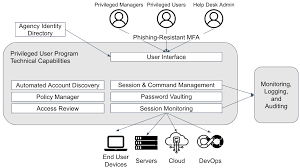
Systems play a crucial role in the functioning of modern society. From the infrastructure that supports our daily lives to the complex networks that power our digital world, systems are everywhere. But what exactly is a system?

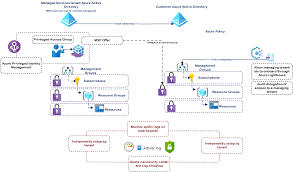
A system can be defined as a set of interconnected components working together to achieve a specific goal or function. These components can be physical, such as machines and structures, or abstract, like processes and algorithms. Systems can range from simple to highly complex, but their fundamental purpose remains the same: to organise and streamline operations.

In today’s fast-paced world, the reliance on systems has never been greater. In industries such as healthcare, transportation, finance, and communication, efficient systems are essential for delivering services effectively and meeting the needs of a growing population.

One of the key benefits of well-designed systems is their ability to improve productivity and efficiency. By automating repetitive tasks and streamlining processes, systems enable organisations to operate more smoothly and with fewer errors. This not only saves time and resources but also enhances overall performance.

Moreover, systems play a critical role in decision-making and problem-solving. By collecting and analysing data from various sources, systems provide valuable insights that help businesses make informed choices and adapt to changing circumstances. This data-driven approach is invaluable in today’s competitive landscape.

However, with great power comes great responsibility. The complexity of modern systems means that they are susceptible to failures and vulnerabilities. Cybersecurity threats, system malfunctions, and human errors can all disrupt operations and compromise sensitive information. Therefore, it is essential for organisations to invest in robust security measures and regular maintenance to safeguard their systems.

In conclusion, systems are the backbone of modern society, driving progress and innovation across all sectors. By understanding their importance and harnessing their potential, we can create a more efficient, secure, and sustainable future for generations to come.


Top 7 Advantages of Implementing a System for Enhanced Organisational Performance

  1. Enhances productivity by automating tasks
  2. Improves efficiency by streamlining processes
  3. Facilitates data-driven decision-making
  4. Enables effective problem-solving
  5. Supports seamless communication within organisations
  6. Enhances scalability to accommodate growth
  7. Provides valuable insights for strategic planning


Challenges of Complex Systems: Maintenance, Security, and Operational Risks

  1. Complex systems can be difficult to understand and maintain, requiring specialised knowledge and skills.
  2. Systems may be vulnerable to cybersecurity threats, leading to data breaches and privacy concerns.
  3. System failures or malfunctions can disrupt operations, resulting in downtime and financial losses.

Enhances productivity by automating tasks

One significant advantage of systems is their ability to enhance productivity by automating tasks. By streamlining repetitive processes and removing the need for manual intervention, systems enable organisations to operate more efficiently and effectively. This automation not only saves time and resources but also reduces the likelihood of errors, allowing employees to focus on more strategic and value-added activities. Ultimately, by automating tasks, systems contribute to increased productivity, improved workflow management, and overall operational excellence in various industries.

Improves efficiency by streamlining processes

Improving efficiency by streamlining processes is a significant advantage of systems in various industries. By automating repetitive tasks and eliminating unnecessary steps, systems help organisations operate more smoothly and with greater precision. This not only saves time and resources but also enhances overall productivity. With streamlined processes, employees can focus on more strategic tasks, leading to increased output and improved quality of work. Ultimately, the ability of systems to streamline processes contributes to operational excellence and competitive advantage in today’s fast-paced business environment.

Facilitates data-driven decision-making

Facilitates data-driven decision-making is a key advantage of systems in today’s digital landscape. By collecting, analysing, and presenting data from various sources in a structured manner, systems empower organisations to make informed choices based on evidence rather than intuition. This approach not only enhances the accuracy of decision-making but also enables businesses to identify trends, patterns, and opportunities that may have otherwise gone unnoticed. Ultimately, the ability of systems to facilitate data-driven decision-making leads to more strategic and effective outcomes, driving success and competitiveness in an increasingly data-centric world.

Enables effective problem-solving

One significant advantage of systems is their capability to facilitate effective problem-solving. By collecting and analysing data from various sources, systems provide valuable insights that can help identify issues, trends, and opportunities for improvement. This data-driven approach empowers individuals and organisations to make informed decisions, address challenges promptly, and implement solutions that are based on evidence rather than intuition. Systems streamline the problem-solving process by offering a structured framework for analysis and decision-making, ultimately leading to more efficient and successful outcomes.

Supports seamless communication within organisations

Effective systems support seamless communication within organisations by providing a structured platform for sharing information, collaborating on projects, and coordinating tasks across departments. With integrated communication tools and streamlined processes, employees can easily exchange ideas, updates, and feedback in real-time, fostering a culture of transparency and teamwork. This not only enhances productivity but also promotes synergy among team members, leading to improved decision-making and overall organisational efficiency. By facilitating smooth communication flows, systems play a vital role in ensuring that information is shared promptly and accurately, enabling organisations to adapt quickly to changing circumstances and achieve their goals effectively.

Enhances scalability to accommodate growth

One significant advantage of systems is their ability to enhance scalability to accommodate growth. As businesses expand and evolve, having scalable systems in place allows for seamless adjustments to meet increasing demands. Whether it’s scaling up operations, accommodating a larger user base, or handling higher volumes of data, scalable systems provide the flexibility needed to support growth without compromising performance. By efficiently expanding resources and capabilities as needed, organisations can adapt to changing market conditions and seize new opportunities with confidence.

Provides valuable insights for strategic planning

One significant advantage of systems is their capability to provide valuable insights for strategic planning. By collecting and analysing data from various sources, systems offer a comprehensive view of past performance, current trends, and potential opportunities. These insights empower organisations to make informed decisions, set realistic goals, and devise effective strategies for the future. With a data-driven approach facilitated by systems, businesses can anticipate market changes, optimise resource allocation, and stay ahead of the competition in an ever-evolving landscape.

Complex systems can be difficult to understand and maintain, requiring specialised knowledge and skills.

Complex systems pose a significant challenge due to their intricate nature, often demanding specialised expertise for comprehension and upkeep. The intricacies of these systems can overwhelm individuals without the necessary knowledge and skills, making troubleshooting and maintenance a daunting task. Without proper training and expertise, errors in configuration or updates may lead to system failures, potentially causing disruptions and costly downtime. Therefore, organisations must invest in continuous training and support for their personnel to navigate the complexities of maintaining complex systems effectively.

Systems may be vulnerable to cybersecurity threats, leading to data breaches and privacy concerns.

In today’s interconnected world, one significant drawback of systems is their susceptibility to cybersecurity threats. These vulnerabilities can expose sensitive data to malicious actors, resulting in data breaches and privacy concerns. The interconnected nature of systems, while beneficial for efficiency and connectivity, also creates entry points for cyber attacks. Without robust security measures in place, organisations risk compromising the confidentiality and integrity of their data, potentially causing irreparable harm to individuals and businesses alike. It is crucial for entities to prioritise cybersecurity protocols and stay vigilant against evolving threats to mitigate the risks associated with system vulnerabilities.

System failures or malfunctions can disrupt operations, resulting in downtime and financial losses.

System failures or malfunctions can have detrimental effects on businesses, leading to significant downtime and financial losses. When critical systems experience disruptions, it can bring operations to a standstill, impacting productivity and causing delays in delivering products or services to customers. Moreover, the costs associated with resolving system issues, restoring data, and recovering from downtime can mount up quickly, affecting the bottom line of organisations. The inability to access essential data and applications during system failures can also damage customer trust and reputation. Therefore, mitigating the risks of system failures through proactive maintenance and robust contingency plans is crucial for minimising the potential impact on business continuity and financial stability.

The Importance of Backlinks in SEO

The Importance of Backlinks in SEO

Backlinks are a crucial aspect of search engine optimisation (SEO) that can significantly impact a website’s visibility and ranking on search engine results pages. In simple terms, a backlink is a link from one website to another. When a website links to your site, it indicates to search engines that your content is valuable and trustworthy, which can improve your site’s authority and credibility.

Search engines like Google consider backlinks as votes of confidence from other websites. The more high-quality backlinks your site has, the more likely it is to rank higher in search results. However, not all backlinks are created equal. Quality matters more than quantity when it comes to backlinks.

High-quality backlinks come from reputable and relevant websites within your industry. These backlinks carry more weight in the eyes of search engines and can have a more significant impact on your SEO efforts. On the other hand, low-quality or spammy backlinks can harm your site’s reputation and lead to penalties from search engines.

Building a strong backlink profile requires a strategic approach. It involves creating valuable content that naturally attracts links from other sites, reaching out to influencers or industry leaders for collaborations, guest posting on authoritative websites, and participating in online communities where you can share your expertise and link back to your site.

Regularly monitoring your backlink profile is essential to ensure that you are earning quality links and disavowing any harmful ones. Tools like Google Search Console and third-party SEO software can help you track your backlinks and identify opportunities for improvement.

In conclusion, backlinks play a vital role in SEO by enhancing your site’s authority, credibility, and visibility in search results. By focusing on building high-quality backlinks from relevant sources, you can improve your website’s performance and attract more organic traffic over time.


Top 6 Frequently Asked Questions About Backlinks for SEO Success

  1. What is a backlink?
  2. Why are backlinks important for SEO?
  3. How do I get backlinks to my website?
  4. What are the types of backlinks?
  5. Can backlinks harm my website’s SEO?
  6. How can I monitor the quality of my backlinks?

A backlink, also known as an inbound link or incoming link, is a hyperlink on one website that directs users to another website. In the context of search engine optimisation (SEO), a backlink is a crucial factor that indicates the popularity, credibility, and authority of a website. When one website links to another, it is seen as a vote of confidence by search engines, suggesting that the linked-to site offers valuable and relevant content. Backlinks are essential for improving a website’s visibility in search engine results pages (SERPs) and are considered one of the key ranking factors used by search engines to determine the relevance and quality of a site’s content.

Backlinks are crucial for SEO because they serve as a vote of confidence from other websites, signalling to search engines that your content is valuable and trustworthy. Search engines like Google consider backlinks as a key factor in determining a website’s authority and credibility. High-quality backlinks from reputable and relevant sources can significantly boost a site’s ranking in search results, leading to increased visibility and organic traffic. By earning quality backlinks through strategic link-building efforts, websites can strengthen their online presence and improve their overall SEO performance.

To acquire backlinks for your website, it is essential to employ a strategic approach that focuses on creating valuable and engaging content that naturally attracts links from other websites. One effective method is to produce high-quality articles, infographics, or videos that offer unique insights or solutions within your industry. Additionally, reaching out to influencers or industry experts for collaborations, guest posting on reputable websites, and participating in online communities can help establish backlinks. Engaging with your target audience through social media platforms and building relationships with other website owners can also lead to valuable backlink opportunities. Remember that the quality of backlinks matters more than the quantity, so prioritise securing links from authoritative and relevant sources to enhance your website’s SEO performance.

There are several types of backlinks that can impact a website’s SEO performance. The most common types include natural backlinks, which are earned organically through valuable content and genuine interest from other websites; editorial backlinks, where a website mentions your content or brand in a relevant context; guest blogging backlinks, obtained by contributing content to other sites in exchange for a link back to your own site; and forum or comment backlinks, which come from participating in online discussions and leaving links to your site. Understanding the different types of backlinks can help website owners develop a diverse and effective link-building strategy to improve their search engine rankings.

Having backlinks to your website can significantly impact your SEO performance, but it’s essential to note that not all backlinks are beneficial. Low-quality or spammy backlinks from irrelevant or suspicious websites can indeed harm your website’s SEO. Search engines like Google consider such links as manipulative tactics to artificially boost rankings, and they may penalise your site for engaging in link schemes. It’s crucial to focus on acquiring high-quality, relevant backlinks from reputable sources to enhance your site’s authority and credibility without risking any negative impact on your SEO efforts. Regularly monitoring your backlink profile and disavowing harmful links can help safeguard your website’s SEO health in the long run.

Monitoring the quality of your backlinks is essential for maintaining a strong and reputable online presence. To assess the quality of your backlinks, you can start by evaluating the authority and relevance of the websites linking to you. High-quality backlinks typically come from reputable sites within your industry or niche. You can use tools like Google Search Console, Ahrefs, or Moz to analyse your backlink profile, identify low-quality or spammy links, and disavow them if necessary. Regularly reviewing and updating your backlink profile will help ensure that you are earning valuable links that contribute positively to your SEO efforts and overall online visibility.

The Importance of Backlink Auditing for Your Website

The Importance of Backlink Auditing for Your Website

Backlinks are an essential component of a successful SEO strategy. They play a crucial role in determining your website’s authority and visibility in search engine results. However, not all backlinks are created equal, and some can actually harm your site’s rankings if they are toxic or spammy.

This is where backlink auditing comes into play. Backlink auditing involves analysing the quality and relevance of the backlinks pointing to your website. By conducting a thorough audit, you can identify any harmful links that may be dragging down your SEO efforts and take appropriate action to disavow or remove them.

Benefits of Backlink Auditing:

  • Improves SEO Performance: By removing toxic backlinks, you can enhance your website’s authority and trustworthiness in the eyes of search engines, leading to improved rankings.
  • Protects Against Penalties: Search engines like Google penalise websites with low-quality backlinks. By auditing your backlink profile regularly, you can avoid potential penalties and maintain a healthy link profile.
  • Enhances User Experience: High-quality backlinks from relevant sources not only boost your SEO but also drive targeted traffic to your site, improving user experience and engagement.
  • Identifies Link Building Opportunities: Through backlink auditing, you can discover new link building opportunities by analysing where your competitors are getting their backlinks from and replicating successful strategies.

In conclusion, backlink auditing is a critical process for maintaining a strong online presence and maximising the effectiveness of your SEO efforts. By regularly reviewing and optimising your backlink profile, you can ensure that your website remains competitive in search engine rankings and attracts valuable organic traffic.


Essential FAQs: Conducting and Maintaining Effective Backlink Audits

  1. What is backlink auditing and why is it important?
  2. How do I conduct a backlink audit for my website?
  3. What are the benefits of regularly auditing my backlinks?
  4. What tools can I use to perform a backlink audit?
  5. How can I identify and remove toxic backlinks from my website?

Backlink auditing is a vital process in SEO that involves evaluating the quality and relevance of the backlinks pointing to a website. It is essential because backlinks serve as a key factor in determining a site’s authority and visibility in search engine results. By conducting a thorough backlink audit, website owners can identify and eliminate toxic or spammy links that could harm their SEO efforts. This process helps in improving the website’s search engine rankings, protecting it from potential penalties, enhancing user experience, and uncovering new link building opportunities. In essence, backlink auditing is crucial for maintaining a healthy link profile and maximising the impact of an SEO strategy.

Conducting a backlink audit for your website involves a systematic process to evaluate the quality and relevance of the links pointing to your site. To begin, you can utilise various tools such as Google Search Console, Ahrefs, or SEMrush to gather a comprehensive list of your backlinks. Next, analyse each link individually to determine its authority, anchor text, and the context in which it appears. Identify any toxic or spammy links that could potentially harm your SEO efforts. Once you have compiled this information, take necessary actions such as disavowing harmful links or reaching out to webmasters for link removal. Regularly monitoring and updating your backlink profile is essential to maintaining a healthy link profile and maximising your website’s SEO performance.

Regularly auditing your backlinks offers a multitude of benefits for your website’s overall SEO performance and online presence. By conducting regular backlink audits, you can identify and eliminate toxic or spammy links that may be harming your site’s rankings. This process helps to improve your website’s authority and trustworthiness in the eyes of search engines, ultimately leading to enhanced search engine rankings. Additionally, by monitoring and auditing your backlinks on a consistent basis, you can protect your site from potential penalties imposed by search engines for low-quality link profiles. Overall, the benefits of regularly auditing your backlinks include improved SEO performance, safeguarding against penalties, enhancing user experience through targeted traffic, and identifying valuable link building opportunities to stay ahead in the competitive online landscape.

When it comes to conducting a backlink audit, there are several tools available that can streamline the process and provide valuable insights into your website’s link profile. Popular tools for performing backlink audits include Ahrefs, SEMrush, Moz Link Explorer, Majestic SEO, and Google Search Console. These tools offer features such as identifying toxic backlinks, analysing anchor text distribution, monitoring link growth over time, and assessing the overall quality of your backlink profile. By utilising these tools effectively, website owners can gain a comprehensive understanding of their backlink landscape and make informed decisions to improve their SEO performance.

Identifying and removing toxic backlinks from your website is a crucial step in maintaining a healthy backlink profile and safeguarding your SEO efforts. To tackle this issue effectively, start by conducting a thorough backlink audit using specialised tools or services to analyse the quality and relevance of the links pointing to your site. Look out for indicators of toxic backlinks such as low domain authority, spammy content, or irrelevant anchor text. Once identified, take action to disavow or remove these harmful links through Google’s Disavow Tool or by reaching out to webmasters directly. Regular monitoring and proactive management of your backlink profile are key to protecting your website from potential penalties and ensuring sustainable SEO performance.

The Role of Auditors in Ensuring Financial Integrity

The Role of Auditors in Ensuring Financial Integrity

Auditors play a crucial role in safeguarding the financial integrity of businesses and organisations. They are independent professionals tasked with examining and verifying financial records to ensure accuracy, compliance with regulations, and the prevention of fraud.

One of the primary responsibilities of auditors is to conduct audits, which involve a systematic review of financial statements, accounting records, and internal controls. By meticulously analysing these documents, auditors can identify any discrepancies or irregularities that may indicate potential issues such as mismanagement or fraudulent activities.

Auditors also play a vital role in providing assurance to stakeholders, including shareholders, investors, and regulatory bodies. Through their audit reports, auditors communicate their findings and opinions on the financial health and transparency of an organisation. This information is essential for decision-making and maintaining trust in the integrity of financial reporting.

Furthermore, auditors help organisations improve their internal processes and controls by offering recommendations for enhancing efficiency and reducing risks. By highlighting areas for improvement, auditors contribute to the overall effectiveness of an organisation’s operations and governance structure.

In addition to financial audits, auditors may also perform specialised audits such as forensic audits, which focus on investigating suspected fraud or misconduct. These audits require a high level of expertise and attention to detail to uncover evidence of fraudulent activities and provide support for legal proceedings.

Overall, auditors play a critical role in upholding transparency, accountability, and trust in the financial systems of businesses and organisations. Their dedication to thorough examination and objective reporting ensures that stakeholders can have confidence in the accuracy and reliability of financial information.


Understanding Auditors: Key Questions Answered for Businesses

  1. What is the role of an auditor?
  2. Why are auditors important for businesses?
  3. How do auditors ensure financial integrity?
  4. What qualifications are required to become an auditor?
  5. What is the difference between internal and external auditors?
  6. How often should a company undergo an audit?
  7. What are the consequences of not having an audit?

What is the role of an auditor?

The role of an auditor is to independently examine and evaluate the financial records, statements, and internal controls of an organisation to ensure accuracy, compliance with regulations, and the prevention of fraud. Auditors play a crucial role in providing assurance to stakeholders by verifying the integrity and transparency of financial information. Through their meticulous analysis, auditors identify any discrepancies or irregularities that may indicate potential issues, enabling them to offer recommendations for improving internal processes and controls. Ultimately, auditors contribute to upholding trust in the financial systems of businesses and organisations through their objective assessments and reporting.

Why are auditors important for businesses?

Auditors are essential for businesses as they play a pivotal role in ensuring financial integrity, transparency, and compliance. By independently reviewing and verifying financial records, auditors help detect errors, fraud, or discrepancies that could potentially harm a company’s reputation or financial standing. Their assessments provide valuable insights into the accuracy of financial reporting and the effectiveness of internal controls, helping businesses identify areas for improvement and mitigate risks. Moreover, auditors offer assurance to stakeholders, including investors and regulatory authorities, by validating the credibility of financial information and promoting trust in the organisation’s operations. Overall, auditors contribute to maintaining accountability, enhancing corporate governance, and safeguarding the interests of all parties involved in the business ecosystem.

How do auditors ensure financial integrity?

Auditors ensure financial integrity through a rigorous process of examining and verifying financial records, accounting practices, and internal controls within an organisation. By conducting thorough audits, auditors meticulously review financial statements to detect any inaccuracies, inconsistencies, or signs of potential fraud. They assess the effectiveness of internal controls to prevent and detect errors or irregularities in financial reporting. Auditors also provide independent assurance to stakeholders by issuing audit reports that communicate their findings and opinions on the accuracy and transparency of financial information. Through their expertise and attention to detail, auditors play a vital role in upholding trust, accountability, and compliance with regulatory standards in safeguarding the financial integrity of businesses and organisations.

What qualifications are required to become an auditor?

To become an auditor, individuals typically need to possess a relevant academic background and professional qualifications. In most cases, aspiring auditors pursue a degree in accounting, finance, or a related field to build a strong foundation of knowledge in financial principles and practices. Additionally, obtaining professional certifications such as Certified Public Accountant (CPA) or Chartered Accountant (CA) is often necessary to demonstrate expertise in auditing standards and procedures. These qualifications not only enhance credibility but also ensure that auditors have the necessary skills to perform audits effectively and uphold the integrity of financial reporting. Continuous education and training are also essential for auditors to stay updated on regulatory changes and best practices in the auditing profession.

What is the difference between internal and external auditors?

When considering the roles of auditors, it’s essential to distinguish between internal and external auditors. Internal auditors are employees of the organisation they audit and focus on evaluating internal controls, risk management processes, and operational efficiencies. Their primary objective is to provide independent and objective assurance to the organisation’s management and board of directors. On the other hand, external auditors are independent professionals hired by the organisation to perform an external review of financial statements and ensure compliance with accounting standards and regulations. External auditors provide an impartial assessment of the accuracy and fairness of financial reporting to external stakeholders, such as shareholders, investors, and regulatory authorities. While internal auditors focus on internal processes and controls, external auditors concentrate on verifying the accuracy and reliability of financial information presented to external parties.

How often should a company undergo an audit?

It is a common query among businesses to ask how frequently they should undergo an audit. The frequency of audits largely depends on various factors such as the size of the company, its industry regulations, and stakeholder requirements. In general, most companies opt for annual audits to ensure regular scrutiny of their financial records and compliance with accounting standards. However, some industries or specific circumstances may necessitate more frequent audits, such as bi-annual or quarterly reviews. Ultimately, the decision on audit frequency should be based on the company’s specific needs, risk factors, and regulatory obligations to maintain financial transparency and integrity.

What are the consequences of not having an audit?

Failure to conduct an audit can have serious implications for businesses and organisations. Without an audit, there is a higher risk of financial mismanagement, errors in reporting, and undetected fraud. The absence of an independent review of financial records may lead to inaccuracies in financial statements, which can erode stakeholder trust and credibility. Moreover, not having an audit could result in non-compliance with regulatory requirements, potentially leading to legal penalties or sanctions. Audits provide valuable insights into the financial health and integrity of an entity, and without this oversight, organisations may be vulnerable to financial risks and operational inefficiencies.

The Essential Role of Tools in Everyday Life

The Essential Role of Tools in Everyday Life

Tools have been an integral part of human civilisation since the dawn of time. From the simplest hand-held implements to complex machinery, tools have played a crucial role in shaping our world and enhancing our capabilities. Whether it’s a hammer and nails for construction, a pen and paper for communication, or a computer for information processing, tools enable us to accomplish tasks efficiently and effectively.

Types of Tools

Tools come in various forms and serve different purposes. Hand tools such as screwdrivers, wrenches, and pliers are essential for everyday repairs and maintenance. Power tools like drills, saws, and sanders provide additional power and precision for more demanding tasks. In the digital age, software tools have become indispensable for tasks ranging from graphic design to data analysis.

The Importance of Tools

Tools not only make tasks easier but also enable us to achieve results that would be impossible otherwise. They increase efficiency by reducing manual effort and saving time. Additionally, tools improve precision and accuracy, leading to better quality outcomes. Without the right tools, many tasks would be arduous or even impossible to complete.

Evolution of Tools

Over time, tools have evolved in response to changing needs and technological advancements. The Industrial Revolution brought about mechanised tools that revolutionised manufacturing processes. In recent years, digital tools have transformed how we work, communicate, and access information. The constant innovation in tool development continues to push the boundaries of what is possible.

Choosing the Right Tool

With a plethora of tools available today, choosing the right one for the job is essential. Factors such as functionality, quality, durability, and ease of use should be considered when selecting a tool. Investing in high-quality tools not only improves performance but also ensures safety and longevity.

The Future of Tools

As technology advances at an unprecedented pace, the future of tools looks promising. Robotics, artificial intelligence, and automation are reshaping industries and creating new possibilities for tool development. Smart tools that can learn from user behaviour and adapt to changing conditions are becoming increasingly common. The integration of IoT (Internet of Things) technology into tools is opening up new avenues for connectivity and efficiency.

In conclusion, tools are indispensable companions in our daily lives, enabling us to achieve remarkable feats with precision and efficiency. As we embrace innovation and harness technology’s potential, the role of tools will continue to evolve, empowering us to tackle challenges old and new with confidence.


Top 5 Essential Tips for Effective Tool Usage and Maintenance

  1. Always use the right tool for the job to ensure safety and efficiency.
  2. Regularly maintain and clean your tools to prolong their lifespan.
  3. Invest in high-quality tools as they are more durable and reliable in the long run.
  4. Store your tools properly to prevent damage and make them easily accessible when needed.
  5. Take time to learn how to use new tools correctly through manuals, tutorials, or guidance from experienced users.

Always use the right tool for the job to ensure safety and efficiency.

Using the appropriate tool for a specific task is essential to guarantee both safety and efficiency. By selecting the right tool for the job, individuals can minimise the risk of accidents and errors, as each tool is designed to perform its intended function optimally. Not only does this practice enhance safety by reducing potential hazards, but it also improves efficiency by streamlining processes and achieving better results in less time. Adhering to this principle ensures that tasks are completed effectively and with the utmost care, highlighting the importance of choosing the correct tool for any given job.

Regularly maintain and clean your tools to prolong their lifespan.

Regularly maintaining and cleaning your tools is essential to prolonging their lifespan and ensuring optimal performance. By keeping your tools free from dirt, rust, and debris, you prevent unnecessary wear and tear that can lead to malfunctions or breakages. Regular maintenance, such as oiling moving parts and sharpening blades, not only extends the longevity of your tools but also enhances their efficiency and effectiveness. Taking the time to care for your tools not only saves you money in the long run by reducing the need for replacements but also allows you to work more safely and efficiently.

Invest in high-quality tools as they are more durable and reliable in the long run.

When it comes to selecting tools for your projects, investing in high-quality options is paramount. High-quality tools not only offer superior performance but also boast durability and reliability that can stand the test of time. By choosing tools known for their craftsmanship and longevity, you can ensure that they will remain dependable assets in your toolkit for years to come. The initial investment in quality tools pays off in the long run, saving you time and money by avoiding frequent replacements and repairs.

Store your tools properly to prevent damage and make them easily accessible when needed.

Properly storing your tools is essential to prevent damage and ensure they are easily accessible when needed. By organising your tools in a designated space, such as a toolbox or pegboard, you can protect them from wear and tear, rust, or misplacement. Keeping your tools neatly arranged not only prolongs their lifespan but also saves you time searching for the right tool when undertaking a task. Invest in storage solutions that suit the size and type of your tools to maintain their functionality and efficiency over time.

Take time to learn how to use new tools correctly through manuals, tutorials, or guidance from experienced users.

It is essential to dedicate time to learning how to use new tools correctly by referring to manuals, tutorials, or seeking guidance from experienced users. Understanding the proper usage of a tool not only ensures its optimal performance but also enhances safety and efficiency in completing tasks. By familiarising oneself with the instructions and best practices recommended for a specific tool, individuals can maximise its potential and avoid potential errors or accidents. Seeking advice from those with expertise in using the tool can provide valuable insights and tips for utilising it effectively. Investing time in learning the correct usage of new tools is a worthwhile effort that pays off in improved productivity and successful outcomes.

The Importance of Using the Right Tools in Every Task

The Importance of Using the Right Tools in Every Task

Tools are essential instruments that aid us in performing tasks efficiently and effectively. Whether it’s a simple screwdriver or a complex software program, having the right tool for the job can make a significant difference in the outcome.

Using the appropriate tool not only saves time but also ensures that the task is completed with precision. Imagine trying to drive a nail into a piece of wood with a wrench instead of a hammer – not only would it be challenging, but the result would likely be subpar.

Tools come in various forms and serve different purposes. From physical tools like hammers, saws, and drills to digital tools such as software applications and online resources, each tool is designed to address specific needs and requirements.

When it comes to professional environments, using the right tools is crucial for productivity and quality output. For example, graphic designers rely on design software like Adobe Photoshop or Illustrator to create stunning visuals, while engineers utilise specialised tools for precise measurements and calculations.

Moreover, choosing the right tool can also enhance safety and reduce risks in certain tasks. Construction workers use protective gear and equipment to ensure their well-being on-site, while healthcare professionals rely on sterilised instruments to perform medical procedures safely.

In today’s digital age, technology has revolutionised the way we work by providing advanced tools that streamline processes and increase efficiency. Project management tools help teams collaborate seamlessly, data analysis software simplifies complex information, and communication platforms facilitate global connectivity.

Ultimately, whether you’re a DIY enthusiast tackling home improvement projects or a professional navigating complex tasks at work, selecting the appropriate tools is fundamental to achieving success. So next time you embark on a task, remember – choose your tools wisely!


Understanding Tool: Name Origins, Genre, Uses, and Popularity Explained

  1. Why is Tool named Tool?
  2. Is Tool a rock or metal?
  3. Is Instagram a Tool?
  4. What are the uses of tools?
  5. What was Tools biggest hit?
  6. Why is Tool so famous?

Why is Tool named Tool?

The band Tool chose their name as a reflection of their artistic philosophy and approach to music. The term “tool” can signify an instrument or device used to create or manipulate something, aligning with the band’s view of themselves as tools for expressing their creativity and emotions through their music. By adopting a simple yet powerful name like Tool, the band encapsulates the idea that they are the conduit through which their artistry and message are conveyed, much like how a physical tool is utilised to bring ideas into reality.

Is Tool a rock or metal?

The term “tool” in this context does not refer to a rock or metal genre of music, but rather to an instrument or device used to carry out a specific task. Tools can vary widely in form and function, ranging from simple handheld implements like hammers and screwdrivers to complex machinery and software applications. It is important to clarify the intended meaning of “tool” based on the context in which it is being discussed to avoid any confusion between its usage as a musical reference and its practical application in everyday tasks.

Is Instagram a Tool?

When considering the question, “Is Instagram a tool?” it’s important to understand that Instagram can indeed be viewed as a tool in various contexts. Primarily known as a social media platform for sharing photos and videos, Instagram serves as a tool for communication, self-expression, and networking. Users utilise its features to connect with friends, family, and followers, showcase their creativity or businesses, and engage with a global audience. From a marketing perspective, businesses leverage Instagram as a powerful tool for brand promotion and customer engagement. Therefore, while Instagram may not fit the traditional definition of a physical tool, its digital capabilities make it a versatile and impactful tool in today’s interconnected world.

What are the uses of tools?

Tools serve a multitude of purposes across various domains, playing a fundamental role in simplifying tasks, enhancing productivity, and achieving precision. In construction and engineering, tools are utilised for cutting, shaping, fastening, and measuring materials with accuracy. In the healthcare industry, specialised tools are essential for diagnosing illnesses, performing surgeries, and administering treatments effectively. Moreover, in everyday life, tools aid in household repairs, gardening activities, cooking preparations, and artistic creations. Whether it’s a simple hand tool or a sophisticated digital application, the uses of tools are diverse and indispensable in enabling individuals to accomplish tasks efficiently and proficiently.

What was Tools biggest hit?

One of Tool’s biggest hits is undoubtedly “Stinkfist,” a powerful and intense track that showcases the band’s signature blend of intricate instrumentals, haunting vocals, and thought-provoking lyrics. Released as a single from their album “Ænima,” “Stinkfist” captivated audiences with its raw energy and emotional depth, solidifying Tool’s reputation as pioneers of progressive rock and alternative metal. The song’s dynamic composition and intense delivery have made it a standout favourite among fans and a defining piece in Tool’s impressive discography.

Why is Tool so famous?

Tool has garnered widespread fame and acclaim for its innovative approach to music, pushing boundaries and defying traditional genre constraints. Known for their complex compositions, intricate instrumentals, and thought-provoking lyrics, Tool has cultivated a dedicated fan base that appreciates their unique sound and artistic integrity. The band’s meticulous attention to detail, powerful live performances, and enigmatic visual aesthetics have contributed to their iconic status in the music industry. Tool’s ability to evoke deep emotions and provoke introspection through their music has solidified their reputation as one of the most influential and revered bands of our time.

The Power of Advertisements: How Ads Shape Our World

The Power of Advertisements: How Ads Shape Our World

Advertisements, commonly known as ads, play a significant role in our daily lives. From the moment we wake up to the time we go to bed, we are constantly exposed to various forms of advertising that influence our choices, perceptions, and behaviours.

Informing and Persuading

Ads serve as a means of informing consumers about products, services, and events. They provide essential information such as features, benefits, pricing, and availability. Moreover, ads are designed to persuade and influence consumer behaviour by creating desire and showcasing the value of what is being promoted.

Brand Awareness and Image Building

Advertising helps build brand awareness and shape brand image. Through consistent messaging and creative visuals, companies can establish a strong presence in the market and differentiate themselves from competitors. Effective ads can evoke emotions, create memorable experiences, and foster brand loyalty among consumers.

Economic Impact

Ads drive economic activity by stimulating demand for products and services. They create jobs in marketing, design, media planning, and other related fields. Advertising also fuels innovation as companies strive to develop unique selling propositions that resonate with their target audience.

Social Influence

Advertisements have the power to shape societal norms and values. They reflect cultural trends, promote diversity and inclusion, raise awareness about social issues, and drive positive change. Ad campaigns can spark conversations, challenge stereotypes, and inspire action on important causes.

The Digital Age of Advertising

In today’s digital age, online advertising has revolutionised the way brands connect with consumers. Social media platforms, search engines, websites, and mobile apps offer targeted advertising opportunities that reach specific audiences based on demographics, interests, and behaviours. The rise of influencer marketing has also transformed how products are promoted through trusted individuals with large followings.

In Conclusion

Advertisements are a powerful force that shapes our world in profound ways. Whether it’s promoting products or services, building brands or influencing social change; ads have a lasting impact on our society. As consumers, being aware of the persuasive nature of advertising helps us make informed decisions while appreciating the creativity and innovation that goes into crafting compelling ad campaigns.


Understanding Advertisements: Purpose, Influence, and Economic Impact

  1. What is the purpose of advertisements?
  2. How do advertisements influence consumer behaviour?
  3. Why is brand awareness important in advertising?
  4. What economic impact do advertisements have?
  5. How do digital ads differ from traditional advertising methods?

What is the purpose of advertisements?

The purpose of advertisements is multifaceted, serving as a crucial tool for businesses to inform, persuade, and engage with consumers. At its core, advertising aims to communicate the value proposition of products or services, highlighting their features and benefits to attract potential customers. Moreover, ads play a vital role in building brand awareness and shaping brand perception in the minds of consumers. By creating compelling narratives, visuals, and messages, advertisements seek to evoke emotions, trigger desires, and ultimately drive consumer behaviour towards making a purchase. Additionally, advertising contributes to economic growth by stimulating demand, fostering competition, and supporting industries involved in marketing and media. Overall, the primary goal of advertisements is to connect businesses with their target audience effectively while influencing consumer attitudes and behaviours in a competitive marketplace.

How do advertisements influence consumer behaviour?

Advertisements have a profound influence on consumer behaviour through various persuasive techniques and messaging strategies. By appealing to emotions, desires, and aspirations, ads create a connection between consumers and products or services, influencing their purchasing decisions. Through repetition and consistent branding, advertisements build familiarity and trust with consumers, shaping their perceptions and preferences. Moreover, by highlighting the benefits, features, and unique selling points of a product, ads can trigger a sense of urgency or desire to act, ultimately driving consumers to make informed choices based on the information presented in the advertisement.

Why is brand awareness important in advertising?

Brand awareness is crucial in advertising as it lays the foundation for a successful marketing strategy. By enhancing brand recognition among consumers, companies can establish trust, credibility, and loyalty. Increased brand awareness not only attracts new customers but also reinforces relationships with existing ones. It helps differentiate a brand from competitors, fosters positive associations, and ensures that the brand remains top-of-mind when consumers are making purchasing decisions. Ultimately, strong brand awareness leads to increased sales, market share growth, and long-term business success.

What economic impact do advertisements have?

Advertisements have a significant economic impact, playing a crucial role in driving consumer demand and shaping market dynamics. By promoting products and services, ads stimulate purchasing behaviour, contributing to revenue generation for businesses across various industries. Moreover, advertising fuels competition and innovation as companies strive to differentiate themselves and attract customers. The advertising industry itself creates employment opportunities in marketing, design, media planning, and related sectors, further bolstering economic growth. Overall, advertisements are not only powerful tools for brand promotion but also key drivers of economic activity on both a local and global scale.

How do digital ads differ from traditional advertising methods?

Digital ads differ from traditional advertising methods in several key ways. Unlike traditional ads, which are often static and one-way, digital ads are interactive and dynamic, allowing for real-time engagement with the audience. Digital ads can be targeted more precisely based on demographics, interests, and online behaviour, whereas traditional ads have a broader reach but may lack the same level of personalisation. Additionally, digital ads offer measurable results through analytics and data tracking, providing insights into campaign performance and ROI that are not easily achievable with traditional advertising methods. The ability to adjust and optimise digital ads in real-time based on performance metrics makes them a more flexible and cost-effective option for reaching and engaging target audiences in today’s digital landscape.

The Importance of Auditing in Business

The Importance of Auditing in Business

Auditing is a crucial process that plays a significant role in ensuring the financial integrity and transparency of businesses. It involves the systematic examination and verification of financial records, transactions, processes, and procedures to provide assurance that they are accurate and comply with relevant regulations.

One of the key benefits of auditing is that it helps detect errors, fraud, and irregularities within an organisation. By conducting regular audits, businesses can identify potential risks and weaknesses in their financial systems, allowing them to take corrective actions promptly.

Moreover, auditing provides stakeholders, such as investors, creditors, and regulators, with confidence in the reliability of the financial information presented by a company. It enhances transparency and accountability, which are essential for maintaining trust and credibility in the business world.

Another important aspect of auditing is compliance with legal requirements and industry standards. Many businesses are subject to various regulations that mandate regular audits to ensure adherence to specific guidelines. Failure to comply with these regulations can result in penalties or legal consequences.

Furthermore, auditing can help improve operational efficiency by identifying inefficiencies and areas for improvement within an organisation. By evaluating internal controls and processes through audits, businesses can streamline their operations and enhance overall performance.

In conclusion, auditing is a vital function that contributes to the success and sustainability of businesses. It provides assurance on the accuracy of financial information, detects risks and frauds, ensures compliance with regulations, enhances transparency, and improves operational efficiency. Therefore, investing in robust auditing practices is essential for any business looking to thrive in today’s competitive market.


Top 6 Essential Tips for Effective Auditing Practices

  1. Ensure compliance with relevant laws and regulations.
  2. Maintain independence and objectivity throughout the audit process.
  3. Thoroughly document all audit procedures and findings.
  4. Use analytical tools to improve audit efficiency and effectiveness.
  5. Communicate clearly with clients or stakeholders about audit results and recommendations.
  6. Continuously update skills and knowledge to stay current with auditing standards.

Ensure compliance with relevant laws and regulations.

It is imperative for businesses to ensure compliance with relevant laws and regulations when conducting audits. Adhering to legal requirements not only demonstrates a commitment to ethical practices but also helps mitigate risks associated with non-compliance. By staying up-to-date with the latest regulations and incorporating them into audit processes, organisations can operate within the boundaries of the law and maintain trust with stakeholders. Compliance serves as a foundation for sound governance and reinforces the integrity of audit findings, ultimately contributing to the overall credibility and sustainability of the business.

Maintain independence and objectivity throughout the audit process.

It is crucial to maintain independence and objectivity throughout the audit process to ensure the integrity and credibility of the findings. By staying independent, auditors can conduct their assessments without bias or influence, providing an unbiased evaluation of the financial records and processes. Objectivity allows auditors to remain impartial and focus on facts and evidence, leading to more accurate conclusions and recommendations. This commitment to independence and objectivity enhances the trustworthiness of the audit results and reinforces the value of the auditing process in upholding transparency and accountability within organisations.

Thoroughly document all audit procedures and findings.

It is imperative to thoroughly document all audit procedures and findings to ensure a comprehensive and transparent auditing process. By documenting each step taken during an audit, including the methods used, data analysed, and conclusions drawn, auditors can provide a clear record of their work. This documentation not only helps in verifying the accuracy and reliability of the audit but also serves as a valuable reference for future audits or reviews. Additionally, detailed documentation of findings allows stakeholders to understand the rationale behind audit recommendations and facilitates effective decision-making based on the audit results.

Use analytical tools to improve audit efficiency and effectiveness.

Utilising analytical tools is a valuable strategy to enhance the efficiency and effectiveness of audits. By harnessing the power of data analysis software and technologies, auditors can gain deeper insights into financial records, transactions, and processes. These tools enable auditors to identify patterns, anomalies, and trends more quickly and accurately, allowing for a more targeted and thorough audit approach. By leveraging analytical tools, auditors can streamline the audit process, improve decision-making based on data-driven findings, and ultimately enhance the overall quality of audits conducted.

Communicate clearly with clients or stakeholders about audit results and recommendations.

Clear communication with clients or stakeholders regarding audit results and recommendations is essential in ensuring transparency and understanding. By articulating findings in a concise and accessible manner, businesses can facilitate informed decision-making and prompt actions to address any identified issues. Effective communication fosters trust and confidence, demonstrating a commitment to accountability and continuous improvement. It also allows for open dialogue, enabling stakeholders to provide valuable feedback and collaborate on implementing necessary changes for the betterment of the organisation.

Continuously update skills and knowledge to stay current with auditing standards.

It is essential for auditing professionals to continuously update their skills and knowledge to remain current with auditing standards. By staying abreast of the latest developments in the field, auditors can ensure that they are equipped to effectively assess financial records, identify risks, and provide accurate and reliable insights to stakeholders. Ongoing education and training help auditors adapt to evolving regulatory requirements and industry best practices, ultimately enhancing the quality and effectiveness of their auditing processes.

The Importance of Efficient Work Processes

The Importance of Efficient Work Processes

Work processes are the backbone of any successful organisation. They define how tasks are accomplished, how decisions are made, and how resources are allocated. Efficient work processes can streamline operations, increase productivity, and improve overall performance.

Benefits of Well-Defined Work Processes

Increased Productivity: Clear work processes eliminate confusion and reduce time wasted on figuring out how to complete tasks. Employees can focus on their work without unnecessary interruptions.

Consistency: Standardised processes ensure that tasks are performed the same way each time, leading to consistent results and quality output.

Improved Communication: Well-defined processes clarify roles and responsibilities within a team or organisation, promoting better communication and collaboration.

Cost Efficiency: Streamlined processes reduce inefficiencies and redundancies, ultimately saving time and resources.

Tips for Optimising Work Processes

  • Document Processes: Create detailed process documentation that outlines step-by-step instructions for completing tasks.
  • Solicit Feedback: Encourage employees to provide feedback on existing processes to identify areas for improvement.
  • Automate Tasks: Use technology to automate repetitive tasks, freeing up time for more strategic activities.
  • Regular Review: Continuously review and update work processes to adapt to changing business needs and industry trends.

In Conclusion

An organisation with efficient work processes is better positioned to achieve its goals and maintain a competitive edge in today’s fast-paced business environment. By prioritising process optimisation and continuous improvement, businesses can enhance operational efficiency, employee satisfaction, and overall success.


7 Essential Tips for Optimising Your Work Processes

  1. Create a daily to-do list to stay organised and focused.
  2. Prioritise tasks based on deadlines and importance.
  3. Break down complex projects into smaller, manageable tasks.
  4. Take regular breaks to prevent burnout and maintain productivity.
  5. Communicate clearly with colleagues to avoid misunderstandings.
  6. Use technology tools like project management software to streamline work processes.
  7. Review your work regularly to identify areas for improvement.

Create a daily to-do list to stay organised and focused.

Creating a daily to-do list is a simple yet powerful strategy to enhance productivity and focus in work processes. By outlining tasks and priorities for the day, individuals can better organise their time, set clear goals, and maintain a sense of direction throughout their workday. A well-structured to-do list not only helps in staying organised but also boosts motivation as tasks are completed and checked off the list, providing a sense of accomplishment and progress.

Prioritise tasks based on deadlines and importance.

In the realm of work processes, a crucial tip is to prioritise tasks based on their deadlines and importance. By assigning priority levels to tasks according to their urgency and significance, individuals and teams can effectively manage their workload and ensure that critical deadlines are met. This approach not only helps in maintaining focus and productivity but also enables resources to be allocated efficiently towards high-impact activities, ultimately contributing to the overall success of projects and organisational goals.

Break down complex projects into smaller, manageable tasks.

Breaking down complex projects into smaller, manageable tasks is a crucial strategy for enhancing work processes. By dividing a large project into smaller components, employees can focus on one task at a time, leading to increased clarity and productivity. This approach not only makes the project more manageable but also allows for better tracking of progress and easier identification of potential bottlenecks. Ultimately, breaking down complex projects into smaller tasks promotes efficiency and helps teams achieve their objectives more effectively.

Take regular breaks to prevent burnout and maintain productivity.

Taking regular breaks is a crucial aspect of maintaining productivity and preventing burnout in the workplace. By stepping away from work at intervals, employees can recharge their energy levels, regain focus, and avoid mental fatigue. Breaks provide an opportunity to relax, clear the mind, and return to tasks with renewed vigour and creativity. Incorporating short breaks into the workday not only enhances productivity but also promotes overall well-being and work-life balance. Remember, a well-rested mind is a productive mind.

Communicate clearly with colleagues to avoid misunderstandings.

Clear communication with colleagues is essential to prevent misunderstandings and promote effective collaboration in the workplace. By articulating ideas, expectations, and feedback concisely and openly, team members can ensure that everyone is on the same page and working towards common goals. When communication is transparent and precise, it fosters a positive working environment where tasks are completed efficiently, conflicts are minimised, and productivity is maximised.

Use technology tools like project management software to streamline work processes.

By utilising technology tools such as project management software, organisations can significantly streamline their work processes. These tools offer features that facilitate task assignment, progress tracking, collaboration, and communication within teams. By centralising project-related information and automating routine tasks, project management software enhances efficiency, reduces errors, and promotes transparency in workflow management. Implementing such tools can lead to improved productivity and overall effectiveness in achieving project goals.

Review your work regularly to identify areas for improvement.

Regularly reviewing your work processes is a crucial step in maintaining efficiency and effectiveness within your organisation. By consistently evaluating how tasks are carried out and identifying areas for improvement, you can ensure that your operations remain streamlined and productive. This practice allows you to adapt to changing circumstances, address inefficiencies, and implement enhancements that drive continuous progress and success. Embracing a culture of regular review fosters a proactive approach to problem-solving and empowers your team to strive for excellence in all aspects of their work.

The Importance of a Comprehensive Management Solution

The Importance of a Comprehensive Management Solution

In today’s fast-paced business environment, having an effective management solution is crucial for the success and growth of any organisation. A comprehensive management solution encompasses a range of tools, processes, and strategies that help streamline operations, improve efficiency, and drive productivity.

Enhanced Organisational Efficiency

A robust management solution provides organisations with the tools they need to automate tasks, track performance metrics, and monitor progress towards goals. By centralising data and processes, managers can make informed decisions quickly and effectively, leading to enhanced organisational efficiency.

Improved Communication and Collaboration

A management solution facilitates better communication and collaboration among team members by providing a platform for sharing information, assigning tasks, and tracking progress. This fosters teamwork, reduces misunderstandings, and ensures that everyone is aligned towards common objectives.

Strategic Decision-Making

With access to real-time data and analytics, managers can make more strategic decisions that are based on accurate information rather than guesswork. A comprehensive management solution enables leaders to identify trends, anticipate challenges, and seize opportunities for growth.

Compliance and Risk Management

Organisations operating in regulated industries must adhere to strict compliance standards to avoid penalties and reputational damage. A management solution with built-in compliance features helps ensure that processes are aligned with regulations and that risks are identified and mitigated proactively.

Scalability and Adaptability

As businesses evolve and grow, their management needs also change. A comprehensive management solution should be scalable and adaptable to accommodate expansion or changes in business requirements. This flexibility ensures that the organisation can continue to operate efficiently regardless of its size or complexity.

Conclusion

In conclusion, investing in a comprehensive management solution is essential for organisations looking to stay competitive in today’s dynamic business landscape. By leveraging the right tools and strategies, businesses can streamline operations, improve decision-making, enhance collaboration, mitigate risks, and drive sustainable growth.


Frequently Asked Questions about Management Solutions: History, Expertise, and Definitions

  1. When was Management Solutions founded?
  2. What is management solutions known for?
  3. What is business management solution?
  4. What is a management solution?

When was Management Solutions founded?

Management Solutions was founded in 1999 by a group of experienced professionals with a vision to provide innovative and effective management solutions to businesses worldwide. With a strong commitment to excellence and a deep understanding of industry needs, Management Solutions has since established itself as a trusted partner for organisations seeking to optimise their operations, drive growth, and achieve sustainable success.

What is management solutions known for?

Management solutions are known for their ability to streamline operations, enhance efficiency, and drive productivity within organisations. By providing a range of tools, processes, and strategies, management solutions help businesses automate tasks, improve communication and collaboration among team members, make strategic decisions based on real-time data, ensure compliance with regulations, manage risks effectively, and adapt to changing business needs. Overall, management solutions are recognised for their role in optimising organisational performance and fostering growth in a competitive business environment.

What is business management solution?

A business management solution refers to a comprehensive set of tools, processes, and strategies designed to streamline operations, enhance efficiency, and drive productivity within an organisation. It encompasses software systems that help businesses manage various aspects of their operations, such as project management, resource allocation, financial planning, and customer relationship management. By providing a centralised platform for data integration and analysis, a business management solution enables decision-makers to make informed choices based on real-time information, leading to improved performance and strategic growth opportunities.

What is a management solution?

A management solution refers to a comprehensive set of tools, processes, and strategies designed to streamline operations, enhance efficiency, and drive productivity within an organisation. It serves as a centralised platform that enables managers to automate tasks, monitor performance metrics, facilitate communication and collaboration among team members, make informed strategic decisions based on real-time data and analytics, ensure compliance with regulations, manage risks proactively, and adapt to the evolving needs of the business. In essence, a management solution acts as a critical framework that empowers businesses to optimise their operations and achieve their objectives effectively in today’s competitive business environment.