
The Importance of Cyber Compliance Software
In today’s digital age, cybersecurity is a top priority for businesses of all sizes. With the increasing number of cyber threats and regulations, ensuring compliance with industry standards and government mandates is crucial. This is where cyber compliance software plays a vital role.
What is Cyber Compliance Software?
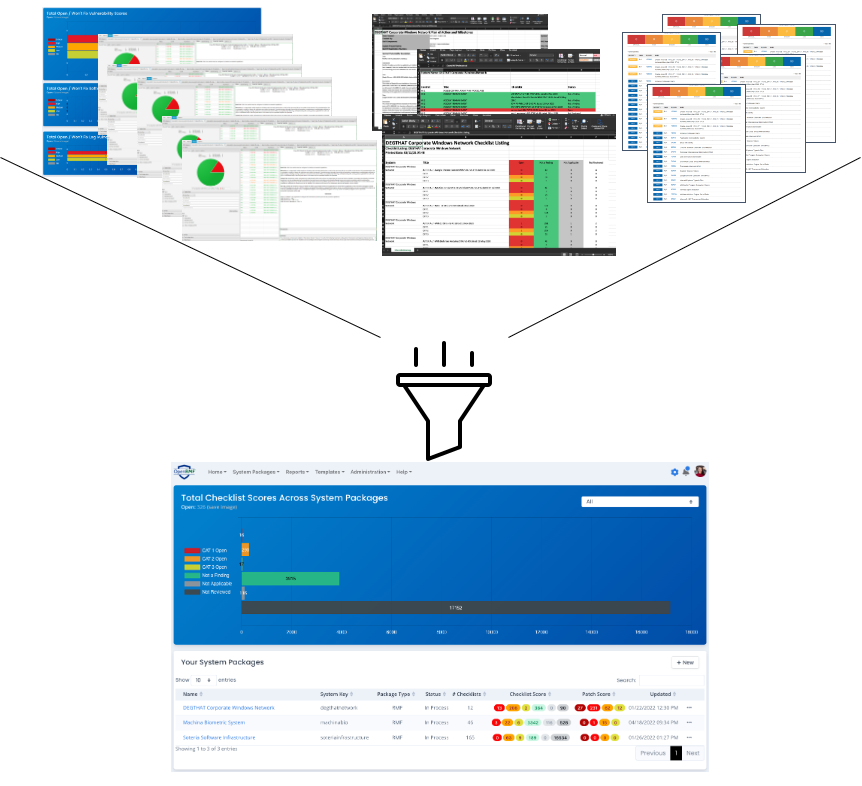
Cyber compliance software is a powerful tool designed to help organisations meet regulatory requirements and maintain the security of their IT systems. It provides automated processes for monitoring, assessing, and reporting on various aspects of cybersecurity, such as access controls, data protection, and network security.
The Benefits of Cyber Compliance Software
Implementing cyber compliance software offers several key benefits:
- Enhanced Security: By continuously monitoring your IT environment, cyber compliance software helps identify vulnerabilities and potential security breaches before they escalate.
- Regulatory Compliance: Meeting regulatory requirements can be complex and time-consuming. Cyber compliance software streamlines this process by providing automated checks and reports to ensure adherence to standards.
- Risk Management: Understanding your organisation’s risk profile is essential for effective cybersecurity. Cyber compliance software helps assess risks, prioritise actions, and implement controls to mitigate threats.
- Audit Readiness: In the event of an audit or investigation, having comprehensive documentation and reports readily available can save time and resources. Cyber compliance software simplifies audit preparation by generating detailed reports on demand.
- Cost Efficiency: Investing in cyber compliance software can ultimately save costs associated with data breaches, fines for non-compliance, and reputational damage. It provides a proactive approach to cybersecurity that can prevent costly incidents.
Choosing the Right Cyber Compliance Software
When selecting cyber compliance software for your organisation, consider factors such as scalability, ease of integration with existing systems, reporting capabilities, vendor reputation, and ongoing support services. It’s essential to choose a solution that aligns with your specific needs and regulatory requirements.
In conclusion, cyber compliance software is an indispensable tool for modern businesses seeking to protect their sensitive data, maintain regulatory compliance, and safeguard their reputation. By investing in robust cybersecurity measures supported by advanced software solutions, organisations can stay ahead of evolving threats and ensure the resilience of their IT infrastructure.
Understanding Cyber Compliance Software: Key Questions and Benefits for Businesses
- What is cyber compliance software and how does it work?
- Why is cyber compliance software important for businesses?
- How can cyber compliance software help with regulatory compliance?
- What are the key features to look for in cyber compliance software?
- Is cyber compliance software suitable for small businesses or only large enterprises?
- How does investing in cyber compliance software benefit an organisation in the long run?
What is cyber compliance software and how does it work?
Cyber compliance software is a specialised tool designed to assist organisations in meeting regulatory requirements and maintaining the security of their IT systems. It works by automating the process of monitoring, assessing, and reporting on various aspects of cybersecurity, such as access controls, data protection, and network security. By continuously scanning the IT environment for vulnerabilities and non-compliance issues, cyber compliance software helps identify potential risks and security gaps proactively. It streamlines the complex task of ensuring adherence to industry standards and government mandates by providing real-time insights, automated checks, and detailed reports. Ultimately, cyber compliance software plays a crucial role in enhancing security posture, managing risks effectively, and preparing organisations for audits or investigations with comprehensive documentation.
Why is cyber compliance software important for businesses?
Cyber compliance software is crucial for businesses due to its role in safeguarding sensitive data, maintaining regulatory adherence, and mitigating cybersecurity risks. In today’s digital landscape, where cyber threats are prevalent and regulations are stringent, businesses face increasing pressure to protect their IT systems and customer information. By implementing cyber compliance software, organisations can proactively monitor their security posture, identify vulnerabilities, and ensure compliance with industry standards and legal requirements. This not only helps in preventing costly data breaches and regulatory fines but also enhances the overall resilience of the business against evolving cyber threats. Ultimately, investing in cyber compliance software is a strategic decision that reinforces the trust of customers, partners, and stakeholders in the organisation’s commitment to cybersecurity best practices.
How can cyber compliance software help with regulatory compliance?
Cyber compliance software plays a crucial role in assisting organisations with regulatory compliance by providing automated processes and tools to ensure adherence to industry standards and government mandates. By continuously monitoring IT systems, access controls, data protection measures, and network security protocols, cyber compliance software helps identify potential gaps or violations that could lead to non-compliance. It streamlines the complex task of meeting regulatory requirements by generating detailed reports, conducting regular assessments, and alerting stakeholders to any issues that need attention. With its ability to track and document security measures in real-time, cyber compliance software enables organisations to demonstrate their commitment to regulatory compliance during audits or investigations, ultimately helping them avoid penalties and reputational damage.
What are the key features to look for in cyber compliance software?
When evaluating cyber compliance software, it is essential to consider key features that can enhance your organisation’s cybersecurity posture. Some crucial aspects to look for include robust monitoring capabilities for real-time threat detection, automated compliance checks to ensure adherence to regulations, comprehensive reporting functionalities for audit readiness, integration with existing IT systems for seamless implementation, and scalability to accommodate future growth and evolving security needs. Additionally, features such as risk assessment tools, policy management capabilities, and continuous updates to address emerging threats are vital in selecting effective cyber compliance software that aligns with your organisation’s security objectives.
Is cyber compliance software suitable for small businesses or only large enterprises?
The question of whether cyber compliance software is suitable for small businesses or only large enterprises is a common concern among organisations evaluating cybersecurity solutions. While it is true that larger enterprises often have more complex IT environments and regulatory obligations, cyber compliance software can be equally beneficial for small businesses. In fact, small businesses can greatly benefit from the automated monitoring, risk assessment, and regulatory compliance features offered by such software. By implementing cyber compliance software, small businesses can enhance their security posture, streamline compliance efforts, and proactively protect their sensitive data from cyber threats, ultimately contributing to the overall resilience of their operations.
How does investing in cyber compliance software benefit an organisation in the long run?
Investing in cyber compliance software offers significant long-term benefits to an organisation. By implementing such software, businesses can enhance their overall cybersecurity posture, reduce the risk of data breaches and cyber attacks, and ensure compliance with industry regulations and standards. This proactive approach not only helps in safeguarding sensitive information but also protects the organisation’s reputation and customer trust. Additionally, cyber compliance software enables companies to streamline their audit processes, identify vulnerabilities proactively, and improve operational efficiency. Ultimately, the investment in cyber compliance software pays off by mitigating potential financial losses from security incidents, avoiding costly regulatory fines, and fostering a culture of continuous improvement in cybersecurity practices within the organisation.