
The Best Cloud Identity Solutions for Modern Businesses
In today’s digital landscape, businesses are increasingly turning to cloud-based solutions for their identity and access management needs. Cloud identity solutions offer a range of benefits, including improved security, scalability, and flexibility. Here are some of the best cloud identity platforms that modern businesses can leverage:
Microsoft Azure Active Directory
Microsoft Azure Active Directory is a comprehensive cloud-based identity and access management service that provides seamless single sign-on and multi-factor authentication capabilities. It integrates well with other Microsoft services and offers robust security features to protect user identities.
Okta
Okta is a leading cloud identity platform that enables businesses to manage user authentication, authorisation, and lifecycle management across various applications and devices. With its user-friendly interface and extensive integration options, Okta is a popular choice for organisations of all sizes.
Google Cloud Identity
Google Cloud Identity offers a secure and scalable solution for managing user identities in the cloud. It allows businesses to control access to applications and resources efficiently while ensuring compliance with security policies. With Google’s robust infrastructure backing it, Google Cloud Identity is a reliable choice for businesses looking to enhance their security posture.
OneLogin
OneLogin is a cloud-based identity and access management platform that simplifies user authentication processes through single sign-on and adaptive authentication capabilities. It streamlines user provisioning and deprovisioning tasks, making it easier for IT teams to manage identities across the organisation.
These are just a few examples of the best cloud identity solutions available to modern businesses. By leveraging these platforms, organisations can strengthen their security posture, improve user experience, and streamline identity management processes in the cloud.
Top 6 Tips for Effective Cloud Identity Management
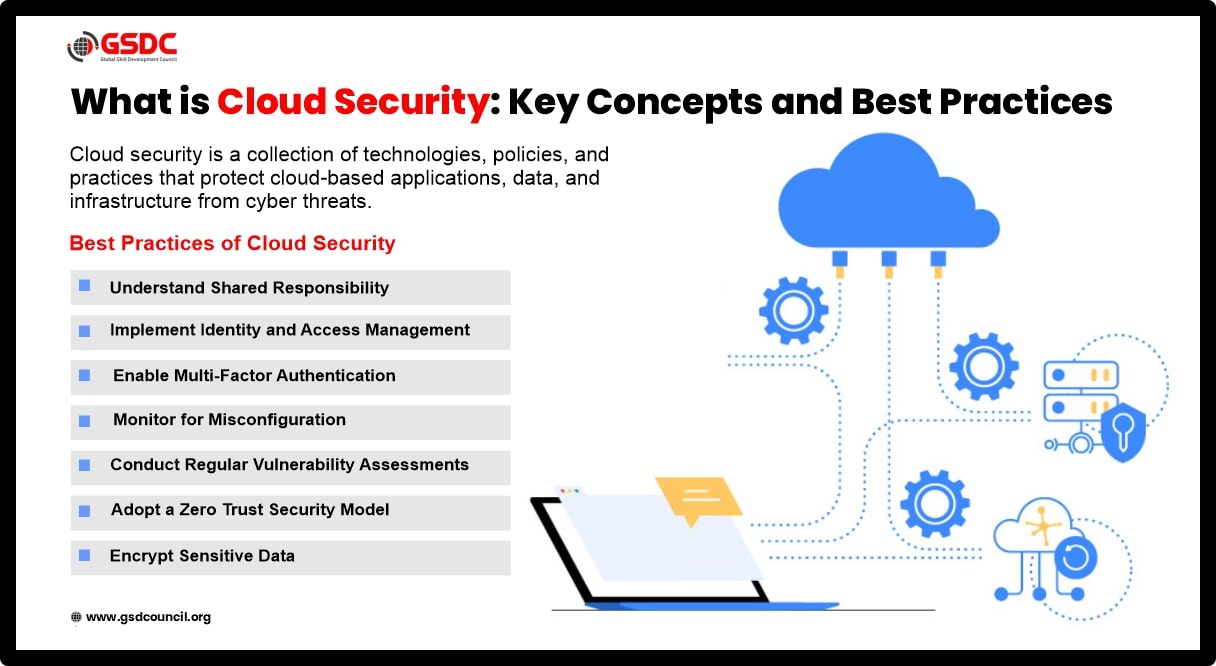
- Implement strong authentication methods such as multi-factor authentication.
- Regularly review and update user access permissions to ensure least privilege access.
- Encrypt sensitive data both in transit and at rest within the cloud environment.
- Monitor user activities and set up alerts for any suspicious behaviour or unauthorized access.
- Use identity management tools to centrally manage user identities, roles, and policies.
- Establish clear policies and procedures for onboarding, offboarding, and managing user accounts.
Implement strong authentication methods such as multi-factor authentication.
Implementing strong authentication methods, such as multi-factor authentication, is crucial when it comes to securing cloud identities. Multi-factor authentication adds an extra layer of security by requiring users to provide multiple forms of verification before accessing their accounts. This significantly reduces the risk of unauthorised access and enhances overall data protection. By incorporating multi-factor authentication into cloud identity management practices, businesses can bolster their security defences and safeguard sensitive information from potential threats.
Regularly review and update user access permissions to ensure least privilege access.
Regularly reviewing and updating user access permissions is a crucial practice in maintaining the security of cloud identity systems. By ensuring least privilege access, businesses can limit the exposure of sensitive data and reduce the risk of unauthorised access. This proactive approach helps organisations stay compliant with regulations, mitigate security threats, and enhance overall data protection measures. Regular audits of user access permissions are essential to aligning access levels with employees’ roles and responsibilities, ultimately safeguarding critical assets within the cloud environment.
Encrypt sensitive data both in transit and at rest within the cloud environment.
It is crucial to encrypt sensitive data both in transit and at rest within the cloud environment to ensure its security and integrity. Encrypting data in transit protects it from interception and eavesdropping during transmission between servers, while encrypting data at rest safeguards it from unauthorised access or theft when stored in databases or on storage devices. By implementing robust encryption measures, businesses can mitigate the risk of data breaches and maintain compliance with data protection regulations, ultimately enhancing the overall security of their cloud identity infrastructure.
Monitor user activities and set up alerts for any suspicious behaviour or unauthorized access.
To enhance the security of your cloud identity solution, it is crucial to monitor user activities and establish alerts for any signs of suspicious behaviour or unauthorised access. By actively tracking user interactions within the system, you can swiftly identify and respond to potential security threats. Setting up alerts ensures that any unusual activities are promptly detected, allowing you to take immediate action to mitigate risks and safeguard your organisation’s sensitive data. Proactive monitoring and alerting play a vital role in maintaining a secure cloud identity environment and protecting against potential security breaches.
Use identity management tools to centrally manage user identities, roles, and policies.
Using identity management tools to centrally manage user identities, roles, and policies is a crucial tip for implementing the best cloud identity practices. By centralising these aspects, businesses can ensure consistency, efficiency, and security across their entire IT infrastructure. These tools enable administrators to easily assign and revoke access rights, define user roles based on responsibilities, and enforce security policies uniformly. This approach not only simplifies identity management processes but also enhances control over user access, reducing the risk of unauthorised activities and data breaches.
Establish clear policies and procedures for onboarding, offboarding, and managing user accounts.
Establishing clear policies and procedures for onboarding, offboarding, and managing user accounts is crucial when implementing the best cloud identity solutions. By defining structured processes for adding new users, removing departing employees, and maintaining existing accounts, businesses can ensure smooth operations, enhance security, and streamline identity management in the cloud. These policies help maintain accountability, enforce compliance with security protocols, and mitigate risks associated with unauthorised access or data breaches. Clear guidelines for user account management contribute to a more efficient and secure cloud identity environment for modern businesses.