
The Importance of Identity Access Management in SAP
In today’s digital landscape, data security is paramount for organisations across all industries. As businesses rely on enterprise resource planning (ERP) systems like SAP to manage their operations efficiently, the need for robust identity access management (IAM) within these platforms has become increasingly crucial.
What is Identity Access Management?
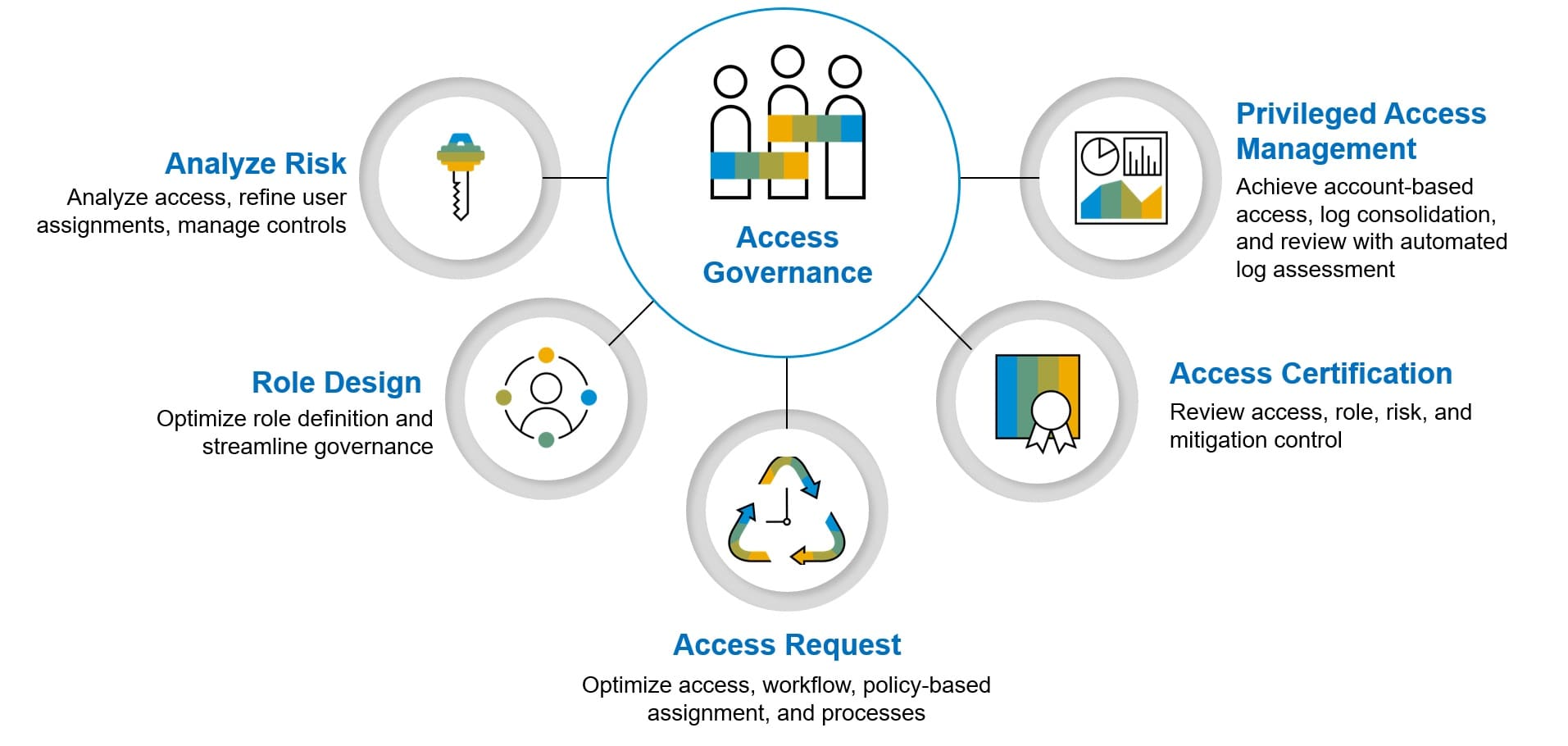
Identity Access Management refers to the processes and technologies used to manage and control user access to critical information within an organisation. In the context of SAP, IAM involves defining and managing user roles, permissions, and privileges within the system to ensure that only authorised individuals have access to specific data and functionalities.
The Role of IAM in SAP Security
Effective IAM in SAP helps prevent unauthorised access to sensitive data, mitigates the risk of data breaches, and ensures compliance with regulatory requirements such as GDPR and SOX. By implementing IAM controls, organisations can enforce segregation of duties, least privilege principles, and multi-factor authentication to enhance security within their SAP environment.
Benefits of Implementing IAM in SAP
- Enhanced Security: IAM reduces the risk of insider threats and external cyberattacks by controlling user access based on predefined policies.
- Compliance: Organisations can demonstrate compliance with industry regulations by implementing IAM controls that govern user permissions and activities.
- Operational Efficiency: By streamlining user provisioning and deprovisioning processes, IAM helps improve operational efficiency and reduce administrative overhead.
- Auditing and Monitoring: IAM enables organisations to track user activities, generate audit trails, and monitor system access for suspicious behaviour.
- Risk Mitigation: Proactive identification of potential risks through IAM allows organisations to address vulnerabilities before they are exploited.
In Conclusion
In conclusion, Identity Access Management plays a vital role in safeguarding sensitive information within SAP environments. Organisations that prioritise IAM implementation benefit from improved security posture, regulatory compliance, operational efficiency, and risk mitigation. By investing in robust IAM solutions tailored to their SAP systems, businesses can proactively protect their data assets and maintain trust with stakeholders.
9 Essential Tips for Effective Identity Access Management in SAP
- Implement role-based access control to restrict user permissions.
- Regularly review and update user access rights to ensure security.
- Enforce strong password policies for user accounts.
- Enable multi-factor authentication for an added layer of security.
- Monitor and log user activities to detect any suspicious behaviour.
- Provide training to users on best practices for identity access management.
- Integrate identity access management with other security solutions for comprehensive protection.
- Establish clear procedures for granting and revoking access privileges.
- Regularly audit user access to maintain compliance and security.
Implement role-based access control to restrict user permissions.
To enhance security and streamline user access within SAP systems, it is recommended to implement role-based access control. By assigning specific roles to users based on their job functions and responsibilities, organisations can restrict permissions to only the necessary data and functionalities required to perform their tasks. This approach helps enforce the principle of least privilege, reducing the risk of unauthorised access to sensitive information and mitigating potential security threats. Role-based access control in SAP not only enhances data protection but also simplifies user management processes by ensuring that users have appropriate access levels aligned with their roles within the organisation.
Regularly review and update user access rights to ensure security.
Regularly reviewing and updating user access rights in SAP is a fundamental practice in maintaining robust security measures within the system. By conducting periodic audits of user permissions and roles, organisations can identify and address any discrepancies or potential security risks promptly. Ensuring that users have only the necessary access rights based on their roles not only enhances data security but also helps in complying with regulatory requirements. Proactive management of user access rights in SAP contributes to a more secure environment, minimises the risk of unauthorised activities, and strengthens overall cybersecurity posture.
Enforce strong password policies for user accounts.
Enforcing strong password policies for user accounts is a fundamental aspect of effective Identity Access Management in SAP. By requiring users to create complex passwords that include a combination of letters, numbers, and special characters, organisations can significantly enhance the security of their SAP environment. Strong passwords help prevent unauthorised access to sensitive data and reduce the risk of password-related security breaches. Additionally, regular password changes and restrictions on password reuse further strengthen the overall security posture of the system, ensuring that only authorised users with secure credentials can access critical information within SAP.
Enable multi-factor authentication for an added layer of security.
Enabling multi-factor authentication in SAP is a highly recommended practice to enhance security measures within the system. By requiring users to provide multiple forms of verification before accessing sensitive data or functionalities, such as a password combined with a unique code sent to their mobile device, organisations can significantly reduce the risk of unauthorised access and potential data breaches. This additional layer of security adds an extra barrier for malicious actors trying to compromise user accounts, reinforcing the overall integrity of the identity access management framework in SAP.
Monitor and log user activities to detect any suspicious behaviour.
Monitoring and logging user activities within SAP is a crucial tip in Identity Access Management. By tracking and recording user interactions, organisations can proactively identify any suspicious behaviour or unauthorised access attempts. This practice not only helps in detecting potential security threats but also enables swift response and mitigation of risks. By maintaining detailed logs of user activities, businesses can enhance their overall security posture, strengthen compliance efforts, and ensure the integrity of their SAP environment.
Provide training to users on best practices for identity access management.
To enhance the effectiveness of identity access management in SAP, it is essential to provide comprehensive training to users on best practices. Educating users about the importance of maintaining secure access credentials, following proper authentication protocols, and understanding their roles and responsibilities within the system can significantly reduce the risk of security breaches. By promoting a culture of awareness and accountability through training sessions, organisations can empower their employees to actively contribute to maintaining a secure IAM environment in SAP.
Integrate identity access management with other security solutions for comprehensive protection.
To enhance the security of your SAP environment, it is advisable to integrate identity access management with other security solutions. By combining IAM with technologies such as threat detection, encryption, and endpoint protection, organisations can establish a layered defence strategy that offers comprehensive protection against a wide range of cyber threats. This integrated approach not only strengthens access controls within SAP but also helps in detecting and responding to security incidents more effectively. By leveraging the synergy between IAM and other security solutions, businesses can fortify their defences and safeguard their critical data assets from evolving cybersecurity risks.
Establish clear procedures for granting and revoking access privileges.
Establishing clear procedures for granting and revoking access privileges is a fundamental aspect of effective Identity Access Management in SAP. By defining transparent processes for assigning user permissions and removing access rights when necessary, organisations can ensure that only authorised individuals have the appropriate level of system access. This practice not only enhances security by preventing unauthorised usage but also streamlines administrative tasks, improves compliance with regulations, and minimises the risk of insider threats. Clear procedures for managing access privileges in SAP contribute to a more secure and efficient IT environment overall.
Regularly audit user access to maintain compliance and security.
Regularly auditing user access within SAP is a fundamental practice to uphold compliance standards and enhance security measures. By conducting routine audits, organisations can ensure that user permissions align with business requirements and regulatory mandates. Identifying and addressing any discrepancies or unauthorised access promptly not only mitigates the risk of data breaches but also fosters a culture of accountability and transparency. Through consistent monitoring and auditing of user access, businesses can proactively safeguard their SAP environment, maintain compliance with industry regulations, and bolster overall cybersecurity resilience.