
The Importance of MIM Privileged Access Management
In today’s digital landscape, the security of sensitive data and critical systems is paramount for organisations across all industries. One crucial aspect of cybersecurity is managing privileged access effectively to prevent unauthorised access and potential data breaches. Microsoft Identity Manager (MIM) offers a robust solution for Privileged Access Management (PAM) that helps organisations enhance their security posture.
What is MIM Privileged Access Management?
MIM Privileged Access Management is a comprehensive solution that allows organisations to control, monitor, and secure privileged accounts within their IT infrastructure. By implementing MIM PAM, businesses can restrict access to sensitive information, reduce the risk of insider threats, and ensure compliance with regulatory requirements.
The Benefits of MIM PAM
Implementing MIM Privileged Access Management offers several key benefits:
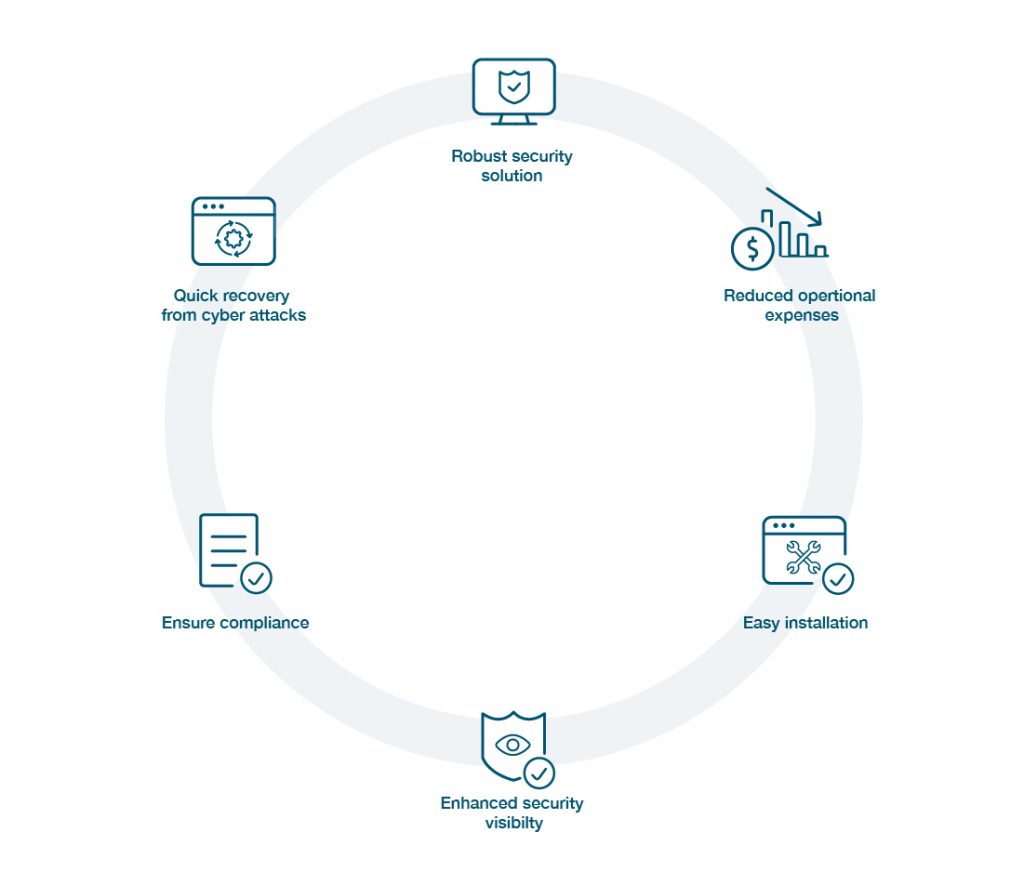
- Enhanced Security: MIM PAM helps strengthen security by limiting access to critical systems and data only to authorised users.
- Improved Compliance: Organisations can achieve compliance with industry regulations and standards by implementing stringent access controls through MIM PAM.
- Reduced Risk: By monitoring and auditing privileged access activities, MIM PAM helps mitigate the risk of security breaches and insider threats.
- Operational Efficiency: Automating privilege management tasks streamlines operations and reduces the burden on IT teams.
Best Practices for Implementing MIM PAM
To maximise the effectiveness of MIM Privileged Access Management, organisations should consider the following best practices:
- Define Clear Policies: Establish detailed policies governing privileged access rights and responsibilities within the organisation.
- Regularly Review Permissions: Conduct regular reviews of user permissions to ensure that only necessary privileges are granted.
- Monitor Activity: Implement real-time monitoring of privileged access activities to detect any suspicious behaviour promptly.
- Educate Users: Provide training to users on best practices for managing privileged access and maintaining security protocols.
In conclusion, MIM Privileged Access Management plays a vital role in safeguarding organisational assets and maintaining a secure IT environment. By leveraging the capabilities of MIM PAM and adhering to best practices, businesses can effectively manage privileged access rights, reduce security risks, and enhance overall cybersecurity posture.
Top 5 Tips for Effective Privileged Access Management
- Implement least privilege access by providing users only the permissions necessary to perform their tasks.
- Regularly review and audit user access rights to ensure they are up-to-date and appropriate.
- Utilise multi-factor authentication to enhance security when accessing privileged accounts.
- Monitor and log all privileged access activities for accountability and detection of any suspicious behaviour.
- Educate employees on the importance of privileged access management and best practices for maintaining security.
Implement least privilege access by providing users only the permissions necessary to perform their tasks.
Implementing the principle of least privilege access within a Microsoft Identity Manager (MIM) Privileged Access Management framework is crucial for enhancing security and reducing the risk of unauthorised access. By granting users only the permissions necessary to carry out their specific tasks, organisations can minimise the potential impact of security breaches and insider threats. This proactive approach not only strengthens overall cybersecurity but also ensures that sensitive data and critical systems are well-protected against potential vulnerabilities.
Regularly review and audit user access rights to ensure they are up-to-date and appropriate.
Regularly reviewing and auditing user access rights is a crucial practice in MIM Privileged Access Management. By conducting periodic assessments of user permissions, organisations can ensure that access rights remain current, relevant, and aligned with business needs. This proactive approach helps to identify and address any discrepancies or unnecessary privileges that could pose security risks. Regular reviews also support compliance efforts by verifying that users have the appropriate level of access required for their roles, ultimately enhancing overall security and reducing the likelihood of unauthorised access to sensitive information.
Utilise multi-factor authentication to enhance security when accessing privileged accounts.
Utilising multi-factor authentication is a crucial tip in enhancing security when accessing privileged accounts through MIM Privileged Access Management. By requiring multiple factors for authentication, such as passwords, biometrics, or security tokens, organisations can significantly reduce the risk of unauthorised access to sensitive data and critical systems. This additional layer of security adds an extra barrier against potential cyber threats and ensures that only authorised users with verified identities can access privileged accounts, thereby strengthening overall security measures within the IT infrastructure.
Monitor and log all privileged access activities for accountability and detection of any suspicious behaviour.
Monitoring and logging all privileged access activities within a Microsoft Identity Manager (MIM) Privileged Access Management (PAM) system is a crucial practice for ensuring accountability and detecting any suspicious behaviour. By tracking and recording every action taken by privileged users, organisations can establish a comprehensive audit trail that holds individuals accountable for their actions. Additionally, real-time monitoring enables the prompt identification of any anomalous or potentially malicious activities, allowing security teams to respond swiftly and mitigate potential security threats. This proactive approach to monitoring privileged access activities enhances overall security posture and helps maintain the integrity of critical systems and data.
Educate employees on the importance of privileged access management and best practices for maintaining security.
It is crucial to educate employees on the significance of privileged access management (PAM) and provide guidance on best practices for upholding security within the organisation. By raising awareness about the importance of PAM, employees can better understand their role in safeguarding sensitive data and critical systems. Training sessions on maintaining security protocols, adhering to access control policies, and recognising potential risks associated with privileged access can empower staff to contribute actively to a culture of cybersecurity awareness. Ultimately, educating employees on PAM not only enhances overall security posture but also fosters a sense of responsibility towards protecting valuable organisational assets.